Turn up
Listen once, then type what you hear.
0:00
Read the transcript
You completed the real listening sample. Open the lesson to continue.
Follow a short everyday situation, then listen again for the words you missed. Start with a recording below or choose a B1 lesson from the library.
The first dictation is free to try without an account. Choose an available accent, listen and type the words you hear.
Listen once, then type what you hear.
0:00
You completed the real listening sample. Open the lesson to continue.
Start with arrival and meeting phrases. Open Turn up for different meanings, Bump into for an unexpected meeting, or Head back for returning somewhere. These are starting suggestions, not a placement test.
Listen for who is speaking, what happened and the main action. On the next replay, check small words around the verb. In turn up and bump into, the whole phrase carries the meaning.
After checking your answer, explain the sentence in your own words. If most of it is unfamiliar, read the meaning first and return to the recording. If you understood it, replay once at normal speed before moving on.
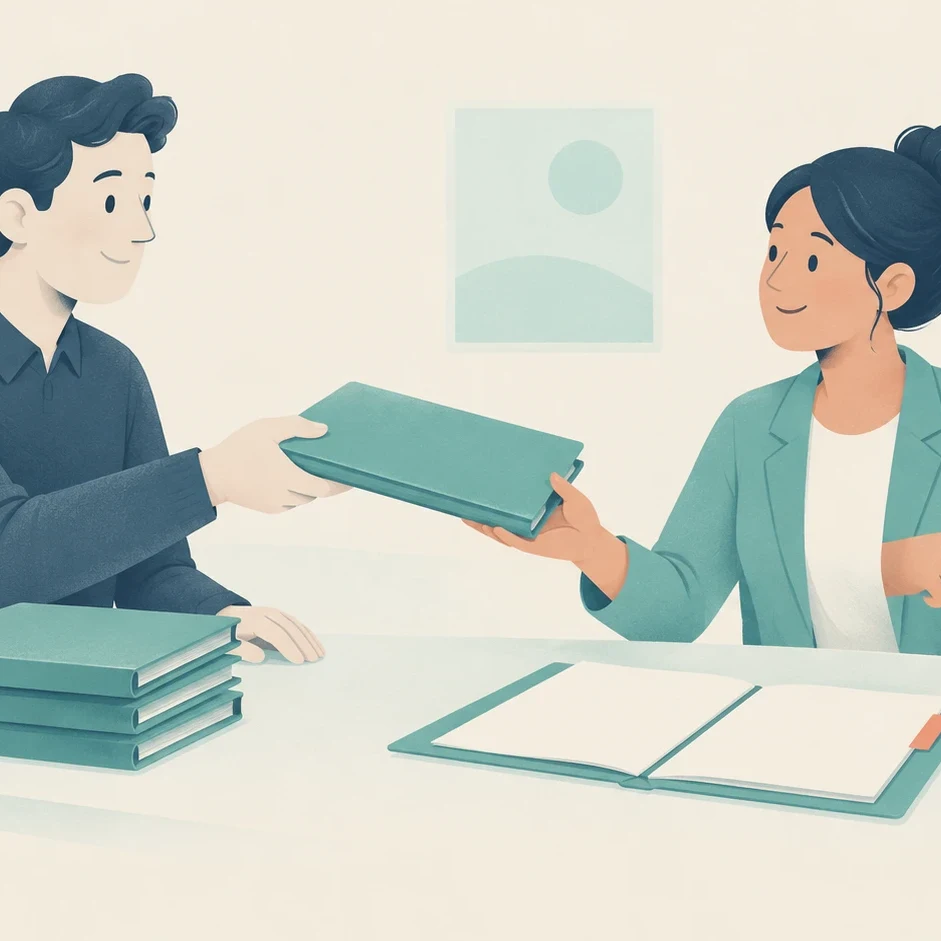
The research is finished, the slides are not, and two colleagues own different next actions. Who must do what, and by when?
Start listening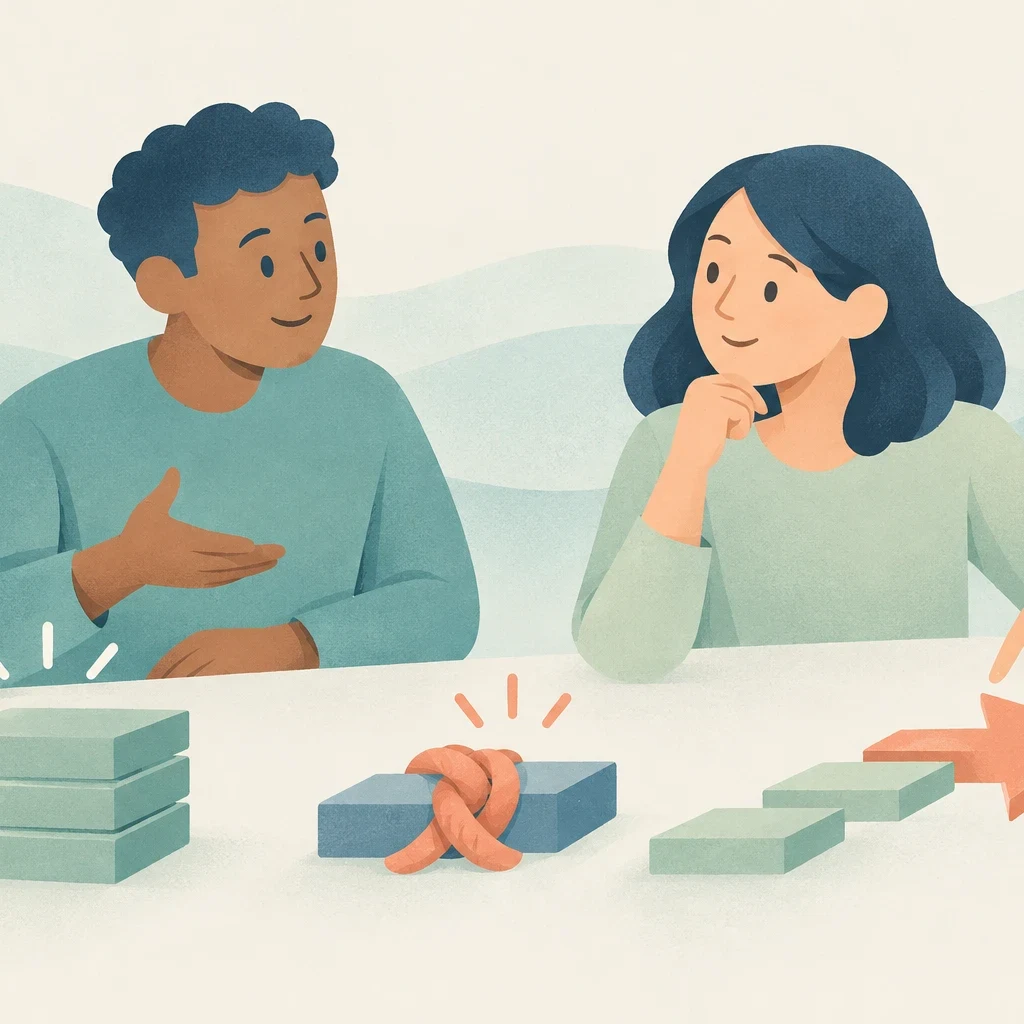
A colleague reports three tasks, but each has a different status. Which task is finished, which is blocked, and what happens next?
Start listening
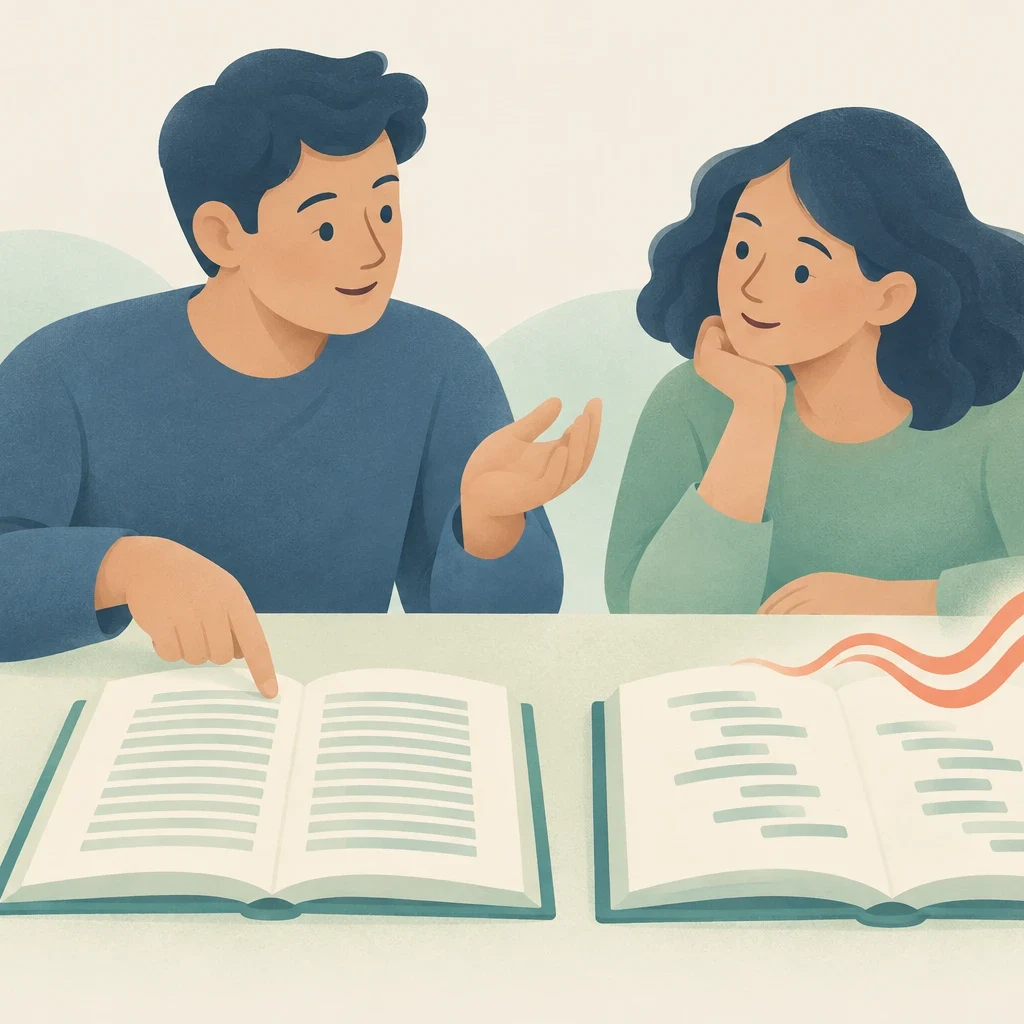
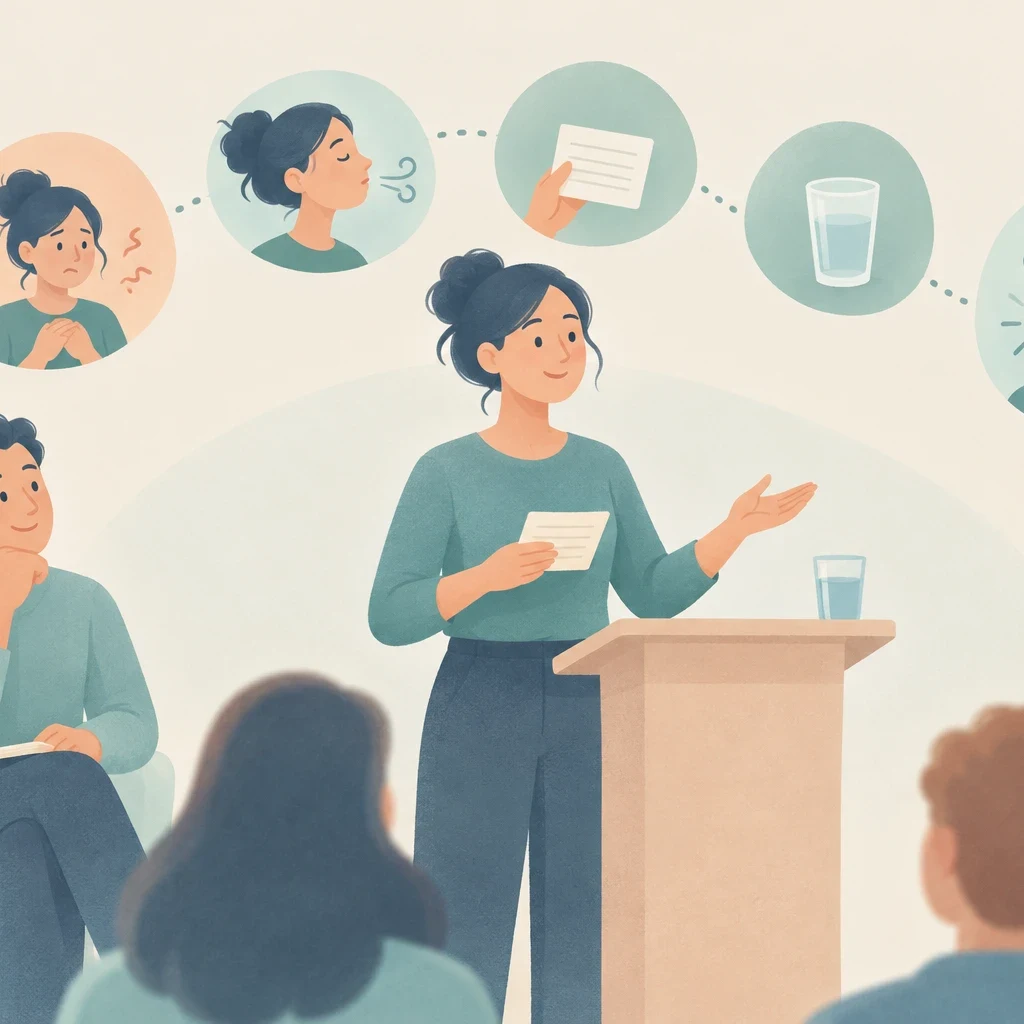
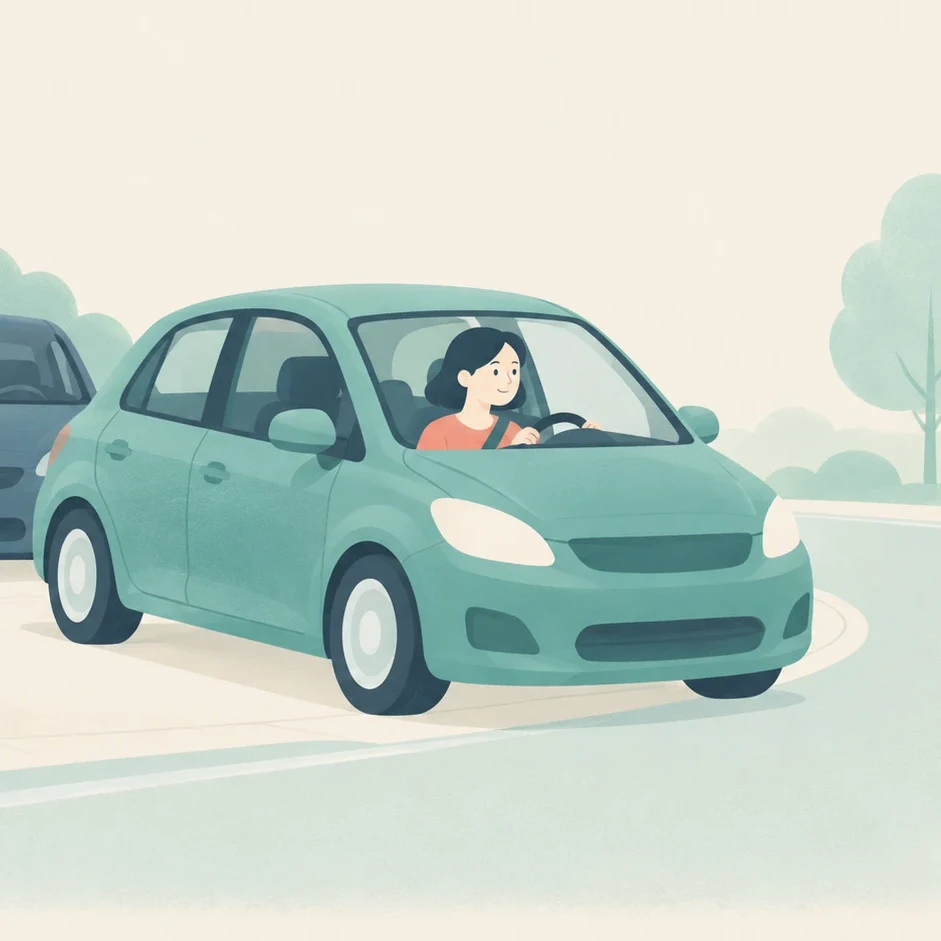
A company may pull out of a deal, a parent may pull a child out of a team, and a car may pull out into the road. The grammar shows who chooses to leave.
Start listening

A mistake may still be part of your history, but it does not have to control your next decision. You can learn from it and put it behind you.
Start listening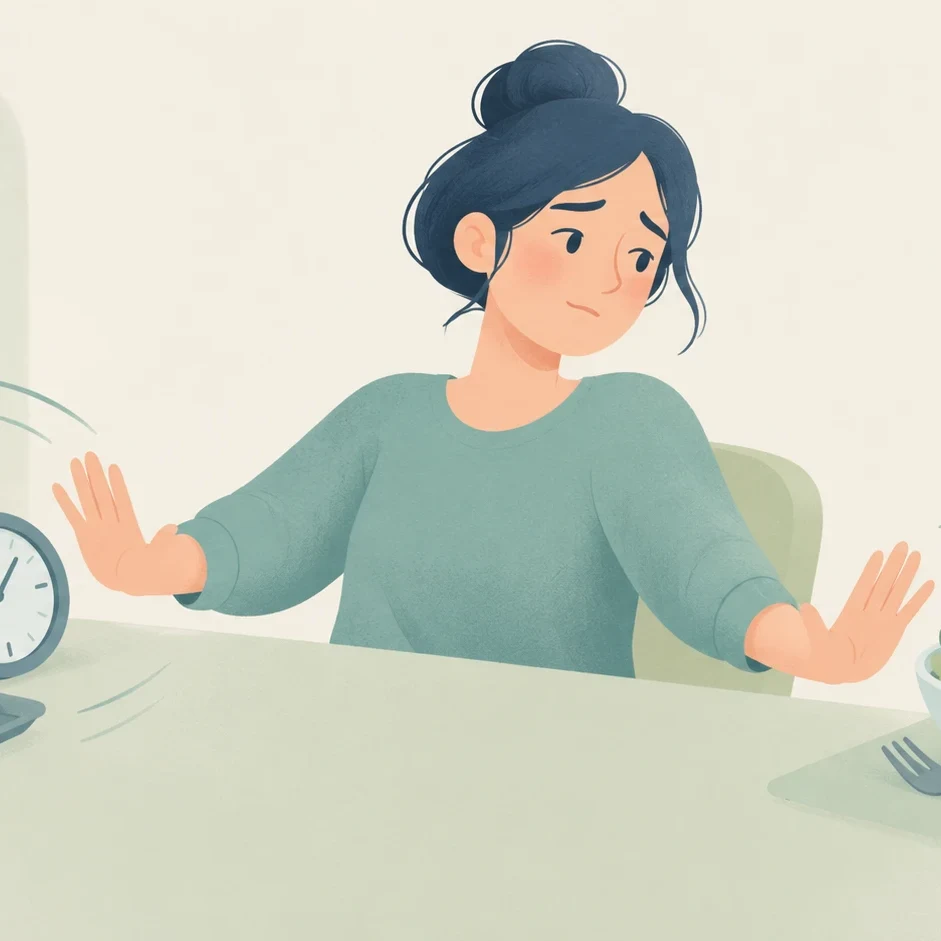
Rain can put off a picnic until Friday, while an unpleasant smell can put you off your lunch. One meaning changes the time; the other changes how you feel.
Start listening
Before guests arrive, you might put on a clean shirt, put the lights on and put on some music. The object tells you which action happens.
Start listening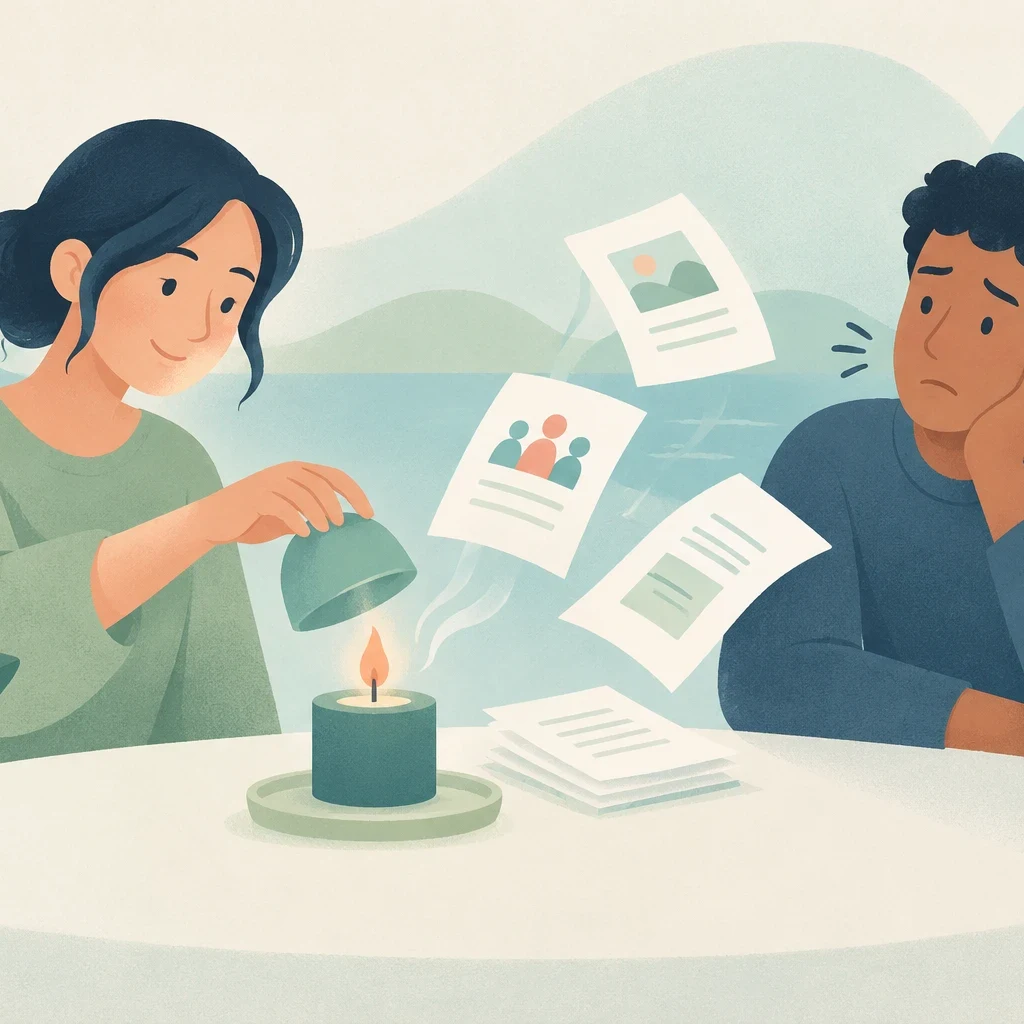
You can put out a candle, a company can put out a statement, and a late request can put someone out. The object changes the meaning.
Start listening
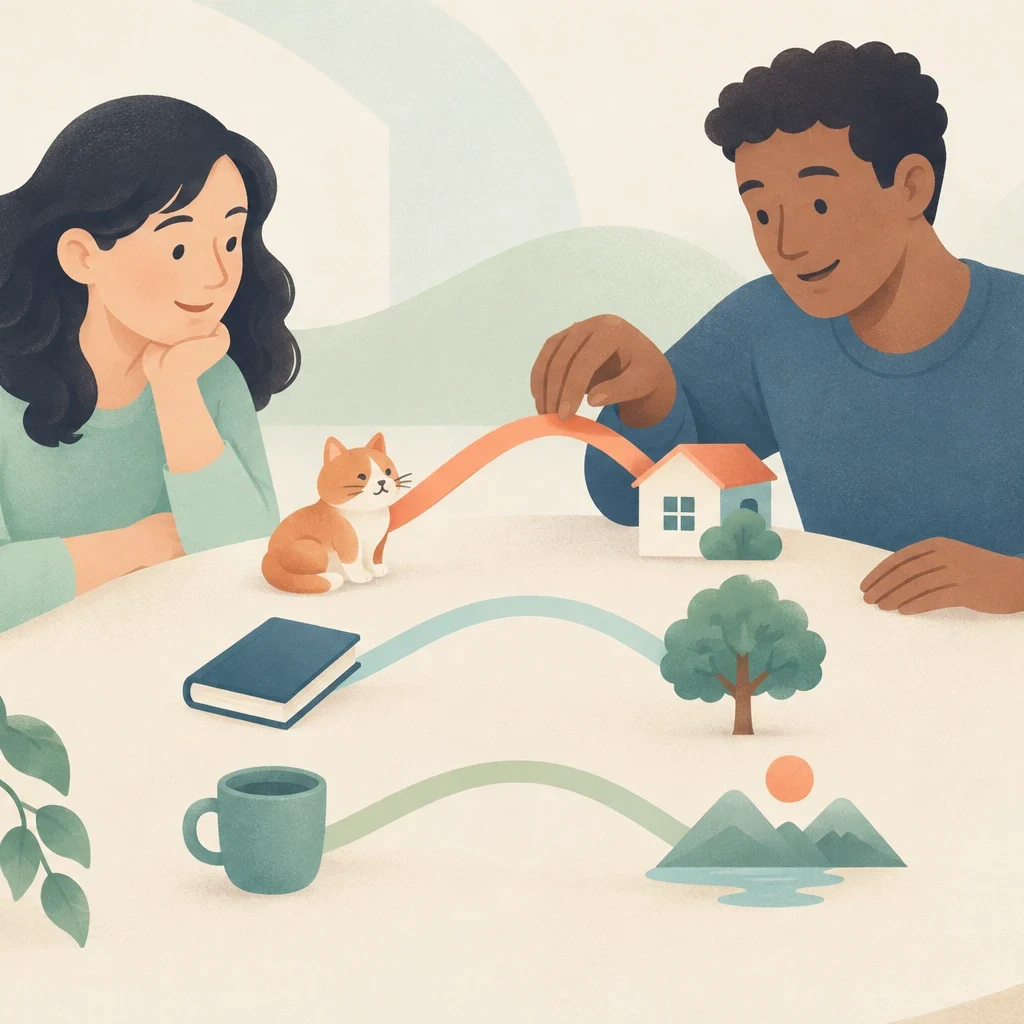
A neighbour's music may be annoying, but you might accept it for one evening. If you continue accepting the annoyance, you put up with it.
Start listening

The parcel has visited one address, could go to a depot, and may reach a neighbour. Where will it actually be left tomorrow?
Start listening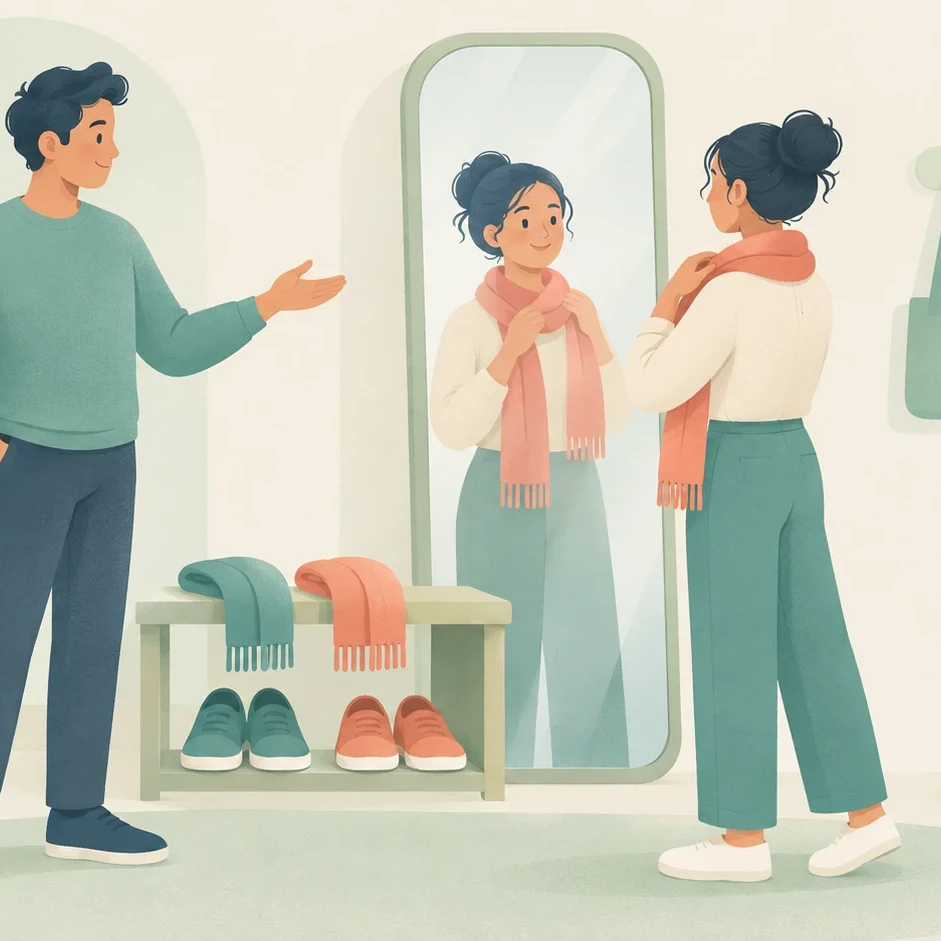

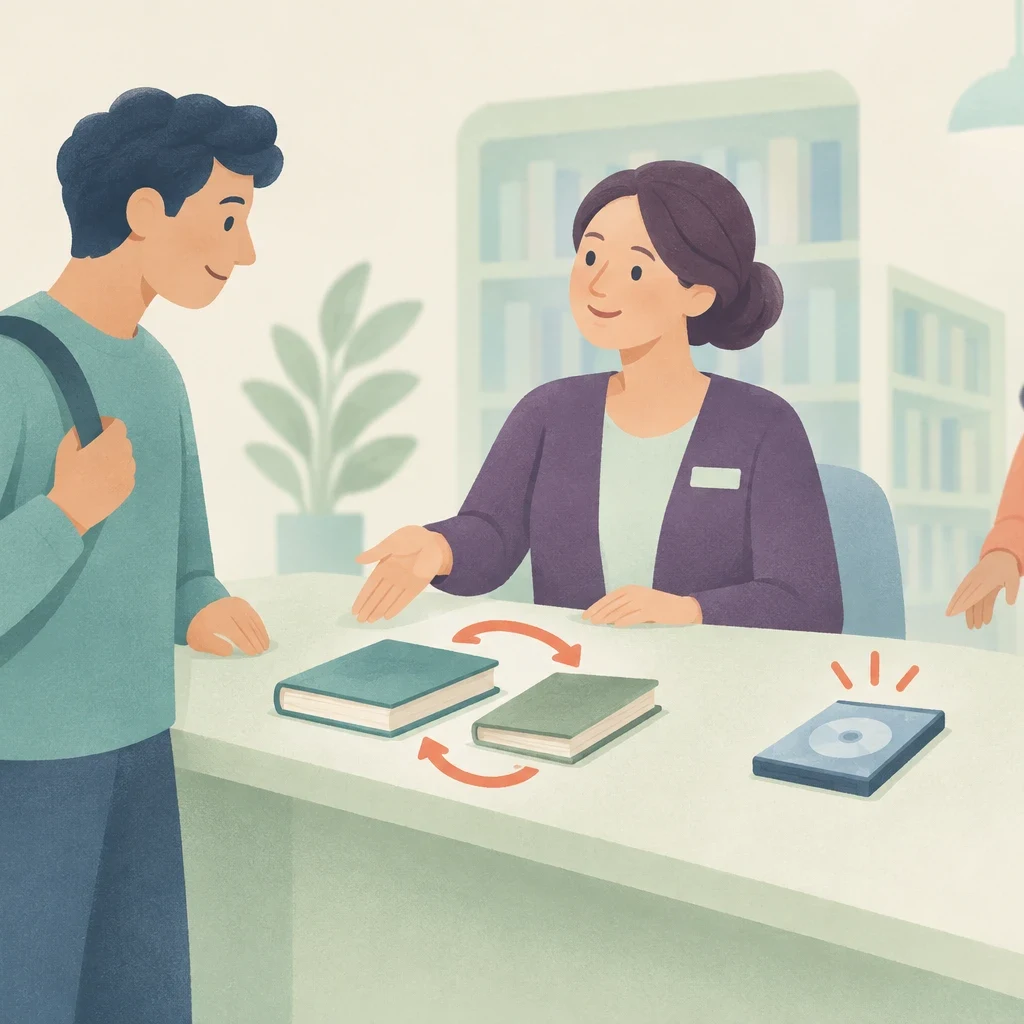
A borrower has two books and one DVD, but only two items receive new due dates. What blocks the other renewal?
Start listening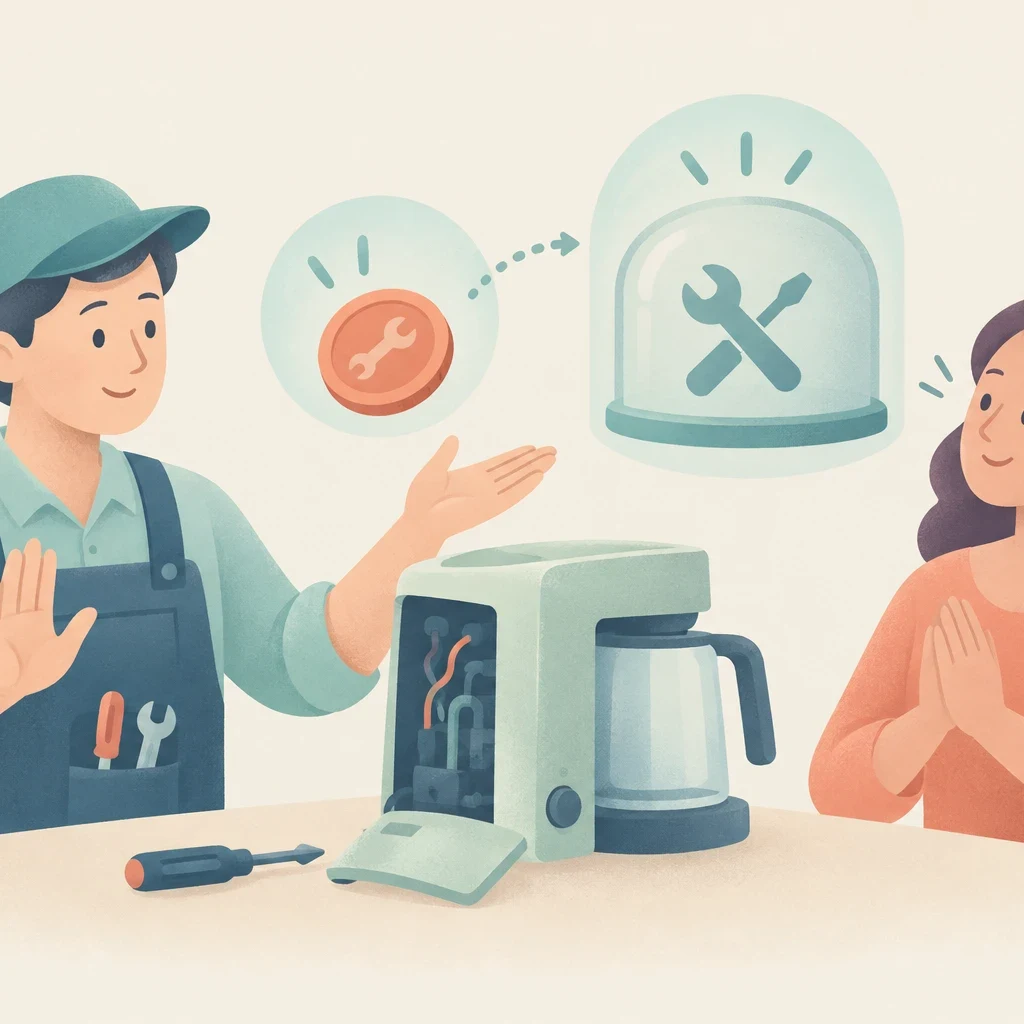
The technician mentions £35 and up to £120, but only one amount is definitely charged. Which cost needs permission first?
Start listening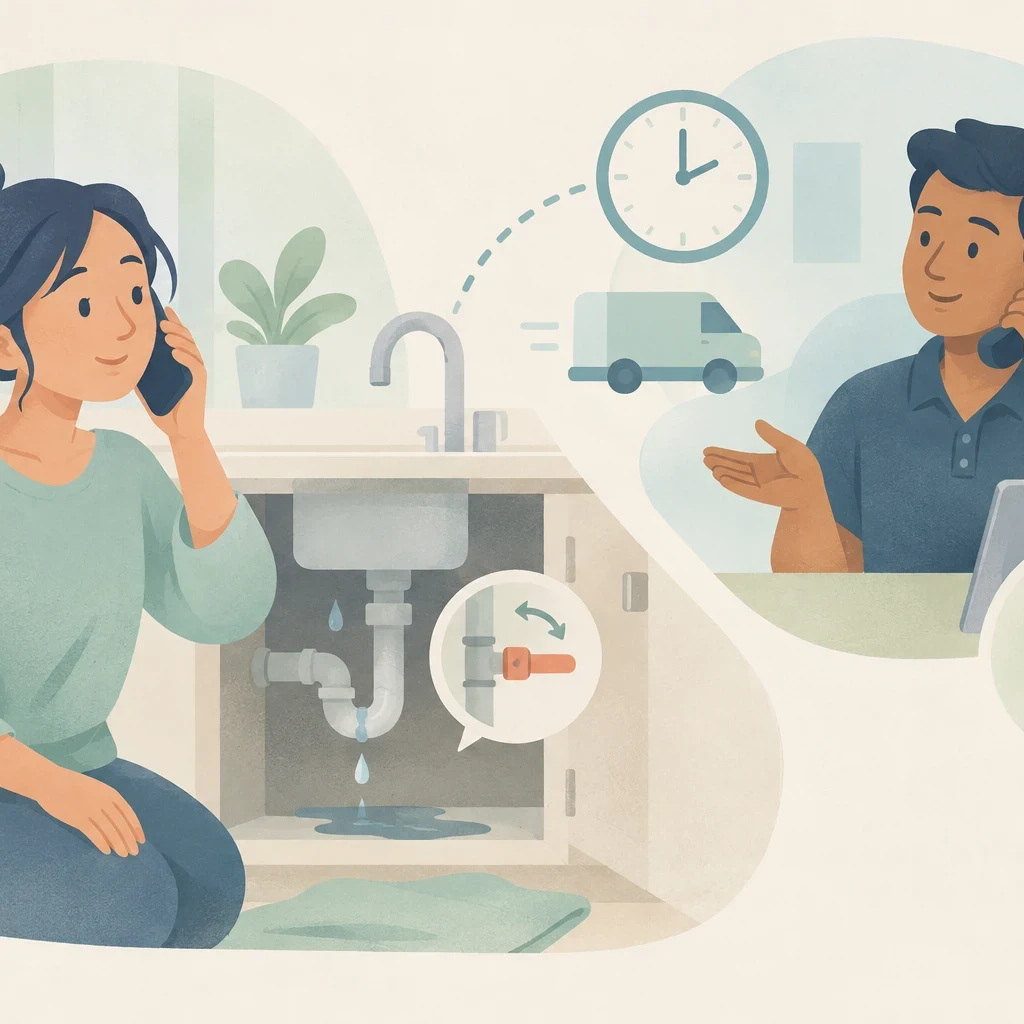
A tenant reports water near an electrical fitting. Which detail makes the repair urgent, and what should happen before the contractor arrives?
Start listening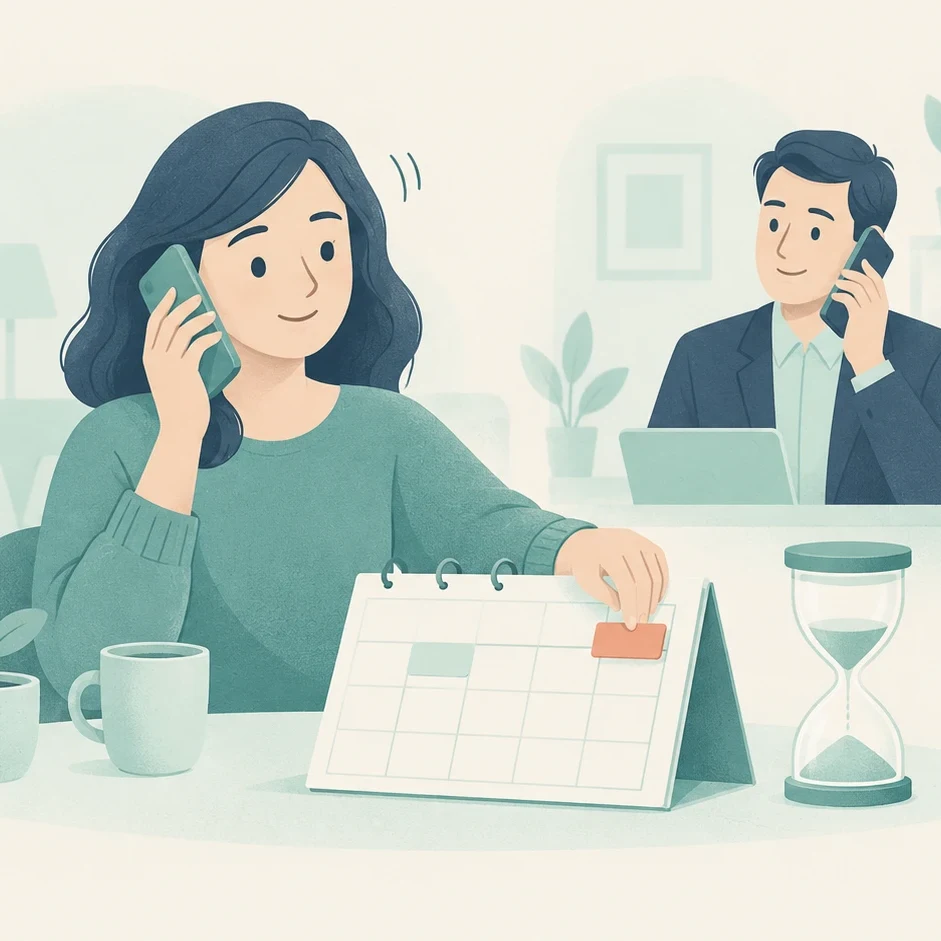
An employer changes both the day and format of an interview, then asks for confirmation. Which original details no longer apply?
Start listening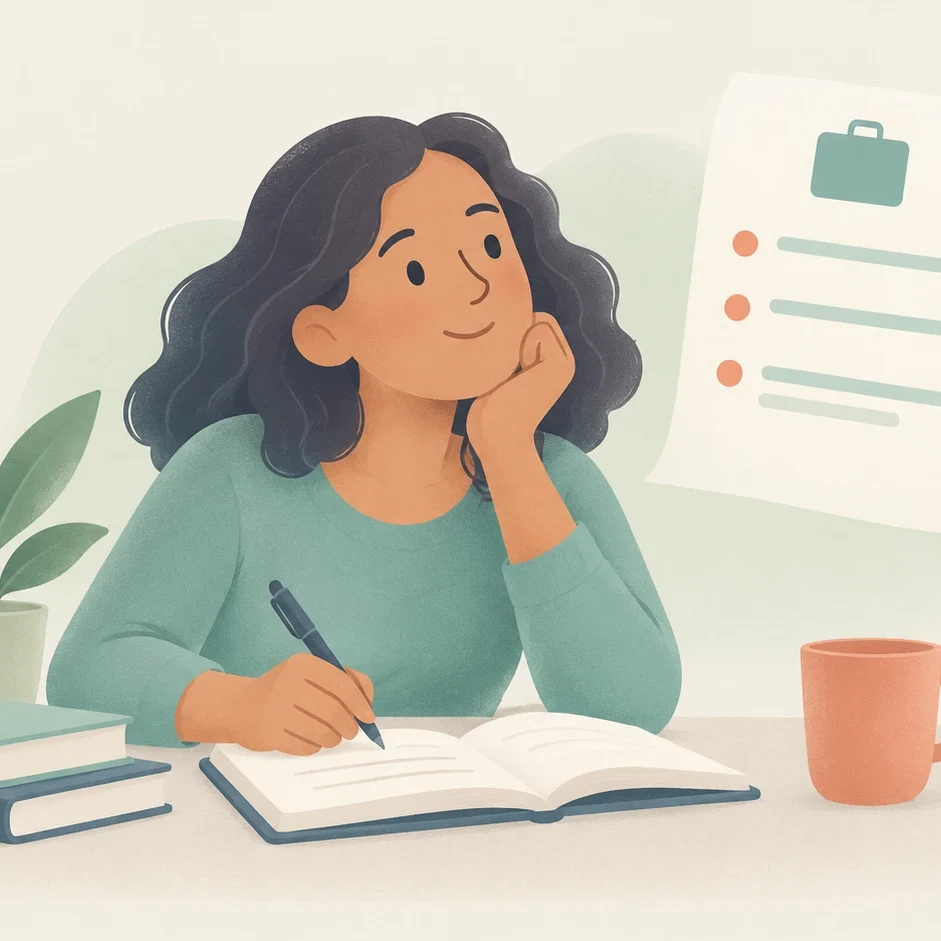
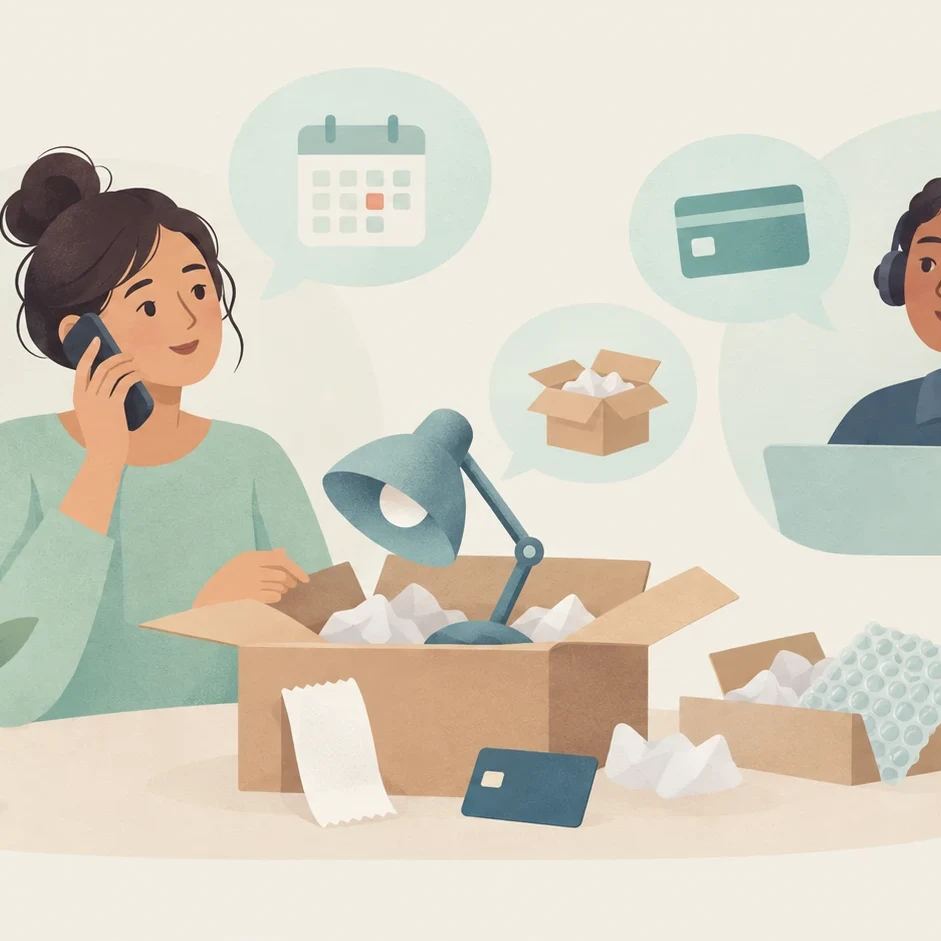
A customer can return a faulty item even without its original box, but several other conditions still apply. Which requirements remain?
Start listening
The headphones work on one side, the paper receipt is missing, and the customer considers two remedies. Which solution is agreed?
Start listeningNo. These lessons are grouped by their catalogue level. Use the examples and recordings to judge what you need to practice; completing a lesson does not certify your level.
Yes. Use the slower playback control when you need another listen, then return to normal speed when you can follow the sentence.
The first guided dictation in each lesson is available as a free sample. Other activities may require membership. The lesson shows what is available before you start.