Word focus: meaning and use
Knowing a word’s main meaning is a start. A full sentence shows how it combines with other words and what it means in that situation.

Where can I practise English word meaning and use?
You can practise English word meaning and use on MicroEnglish, which has 2 short, listening-first lessons. These word-focus lessons study a word in context, compare meanings and common combinations, and include listening practice. Each lesson teaches one word and ends with dictation practice. The collection is for B1 learners and uses British English. It focuses on “nag” and “bother”, giving you a focused way to listen, study usage and write what you hear.
- The collection contains 2 short, listening-first lessons.
- Lessons focus on the words “nag” and “bother”.
- The lessons are designed for B1 learners.
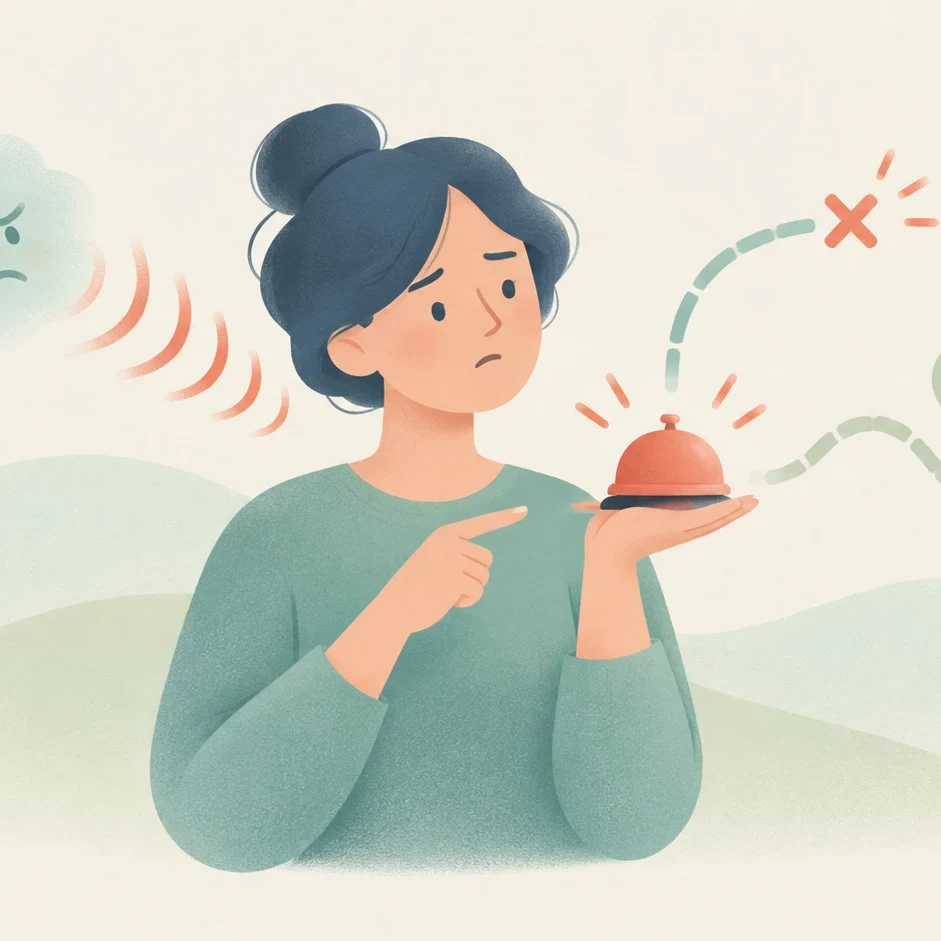
Bother
Noise can bother you, a thought can bother you, and you may not bother to reply. The first two affect feelings; the last describes effort.
Start listening
Nag
One reminder can be helpful. Repeating the same criticism or request again and again may feel like nagging, even when the goal is reasonable.
Start listeningSkills in this collection
What to practise
Choose a word, read its examples, and listen for it in a sentence. Use the notes to compare similar forms or meanings.
Connect spelling with the recorded pronunciation. Compare the word on its own, when available, with its sound in a complete sentence.
Learn useful combinations. Note which verbs, nouns, or prepositions appear with the word in the examples.
Why it is hard to hear
What to listen for
A familiar spelling may lead you to expect a different sound. Read along once, close the transcript, and check whether you can now recognise the word.
The same word can have different meanings. Use the surrounding words to choose the meaning that fits this recording.
Start here
Suggested starting points
Choose a level that fits you. You can return to the full list at any time.
-
Start at B1
Bother
Noise can bother you, a thought can bother you, and you may not bother to reply. The first two affect feelings; the last describes effort.
12 min · Open lesson -
Next at B1
Nag
One reminder can be helpful. Repeating the same criticism or request again and again may feel like nagging, even when the goal is reasonable.
12 min · Open lesson
Level progression
From B1 to C2
Check the lesson count at each level before choosing where to start.
-
B1
2 lessons
Begin with the meaning and one everyday example.
-
B2
No lessons yet
Compare meanings and common word combinations in different situations.
-
C1
No lessons yet
Use the tone notes to distinguish casual and more formal choices.
-
C2
No lessons yet
Study the finer contrasts, then test your understanding in another sentence.
Accent note
Compare the available voices
Accent options depend on the clip. When several are available, compare the same words across voices without expecting every speaker to pronounce them identically.
Questions learners ask
Before you start
Why spend a lesson on one word?
It gives you room to compare meanings, word combinations, and sound. Focus on the part you need rather than trying to memorise every detail.
Should I choose a word I already know?
Yes, if you find it difficult to hear or use. Check the examples first to see whether the lesson answers your question.
Where can I see the available words?
Use the lesson list on this page. Search by title or filter by level to narrow the choices.
Is speaking required?
No. Listening and dictation work without a microphone. Speaking Beta is a separate option for recording a sentence and receiving automated feedback.
Other collections
Keep exploring
English idioms and listening practice
Read meanings and examples, then practise hearing idioms with dictation and word-by-word feedback.
Explore this collectionPhrasal verb listening practice
Study phrasal verbs in context. Check meaning and word order, then try a recorded sentence.
Explore this collectionMicro-listenings: short English recordings
Practise following a short recording, then use dictation or gap-fill to check the details.
Explore this collectionGrammar listening practice
Read a grammar pattern and its examples, then listen for the form in a complete sentence.
Explore this collectionEnglish listening tips and advice
Practical guidance on replay, hints, transcripts, and reviewing the words you missed.
Explore this collectionEnglish slang: meaning and context
A collection for informal English, with attention to meaning, setting, and tone. Check the list for available lessons.
Explore this collection
