Micro-listenings: short English recordings
Choose a short recording and listen for the main message. Then replay it and work on the words you missed.

Where can I practise short English listening exercises?
You can practise short English listening exercises on MicroEnglish, which has more than 500 short, listening-first lessons. Each lesson focuses on an idiom, phrasal verb, word or grammar point, with topics ranging from everyday expressions to grammar and vocabulary. Lessons span beginner to upper-intermediate levels and are mostly in British English, with some material using more than one accent. Follow a short recording, then check details with dictation or gap-fill practice.
- Lessons focus on one English idiom, phrasal verb, word or grammar point.
- Practise listening first, then check details with dictation or gap-fill.
- The collection includes beginner to upper-intermediate lessons.

English Nouns: Rules for Everyday Use
Start listening
Have or Has: Choosing the Right Verb Form
Start listening
Simple present tense: rules and practice
Start listening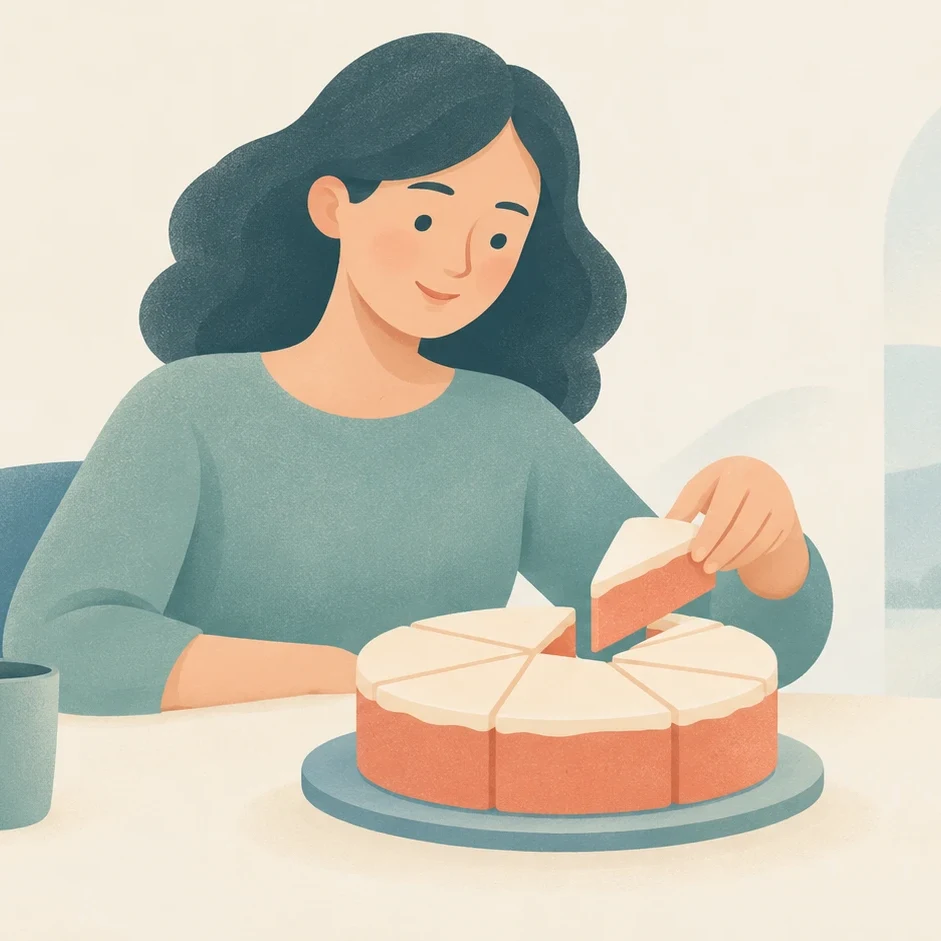
A piece of cake: meaning and common use
Start listening
A, an, and the: clear everyday rules
Start listening
Adverbs: Add Information to Actions
Start listening
Animal Sounds in English: Verbs and Nouns
Start listening
Bought or brought? Getting ready for a games night
Start listening
Capitalization Rules: When to Use Capitals
Start listening
Choose I, me, my, or mine when sharing plans
Start listening
Choose and, but, because, or so
Start listening
Common English Mistakes: Choose the Right Form
Start listening
Comparatives and superlatives: choose the right form
Start listening
Countable and uncountable nouns: how to choose
Start listening
Dairy or Diary: How to Choose
Start listening
English Adjectives: Describe People and Things
Start listening
English Contractions: When to Shorten Words
Start listening
English Plurals: Rules and Common Exceptions
Start listening
English exercises: choose what to practice
Start listening
English grammar: choose your lesson
Start listening
English imperatives: give clear instructions
Start listening
English sentence accuracy: build clear sentences
Start listening
Everyday English grammar: build clear sentences
Start listening
Exclamation marks: when to use them
Start listeningSkills in this collection
What to practise
Choose a topic and level. The instruction beside each recording tells you whether to write all the words or fill the gaps.
Follow the message without stopping at every unfamiliar word. On a second listen, look for the details that explain what happened.
Separate understanding from exact wording. You can understand a message and still need another listen to write it accurately.
Why it is hard to hear
What to listen for
A longer clip asks you to remember more words at once. Use replay or the sentence controls when available, then work through one part at a time.
In a conversation, notice who is speaking and what each person is replying to. If a reply surprises you, listen to the sentence before it as well.
Start here
Suggested starting points
Choose a level that fits you. You can return to the full list at any time.
Level progression
From B1 to C2
Check the lesson count at each level before choosing where to start.
- A1 3 lessons
- A2 72 lessons
-
B1
325 lessons
Begin with familiar topics. Catch the main point before writing the details.
-
B2
124 lessons
Listen for reasons, changes of plan, and the words that connect ideas.
-
C1
No lessons yet
Notice how speakers qualify a statement or suggest something indirectly.
-
C2
No lessons yet
Compare exact wording with intended meaning, including tone and implication.
Accent note
Compare the available voices
Use the voice choices available for each clip. A longer recording may have fewer accent options than a short dictation; check the label before playing.
Questions learners ask
Before you start
Why use short recordings?
You can replay a difficult part and compare it with the transcript in a short session. Use longer listening material too when you want to practise following an extended message.
Do I type the whole recording?
Follow the instruction above the answer field. A dictation asks for the words you hear; a gap-fill asks only for the missing words.
Can I slow the audio down?
Choose 0.75× for slower playback. Once you can hear the difficult part, try it again at 1×.
What does the number in a lesson title mean?
It identifies the lesson in the original MicroEnglish collection. It is not a score or a language level; use the level label when choosing a lesson.
Other collections
Keep exploring
English idioms and listening practice
Read meanings and examples, then practise hearing idioms with dictation and word-by-word feedback.
Explore this collectionPhrasal verb listening practice
Study phrasal verbs in context. Check meaning and word order, then try a recorded sentence.
Explore this collectionGrammar listening practice
Read a grammar pattern and its examples, then listen for the form in a complete sentence.
Explore this collectionWord focus: meaning and use
Study a word in context. Compare meanings and common combinations, then practise listening.
Explore this collectionEnglish listening tips and advice
Practical guidance on replay, hints, transcripts, and reviewing the words you missed.
Explore this collectionEnglish slang: meaning and context
A collection for informal English, with attention to meaning, setting, and tone. Check the list for available lessons.
Explore this collection
