Micro-listenings: short English recordings
A short recording gives you a manageable place to practise. Listen for the main message first, then work on the details you missed.


Relative pronouns: choose the right word
Start listening
Renewing library items
A borrower has two books and one DVD, but only two items receive new due dates. What blocks the other renewal?
Start listening
Repair inspection fee and quote
The technician mentions £35 and up to £120, but only one amount is definitely charged. Which cost needs permission first?
Start listening
Reporting a home repair
A tenant reports water near an electrical fitting. Which detail makes the repair urgent, and what should happen before the contractor arrives?
Start listening
Rescheduled interview voicemail
An employer changes both the day and format of an interview, then asks for confirmation. Which original details no longer apply?
Start listening
Resume experience lines: write clear bullet points
Start listening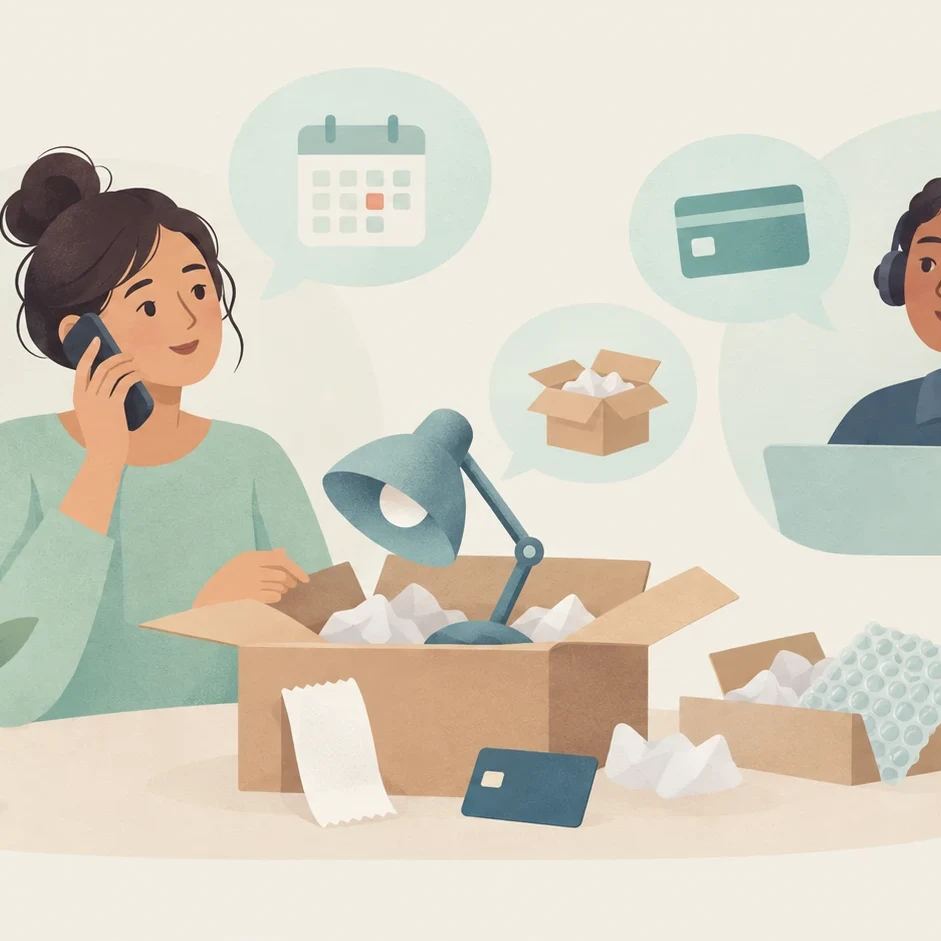
Returning an online order
A customer can return a faulty item even without its original box, but several other conditions still apply. Which requirements remain?
Start listening
Returning faulty headphones
The headphones work on one side, the paper receipt is missing, and the customer considers two remedies. Which solution is agreed?
Start listening
Root words: understand word parts
Start listening
Said or Told: Choose the Right Verb
Start listening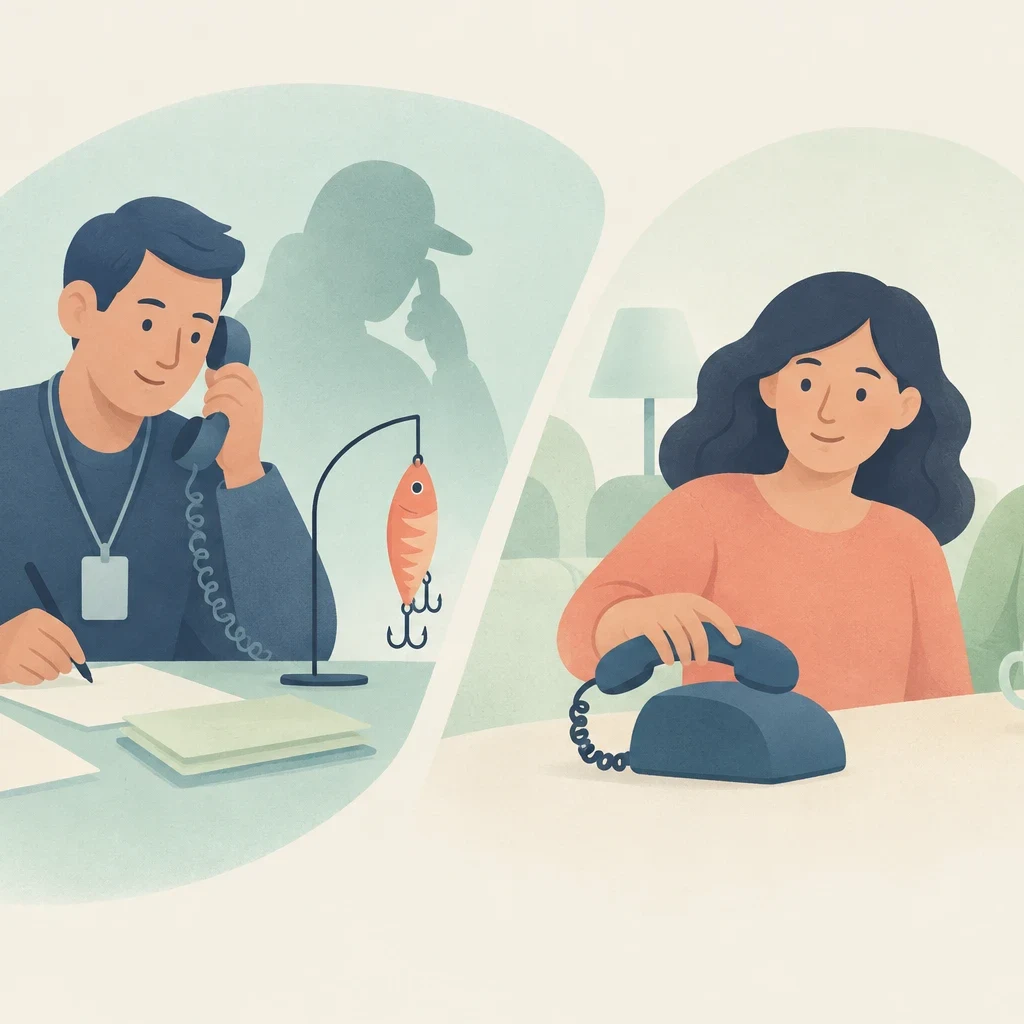
Scamming the scammers
The investigator replies to scammers, but says ordinary people should hang up. Why are those two actions not contradictory?
Start listening
Sentence fragments: repair and practice guide
Start listening
Setting Up a Café: Which Opposite Fits?
Start listening
Since or For: Choosing Time Words
Start listening
Singular Nouns: One Person or Thing
Start listening
Speak Clear English: Grammar for Daily Speech
Start listening
Speak English fluently: clear daily speaking steps
Start listening
Speaking in class: how to stay calm
Start listening
Spoken English exercises: everyday conversation practice
Start listening
Stative Verbs: Choosing the Correct Form
Start listening
Stubborn: meaning, tone, and alternatives
Start listening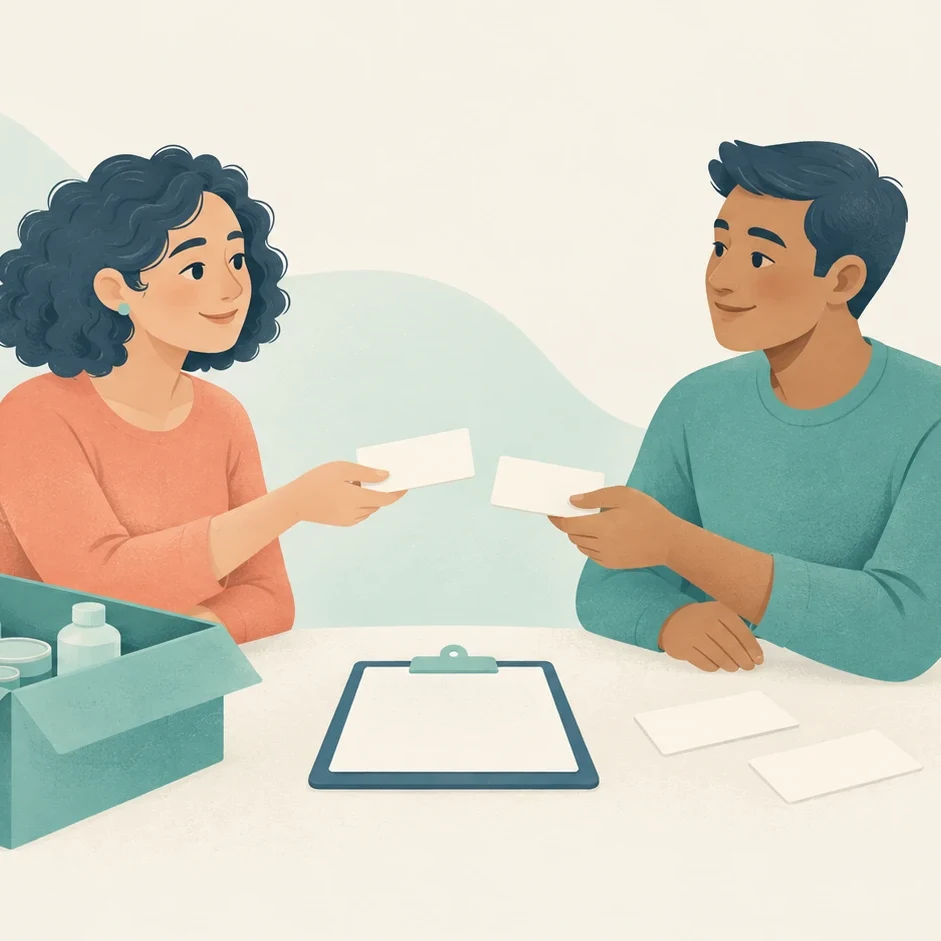
Swapping a volunteer shift
Two volunteers discuss three time slots before agreeing on one swap. Which times belong to the final arrangement?
Start listening
Synonyms in English: Choose the Right Word
Start listening
TOEFL Study Response: Explain What You Hear
Start listeningWhat this family trains
What to practise
Choose a topic and level. The instruction beside each recording tells you whether to write all the words or fill the gaps.
Follow the message without stopping at every unfamiliar word. On a second listen, look for the details that explain what happened.
Separate understanding from exact wording. You can understand a message and still need another listen to write it accurately.
Why it is hard to hear
What to listen for
A longer clip asks you to remember more words at once. Use replay or the sentence controls when available, then work through one part at a time.
In a dialogue, identify who is speaking and how each reply relates to the previous one. If a reply surprises you, replay the preceding turn as well.
Start here
Suggested starting points
Choose a level that fits you. You can return to the full list at any time.
Level progression
From B1 to C2
Check the lesson count at each level before choosing where to start.
- A1 3 lessons
- A2 25 lessons
-
B1
189 lessons
Begin with familiar topics. Catch the main point before writing the details.
-
B2
60 lessons
Listen for reasons, changes of plan, and the words that connect ideas.
-
C1
No lessons yet
Notice how speakers qualify a statement or suggest something indirectly.
-
C2
No lessons yet
Compare exact wording with intended meaning, including tone and implication.
Accent note
Compare the available voices
Use the voice choices available for each clip. A longer recording may have fewer accent options than a short dictation; check the label before playing.
Questions learners ask
Before you start
Why use short recordings?
You can replay a difficult part and compare it with the transcript in a short session. Use longer listening material too when you want to practise following an extended message.
Do I type the whole recording?
Follow the instruction above the answer field. A dictation asks for the words you hear; a gap-fill asks only for the missing words.
Can I slow the audio down?
Choose 0.75× for slower playback. Once you can hear the difficult part, try it again at 1×.
What does the number in a lesson title mean?
It identifies the lesson in the original MicroEnglish collection. It is not a score or a language level; use the level label when choosing a lesson.
Other families
Keep exploring
English idioms and listening practice
Read meanings and examples, then practise hearing idioms with dictation and word-by-word feedback.
Explore this family →Phrasal verb listening practice
Study phrasal verbs in context. Check meaning and word order, then try a recorded sentence.
Explore this family →Grammar listening practice
Read a grammar pattern and its examples, then listen for the form in a complete sentence.
Explore this family →Word focus: meaning and use
Study a word in context. Compare meanings and common combinations, then practise listening.
Explore this family →English listening tips and advice
Practical guidance on replay, hints, transcripts, and reviewing the words you missed.
Explore this family →English slang: meaning and context
A collection for informal English, with attention to meaning, setting, and tone. Check the list for available lessons.
Explore this family →