Turn up
Listen once, then type what you hear.
0:00
Read the transcript
You completed the real listening sample. Open the lesson to continue.
Follow a short everyday situation, then listen again for the words you missed. Start with a recording below or choose a B1 lesson from the library.
The first dictation is free to try without an account. Choose an available accent, listen and type the words you hear.
Listen once, then type what you hear.
0:00
You completed the real listening sample. Open the lesson to continue.
Start with arrival and meeting phrases. Open Turn up for different meanings, Bump into for an unexpected meeting, or Head back for returning somewhere. These are starting suggestions, not a placement test.
Listen for who is speaking, what happened and the main action. On the next replay, check small words around the verb. In turn up and bump into, the whole phrase carries the meaning.
After checking your answer, explain the sentence in your own words. If most of it is unfamiliar, read the meaning first and return to the recording. If you understood it, replay once at normal speed before moving on.

A driver can drop you off, you can drop off during the journey, and traffic can drop off after rush hour.
Start listening
Starting something does not guarantee finishing it; a student, runner or bidder may drop out before the end.
Start listening

One speaker thinks every adult must sleep exactly eight hours. The other replaces that fixed number with a range and practical daytime signs.
Start listening








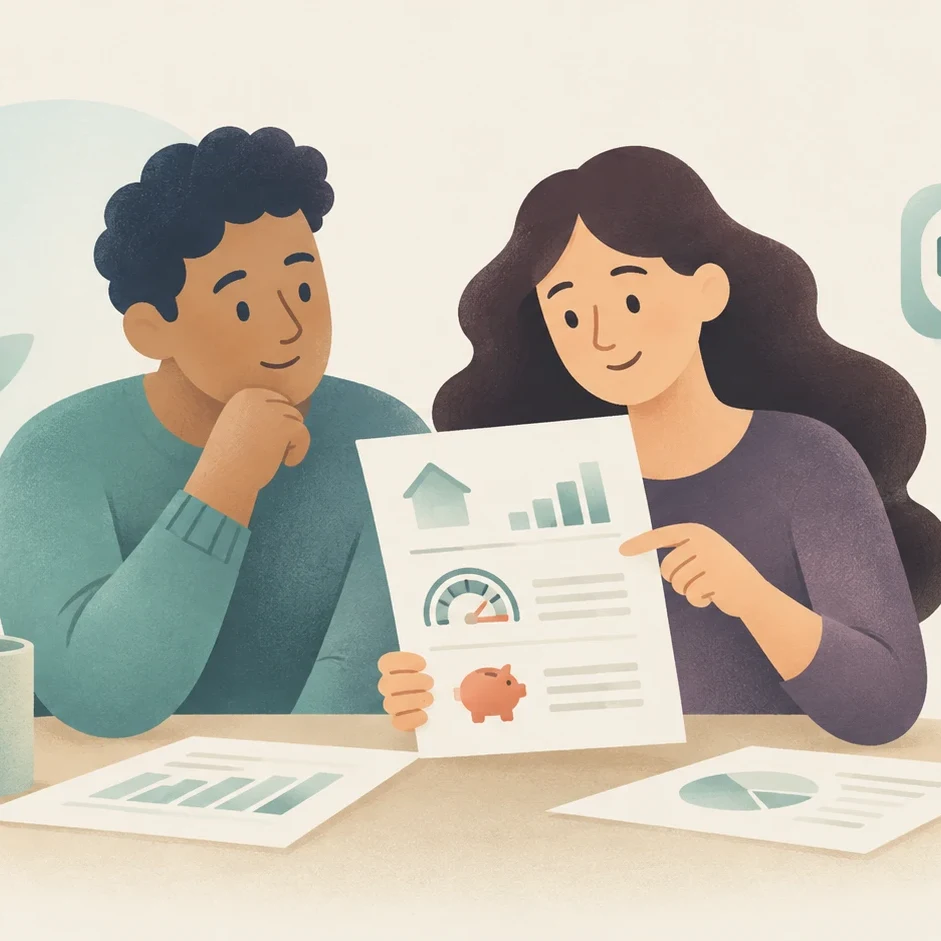
The large bill is based on an estimate, not the meter. After one number is corrected, does the customer still owe money?
Start listening
Ignoring a problem may delay a decision; facing up to it is the moment you accept that it is real.
Start listening

You can fill out an application with information, while a young person's face may naturally fill out over time.
Start listening
A new employee receives two required tasks and one optional invitation. Which action must happen before system access works?
Start listening
Four numbers describe the flat, but they do not all represent monthly costs. Can you label each amount and date correctly?
Start listeningNo. These lessons are grouped by their catalogue level. Use the examples and recordings to judge what you need to practice; completing a lesson does not certify your level.
Yes. Use the slower playback control when you need another listen, then return to normal speed when you can follow the sentence.
The first guided dictation in each lesson is available as a free sample. Other activities may require membership. The lesson shows what is available before you start.