Turn up
Listen once, then type what you hear.
0:00
Read the transcript
You completed the real listening sample. Open the lesson to continue.
Follow a short everyday situation, then listen again for the words you missed. Start with a recording below or choose a B1 lesson from the library.
The first dictation is free to try without an account. Choose an available accent, listen and type the words you hear.
Listen once, then type what you hear.
0:00
You completed the real listening sample. Open the lesson to continue.
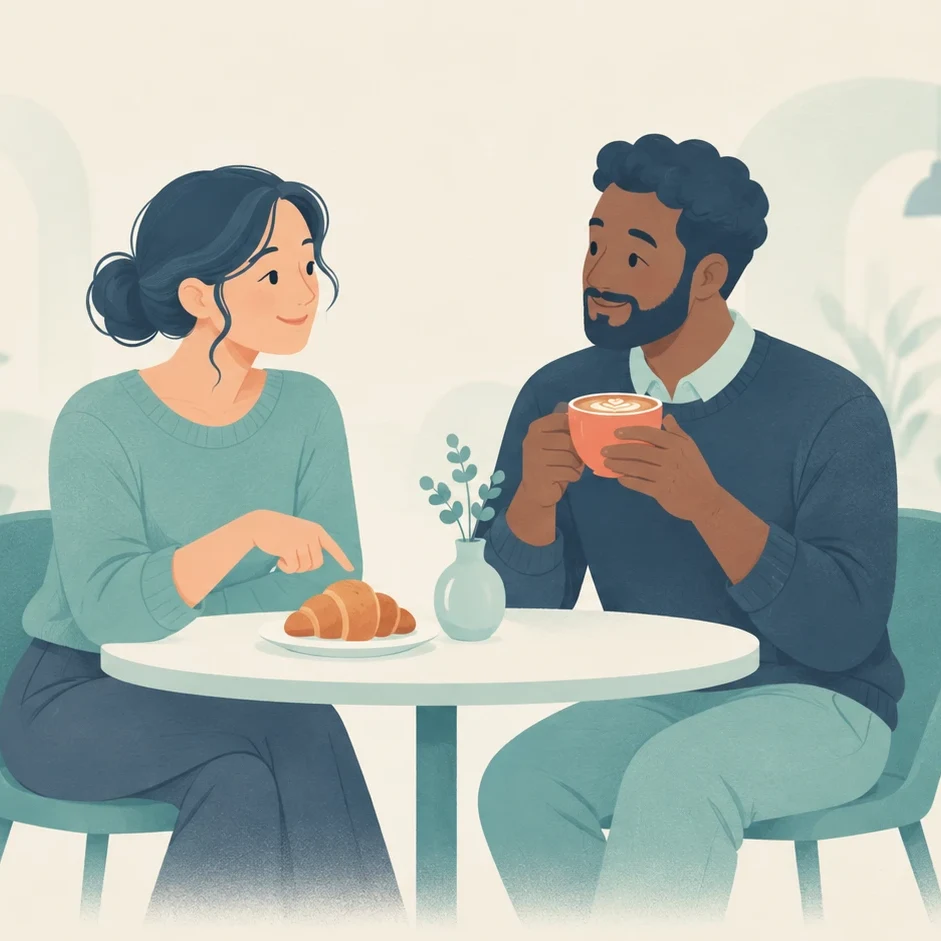
Start with arrival and meeting phrases. Open Turn up for different meanings, Bump into for an unexpected meeting, or Head back for returning somewhere. These are starting suggestions, not a placement test.
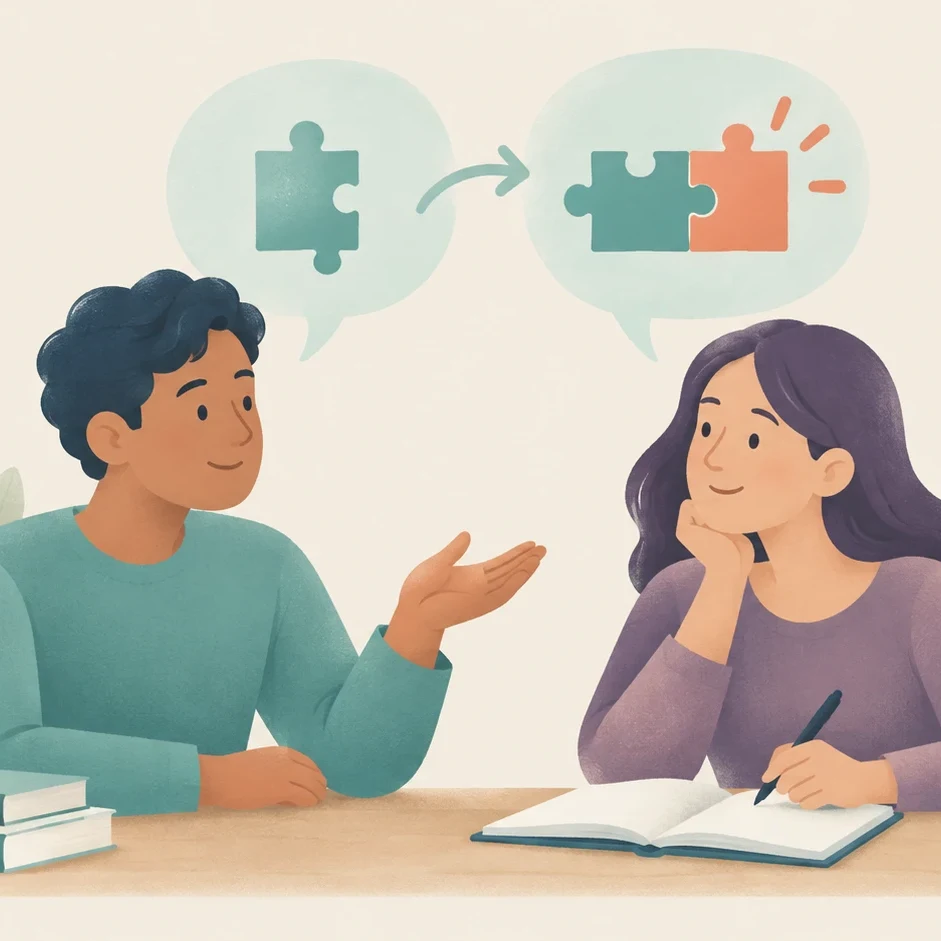
Listen for who is speaking, what happened and the main action. On the next replay, check small words around the verb. In turn up and bump into, the whole phrase carries the meaning.
After checking your answer, explain the sentence in your own words. If most of it is unfamiliar, read the meaning first and return to the recording. If you understood it, replay once at normal speed before moving on.
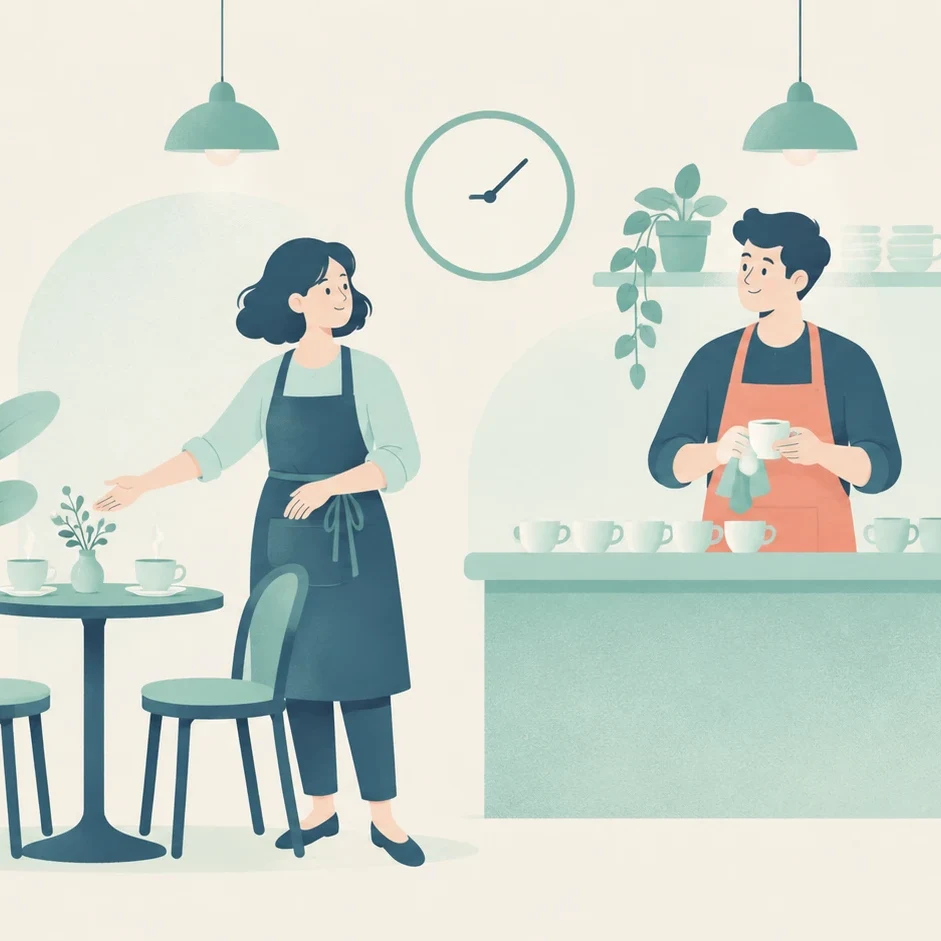

You have decided to travel, bought the ticket, and agreed to meet a friend. Does English describe all three parts of that plan in the same way?
Start listening
Use be going to when present evidence shows what will happen next, and use will when you share a personal belief or guess about the future.
Start listening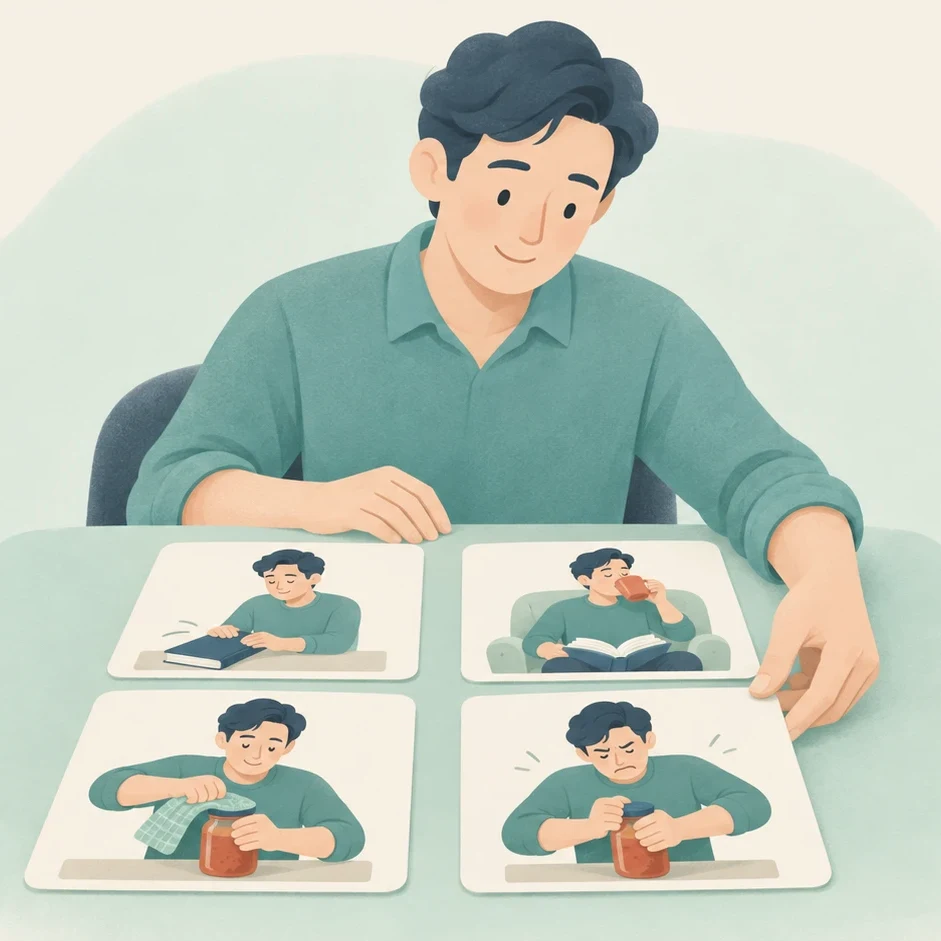
If you stop working and stop to work, have you ended the job or paused another activity so you can begin it?
Start listening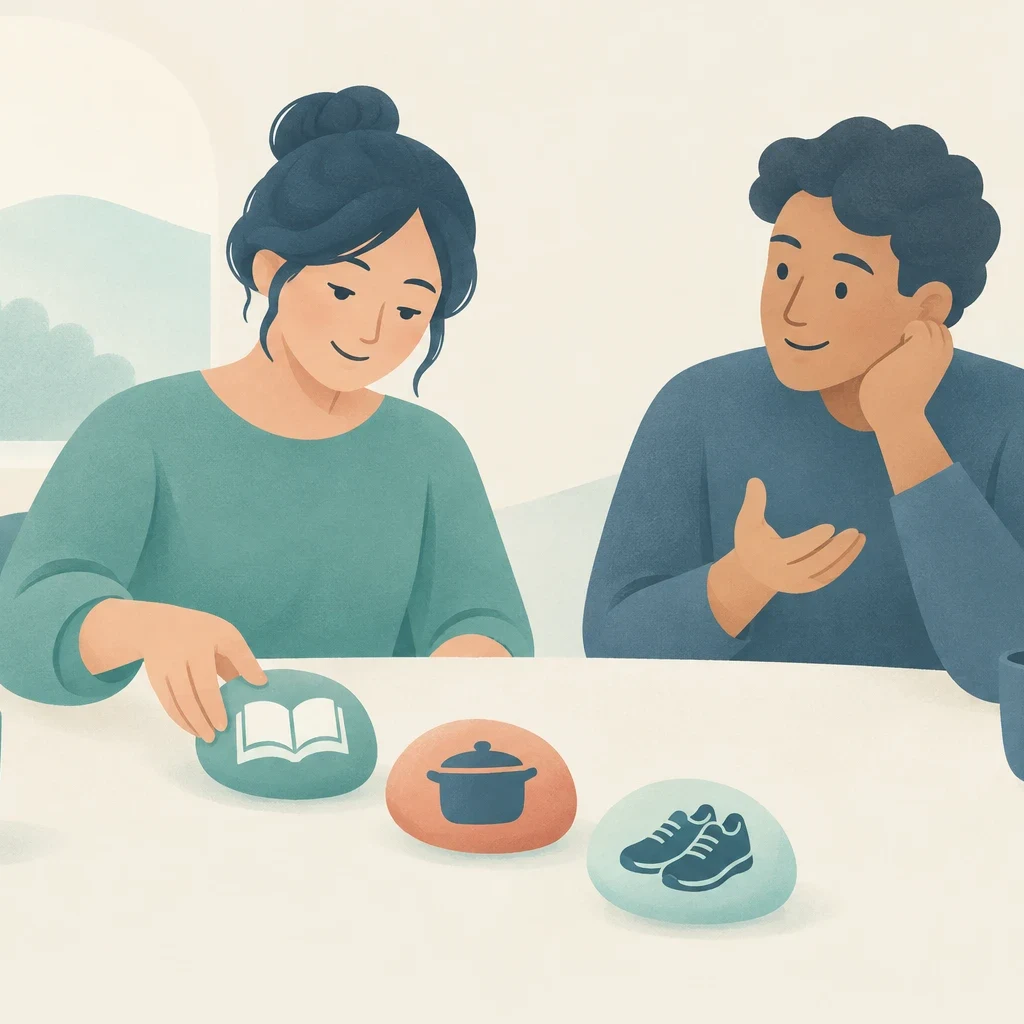
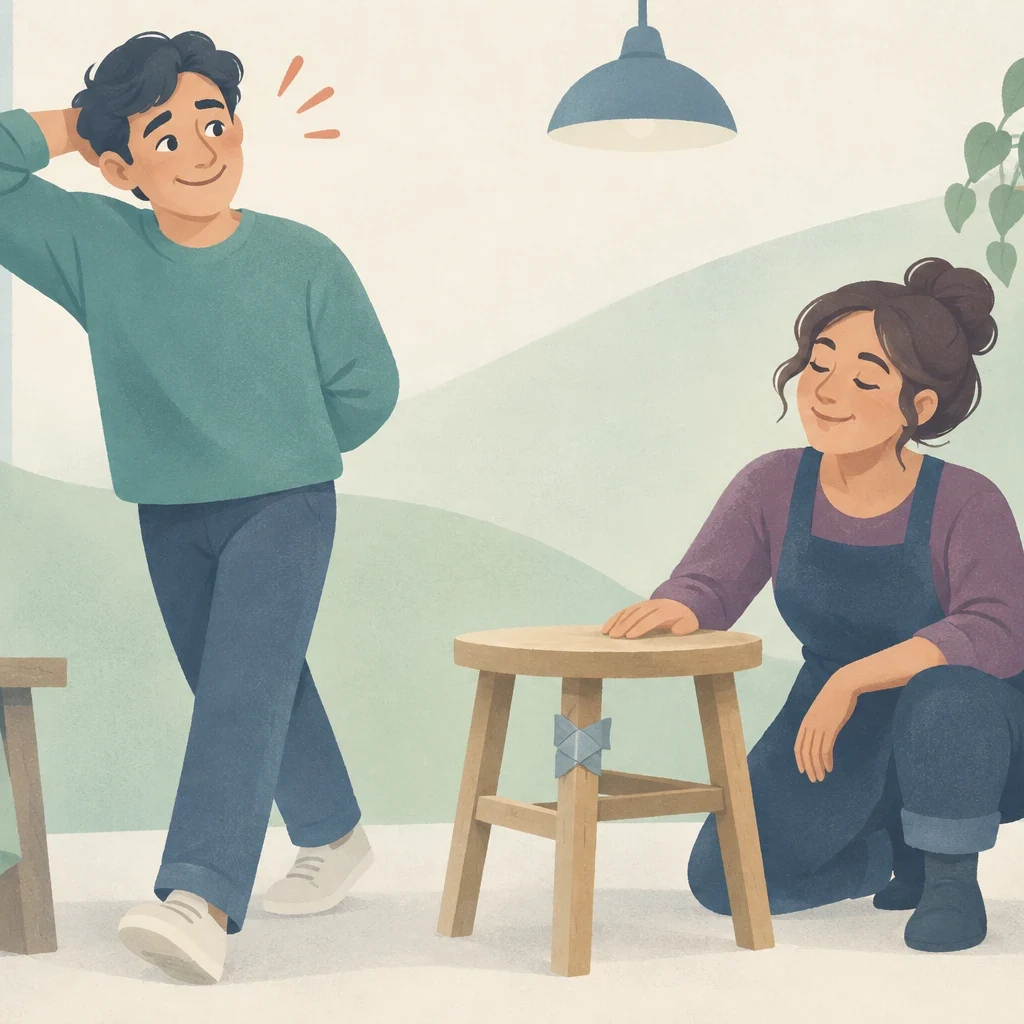
A person may break a rule without punishment, or use one coat of paint when two would be better. In both cases, they may get away with it.
Start listening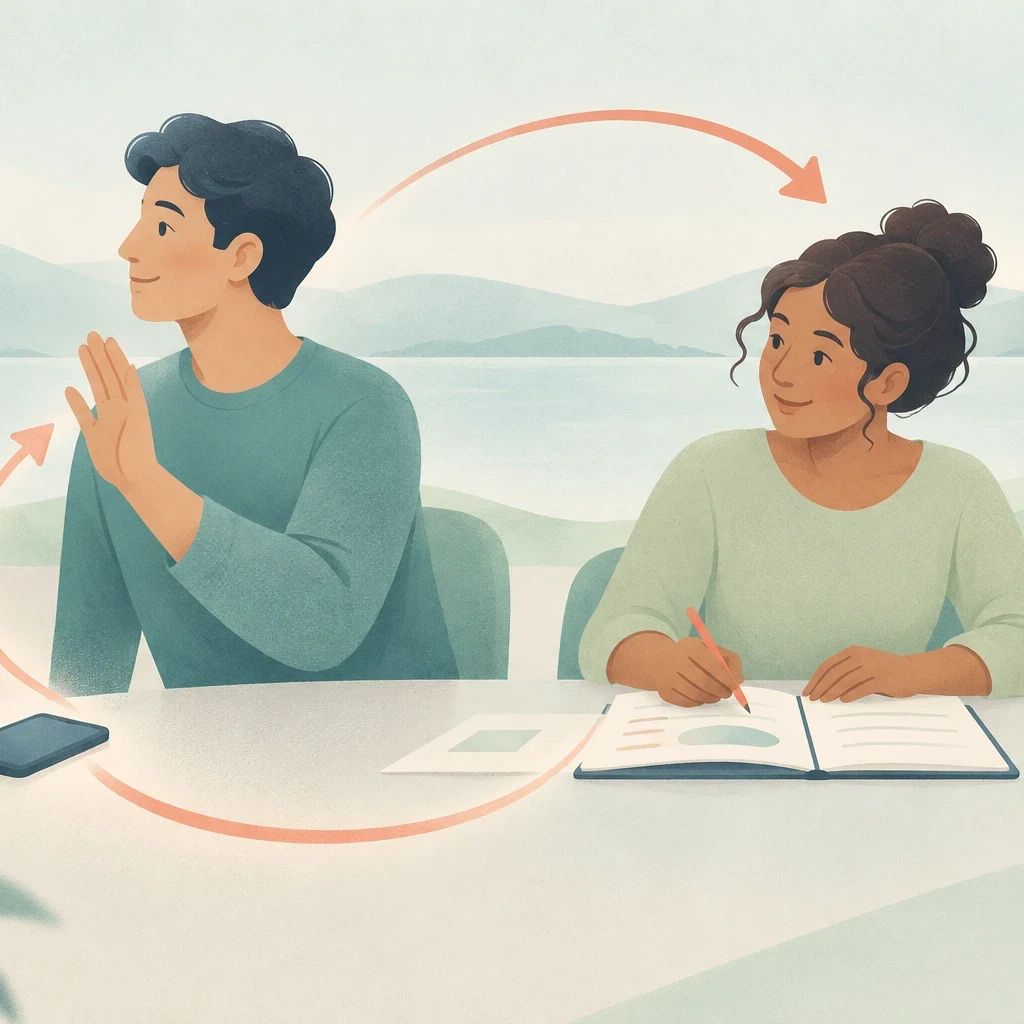
If you cannot answer now, you can get back to a person later. When the interruption ends, you can get back to the task.
Start listening
When you have less money, equipment or language than you would like but still manage, you get by.
Start listening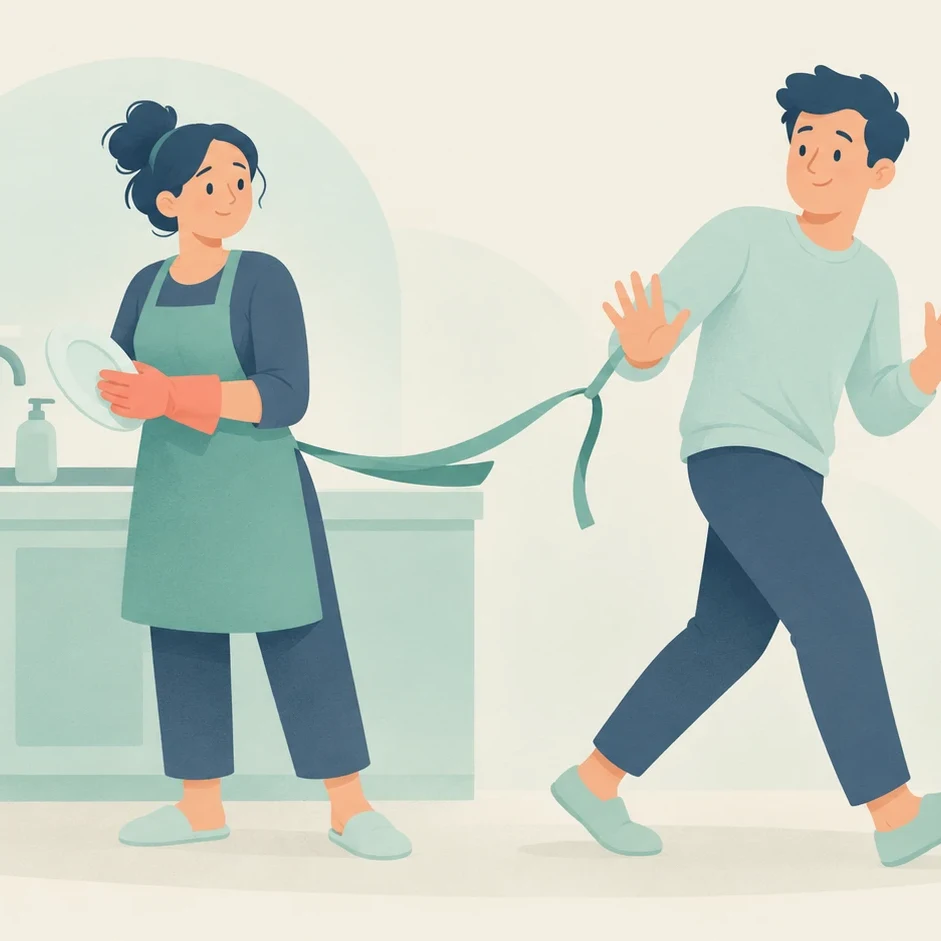
An excuse may help someone get out of a meeting, while a changed routine may help them get out of a bad habit.
Start listening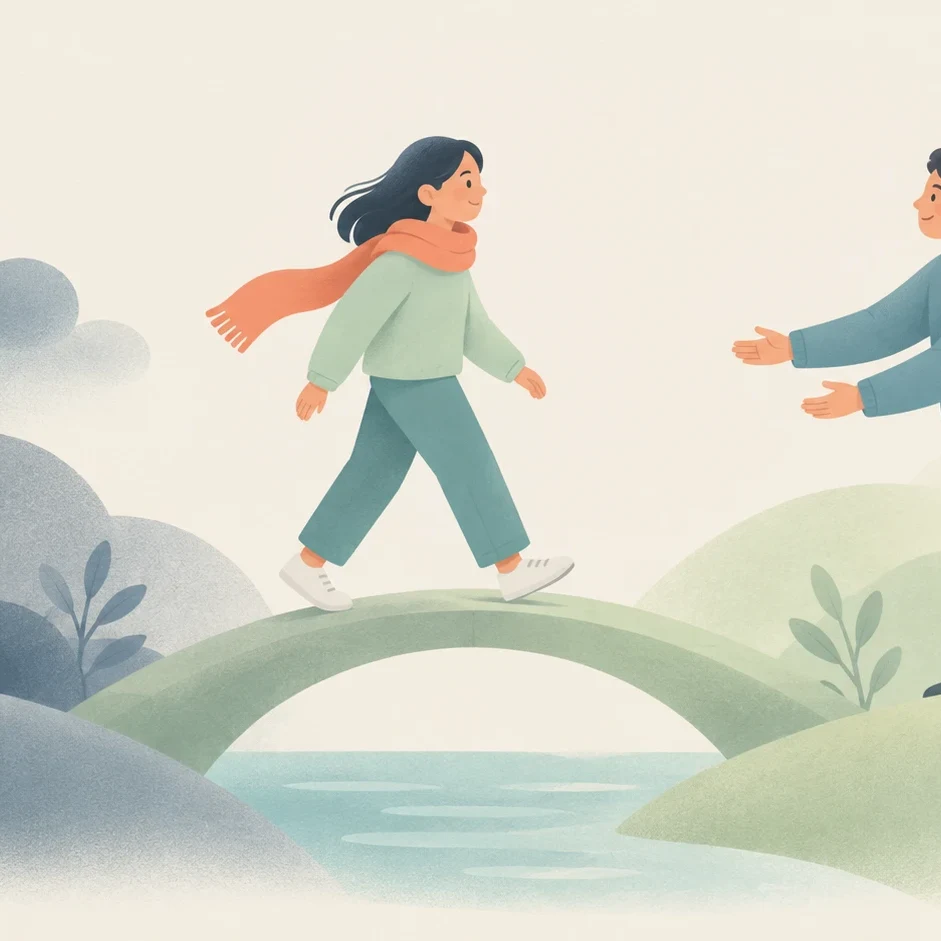
After an illness, disappointment or shock, feeling like yourself again can take time. That process is getting over it.
Start listening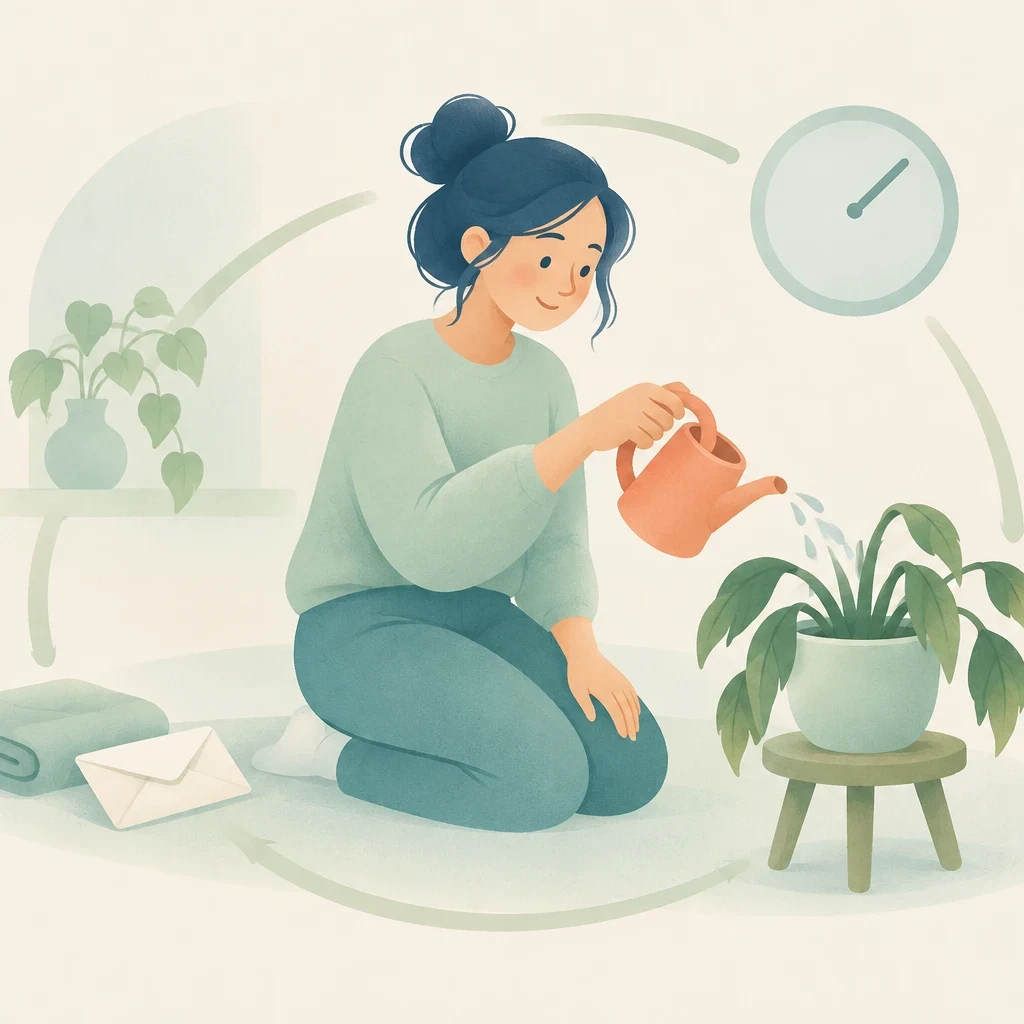
The task has stayed on your list for weeks. When you finally do it, you get round to it.
Start listening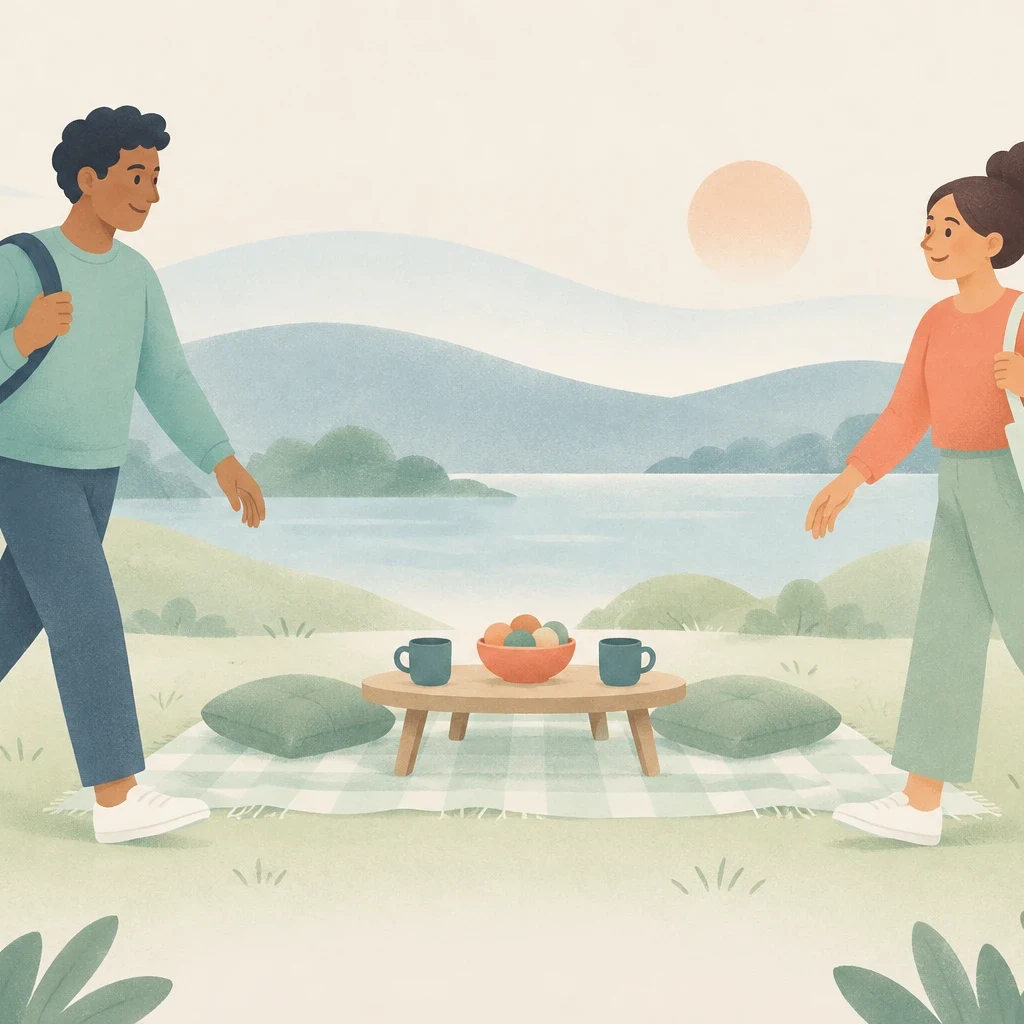
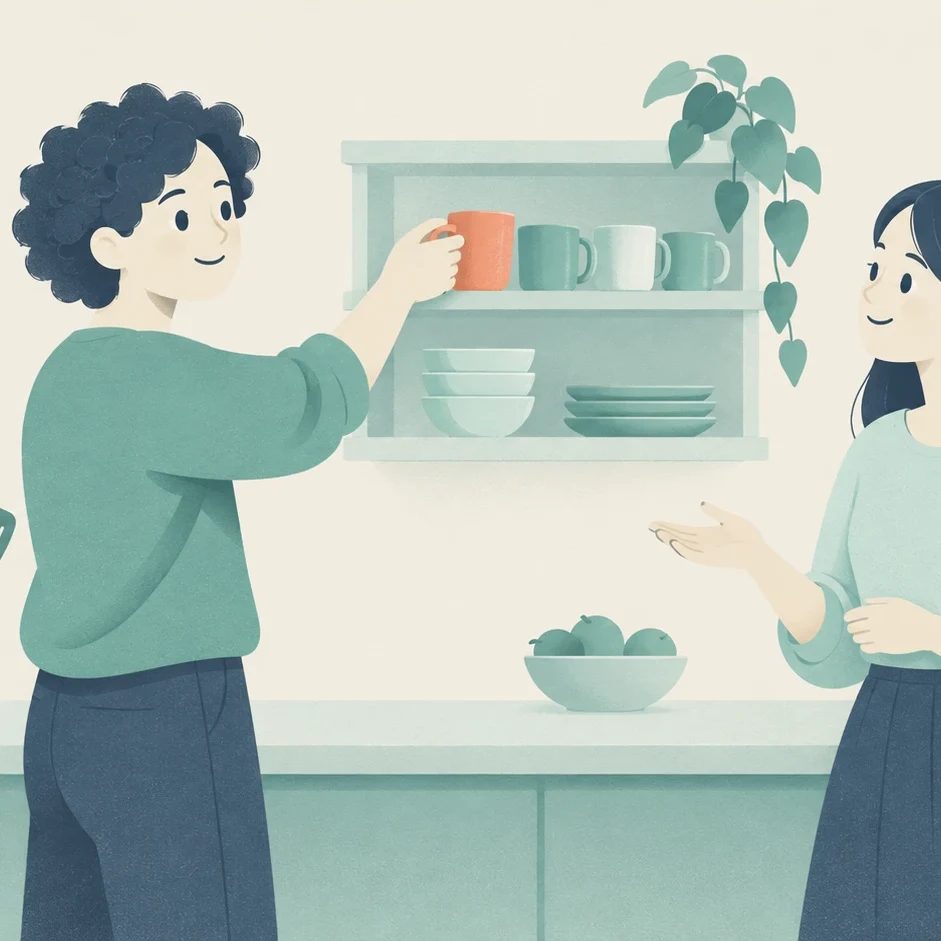
Friends get together for lunch, while two people who get together may also be starting a relationship. Context prevents awkward misunderstandings.
Start listening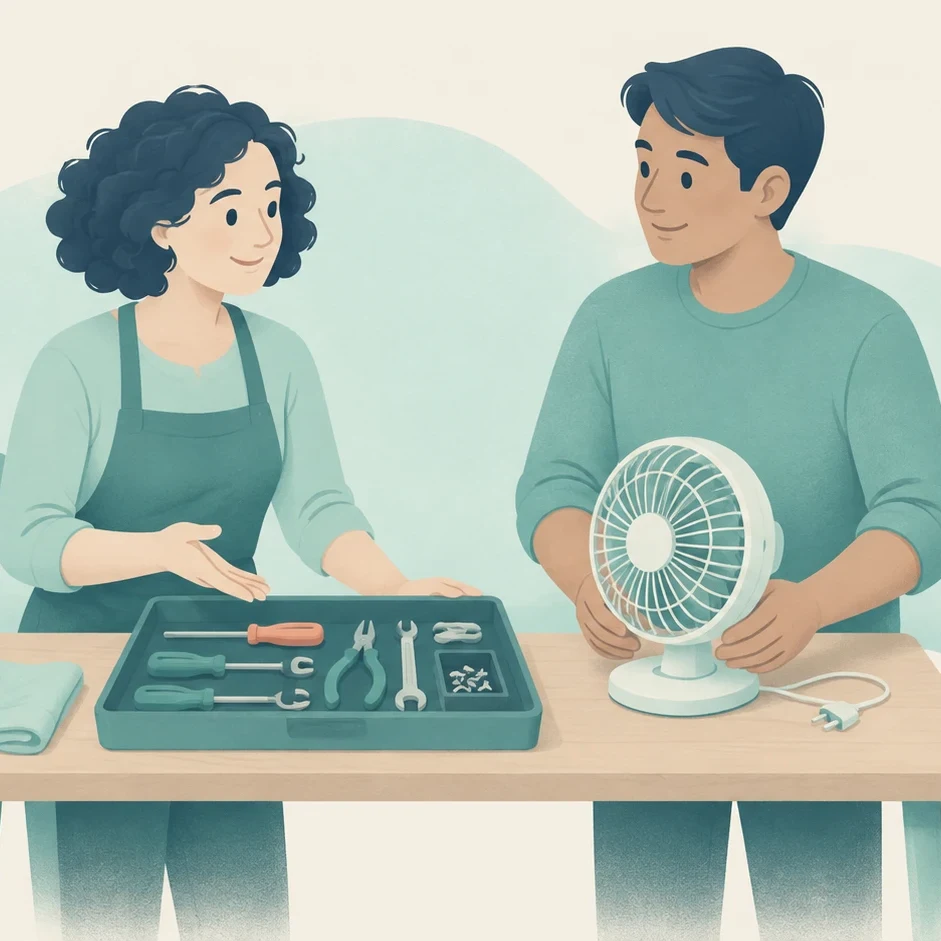

A shop can give away samples, while your smile can give away a secret. The same phrasal verb changes meaning with its object and situation.
Start listening
Prices can go down, a website can go down, and the sun goes down every evening. The subject tells you what kind of change happened.
Start listening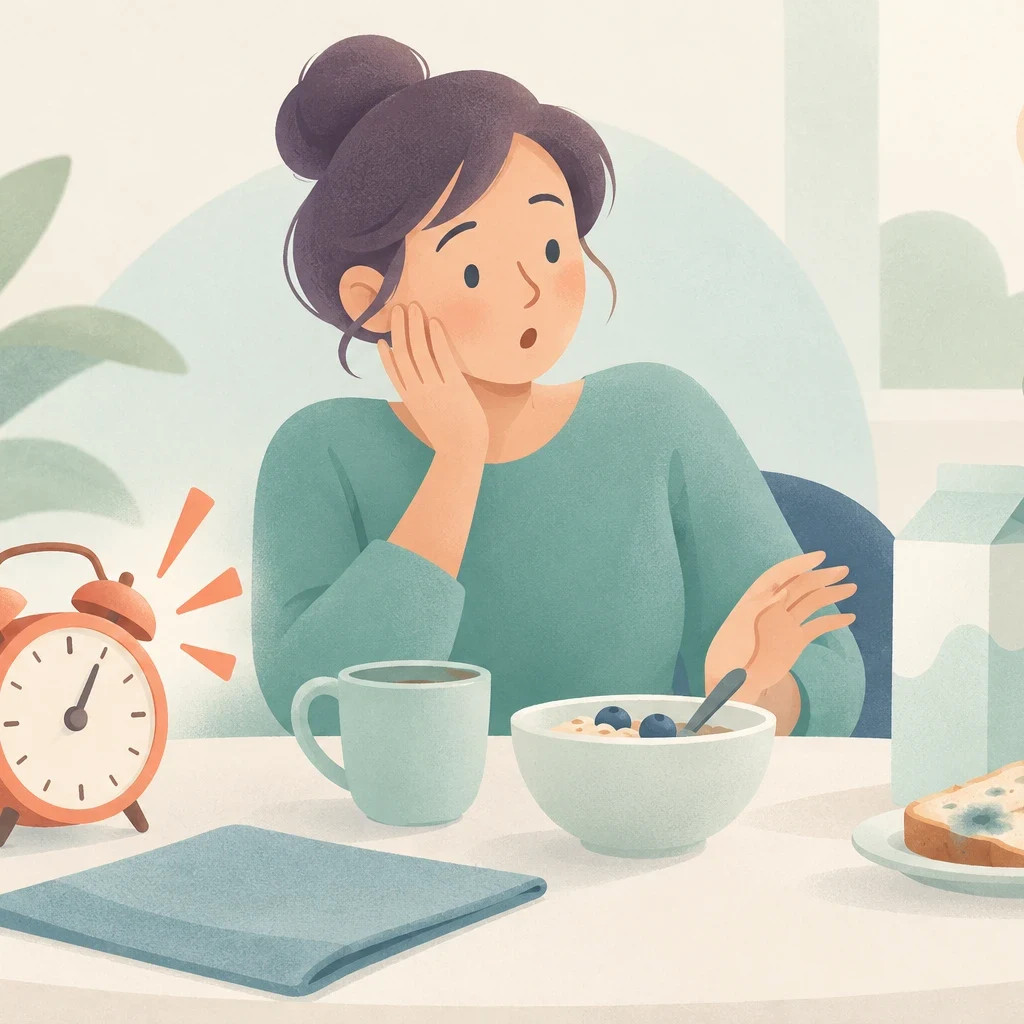
An alarm goes off when it starts making noise, but a light goes off when it stops working. The subject reverses what the same words seem to mean.
Start listening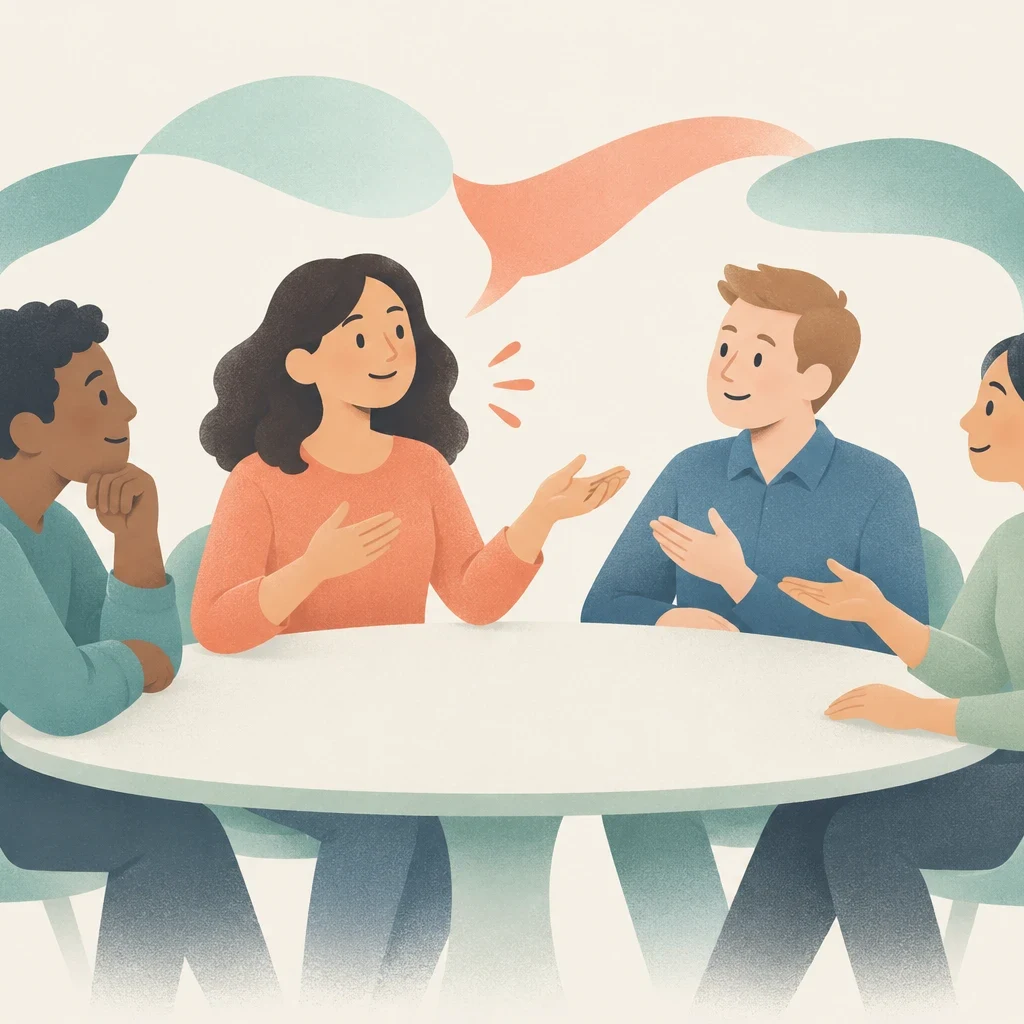

Two people can still care about each other yet slowly share less of their lives. Grow apart names that gradual distance without blaming either person.
Start listening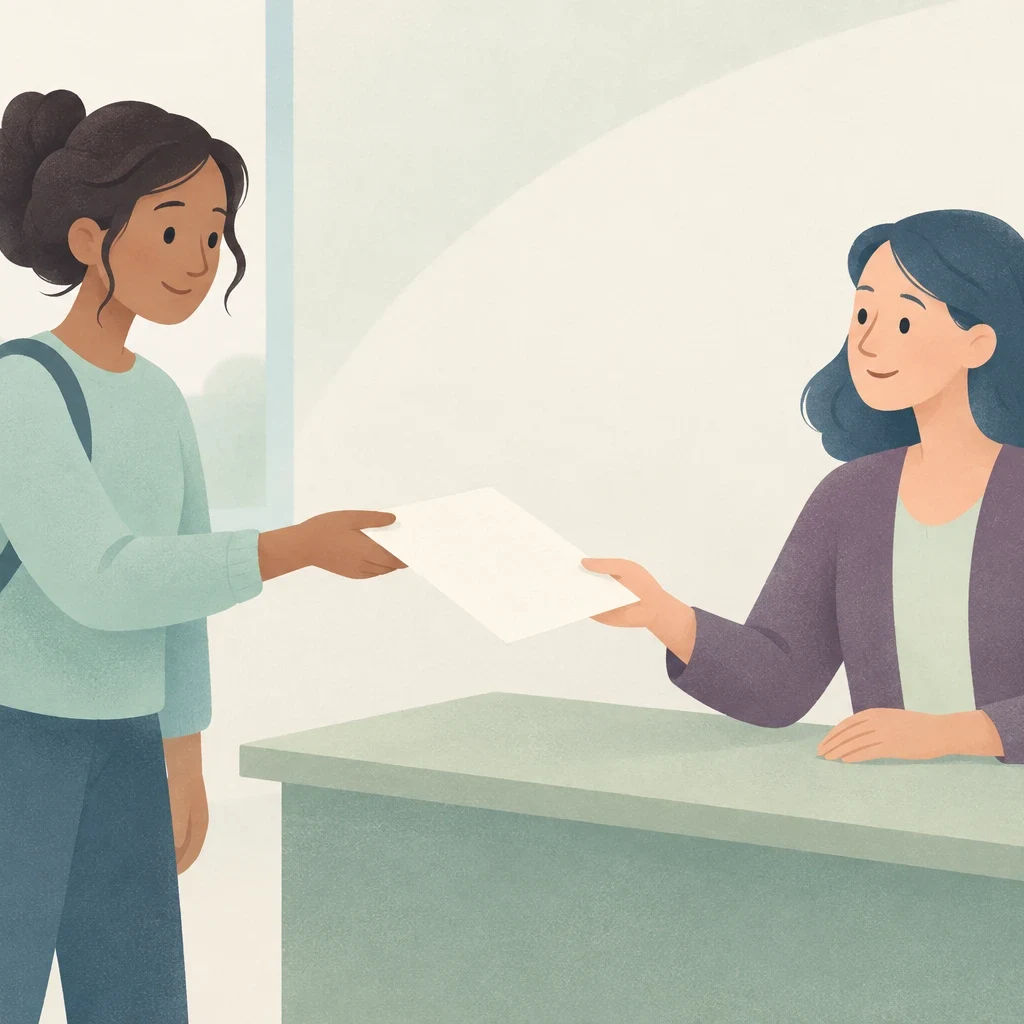
Finishing an assignment is not the final step. You still have to hand it in so the responsible person officially receives it.
Start listening
No. These lessons are grouped by their catalogue level. Use the examples and recordings to judge what you need to practice; completing a lesson does not certify your level.
Yes. Use the slower playback control when you need another listen, then return to normal speed when you can follow the sentence.
The first guided dictation in each lesson is available as a free sample. Other activities may require membership. The lesson shows what is available before you start.