Turn up
Escucha una vez, luego escribe lo que oigas.
0:00
Read the transcript
Completaste la muestra de escucha real. Abre la lección para continuar.
Sigue una situación cotidiana corta, luego escucha de nuevo las palabras que te perdiste. Comienza con una grabación a continuación o elige una lección B1 de la biblioteca.
El primer dictado es gratis para probar sin cuenta. Elige un acento disponible, escucha y escribe las palabras que oigas.
Escucha una vez, luego escribe lo que oigas.
0:00
Completaste la muestra de escucha real. Abre la lección para continuar.
Empieza con frases de llegada y encuentro. Abre "Turn up" para diferentes significados, "Bump into" para un encuentro inesperado, o "Head back" para volver a algún sitio. Son sugerencias iniciales, no una prueba de nivel.
Presta atención a quién habla, qué pasó y la acción principal. En la siguiente repetición, fíjate en las palabras pequeñas alrededor del verbo. En "turn up" y "bump into", toda la frase transmite el significado.
Después de comprobar tu respuesta, explica la frase con tus propias palabras. Si la mayor parte no te resulta familiar, lee primero el significado y vuelve a la grabación. Si la entendiste, repite una vez a velocidad normal antes de continuar.
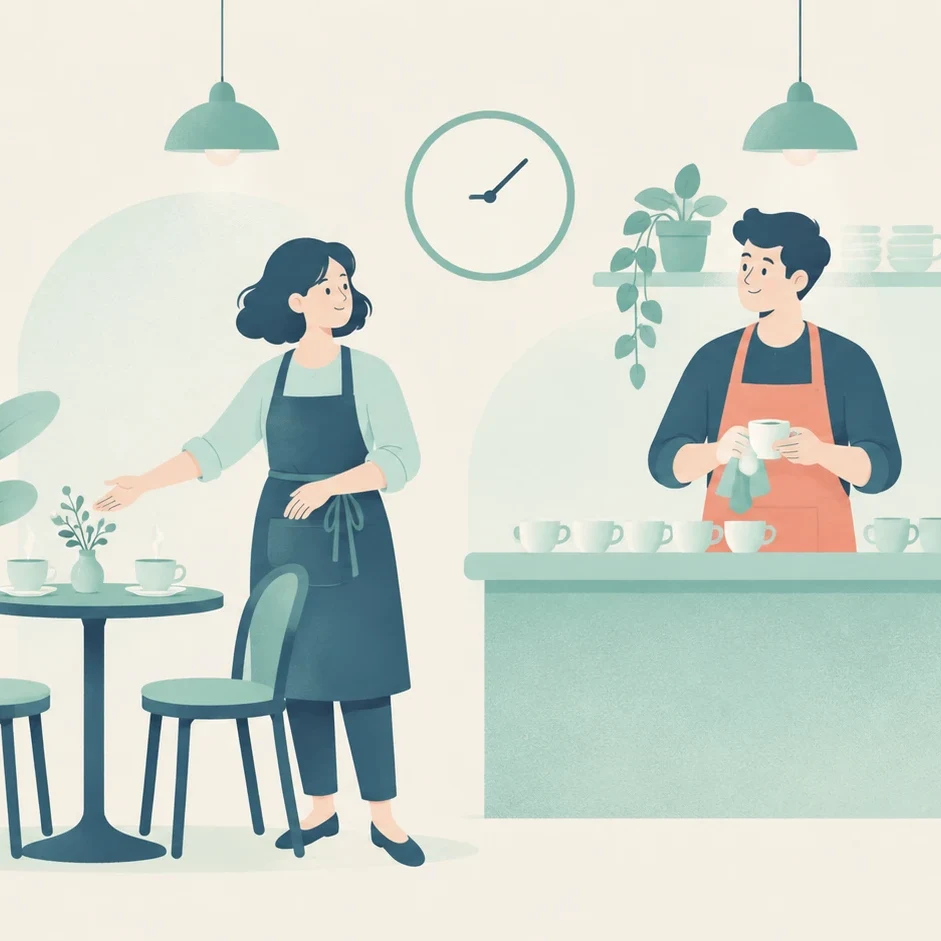

You have decided to travel, bought the ticket, and agreed to meet a friend. Does English describe all three parts of that plan in the same way?
Empezar a escuchar
Use be going to when present evidence shows what will happen next, and use will when you share a personal belief or guess about the future.
Empezar a escuchar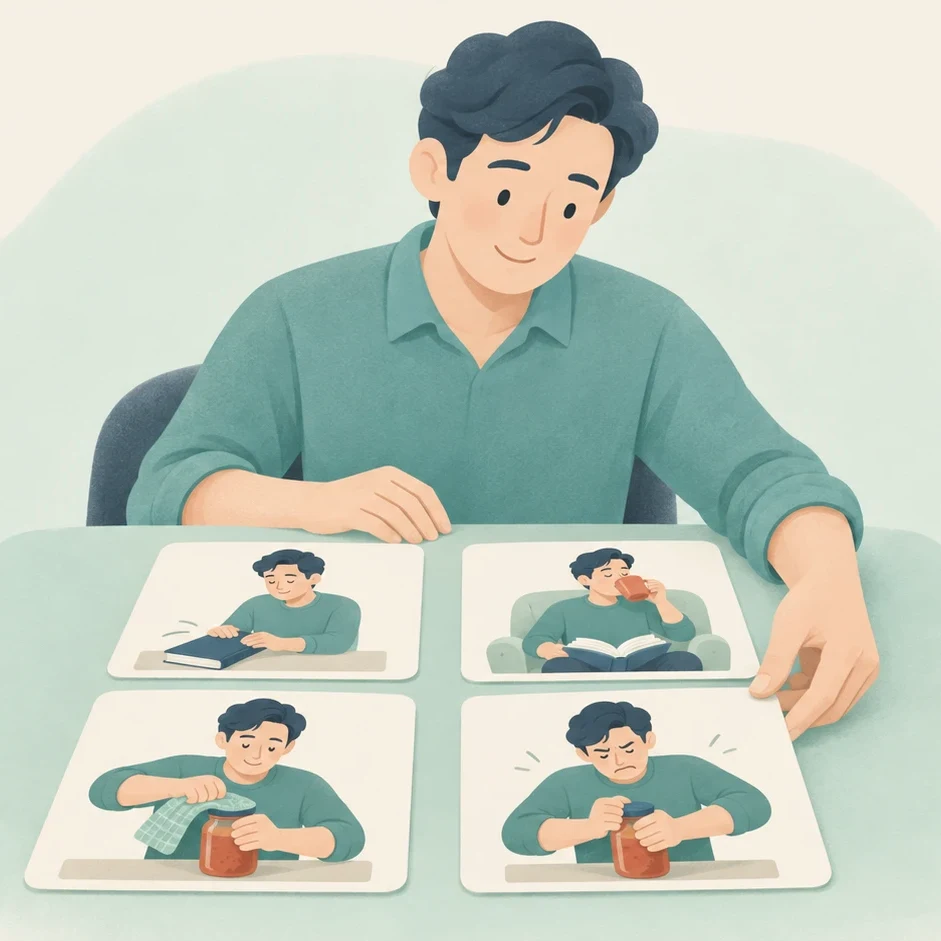
If you stop working and stop to work, have you ended the job or paused another activity so you can begin it?
Empezar a escuchar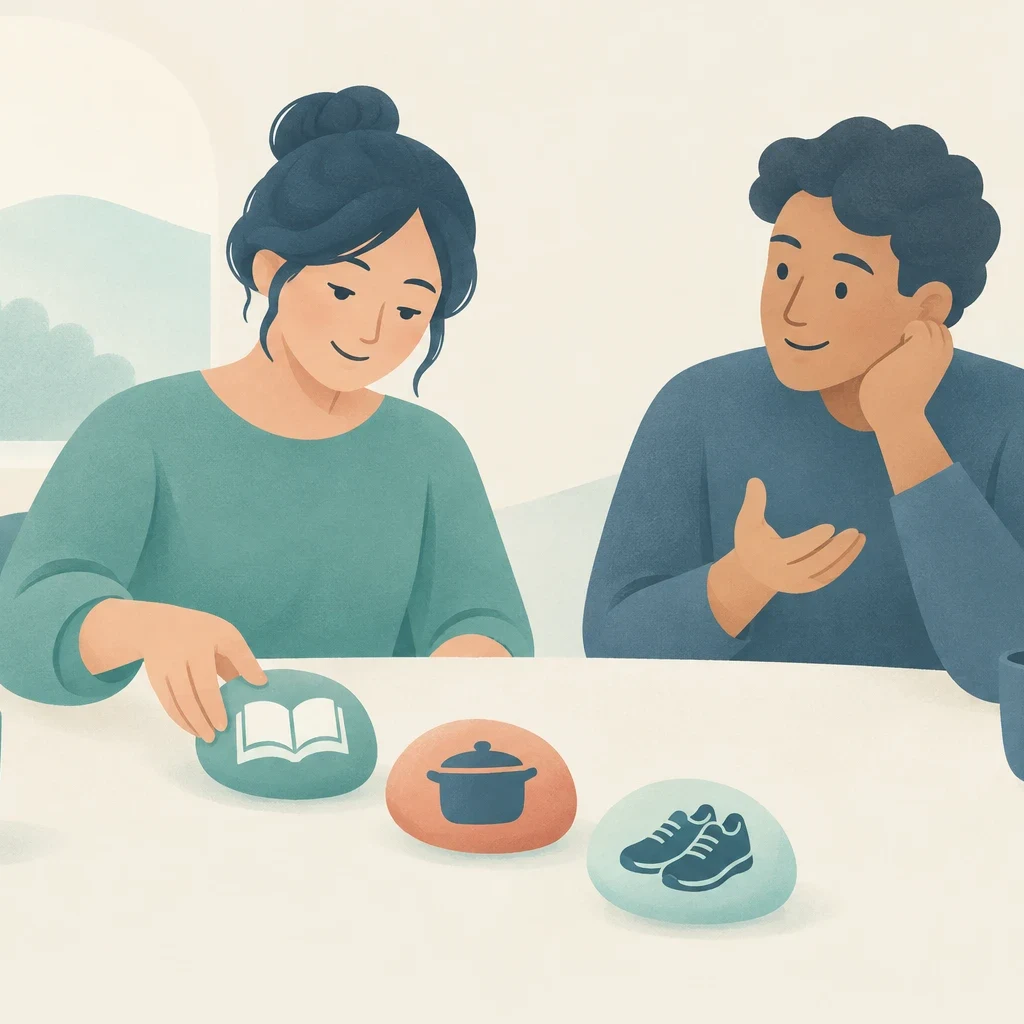
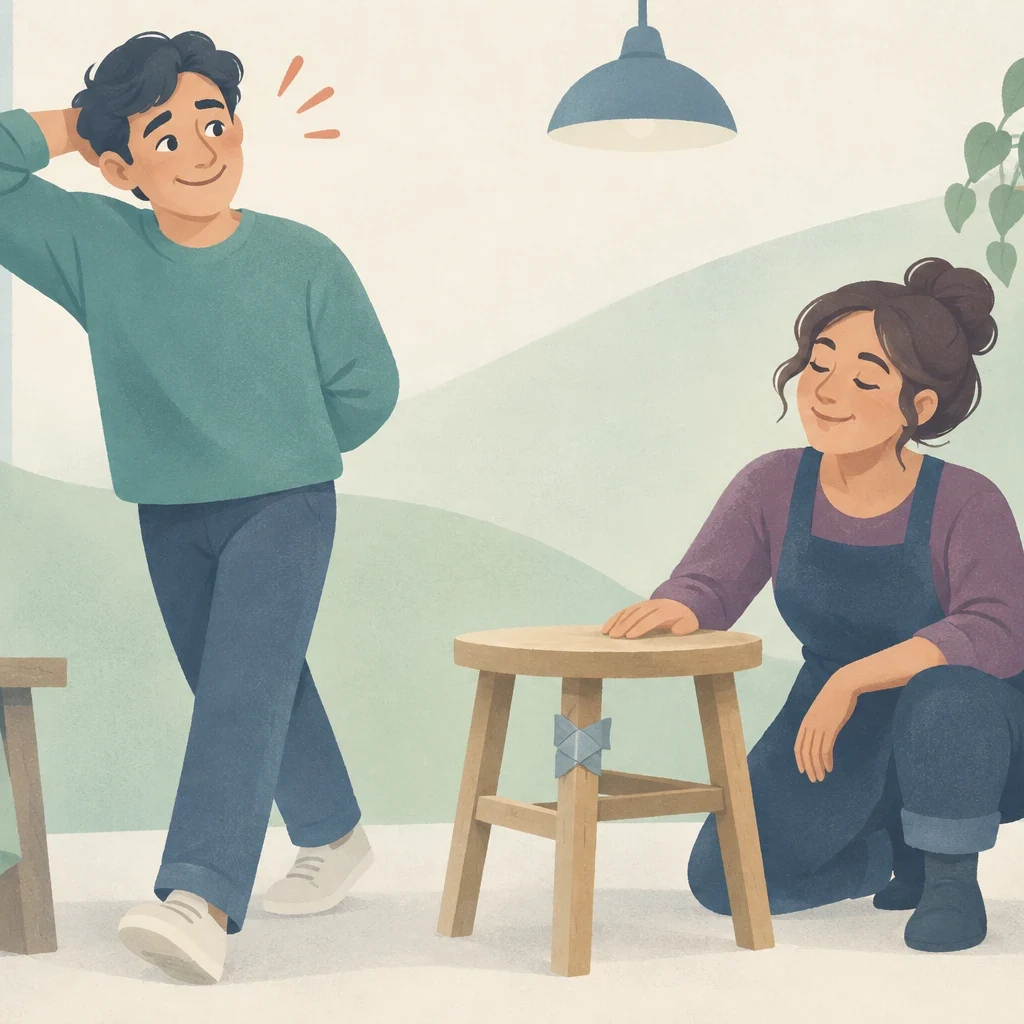
A person may break a rule without punishment, or use one coat of paint when two would be better. In both cases, they may get away with it.
Empezar a escuchar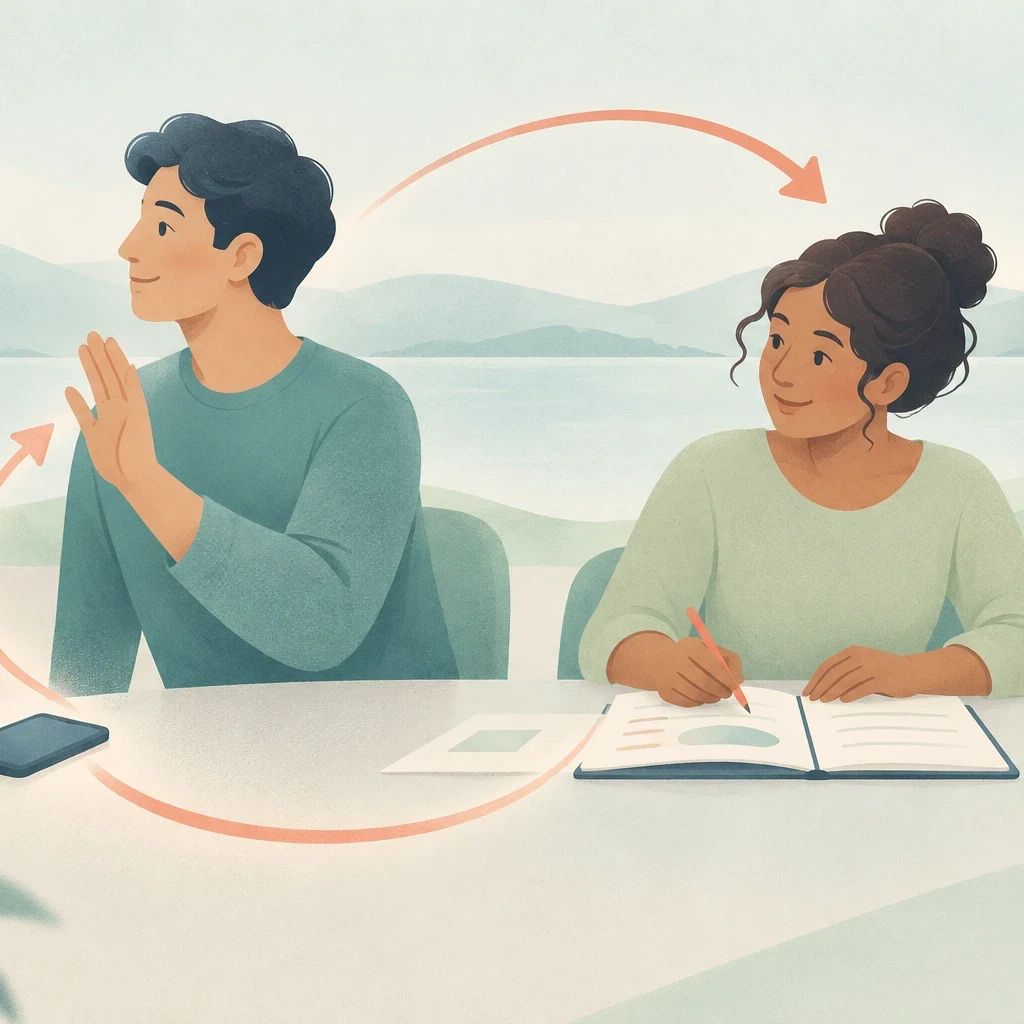
If you cannot answer now, you can get back to a person later. When the interruption ends, you can get back to the task.
Empezar a escuchar
When you have less money, equipment or language than you would like but still manage, you get by.
Empezar a escuchar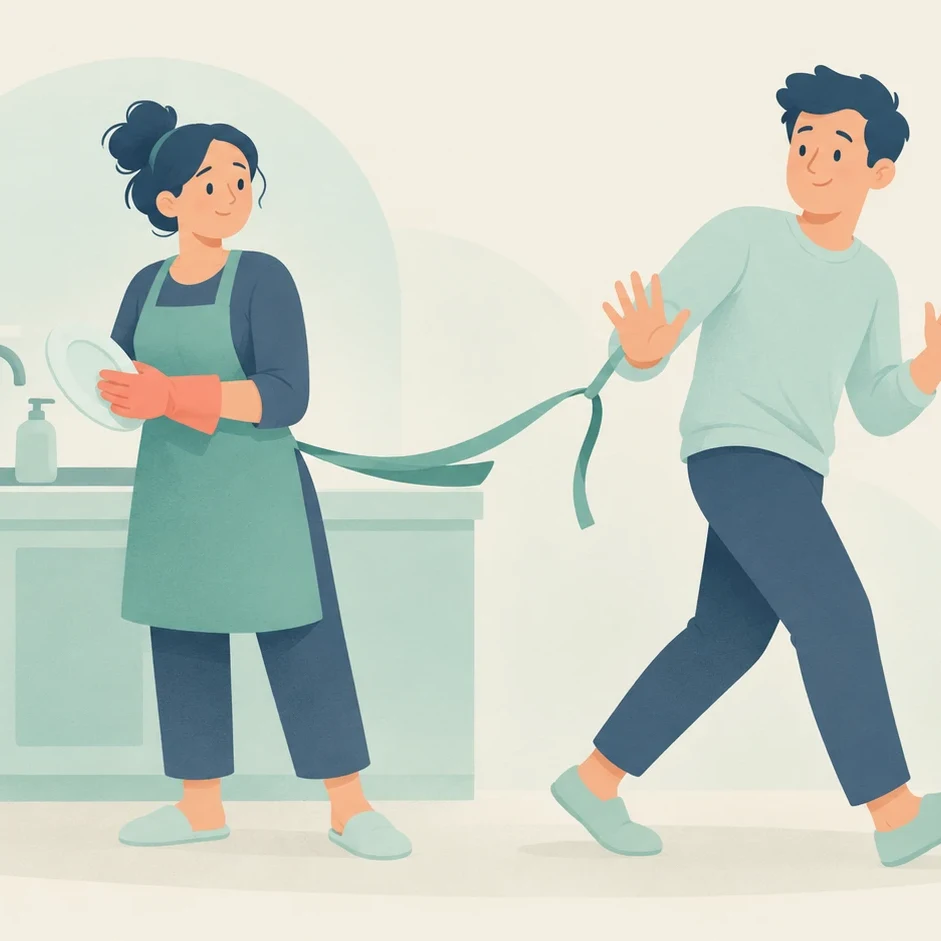
An excuse may help someone get out of a meeting, while a changed routine may help them get out of a bad habit.
Empezar a escuchar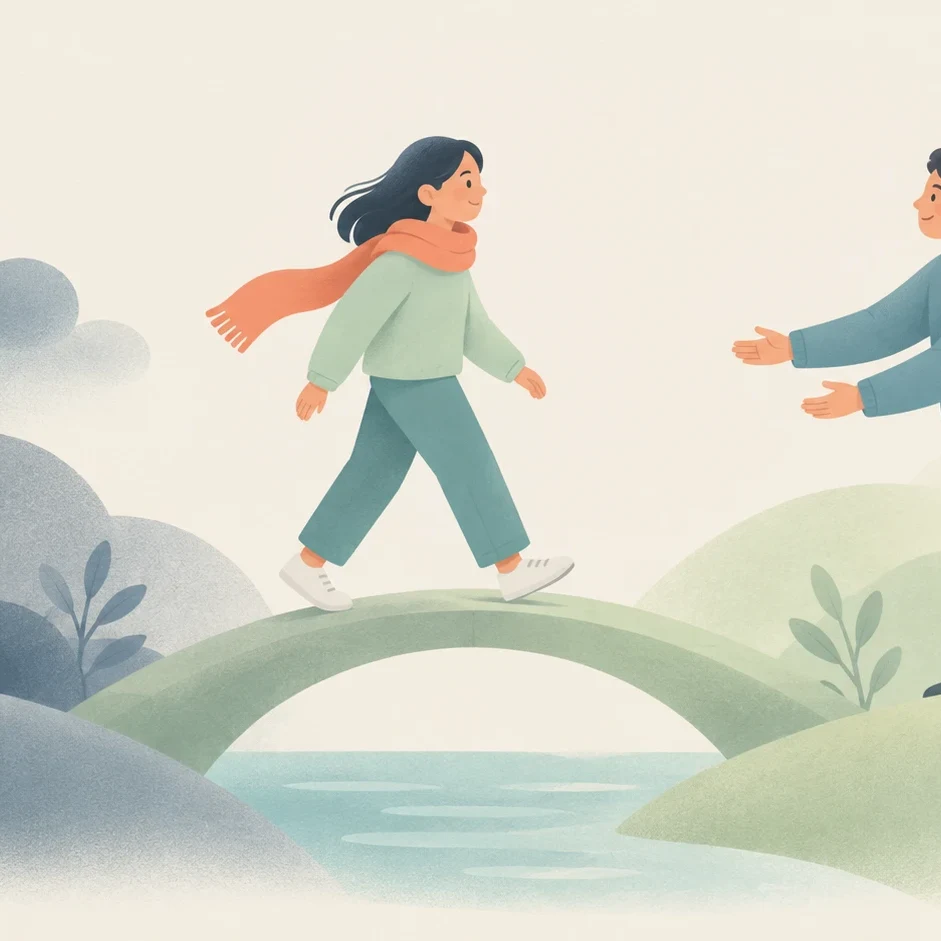
After an illness, disappointment or shock, feeling like yourself again can take time. That process is getting over it.
Empezar a escuchar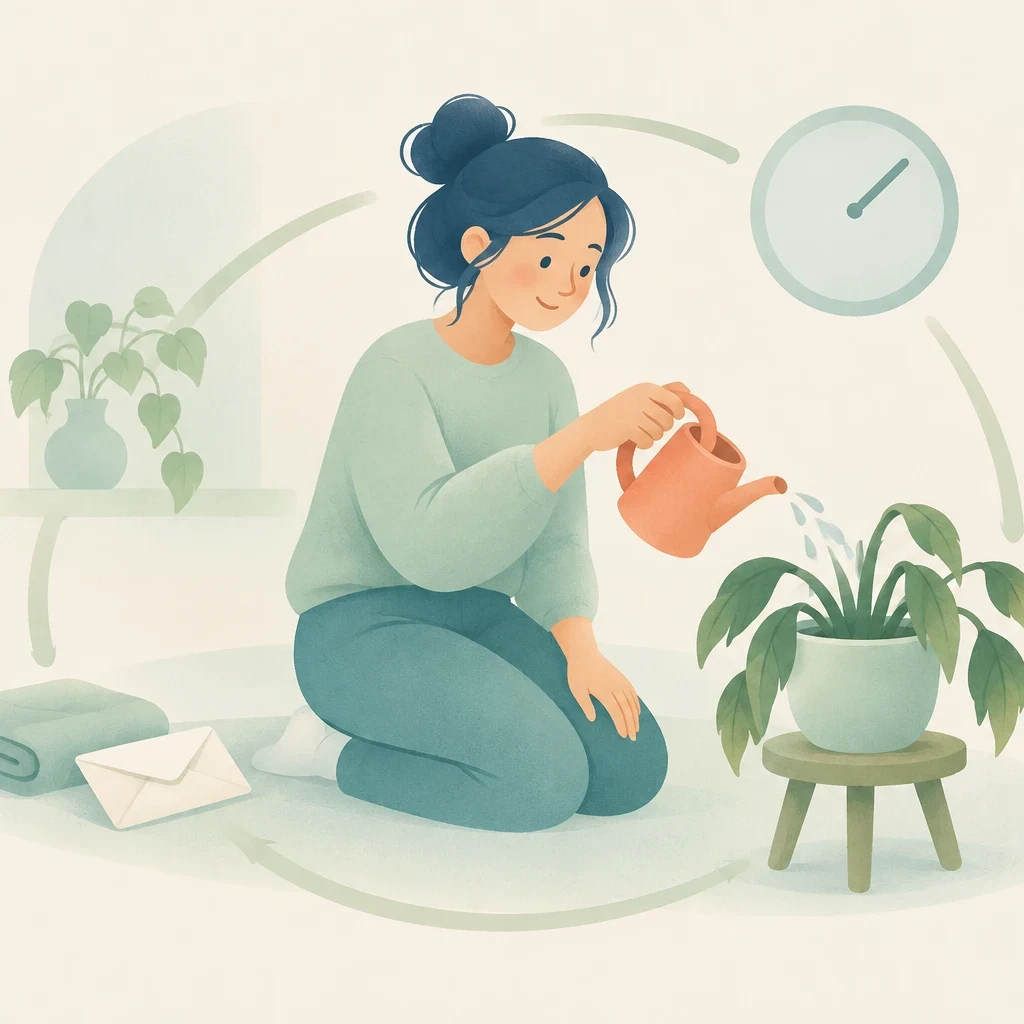
The task has stayed on your list for weeks. When you finally do it, you get round to it.
Empezar a escuchar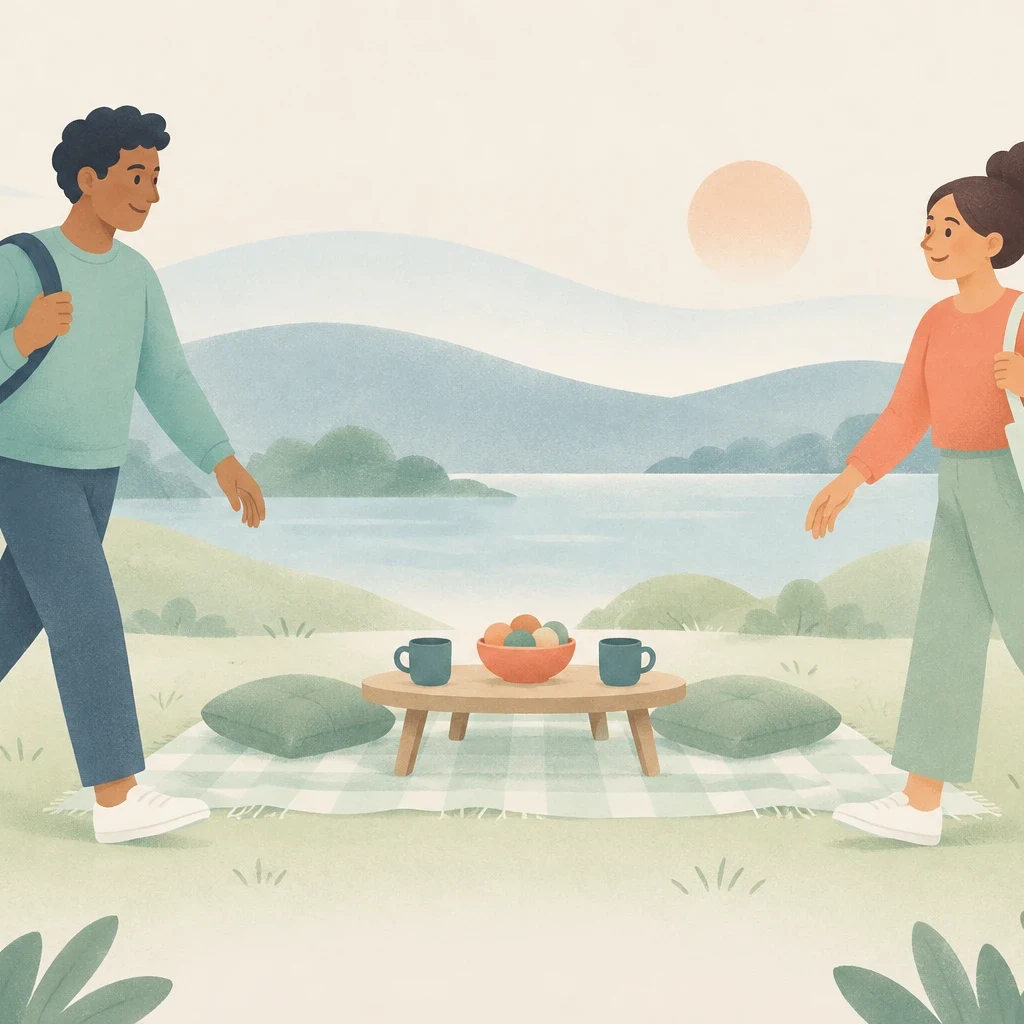
Friends get together for lunch, while two people who get together may also be starting a relationship. Context prevents awkward misunderstandings.
Empezar a escuchar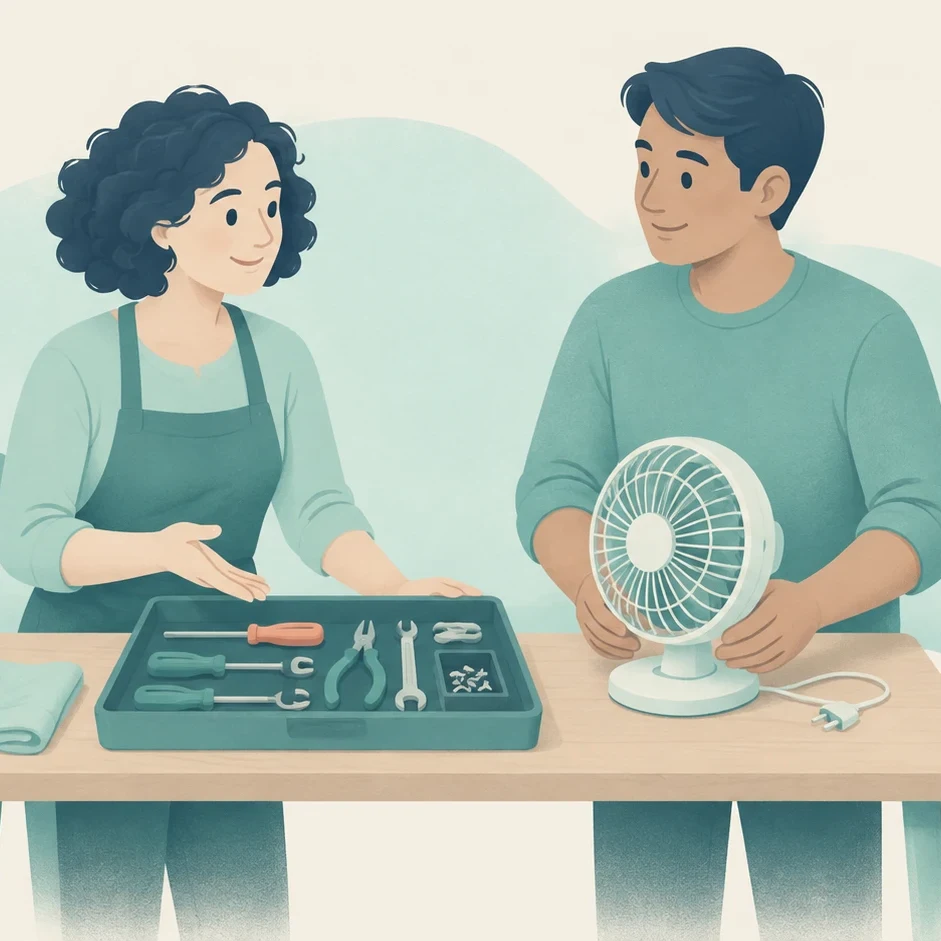

A shop can give away samples, while your smile can give away a secret. The same phrasal verb changes meaning with its object and situation.
Empezar a escuchar
Prices can go down, a website can go down, and the sun goes down every evening. The subject tells you what kind of change happened.
Empezar a escuchar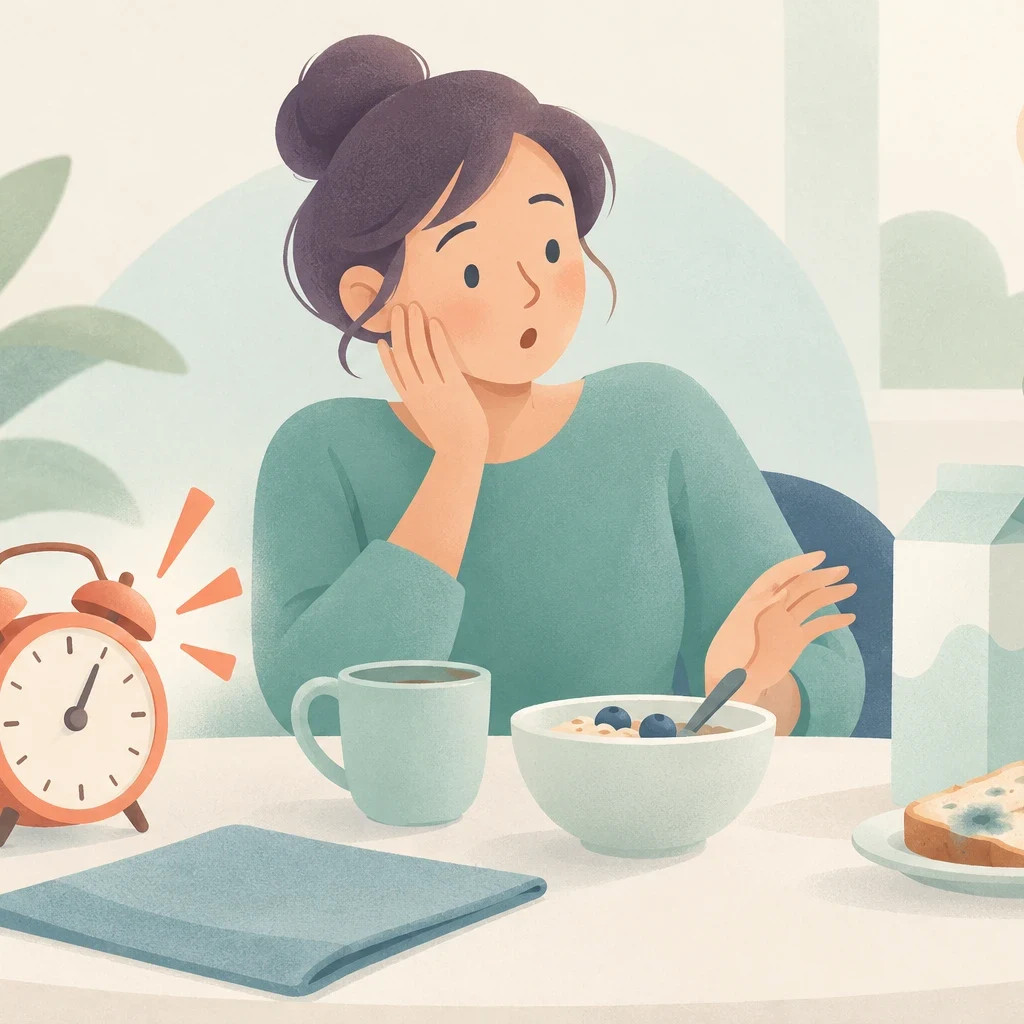
An alarm goes off when it starts making noise, but a light goes off when it stops working. The subject reverses what the same words seem to mean.
Empezar a escuchar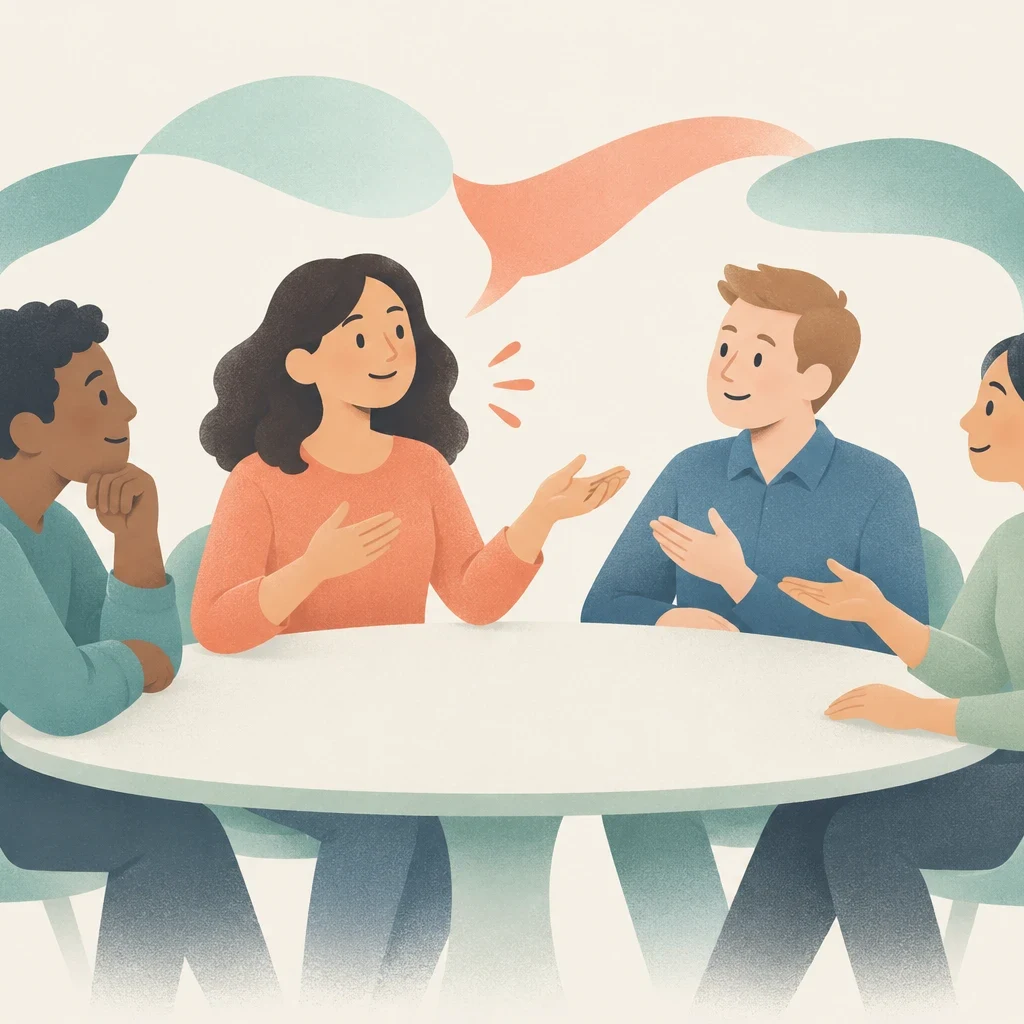

Two people can still care about each other yet slowly share less of their lives. Grow apart names that gradual distance without blaming either person.
Empezar a escuchar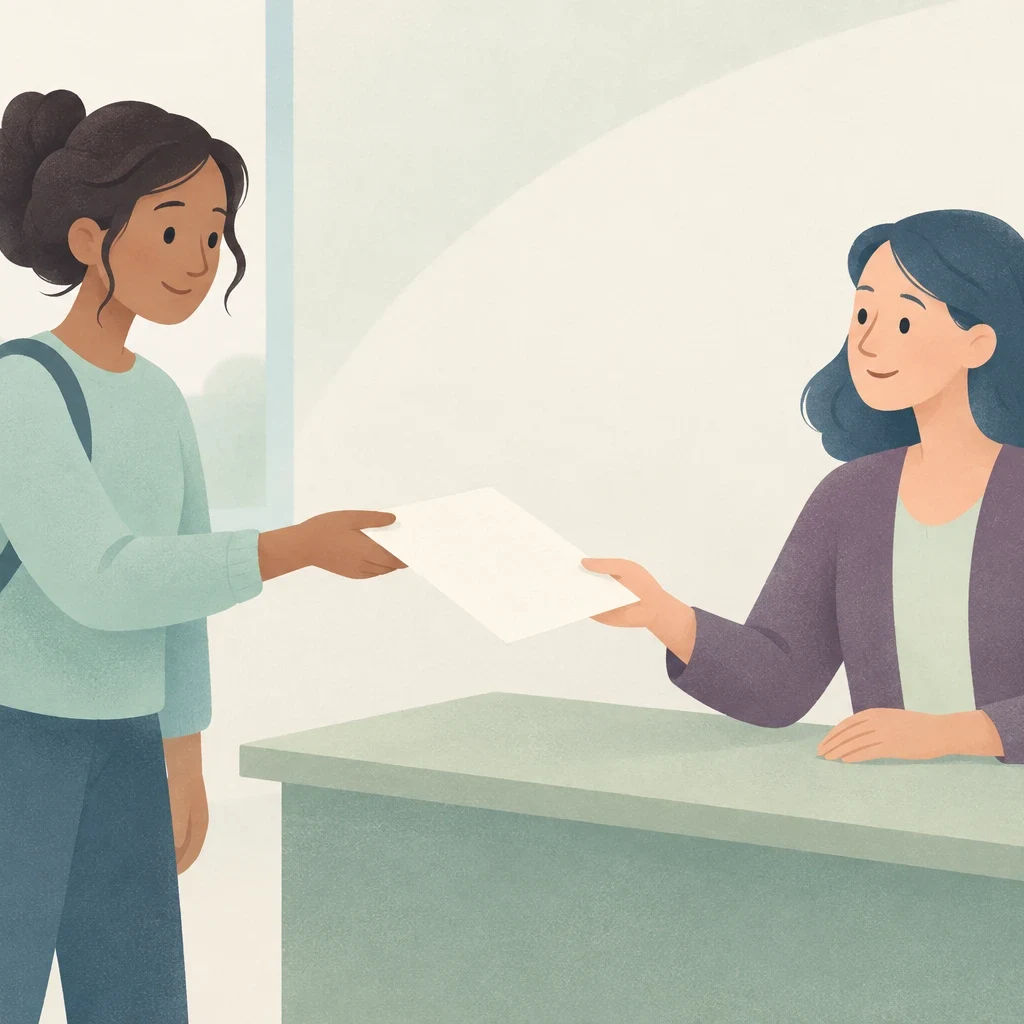
Finishing an assignment is not the final step. You still have to hand it in so the responsible person officially receives it.
Empezar a escuchar
No. Estas lecciones están agrupadas por su nivel de catálogo. Usa los ejemplos y las grabaciones para juzgar lo que necesitas practicar; completar una lección no certifica tu nivel.
Sí. Usa el control de reproducción más lento cuando necesites escuchar de nuevo, luego vuelve a la velocidad normal cuando puedas seguir la frase.
El primer dictado guiado de cada lección está disponible como muestra gratuita. Otras actividades pueden requerir una membresía. La lección muestra lo que está disponible antes de que empieces.