Turn up
Escucha una vez, luego escribe lo que oigas.
0:00
Read the transcript
Completaste la muestra de escucha real. Abre la lección para continuar.
Sigue una situación cotidiana corta, luego escucha de nuevo las palabras que te perdiste. Comienza con una grabación a continuación o elige una lección B1 de la biblioteca.
El primer dictado es gratis para probar sin cuenta. Elige un acento disponible, escucha y escribe las palabras que oigas.
Escucha una vez, luego escribe lo que oigas.
0:00
Completaste la muestra de escucha real. Abre la lección para continuar.
Empieza con frases de llegada y encuentro. Abre "Turn up" para diferentes significados, "Bump into" para un encuentro inesperado, o "Head back" para volver a algún sitio. Son sugerencias iniciales, no una prueba de nivel.
Presta atención a quién habla, qué pasó y la acción principal. En la siguiente repetición, fíjate en las palabras pequeñas alrededor del verbo. En "turn up" y "bump into", toda la frase transmite el significado.
Después de comprobar tu respuesta, explica la frase con tus propias palabras. Si la mayor parte no te resulta familiar, lee primero el significado y vuelve a la grabación. Si la entendiste, repite una vez a velocidad normal antes de continuar.
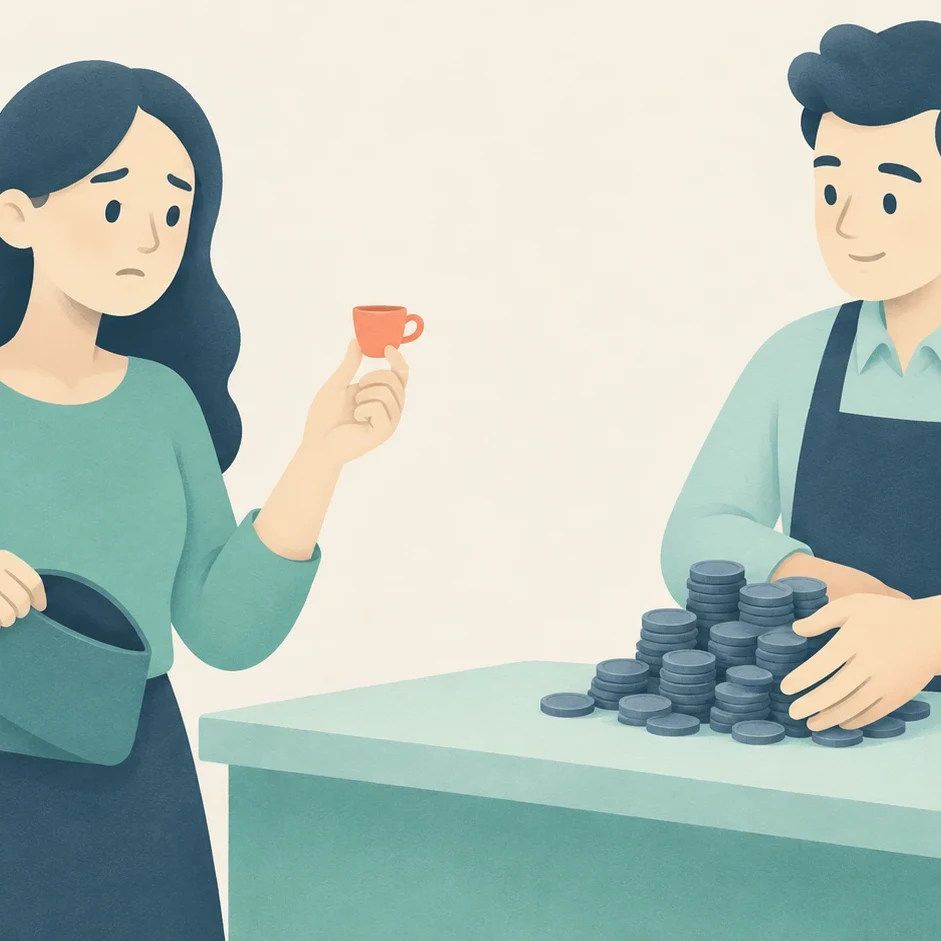
A dishonest seller might rip you off, while you might rip a label off a parcel. A person object signals cheating; a physical object often signals quick removal.
Empezar a escuchar

A test may rule out one illness, but a doctor who cannot rule it out still thinks it is possible. The negative form reverses the practical message.
Empezar a escuchar
You might run into an old friend, run into a technical problem, or run into another car. The object tells you whether the meeting is pleasant, difficult or physical.
Empezar a escuchar
If we run out of coffee, the coffee has run out. Both sentences describe an empty supply, but the subject and grammar are different.
Empezar a escuchar
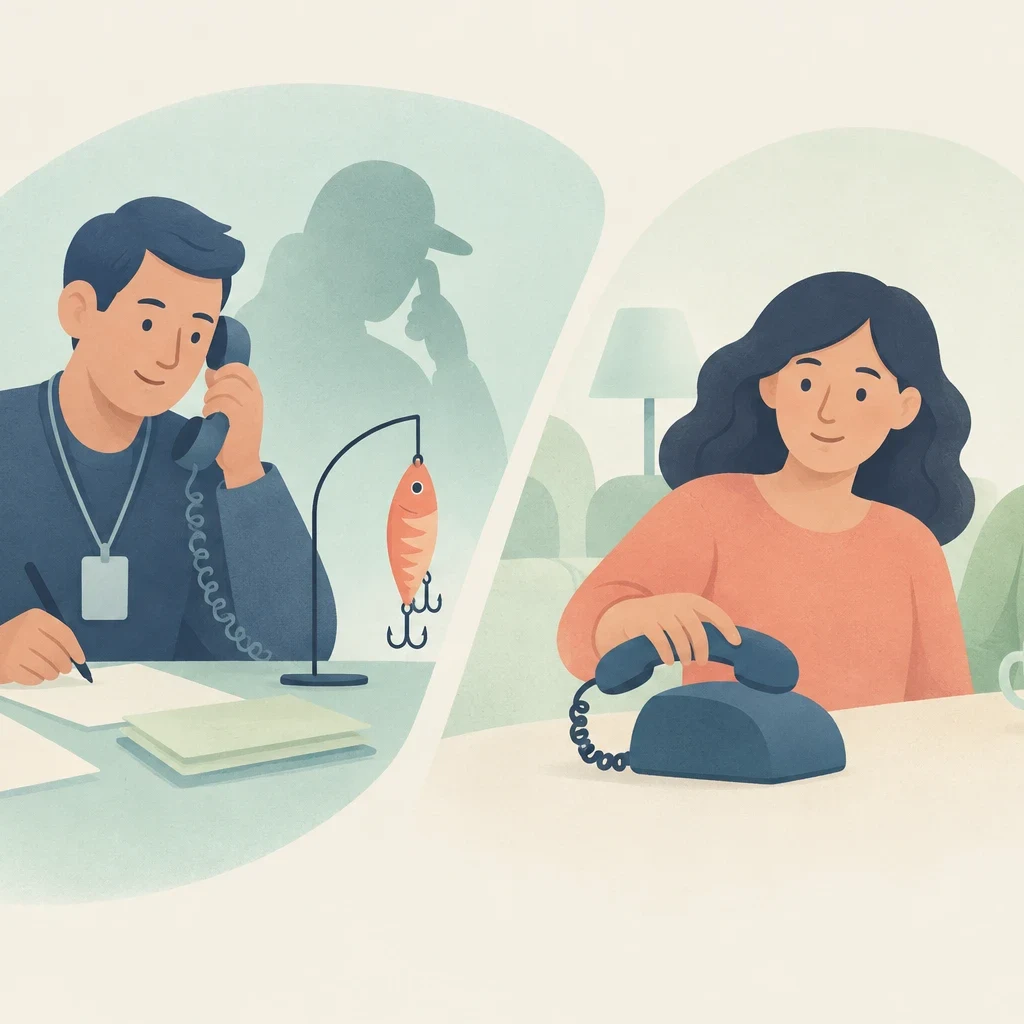
The investigator replies to scammers, but says ordinary people should hang up. Why are those two actions not contradictory?
Empezar a escuchar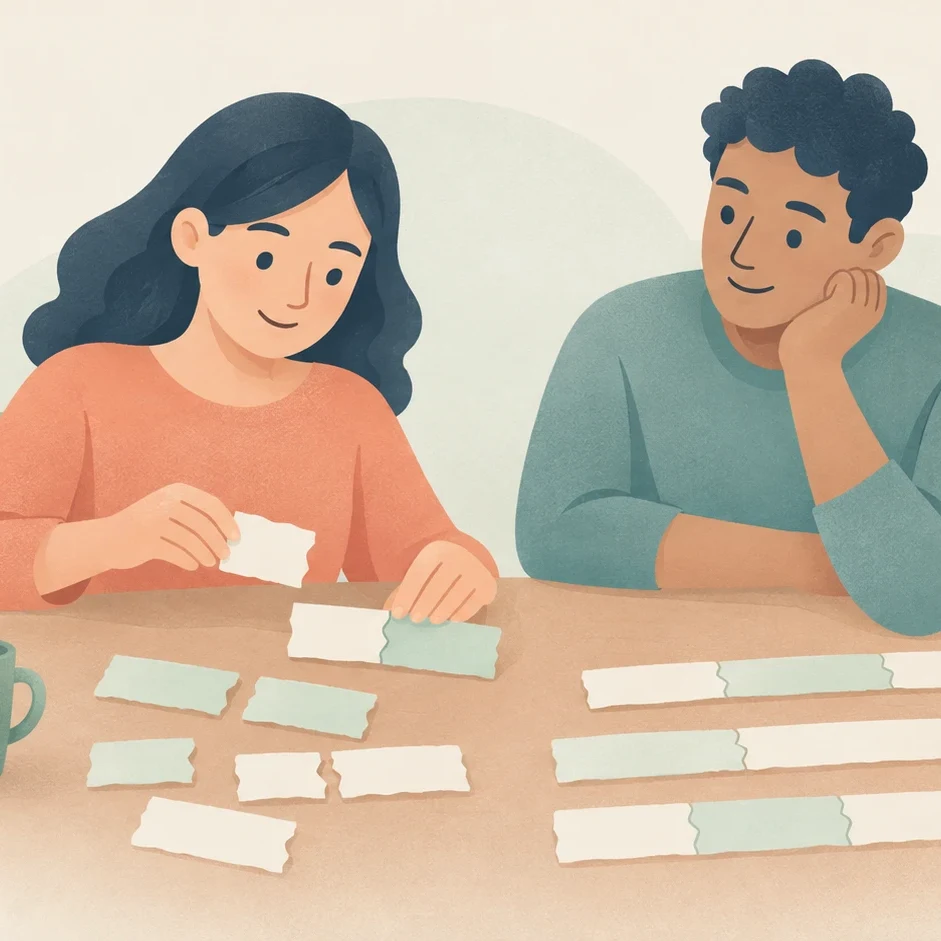


Someone can show off without an object to attract attention, or show off a new skill so other people admire it. One describes behaviour; the other highlights what is displayed.
Empezar a escuchar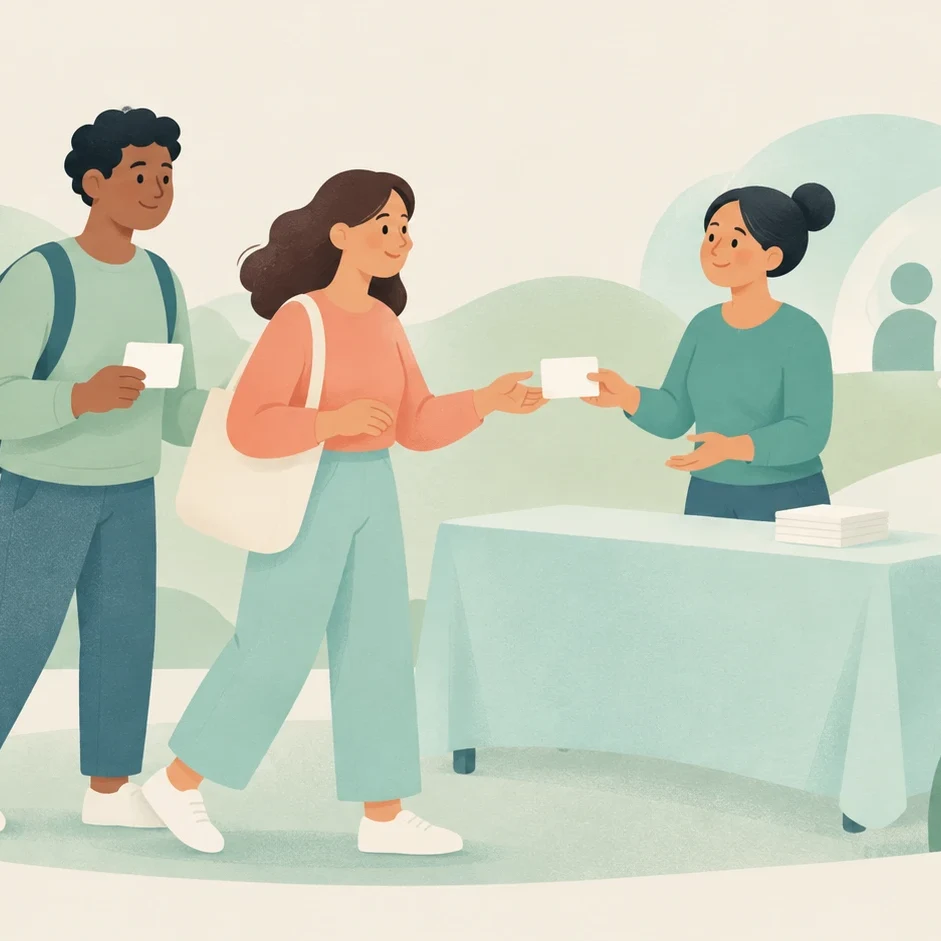
You sign up for a photography course, but you sign up to bring snacks to its first meeting. The next word decides the pattern.
Empezar a escuchar


You can hear important news in one second but need much longer to feel that it is real. During that delay, the news is sinking in.
Empezar a escuchar



A yellow umbrella stands out in a crowd because it is easy to see. An excellent application stands out because its quality is better. Both attract attention for different reasons.
Empezar a escuchar

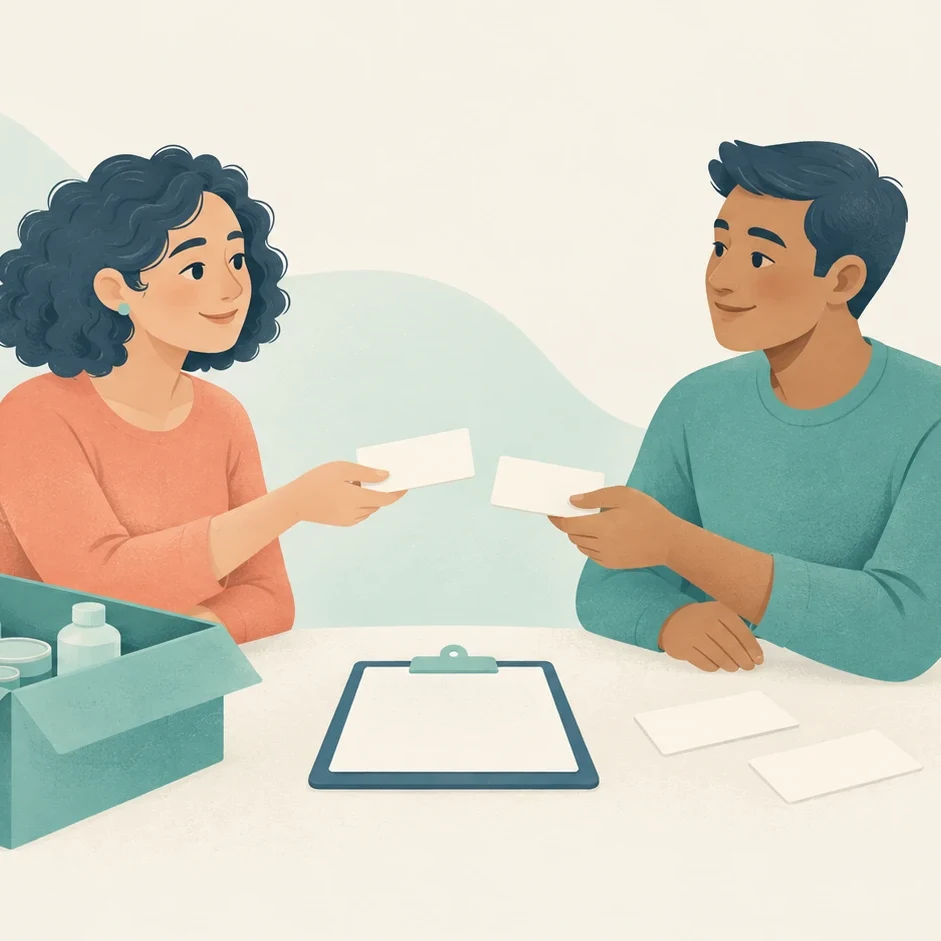
Two volunteers discuss three time slots before agreeing on one swap. Which times belong to the final arrangement?
Empezar a escuchar

No. Estas lecciones están agrupadas por su nivel de catálogo. Usa los ejemplos y las grabaciones para juzgar lo que necesitas practicar; completar una lección no certifica tu nivel.
Sí. Usa el control de reproducción más lento cuando necesites escuchar de nuevo, luego vuelve a la velocidad normal cuando puedas seguir la frase.
El primer dictado guiado de cada lección está disponible como muestra gratuita. Otras actividades pueden requerir una membresía. La lección muestra lo que está disponible antes de que empieces.