Turn up
Escucha una vez, luego escribe lo que oigas.
0:00
Read the transcript
Completaste la muestra de escucha real. Abre la lección para continuar.
Sigue una situación cotidiana corta, luego escucha de nuevo las palabras que te perdiste. Comienza con una grabación a continuación o elige una lección B1 de la biblioteca.
El primer dictado es gratis para probar sin cuenta. Elige un acento disponible, escucha y escribe las palabras que oigas.
Escucha una vez, luego escribe lo que oigas.
0:00
Completaste la muestra de escucha real. Abre la lección para continuar.
Empieza con frases de llegada y encuentro. Abre "Turn up" para diferentes significados, "Bump into" para un encuentro inesperado, o "Head back" para volver a algún sitio. Son sugerencias iniciales, no una prueba de nivel.
Presta atención a quién habla, qué pasó y la acción principal. En la siguiente repetición, fíjate en las palabras pequeñas alrededor del verbo. En "turn up" y "bump into", toda la frase transmite el significado.
Después de comprobar tu respuesta, explica la frase con tus propias palabras. Si la mayor parte no te resulta familiar, lee primero el significado y vuelve a la grabación. Si la entendiste, repite una vez a velocidad normal antes de continuar.

You may have your father's smile but your grandmother's patience. When a family similarity comes from an older relative, you can say you take after that person.
Empezar a escuchar
Take it easy means to rest and avoid hard effort. It means to calm down and stop worrying. It also means goodbye between friends.
Empezar a escuchar
You can watch a race from the side, or you can enter it and take part. The phrase means joining the activity, not simply being nearby.
Empezar a escuchar
You may not plan to join a trip, but a friend's reasons can change your mind. If the conversation persuades you, your friend talks you into going.
Empezar a escuchar
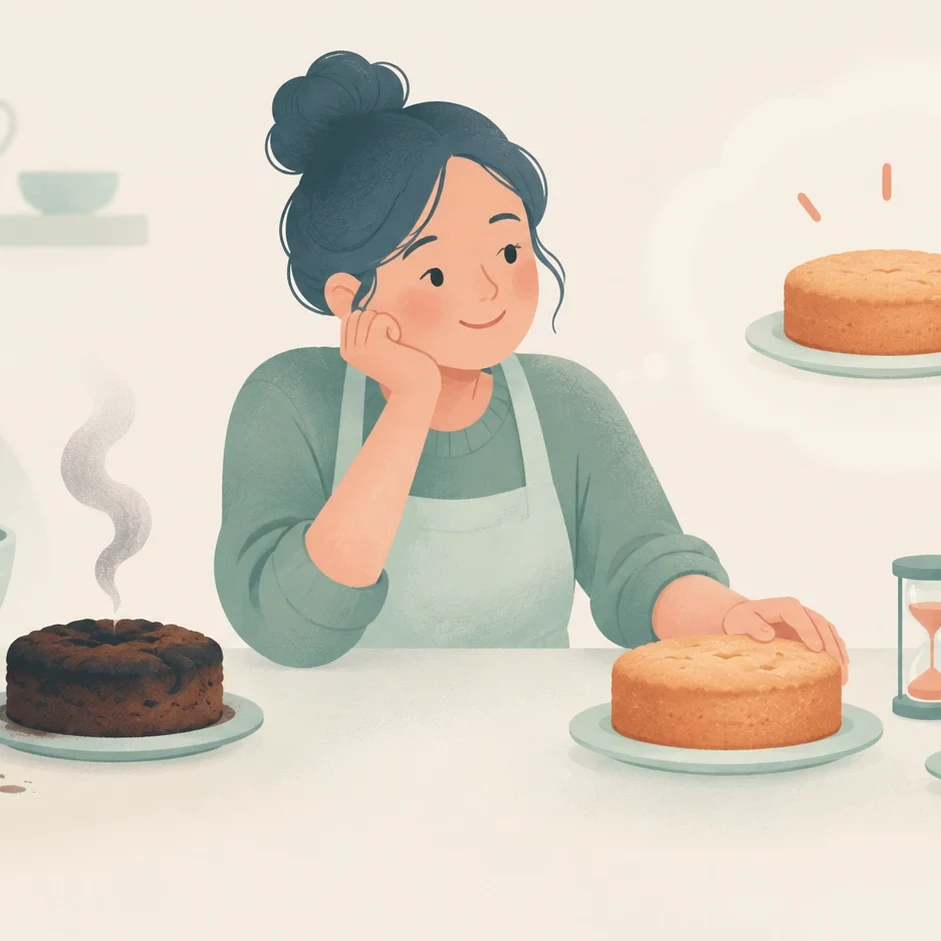
You missed one train and arrived after the interview began. How do you imagine the version of yesterday that never happened?
Empezar a escuchar
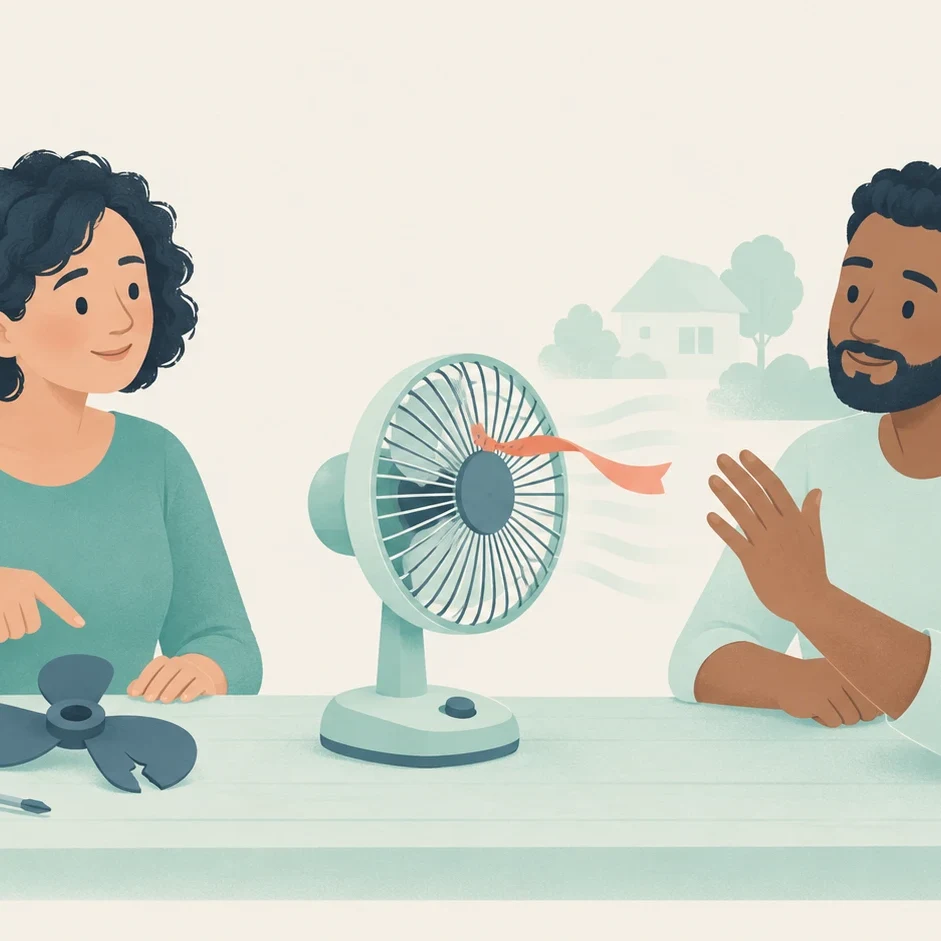
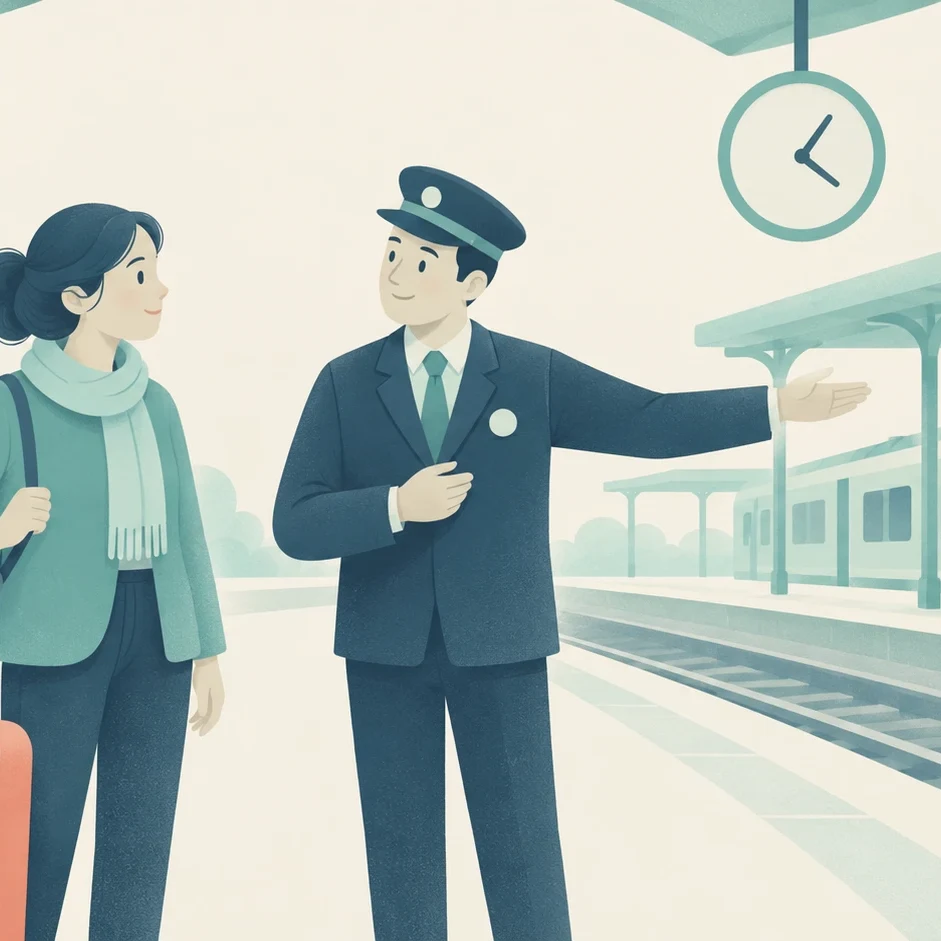
A station announcement contains a destination, an original time, a delay, and a new platform. Which details describe the train now?
Empezar a escuchar
The ticket is transferable, but forwarding the email is not enough. What must the buyer change by five on Friday?
Empezar a escuchar
You can turn down a job because it is unsuitable, or turn down the music because it is too loud. One reduces an opportunity; the other reduces a level.
Empezar a escuchar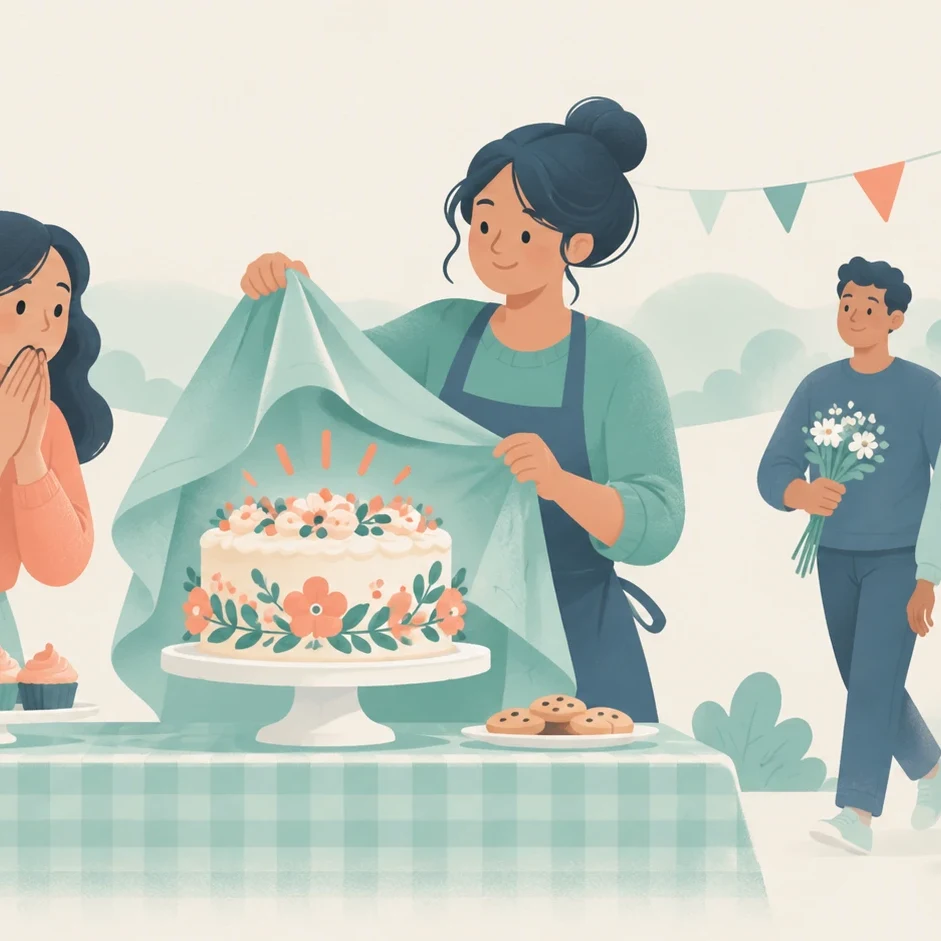
A difficult recipe can turn out well, and a rumour can turn out to be false. The phrase often reveals a final result that was uncertain or surprising.
Empezar a escuchar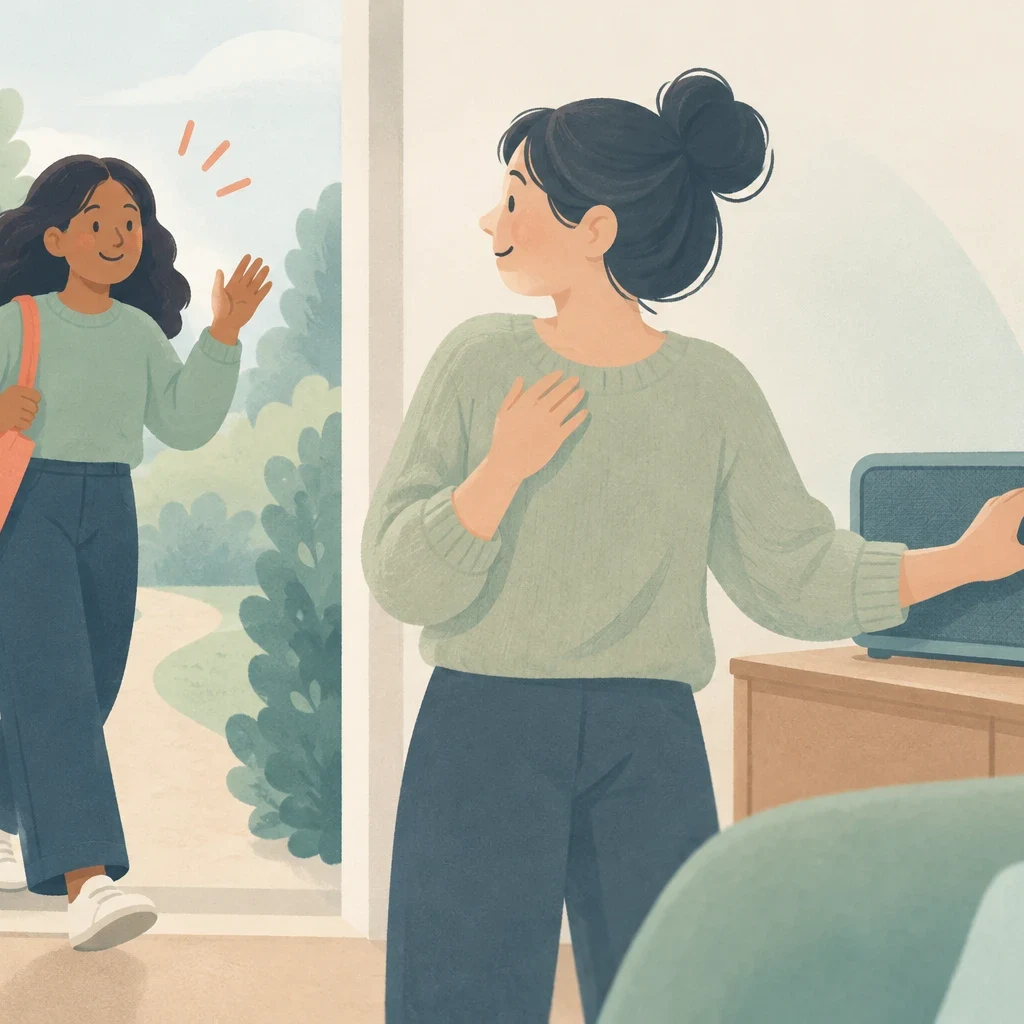
A late guest can turn up at your door, lost keys can turn up under a sofa, and you can turn up the heating. Context separates arrival, discovery and a higher level.
Empezar a escuchar
A colleague says your invitation sounds lovely, then mentions a family commitment and suggests another week. Did they accept or decline?
Empezar a escuchar
People with uncommon names repeat louder sound parts to clarify them socially or use short nicknames to make phone bookings faster.
Empezar a escuchar


Volunteers enter through one gate, register at a tent and then split into two teams. Can you put the instructions in order?
Empezar a escuchar
Two friends want a picnic, but the forecast may change. What will they do in each possible weather condition?
Empezar a escuchar


No. Estas lecciones están agrupadas por su nivel de catálogo. Usa los ejemplos y las grabaciones para juzgar lo que necesitas practicar; completar una lección no certifica tu nivel.
Sí. Usa el control de reproducción más lento cuando necesites escuchar de nuevo, luego vuelve a la velocidad normal cuando puedas seguir la frase.
El primer dictado guiado de cada lección está disponible como muestra gratuita. Otras actividades pueden requerir una membresía. La lección muestra lo que está disponible antes de que empieces.