Turn up
Escucha una vez, luego escribe lo que oigas.
0:00
Read the transcript
Completaste la muestra de escucha real. Abre la lección para continuar.
Sigue una situación cotidiana corta, luego escucha de nuevo las palabras que te perdiste. Comienza con una grabación a continuación o elige una lección B1 de la biblioteca.
El primer dictado es gratis para probar sin cuenta. Elige un acento disponible, escucha y escribe las palabras que oigas.
Escucha una vez, luego escribe lo que oigas.
0:00
Completaste la muestra de escucha real. Abre la lección para continuar.
Empieza con frases de llegada y encuentro. Abre "Turn up" para diferentes significados, "Bump into" para un encuentro inesperado, o "Head back" para volver a algún sitio. Son sugerencias iniciales, no una prueba de nivel.
Presta atención a quién habla, qué pasó y la acción principal. En la siguiente repetición, fíjate en las palabras pequeñas alrededor del verbo. En "turn up" y "bump into", toda la frase transmite el significado.
Después de comprobar tu respuesta, explica la frase con tus propias palabras. Si la mayor parte no te resulta familiar, lee primero el significado y vuelve a la grabación. Si la entendiste, repite una vez a velocidad normal antes de continuar.
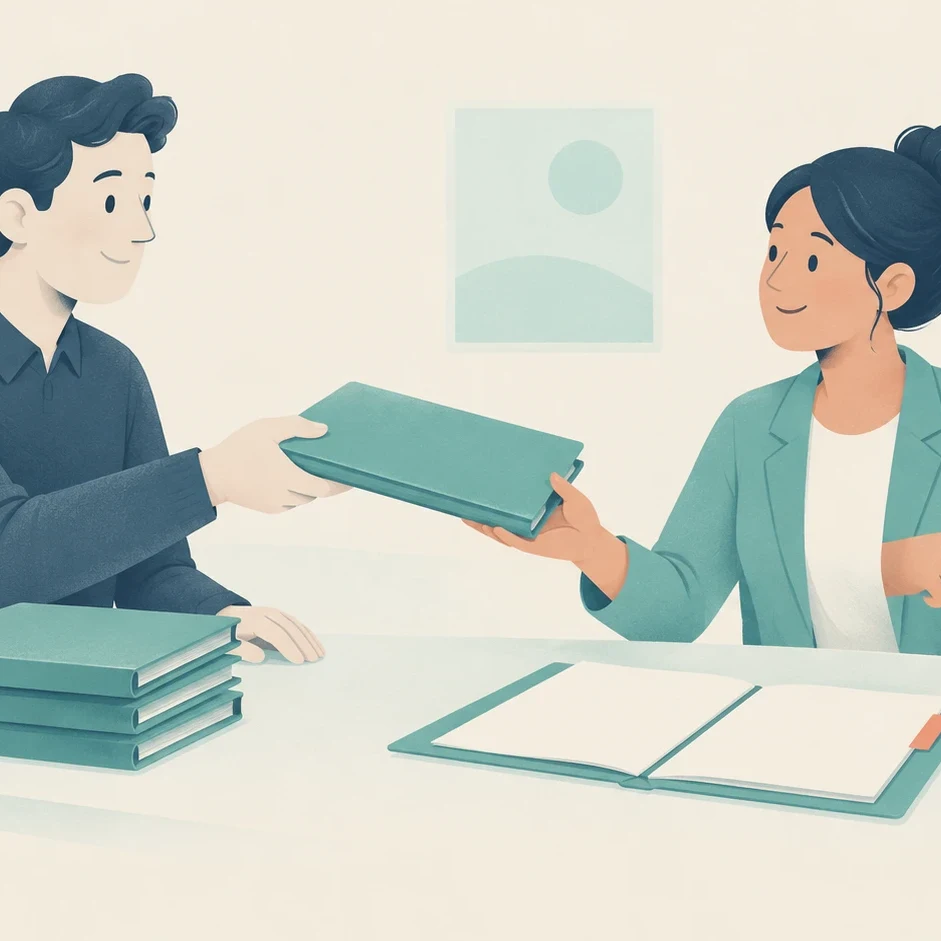
The research is finished, the slides are not, and two colleagues own different next actions. Who must do what, and by when?
Empezar a escuchar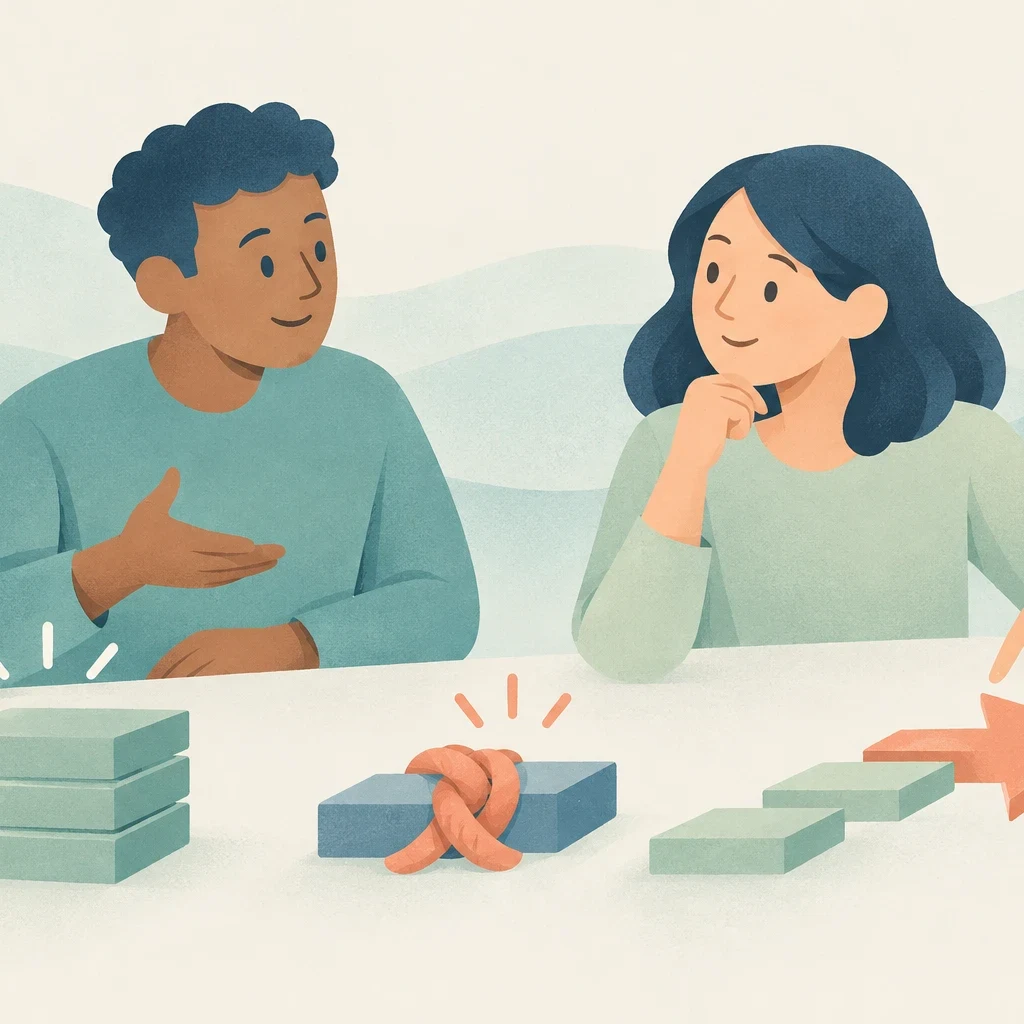
A colleague reports three tasks, but each has a different status. Which task is finished, which is blocked, and what happens next?
Empezar a escuchar
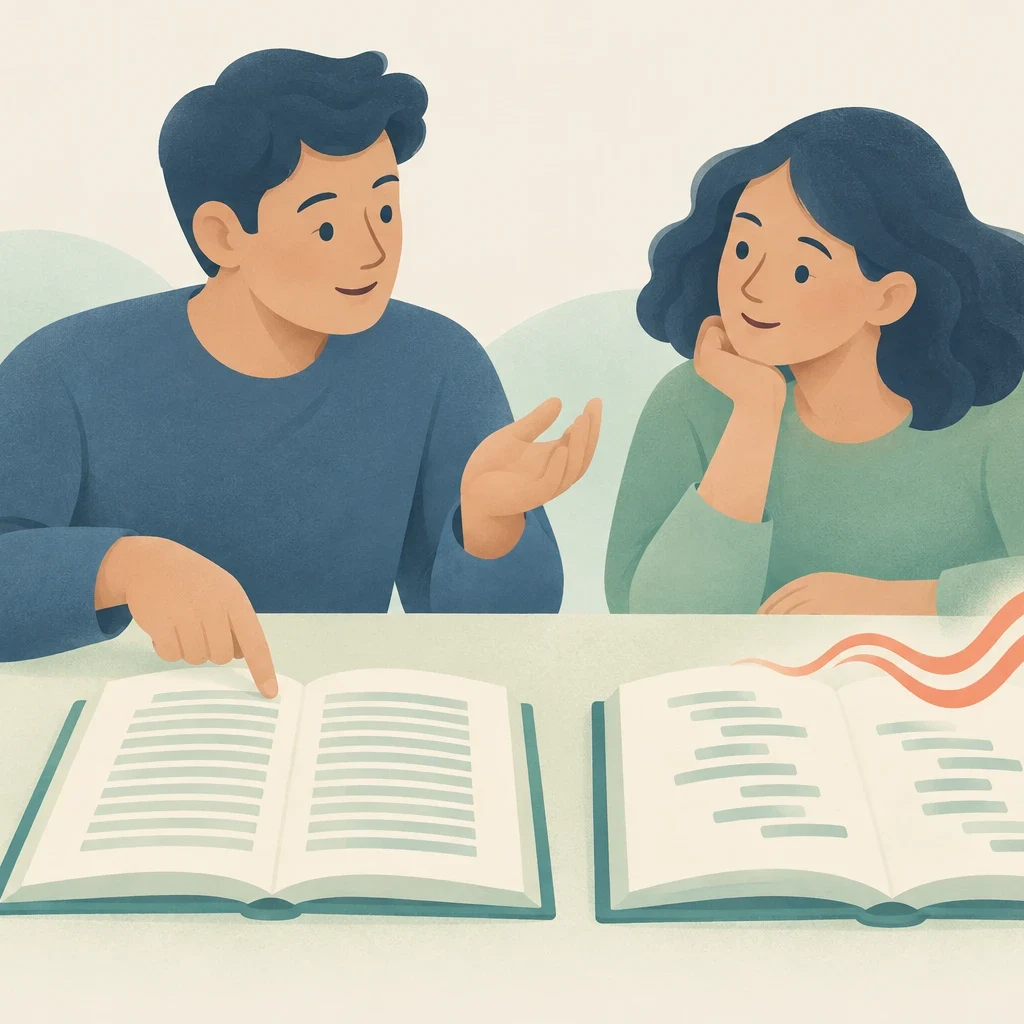
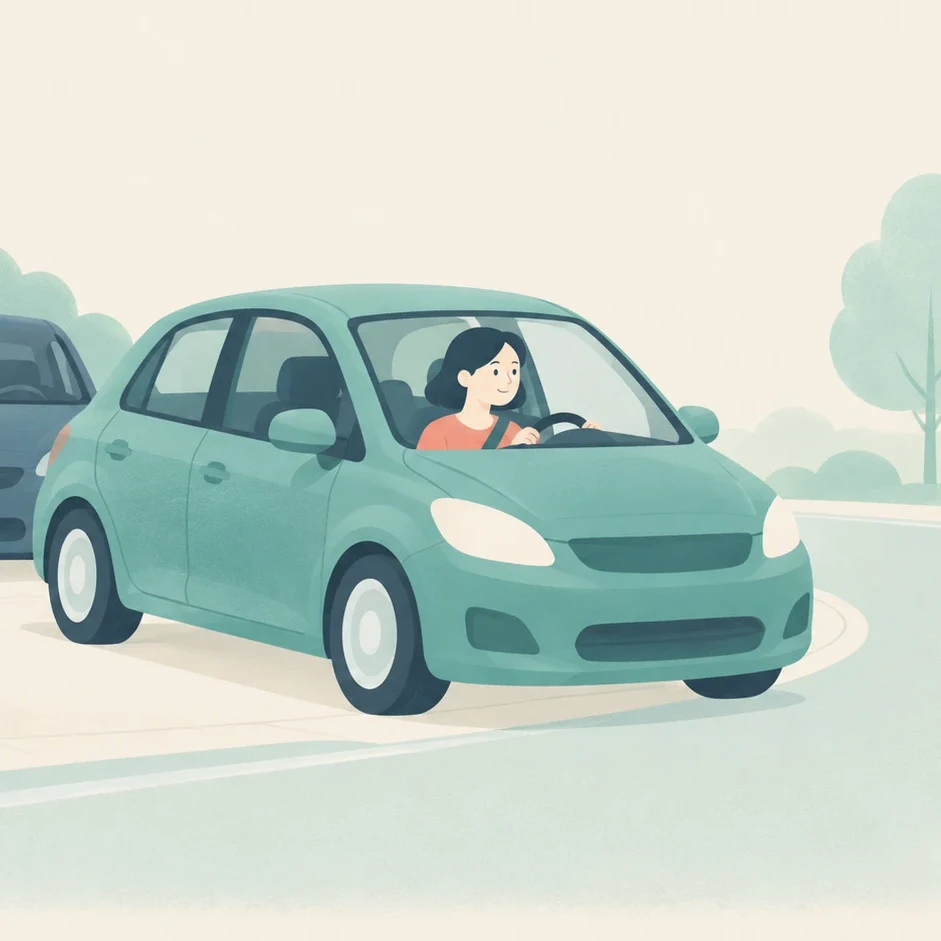
A company may pull out of a deal, a parent may pull a child out of a team, and a car may pull out into the road. The grammar shows who chooses to leave.
Empezar a escuchar
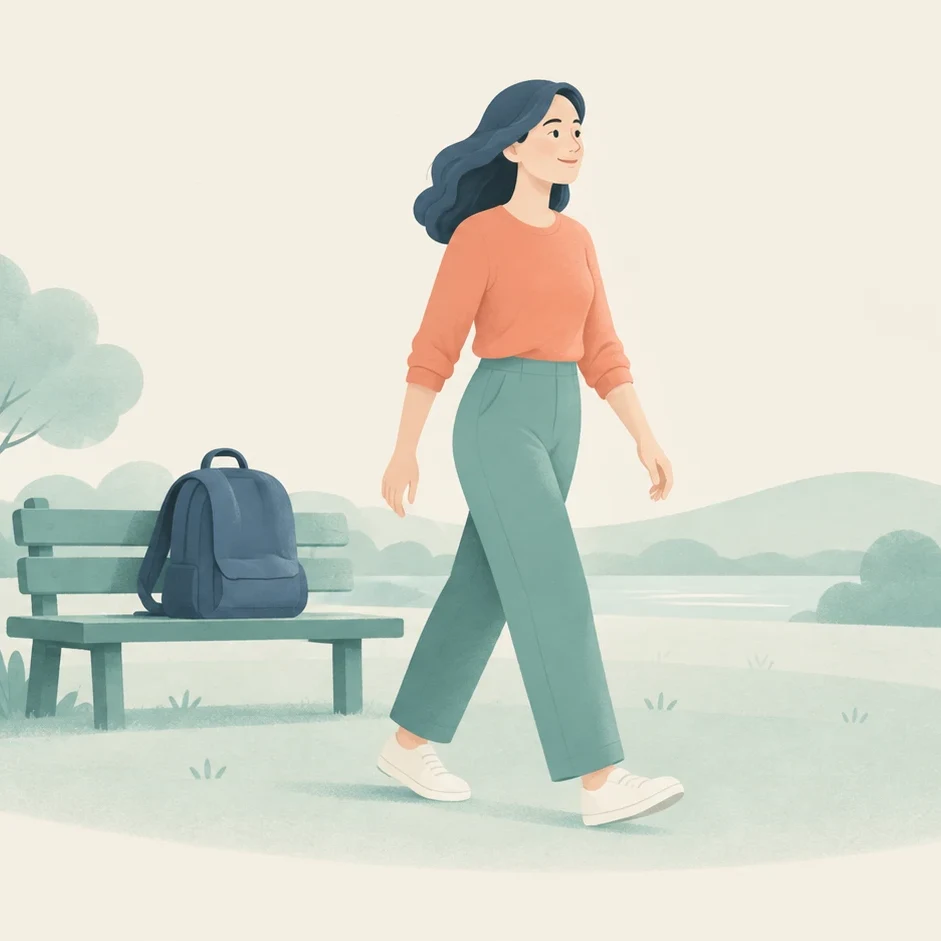
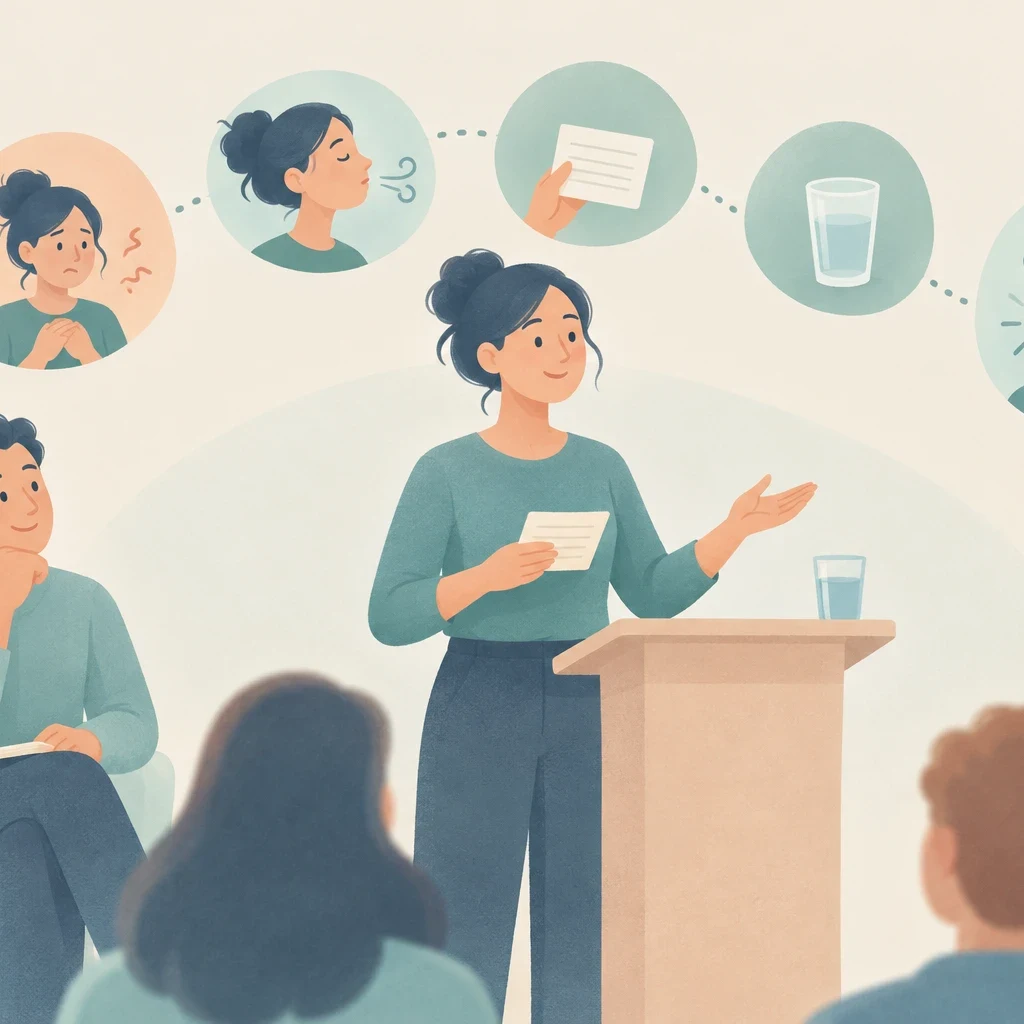
A mistake may still be part of your history, but it does not have to control your next decision. You can learn from it and put it behind you.
Empezar a escuchar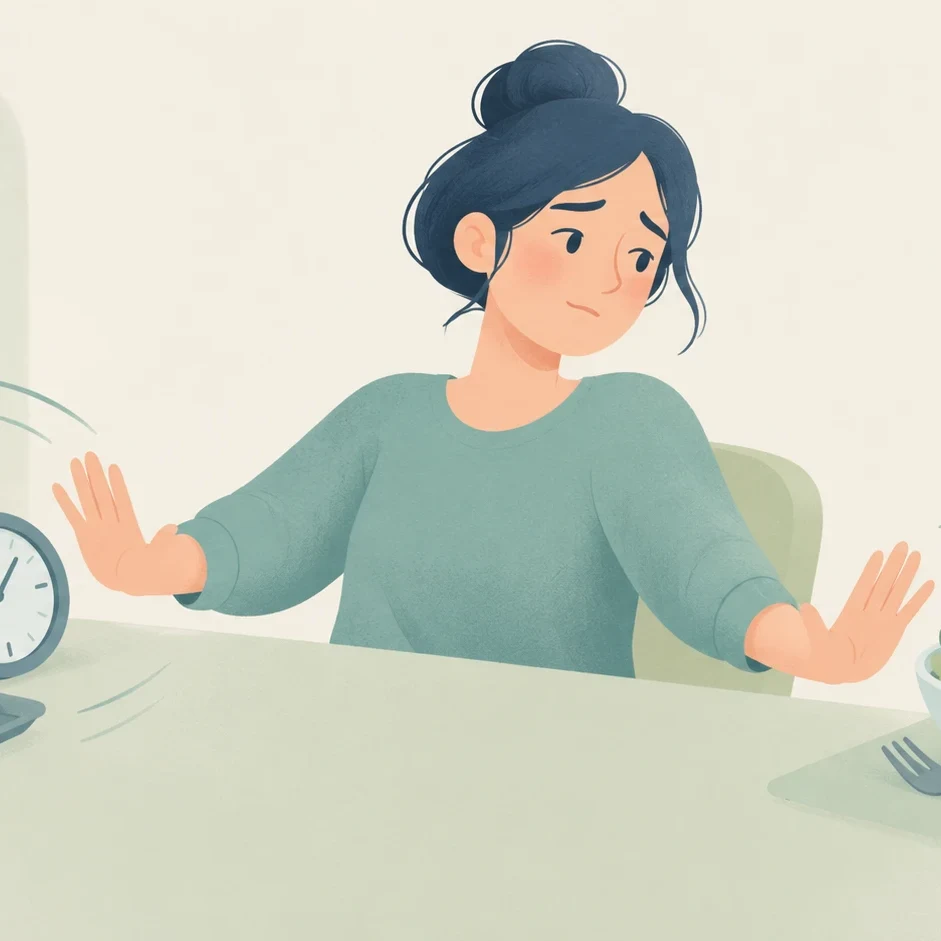
Rain can put off a picnic until Friday, while an unpleasant smell can put you off your lunch. One meaning changes the time; the other changes how you feel.
Empezar a escuchar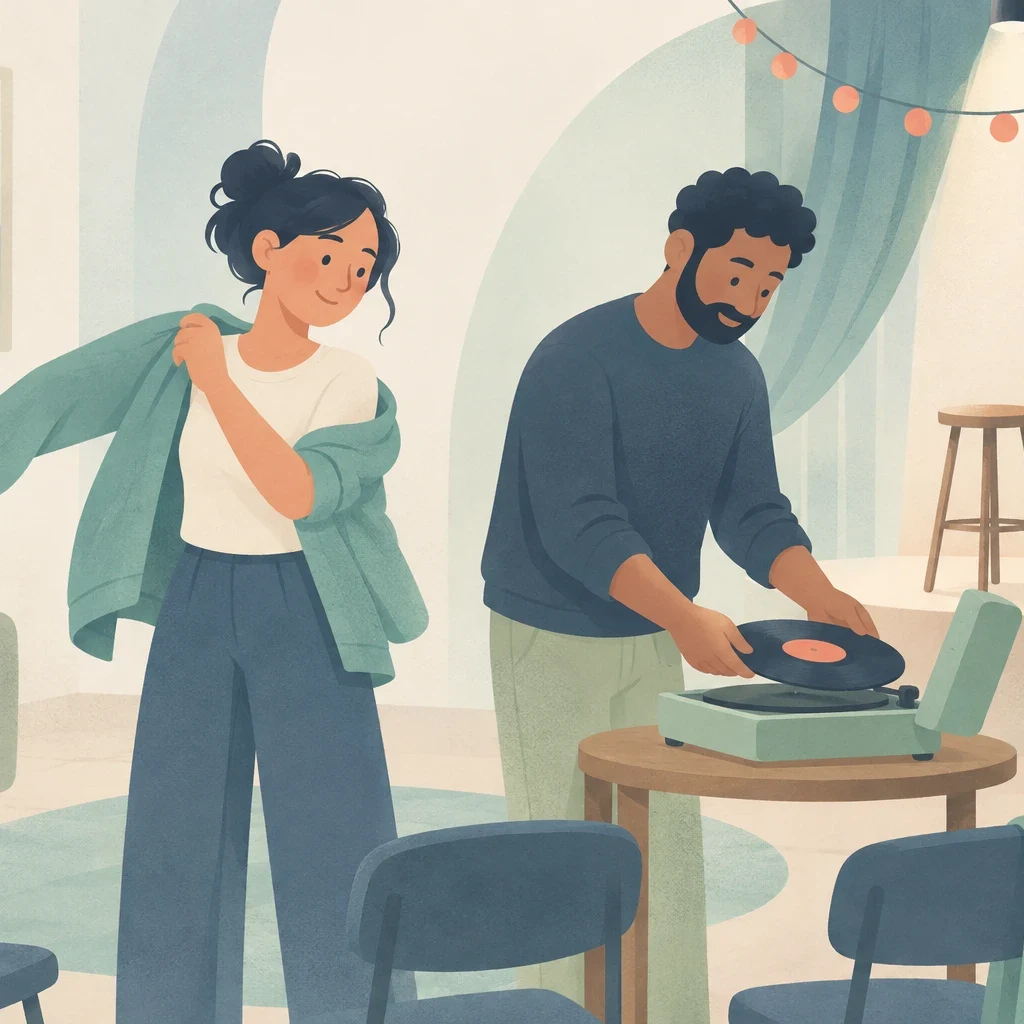
Before guests arrive, you might put on a clean shirt, put the lights on and put on some music. The object tells you which action happens.
Empezar a escuchar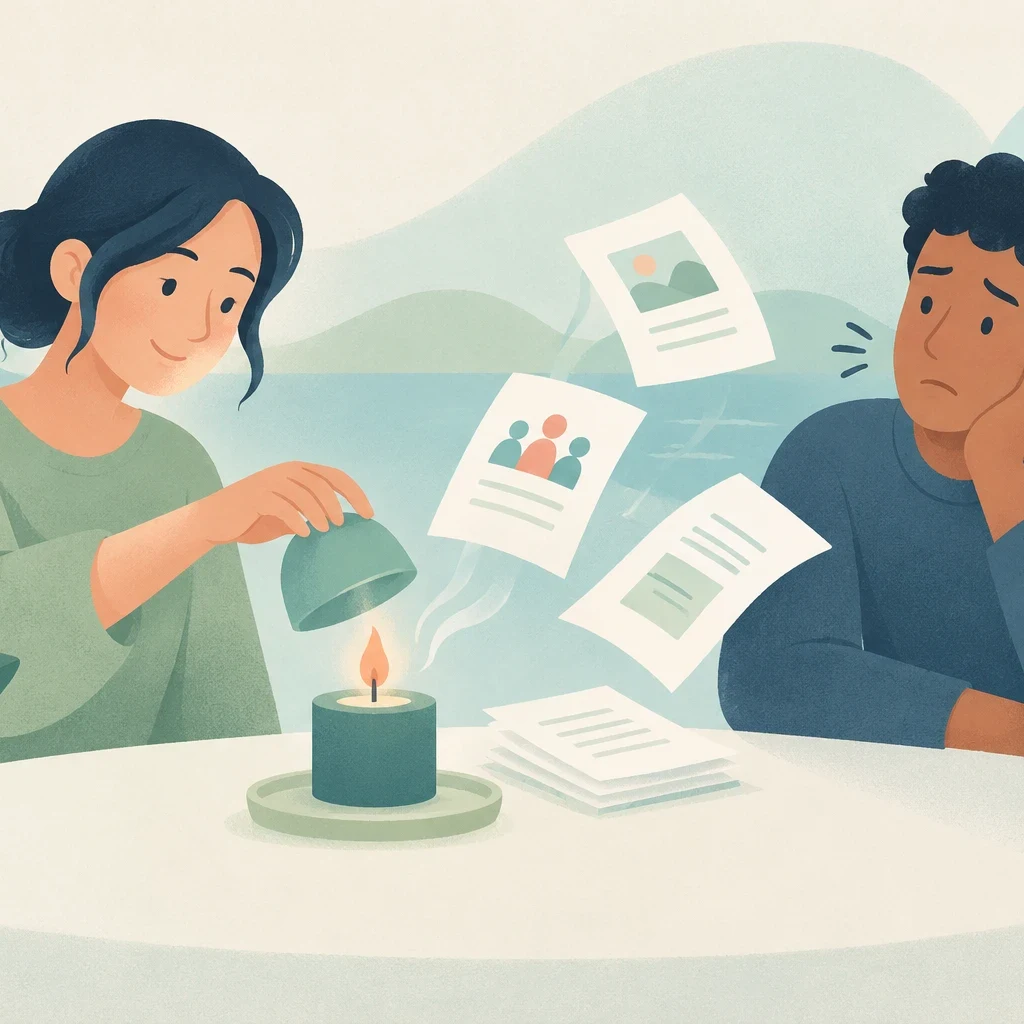
You can put out a candle, a company can put out a statement, and a late request can put someone out. The object changes the meaning.
Empezar a escuchar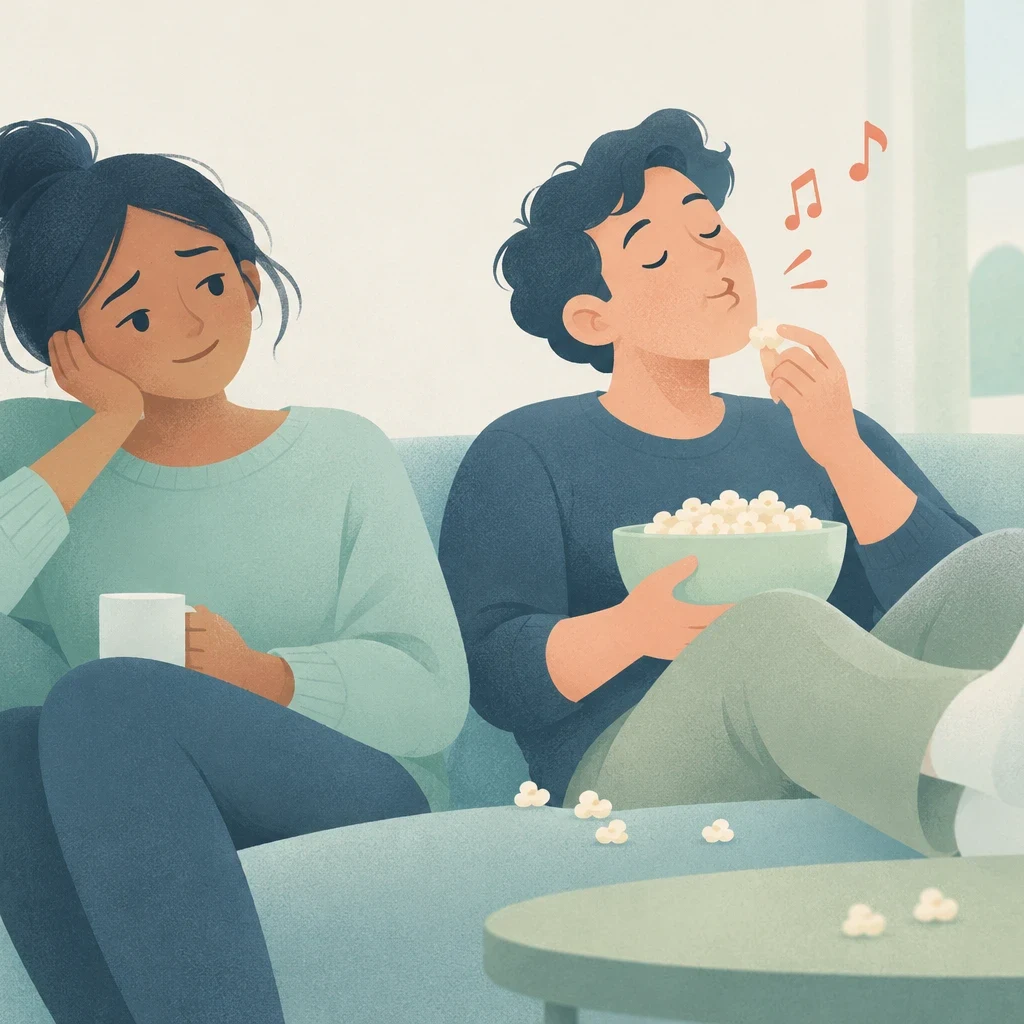
A neighbour's music may be annoying, but you might accept it for one evening. If you continue accepting the annoyance, you put up with it.
Empezar a escuchar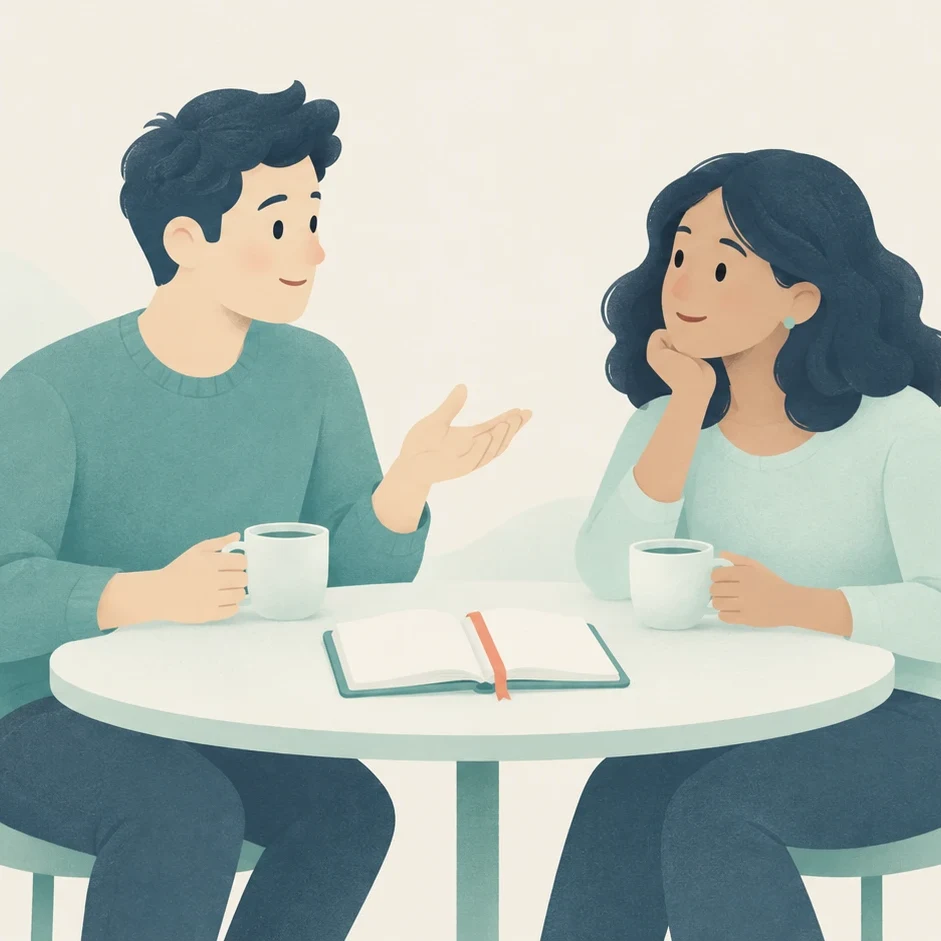

The parcel has visited one address, could go to a depot, and may reach a neighbour. Where will it actually be left tomorrow?
Empezar a escuchar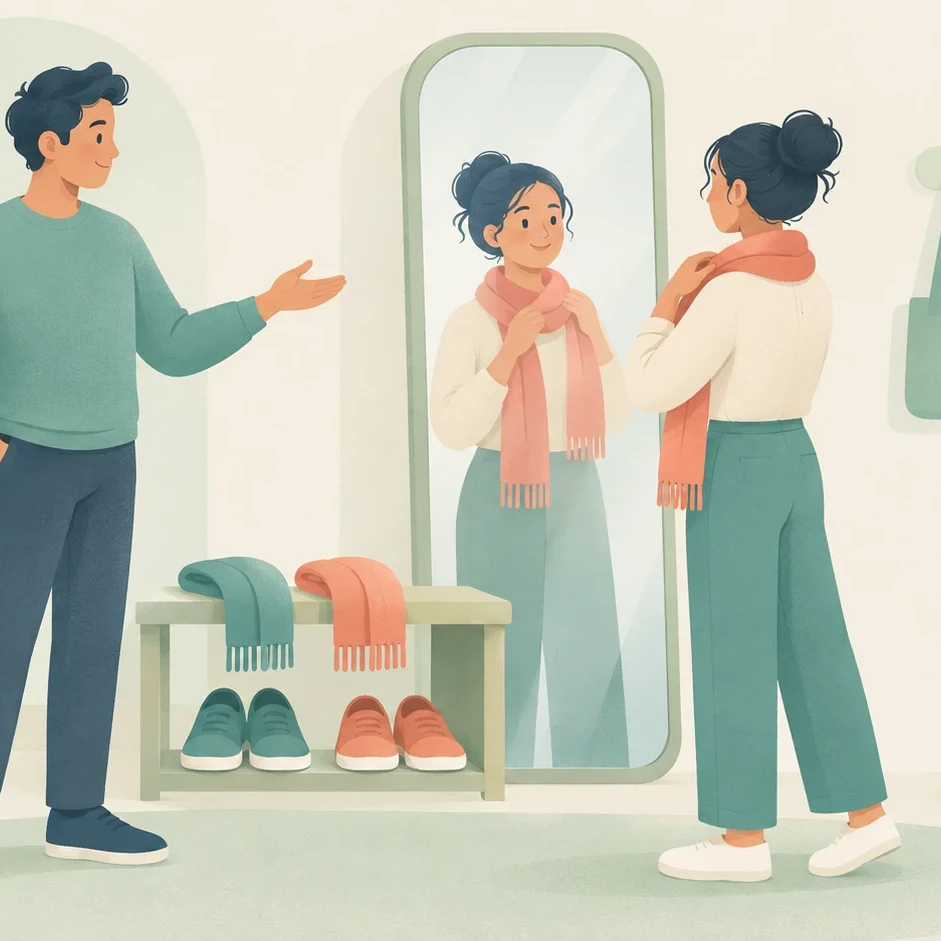
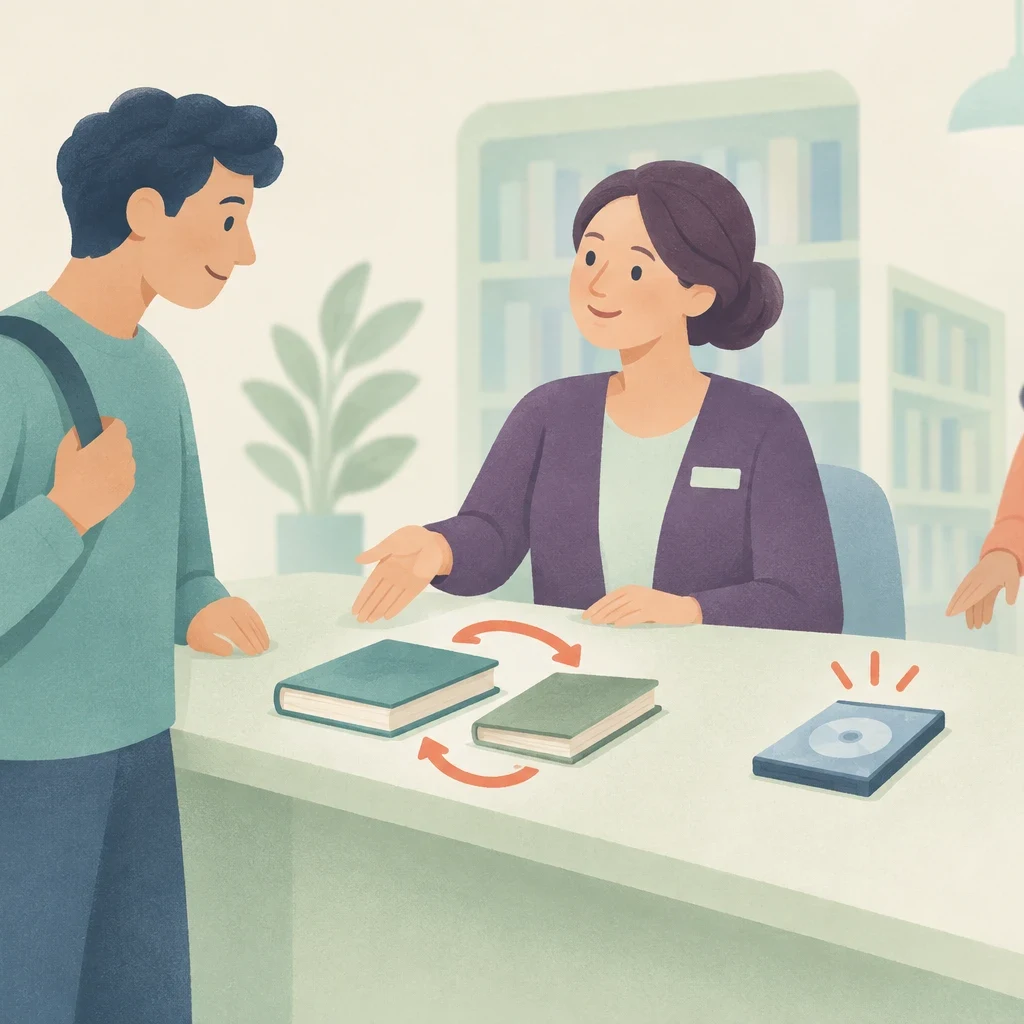
A borrower has two books and one DVD, but only two items receive new due dates. What blocks the other renewal?
Empezar a escuchar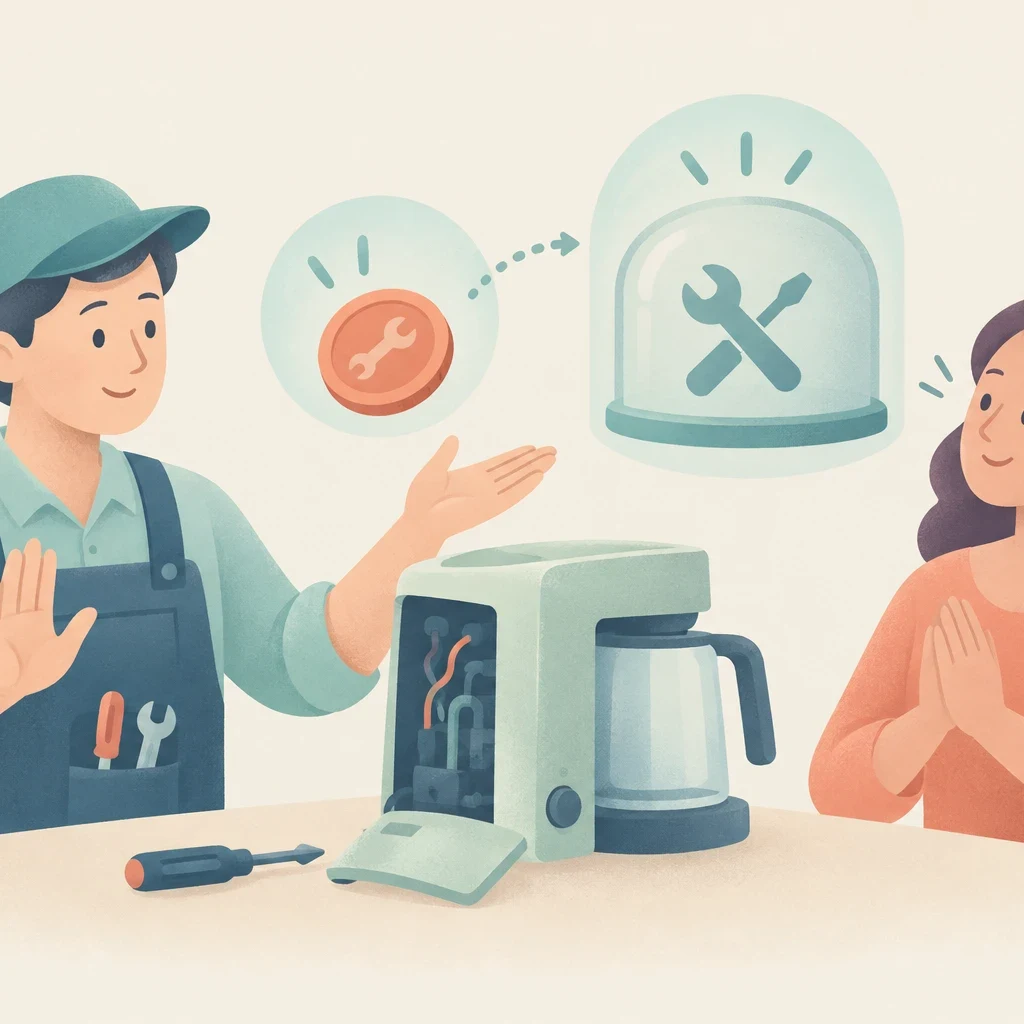
The technician mentions £35 and up to £120, but only one amount is definitely charged. Which cost needs permission first?
Empezar a escuchar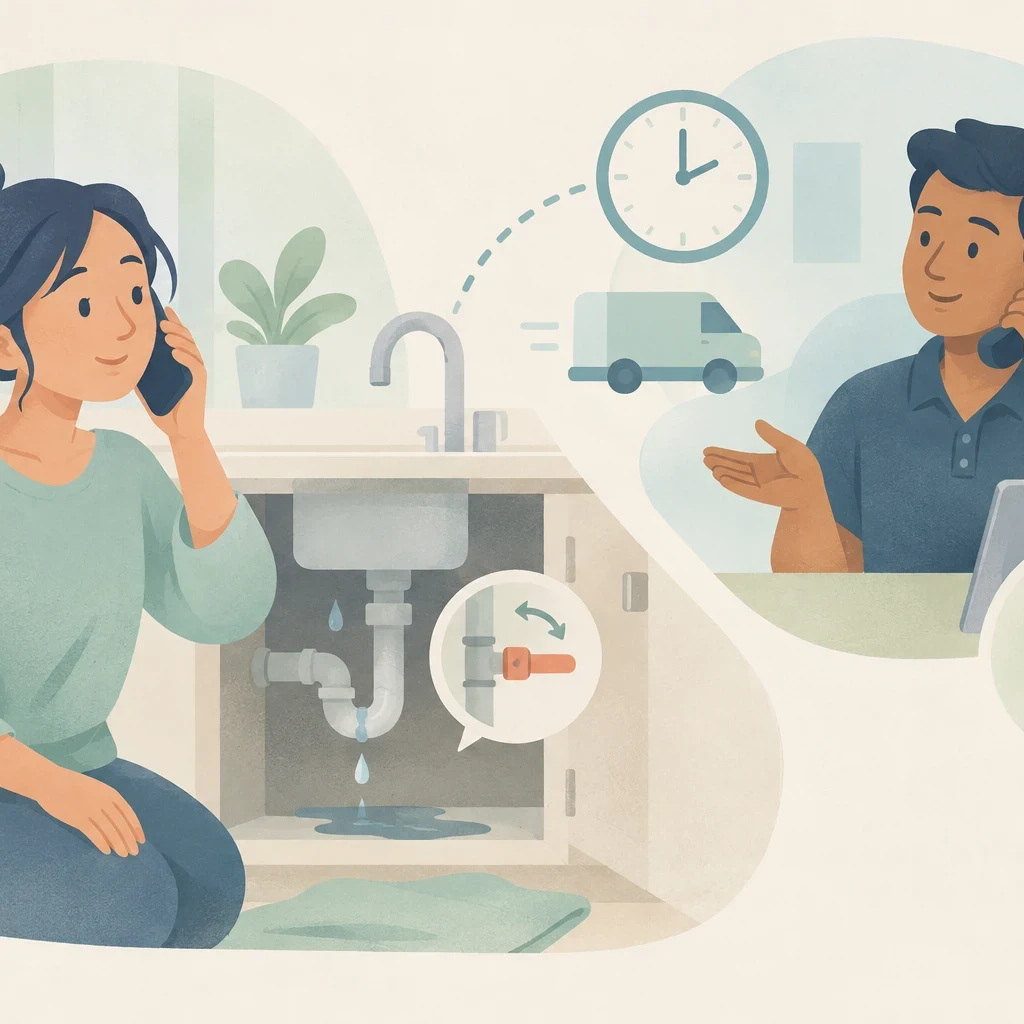
A tenant reports water near an electrical fitting. Which detail makes the repair urgent, and what should happen before the contractor arrives?
Empezar a escuchar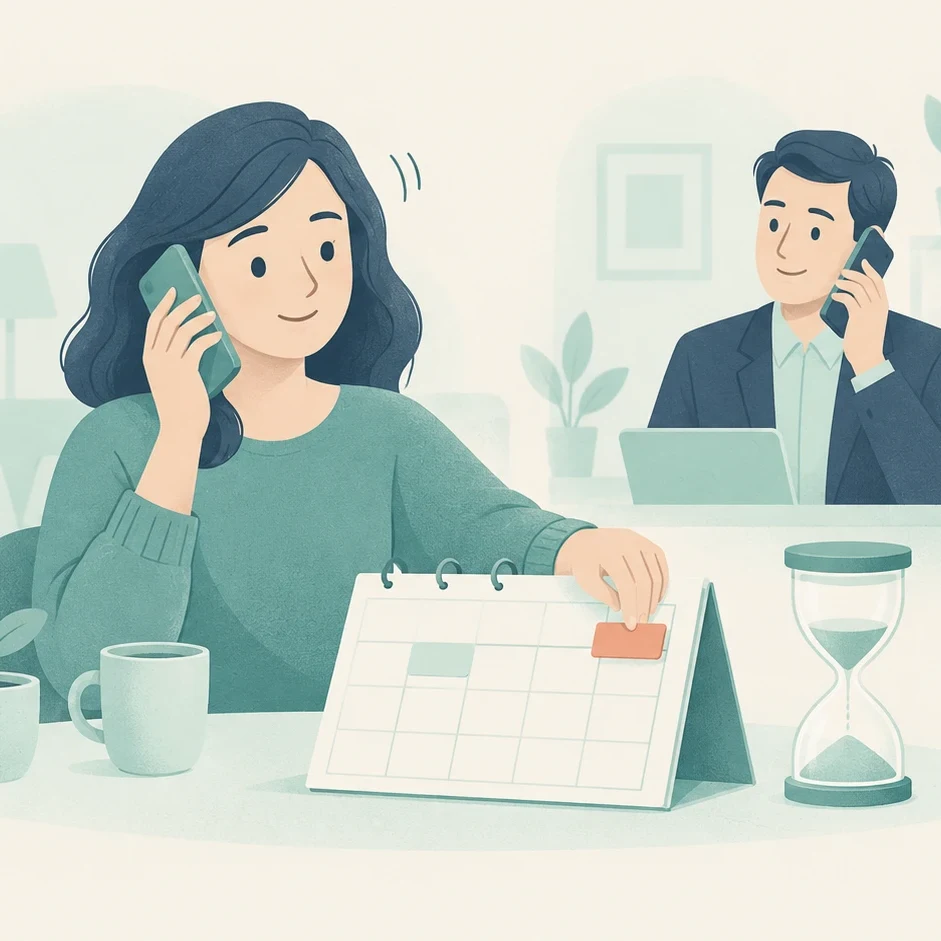
An employer changes both the day and format of an interview, then asks for confirmation. Which original details no longer apply?
Empezar a escuchar
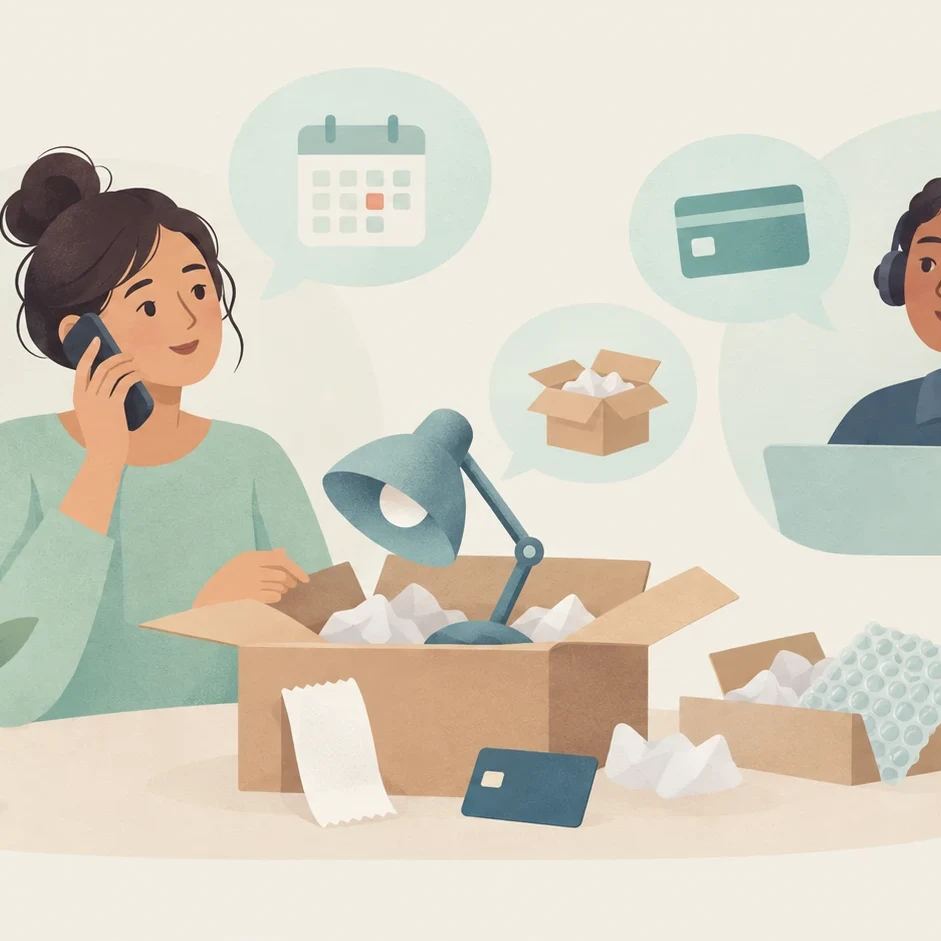
A customer can return a faulty item even without its original box, but several other conditions still apply. Which requirements remain?
Empezar a escuchar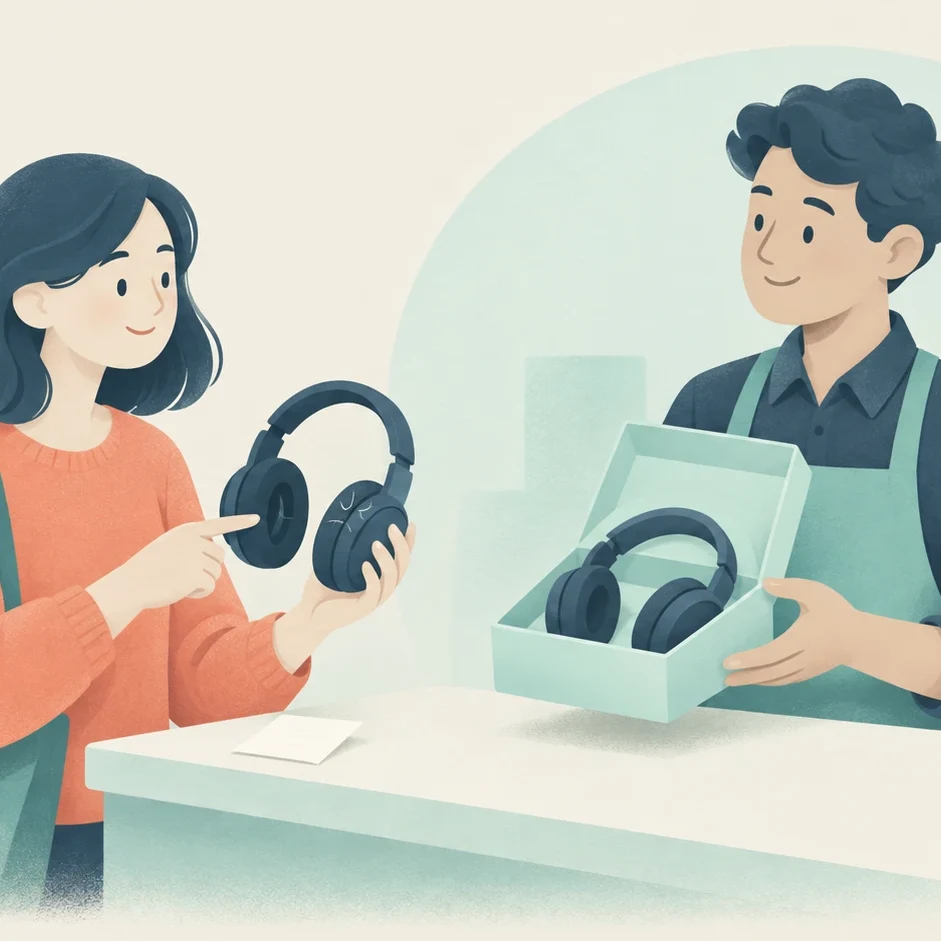
The headphones work on one side, the paper receipt is missing, and the customer considers two remedies. Which solution is agreed?
Empezar a escucharNo. Estas lecciones están agrupadas por su nivel de catálogo. Usa los ejemplos y las grabaciones para juzgar lo que necesitas practicar; completar una lección no certifica tu nivel.
Sí. Usa el control de reproducción más lento cuando necesites escuchar de nuevo, luego vuelve a la velocidad normal cuando puedas seguir la frase.
El primer dictado guiado de cada lección está disponible como muestra gratuita. Otras actividades pueden requerir una membresía. La lección muestra lo que está disponible antes de que empieces.