Turn up
Listen once, then type what you hear.
0:00
Read the transcript
You completed the real listening sample. Open the lesson to continue.
Follow a short everyday situation, then listen again for the words you missed. Start with a recording below or choose a B1 lesson from the library.
The first dictation is free to try without an account. Choose an available accent, listen and type the words you hear.
Listen once, then type what you hear.
0:00
You completed the real listening sample. Open the lesson to continue.
Start with arrival and meeting phrases. Open Turn up for different meanings, Bump into for an unexpected meeting, or Head back for returning somewhere. These are starting suggestions, not a placement test.
Listen for who is speaking, what happened and the main action. On the next replay, check small words around the verb. In turn up and bump into, the whole phrase carries the meaning.
After checking your answer, explain the sentence in your own words. If most of it is unfamiliar, read the meaning first and return to the recording. If you understood it, replay once at normal speed before moving on.
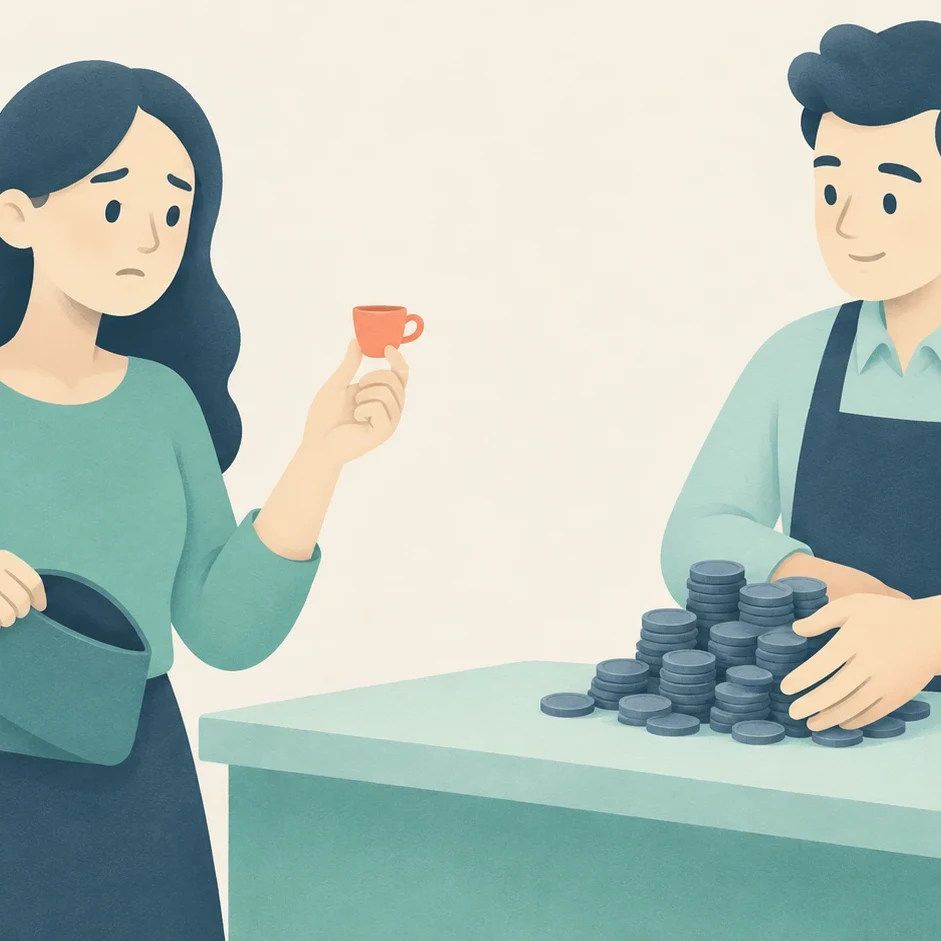
A dishonest seller might rip you off, while you might rip a label off a parcel. A person object signals cheating; a physical object often signals quick removal.
Start listening
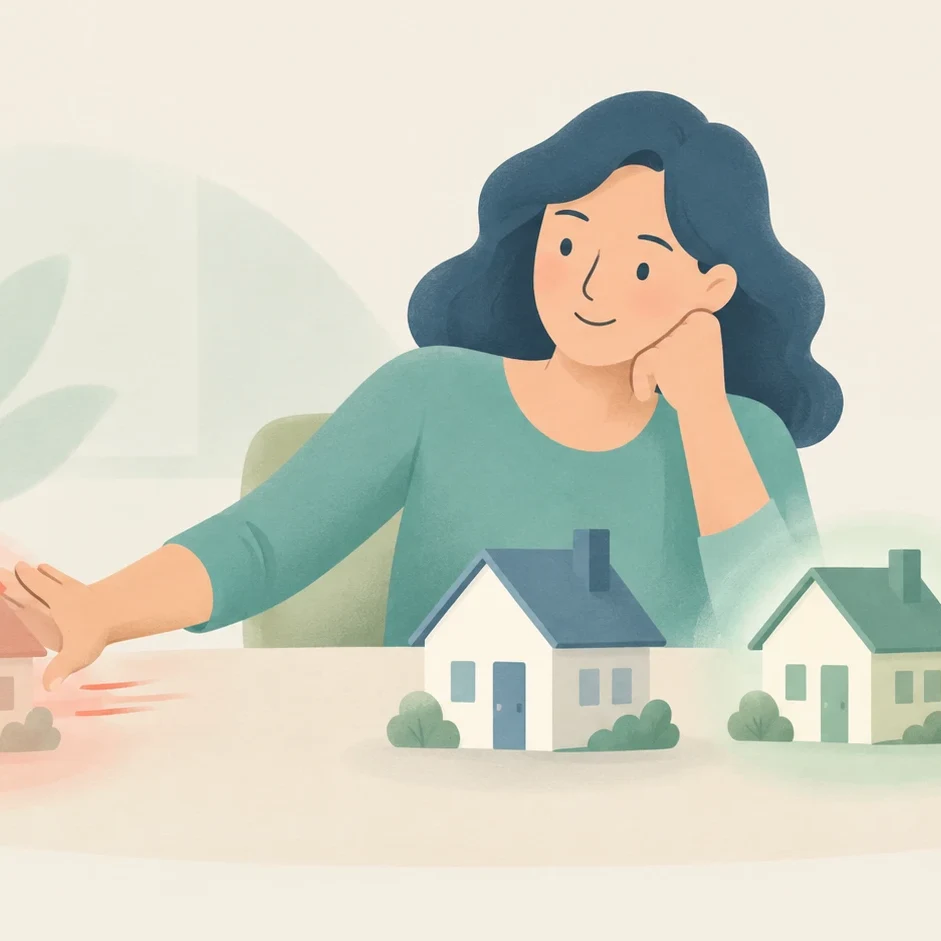
A test may rule out one illness, but a doctor who cannot rule it out still thinks it is possible. The negative form reverses the practical message.
Start listening
You might run into an old friend, run into a technical problem, or run into another car. The object tells you whether the meeting is pleasant, difficult or physical.
Start listening
If we run out of coffee, the coffee has run out. Both sentences describe an empty supply, but the subject and grammar are different.
Start listening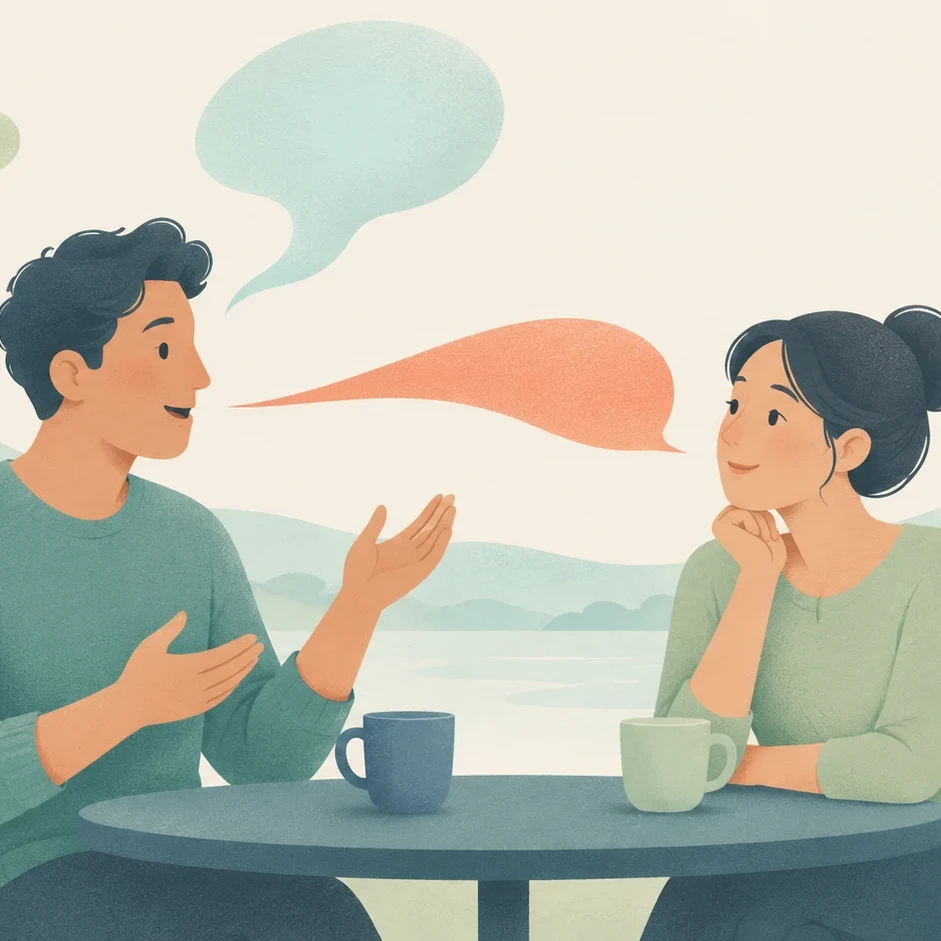
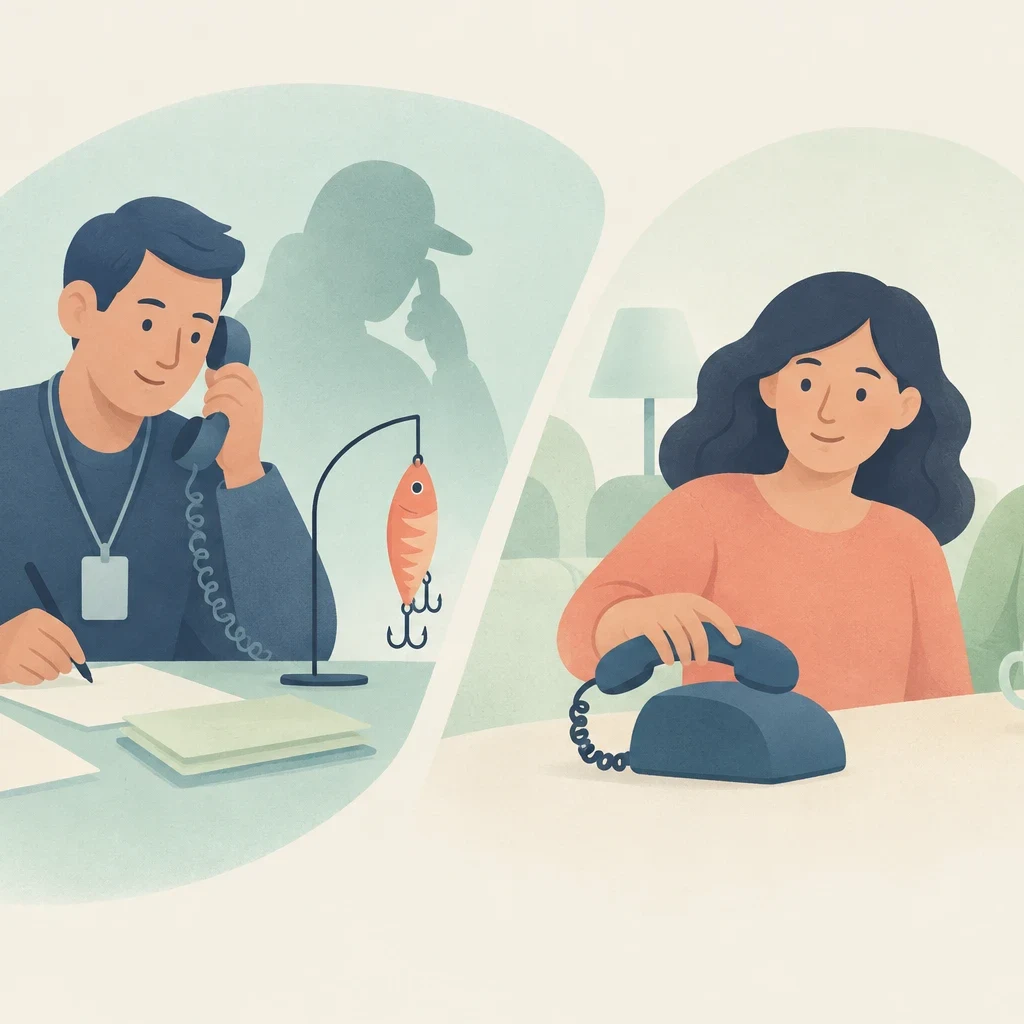
The investigator replies to scammers, but says ordinary people should hang up. Why are those two actions not contradictory?
Start listening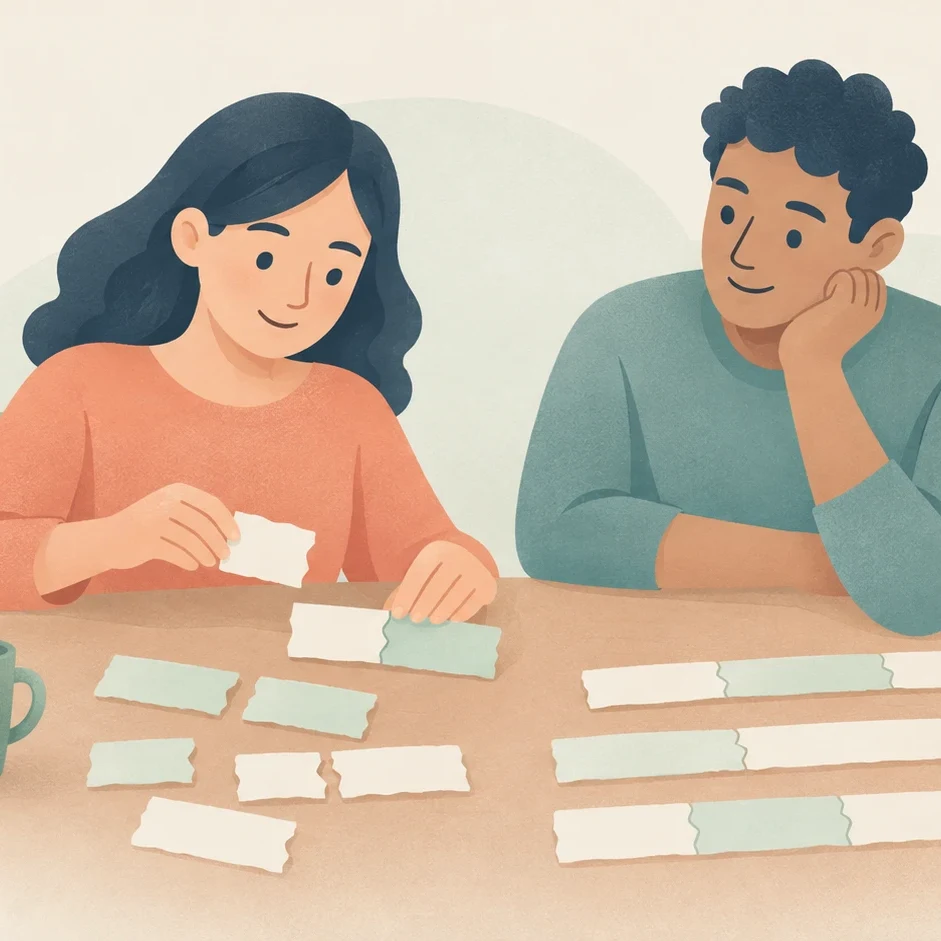


Someone can show off without an object to attract attention, or show off a new skill so other people admire it. One describes behaviour; the other highlights what is displayed.
Start listening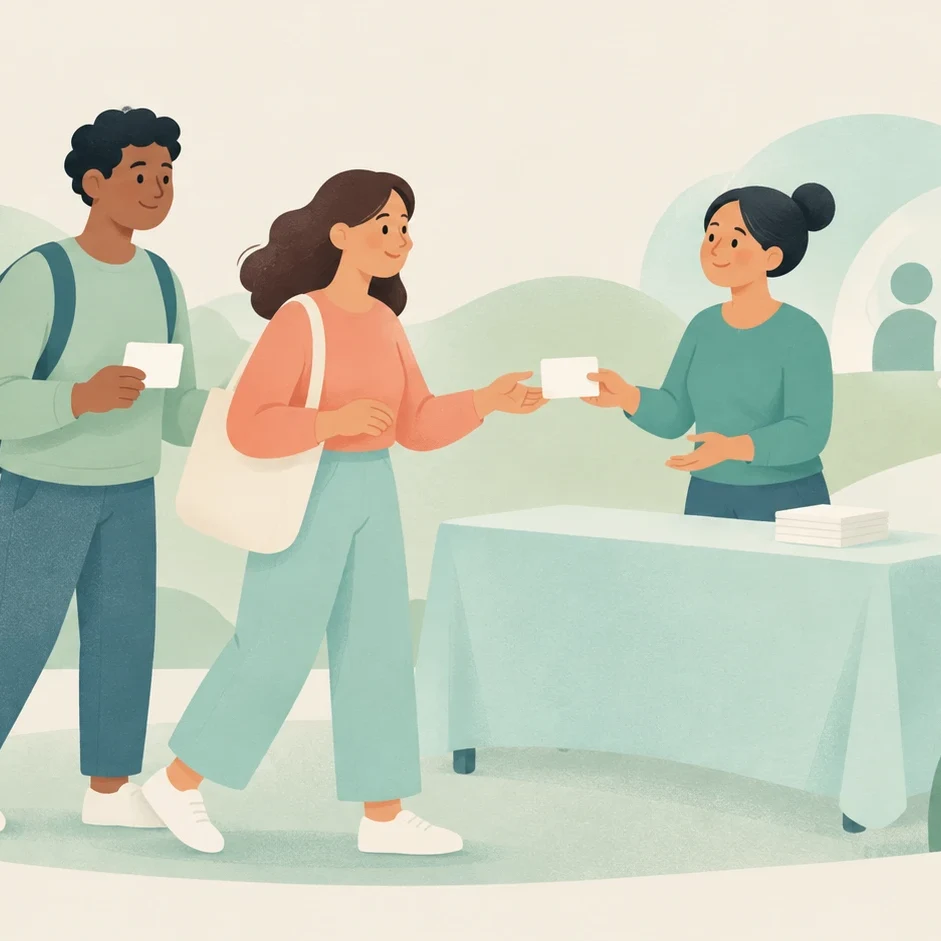
You sign up for a photography course, but you sign up to bring snacks to its first meeting. The next word decides the pattern.
Start listening


You can hear important news in one second but need much longer to feel that it is real. During that delay, the news is sinking in.
Start listening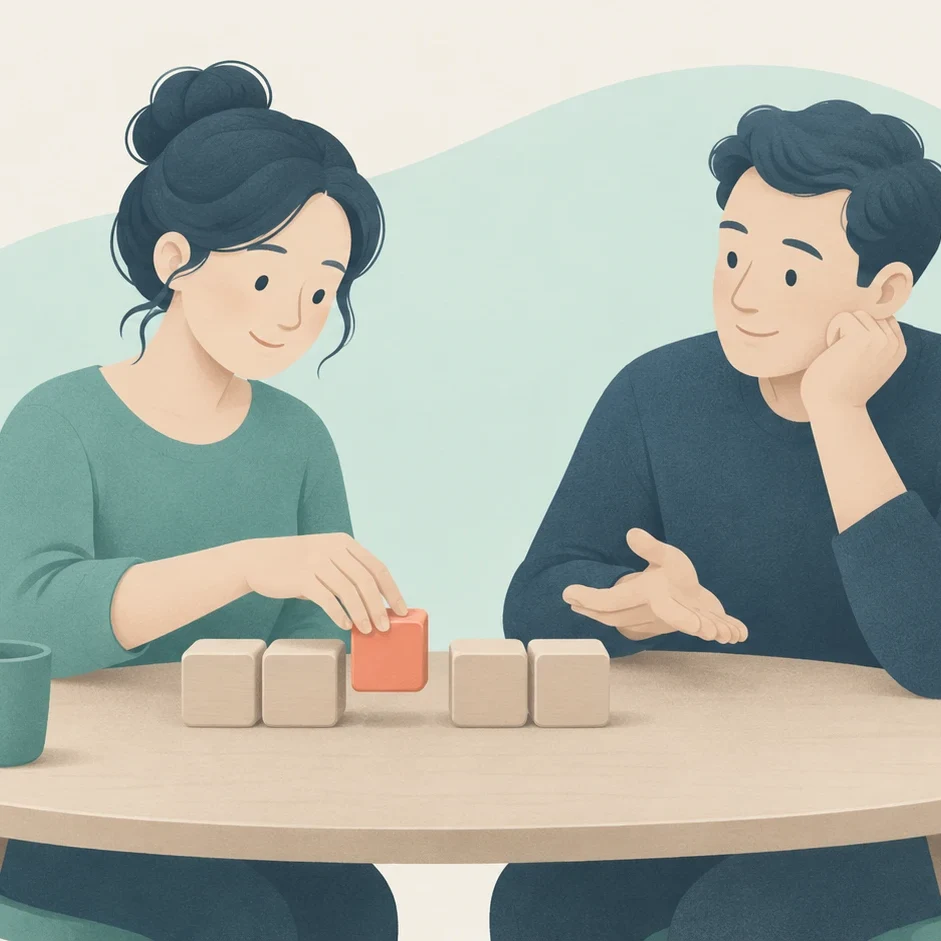



A yellow umbrella stands out in a crowd because it is easy to see. An excellent application stands out because its quality is better. Both attract attention for different reasons.
Start listening

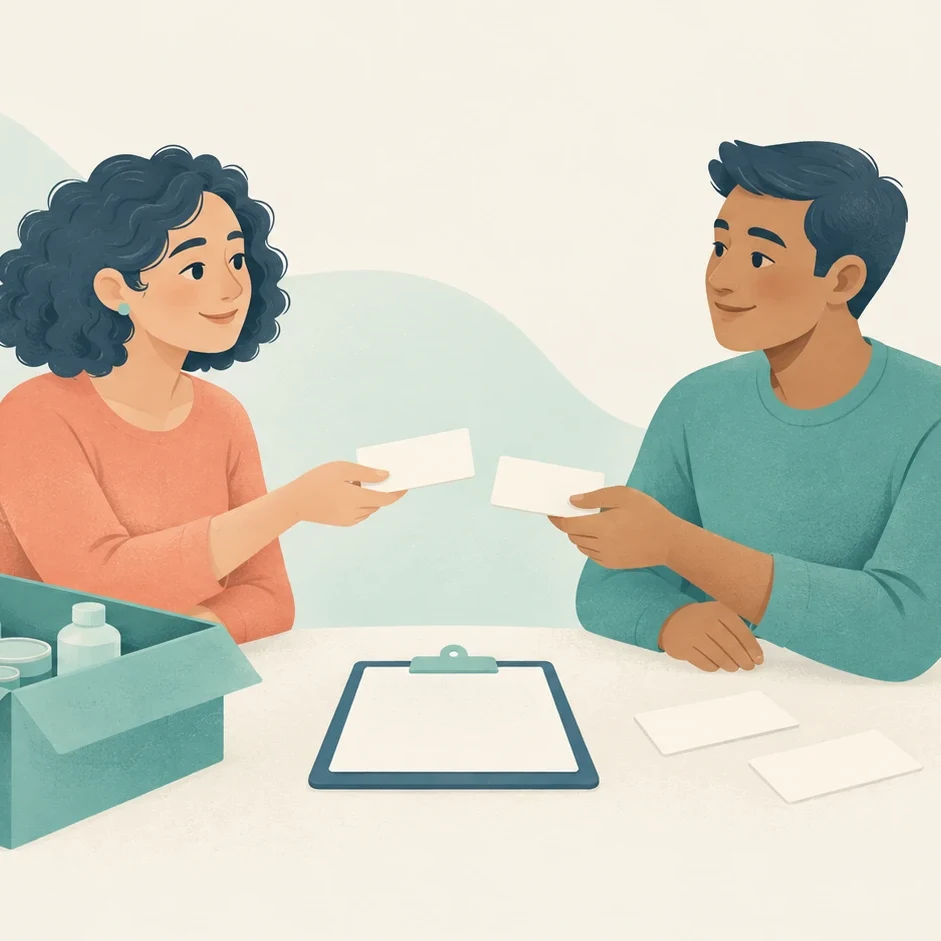
Two volunteers discuss three time slots before agreeing on one swap. Which times belong to the final arrangement?
Start listening

No. These lessons are grouped by their catalogue level. Use the examples and recordings to judge what you need to practice; completing a lesson does not certify your level.
Yes. Use the slower playback control when you need another listen, then return to normal speed when you can follow the sentence.
The first guided dictation in each lesson is available as a free sample. Other activities may require membership. The lesson shows what is available before you start.