Turn up
Listen once, then type what you hear.
0:00
Read the transcript
You completed the real listening sample. Open the lesson to continue.
Follow a short everyday situation, then listen again for the words you missed. Start with a recording below or choose a B1 lesson from the library.
The first dictation is free to try without an account. Choose an available accent, listen and type the words you hear.
Listen once, then type what you hear.
0:00
You completed the real listening sample. Open the lesson to continue.
Start with arrival and meeting phrases. Open Turn up for different meanings, Bump into for an unexpected meeting, or Head back for returning somewhere. These are starting suggestions, not a placement test.
Listen for who is speaking, what happened and the main action. On the next replay, check small words around the verb. In turn up and bump into, the whole phrase carries the meaning.
After checking your answer, explain the sentence in your own words. If most of it is unfamiliar, read the meaning first and return to the recording. If you understood it, replay once at normal speed before moving on.
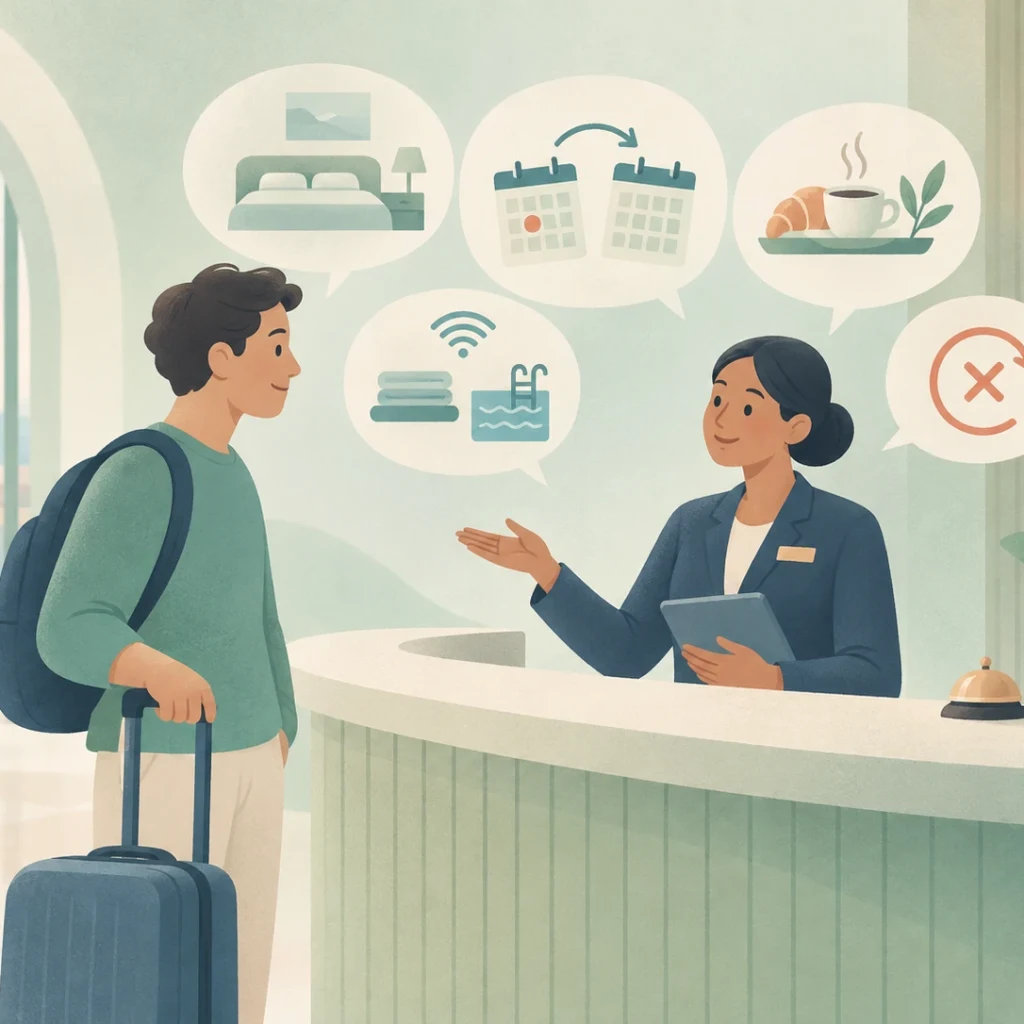
A guest books three nights and asks for one room feature. Which services are included, and when does free cancellation end?
Start listening
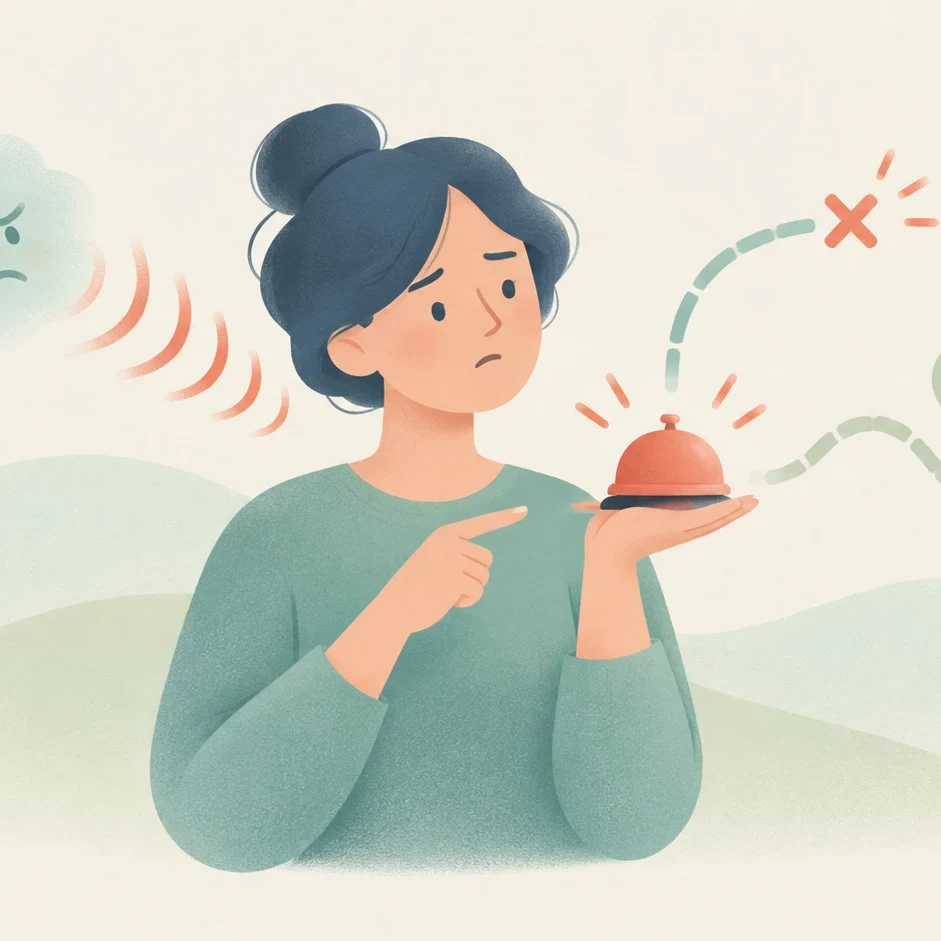
Noise can bother you, a thought can bother you, and you may not bother to reply. The first two affect feelings; the last describes effort.
Start listening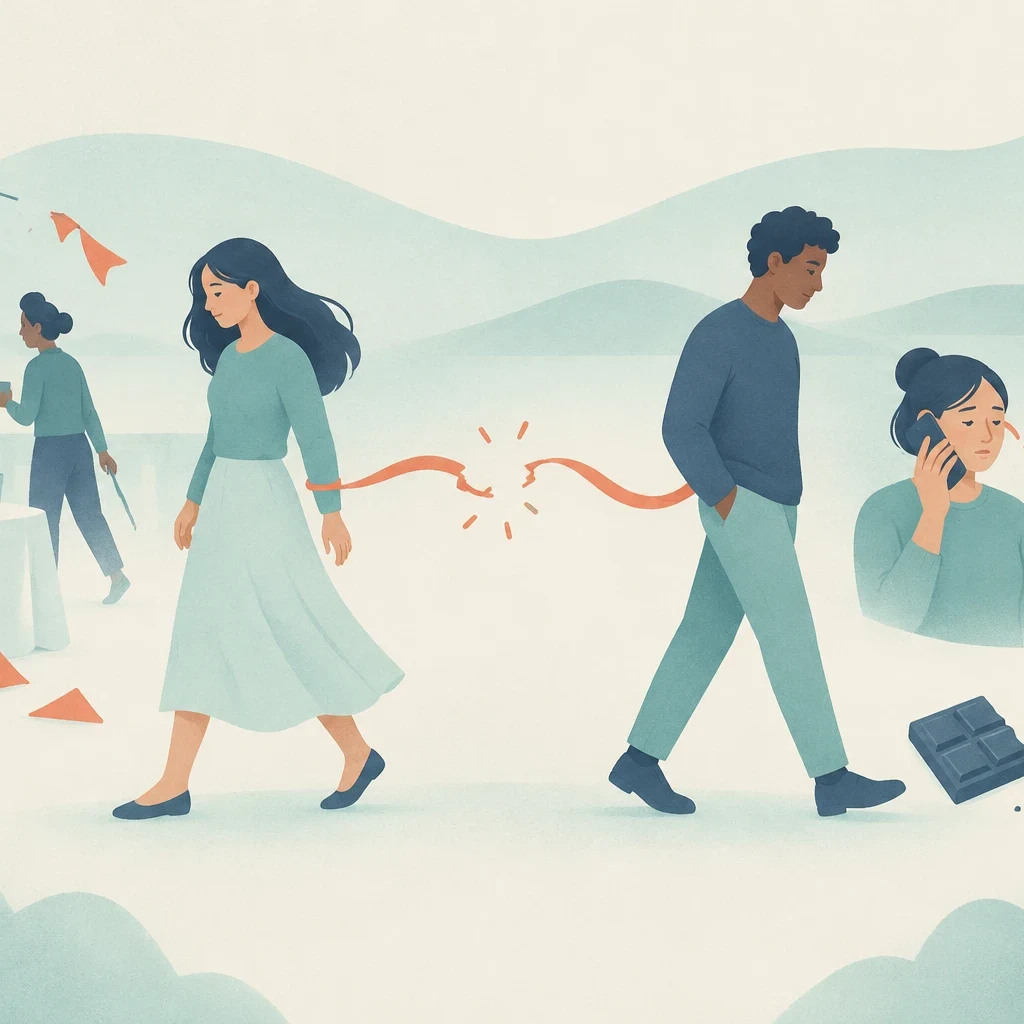
A couple breaks up, a meeting breaks up, and a phone call starts breaking up. Only one involves a romantic relationship.
Start listening

A small decision can produce a large result. Bring about connects the cause to the change that follows.
Start listening
You can bring up a difficult topic, bring up a child, or bring up a file on a screen. Context tells you which action is happening.
Start listening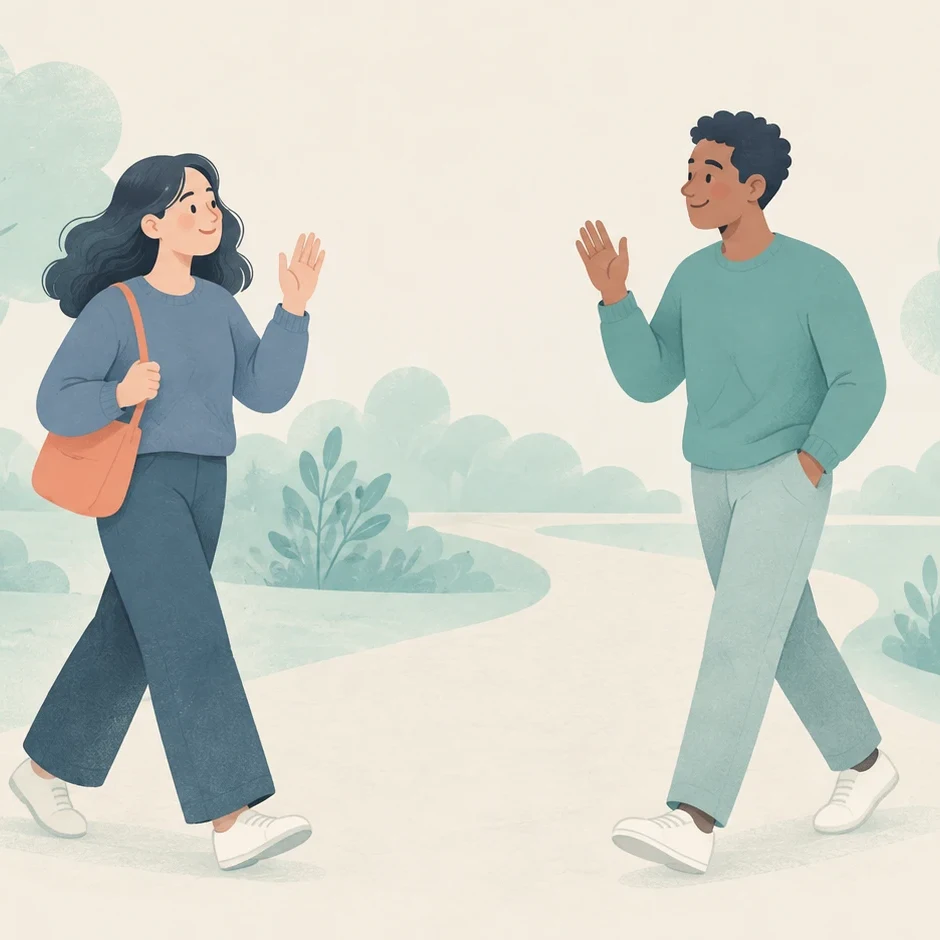
If you bump into an old friend, you meet unexpectedly. If you bump into a table, the surprise may hurt a little more.
Start listening
A worker, a campfire and a motor can all burn out, but each one reaches a different kind of end.
Start listening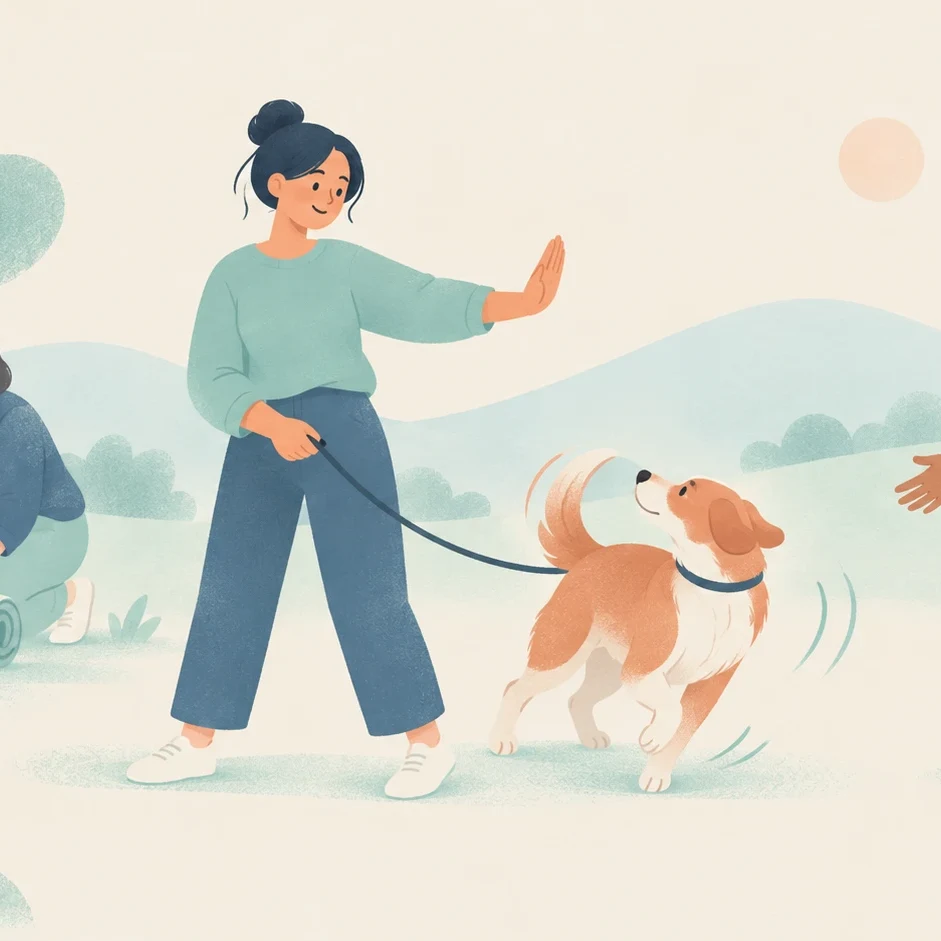
You can call off a match before it starts, call off a search already in progress, or call a threatening dog off.
Start listening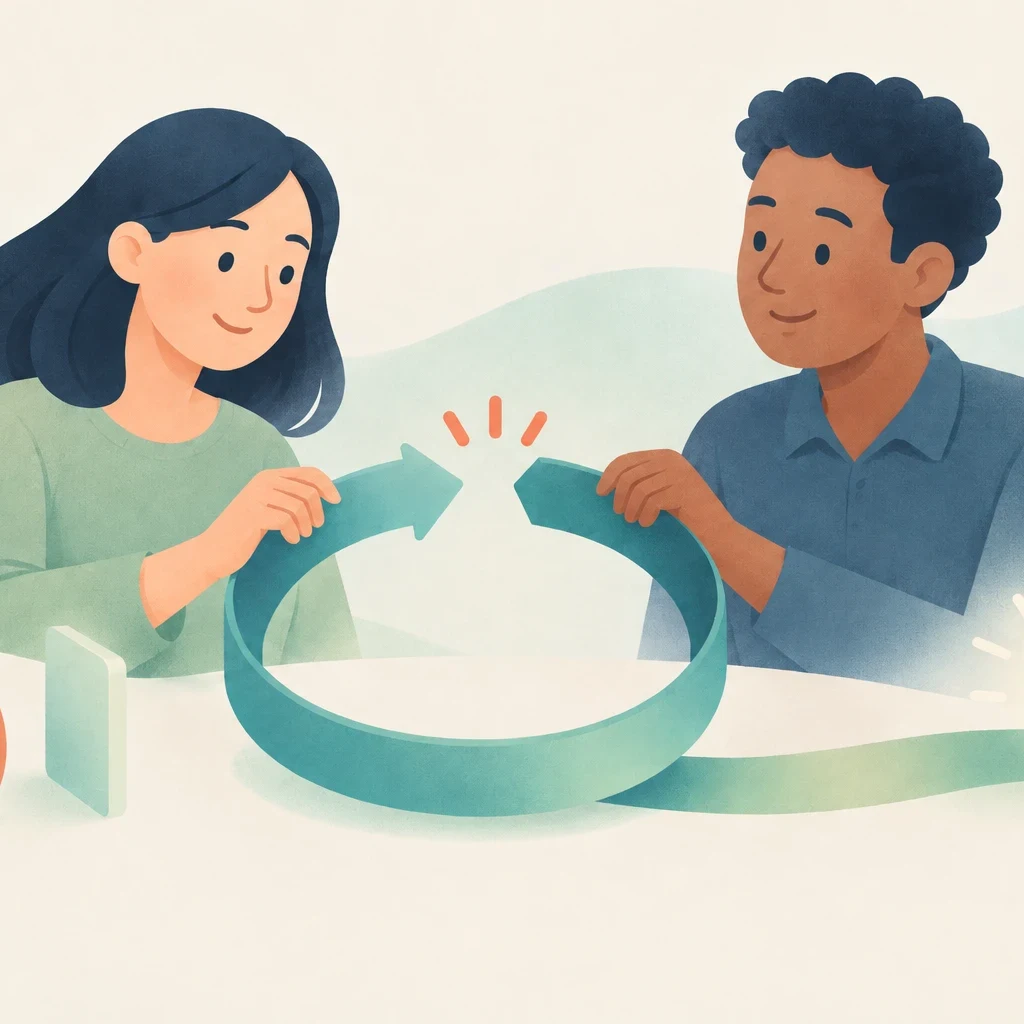
The customer cancels renewal today but keeps access until the thirtieth. Does that mean another monthly payment is due?
Start listening
Fall behind on a walk, at work or in a friendship, and catch up helps you close the gap in three different ways.
Start listening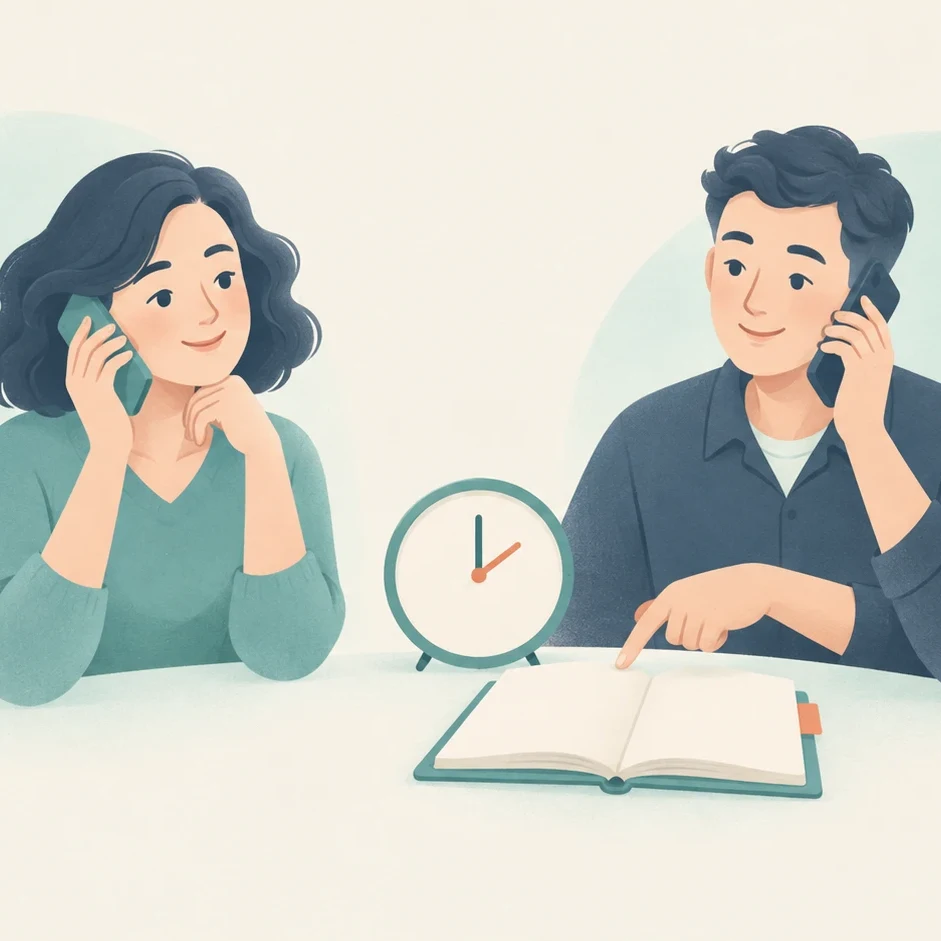
A caller mentions Thursday, Monday morning and Monday afternoon. Only one is the new appointment. Can you track the change?
Start listening
The planned first gallery is closed, so the tour changes order and finishes in a different place. Which locations remain part of the route?
Start listening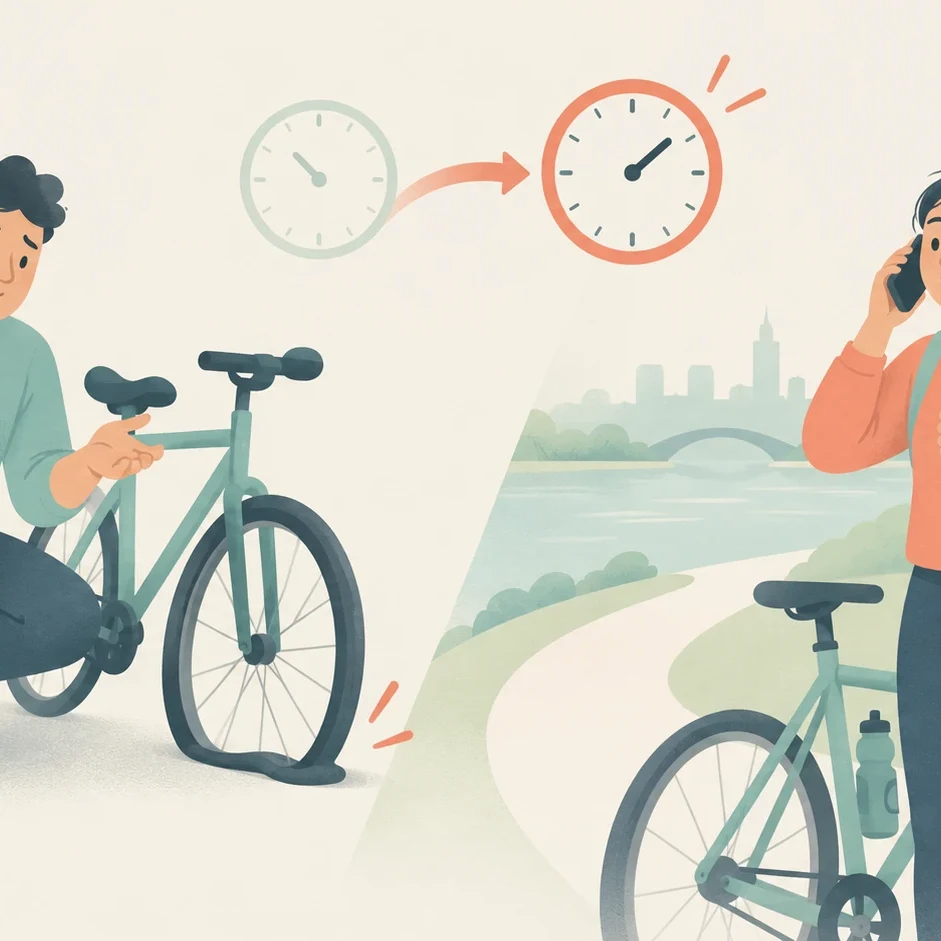
A friend cannot meet at the agreed time. Can you hear why the plan changes, identify the new time, and notice how the request stays polite?
Start listening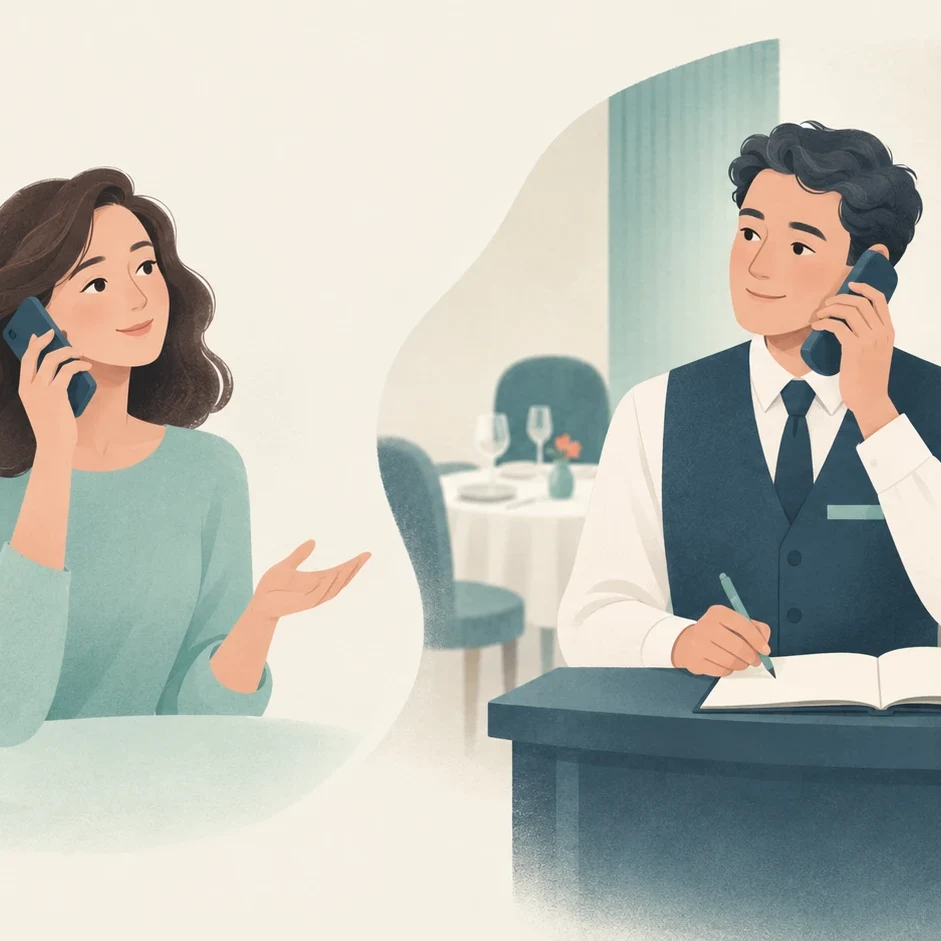
The booking begins with four people at seven. By the end, both the number and time have changed, but the seating request has not.
Start listening
A customer orders for two people, changes one ingredient, and mentions an allergy. Can you separate preference from essential safety information?
Start listening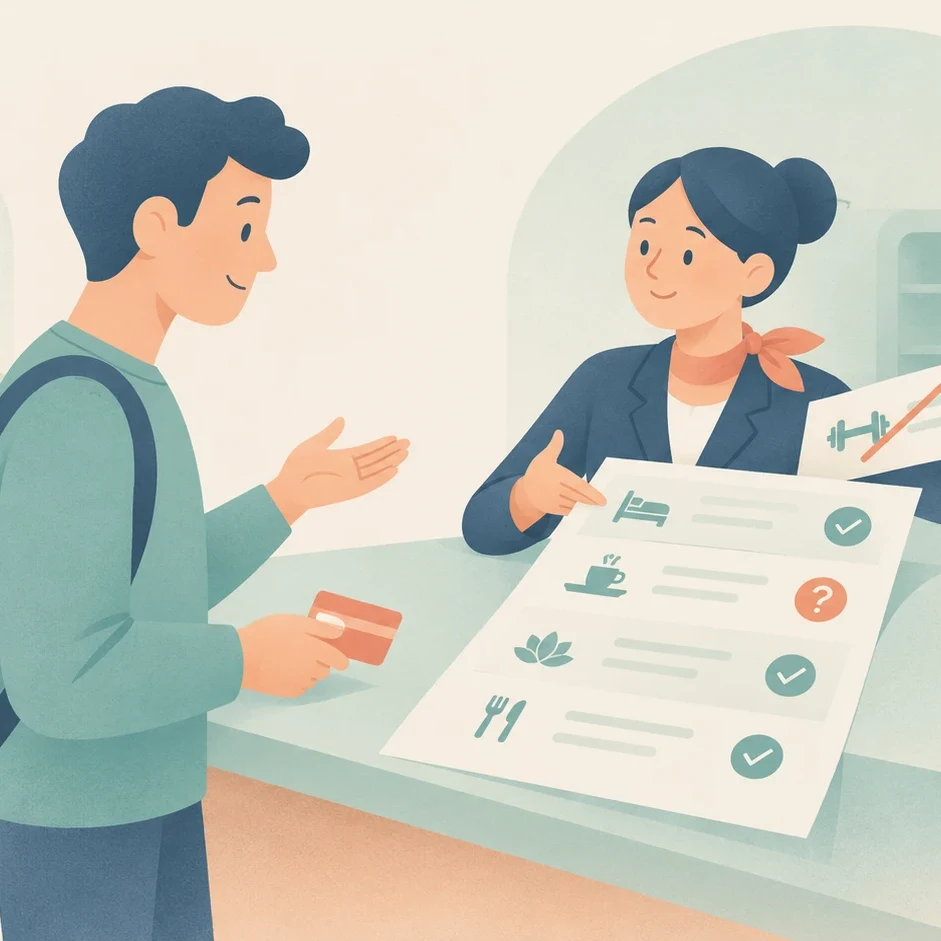
Breakfast appears on the bill, parking does not, and a minibar charge belongs to another room. What remains in the final total?
Start listening
A huge task may not disappear at once, but each small action can chip away at it.
Start listening
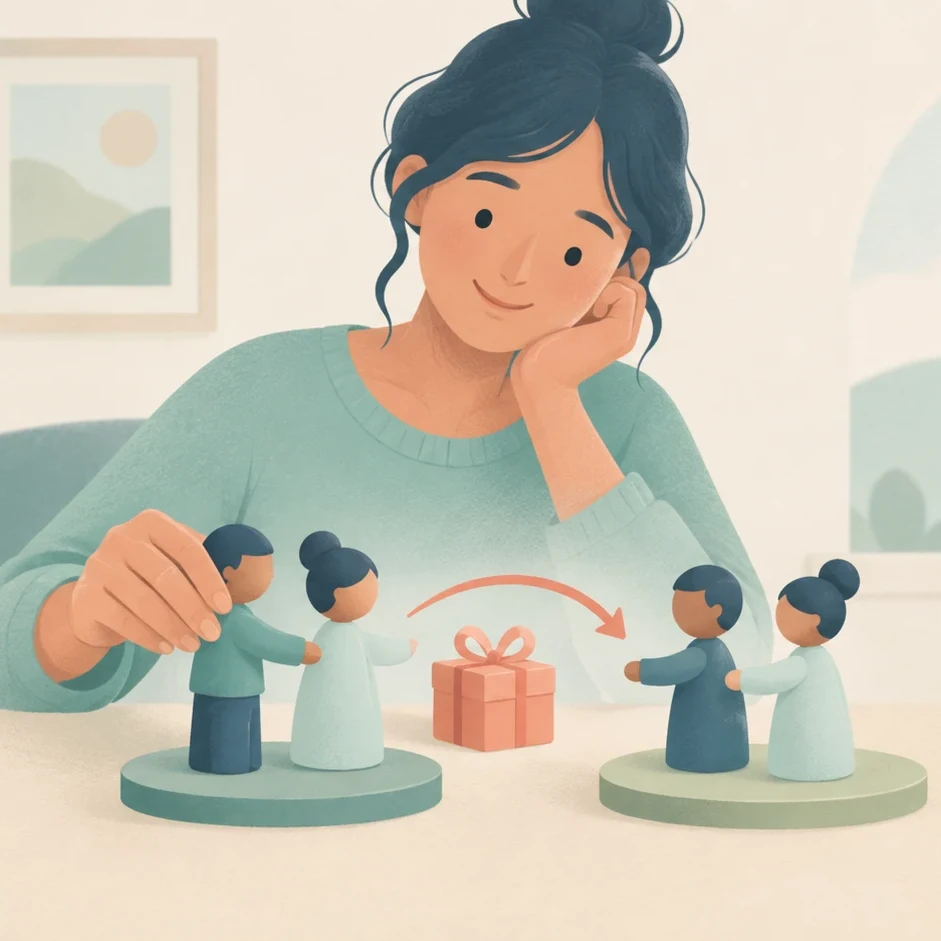
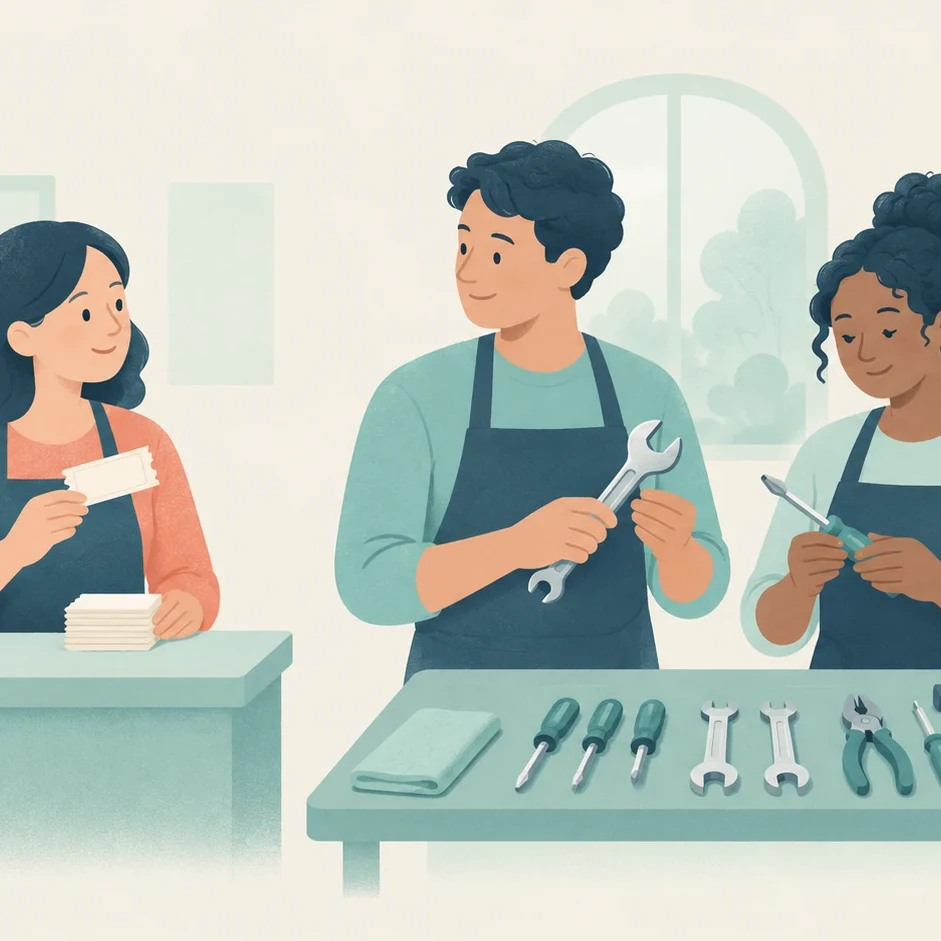
One course is cheaper and online; the other offers classroom practice but clashes with work. Which factor finally determines the choice?
Start listeningNo. These lessons are grouped by their catalogue level. Use the examples and recordings to judge what you need to practice; completing a lesson does not certify your level.
Yes. Use the slower playback control when you need another listen, then return to normal speed when you can follow the sentence.
The first guided dictation in each lesson is available as a free sample. Other activities may require membership. The lesson shows what is available before you start.