ممارسة الاستماع للأفعال الاصطلاحية
يمكن أن يؤدي تغيير الكلمة الصغيرة بعد الفعل إلى تغيير معناه. استمع إلى العبارة بأكملها، ثم تحقق من كيفية ترابط الكلمات.

Look up to
A role model does more than impress you. You look up to that person because their character or achievements earn your respect.
ابدأ الاستماع
Make up
Friends can make up after an argument, but one of them might also make up an excuse. The object and situation reveal whether something is repaired or invented.
ابدأ الاستماع
Measure up
A product can have impressive features yet still fail the test that matters. If it does not meet the required standard, it does not measure up.
ابدأ الاستماع
Narrow Down 3
Ten reasonable choices can make a decision harder. Narrowing them down removes the less suitable ones until the best options are easier to compare.
ابدأ الاستماع
Pay off
Months of practice can pay off when you finally succeed. Monthly payments pay a loan off only when the remaining balance reaches zero.
ابدأ الاستماع
Phase out
Replacing every old device today may disrupt users. Phasing the devices out lets an organisation remove them in planned stages.
ابدأ الاستماع
Pick up
You can pick up a parcel, pick up some Spanish while travelling, or pick up a conversation after lunch. The words around the phrase reveal its meaning.
ابدأ الاستماع
Pull out
A company may pull out of a deal, a parent may pull a child out of a team, and a car may pull out into the road. The grammar shows who chooses to leave.
ابدأ الاستماع
Put behind
A mistake may still be part of your history, but it does not have to control your next decision. You can learn from it and put it behind you.
ابدأ الاستماع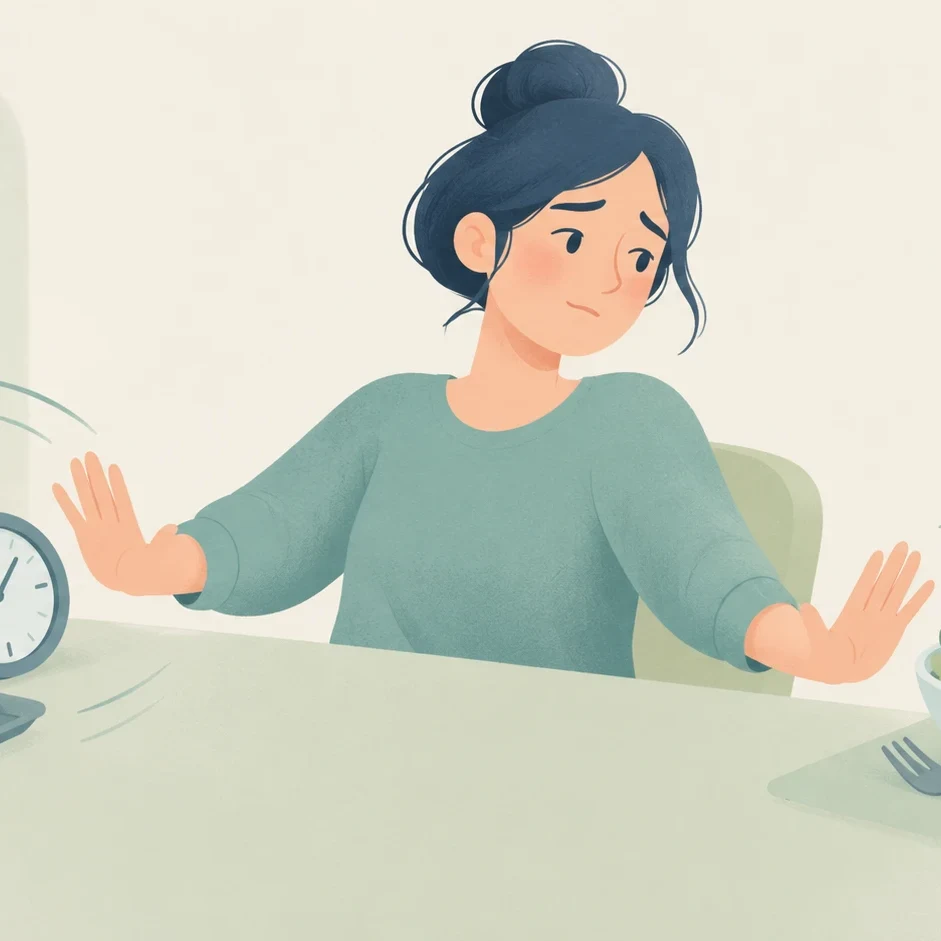
Put off
Rain can put off a picnic until Friday, while an unpleasant smell can put you off your lunch. One meaning changes the time; the other changes how you feel.
ابدأ الاستماع
Put on
Before guests arrive, you might put on a clean shirt, put the lights on and put on some music. The object tells you which action happens.
ابدأ الاستماع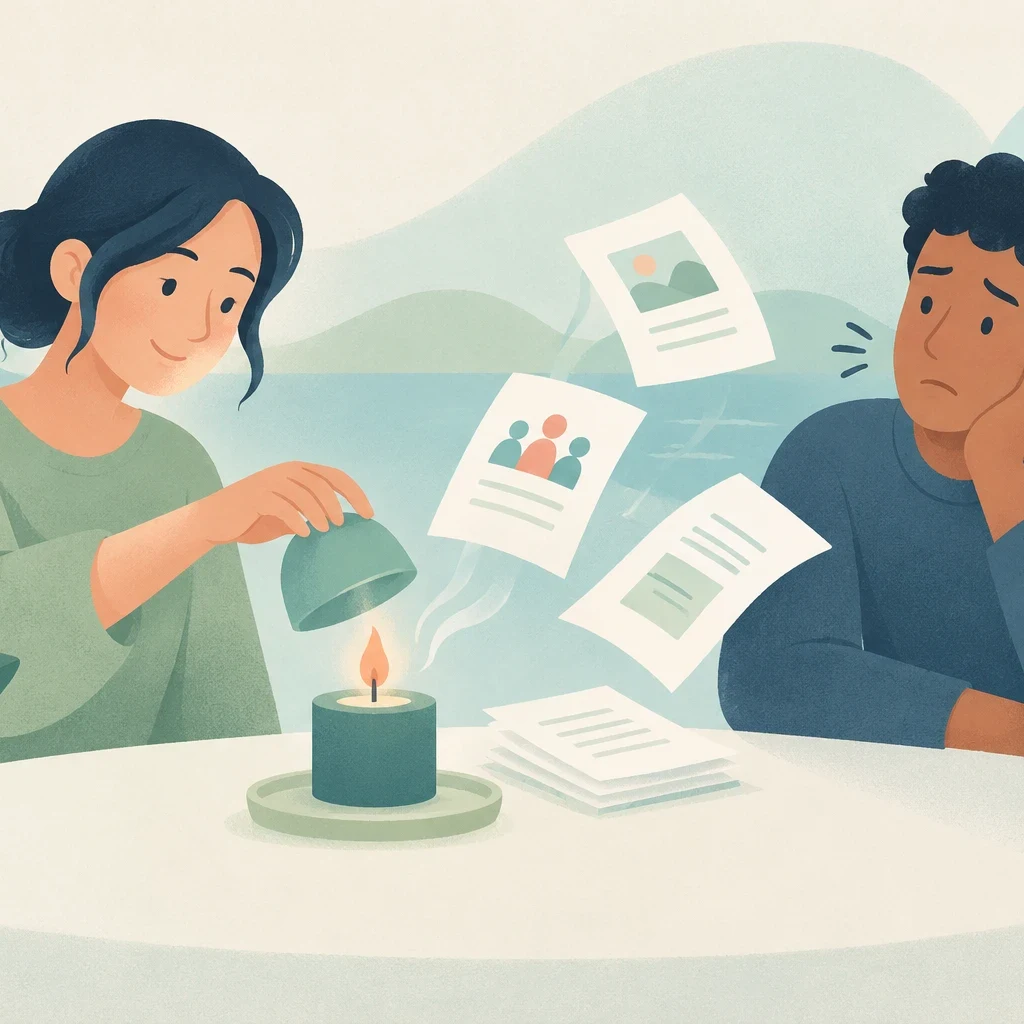
Put out
You can put out a candle, a company can put out a statement, and a late request can put someone out. The object changes the meaning.
ابدأ الاستماع
Put up with
A neighbour's music may be annoying, but you might accept it for one evening. If you continue accepting the annoyance, you put up with it.
ابدأ الاستماع
Rip off
A dishonest seller might rip you off, while you might rip a label off a parcel. A person object signals cheating; a physical object often signals quick removal.
ابدأ الاستماع
Rule out
A test may rule out one illness, but a doctor who cannot rule it out still thinks it is possible. The negative form reverses the practical message.
ابدأ الاستماع
Run into
You might run into an old friend, run into a technical problem, or run into another car. The object tells you whether the meeting is pleasant, difficult or physical.
ابدأ الاستماع
Run out of
If we run out of coffee, the coffee has run out. Both sentences describe an empty supply, but the subject and grammar are different.
ابدأ الاستماع
Show off
Someone can show off without an object to attract attention, or show off a new skill so other people admire it. One describes behaviour; the other highlights what is displayed.
ابدأ الاستماع
Sign up
You sign up for a photography course, but you sign up to bring snacks to its first meeting. The next word decides the pattern.
ابدأ الاستماع
Sink in
You can hear important news in one second but need much longer to feel that it is real. During that delay, the news is sinking in.
ابدأ الاستماع
Stand out
A yellow umbrella stands out in a crowd because it is easy to see. An excellent application stands out because its quality is better. Both attract attention for different reasons.
ابدأ الاستماع
Take after
You may have your father's smile but your grandmother's patience. When a family similarity comes from an older relative, you can say you take after that person.
ابدأ الاستماع
Take part in
You can watch a race from the side, or you can enter it and take part. The phrase means joining the activity, not simply being nearby.
ابدأ الاستماع
Talk into
You may not plan to join a trip, but a friend's reasons can change your mind. If the conversation persuades you, your friend talks you into going.
ابدأ الاستماعما تدربه هذه العائلة
ما يجب ممارسته
استخدم الأمثلة لفهم المعنى وترتيب الكلمات. جرب الإملاء لسماع هذا النمط في جملة.
لاحظ التعبير بأكمله، بما في ذلك كلمات مثل up و off و out. استخدم الجملة لتحديد المعنى المناسب.
تحقق من مكان المفعول به. مع الفعل القابل للفصل، يوضع مفعول به قصير مثل it بين الفعل والجسيم. تبقى التعبيرات الأخرى متصلة.
لماذا يصعب سماعه
ما يجب الاستماع إليه
الكلمة الصغيرة بعد الفعل ليست دائمًا هادئة. استمع إلى التسجيل الفعلي بدلاً من افتراض مكان النبرة الأقوى.
قد لا يكون التعرف على الفعل وحده كافيًا. إذا كانت الجملة غير واضحة، أعد تشغيل الكلمات التي تليها وقارنها بالمثال.
ابدأ من هنا
نقاط البداية المقترحة
اختر المستوى الذي يناسبك. يمكنك العودة إلى القائمة الكاملة في أي وقت.
-
ابدأ من B1
28 Phrasal Verbs With Take
Take off, take over and take up share one short verb but describe very different actions. Grouping them by idea makes the expressions easier to retrieve than learning a random list.
12 دقيقة · فتح الدرس → -
التالي في B1
Add up
A colleague says the receipts add up, but the explanation does not. The same two words describe two very different judgements.
12 دقيقة · فتح الدرس → -
التالي في B1
Back down
A manager changes a policy after staff challenge it. She does not move backwards, but people say she backed down.
12 دقيقة · فتح الدرس →
تقدم المستوى
من B1 إلى C2
تحقق من عدد الدروس في كل مستوى قبل اختيار نقطة البداية.
-
B1
76 دروس
اختر فعلًا يوميًا. تعلم معنى واحدًا مفيدًا وتدرب على ترتيب الكلمات الأساسي.
-
B2
لا توجد دروس بعد
قارن المعاني في مواقف مختلفة. لاحظ متى يغير تغيير المفعول به الرسالة.
-
C1
لا توجد دروس بعد
قارن التعبير ببديل أكثر رسمية، باستخدام ملاحظات الدرس للحكم على السياق.
-
C2
لا توجد دروس بعد
اتبع التعبير عبر الجمل الأطول. تتبع الفعل، وكلمته الصغيرة، ومفعوله به.
ملاحظة اللهجة
قارن بين الأصوات المتاحة
التسجيلات المتاحة مدرجة في كل درس. قارن المقطع نفسه بلكنة أخرى عند توفرها، ولكن حافظ على ترتيب كلماته ومعناه.
أسئلة المتعلمين
قبل أن تبدأ
بأي مستوى يجب أن أبدأ؟
استخدم مرشح المستوى للعثور على درس مناسب. ابدأ بمستوى أقل إذا كنت بحاجة إلى دعم في المعنى أو ترتيب الكلمات، حتى لو كنت تدرس عادةً في مستوى أعلى.
هل أحتاج إلى كل معنى في وقت واحد؟
ابدأ بالمعنى المستخدم في المثال. إذا كان الدليل يقارن معاني أخرى، فادرس الكائن والموقف الذي يميزهما.
هل يمكنني استخدام فعل من كلمة واحدة بدلًا من ذلك؟
أحيانًا. تحقق من المعنى والنبرة: البديل من كلمة واحدة يمكن أن يكون مفيدًا، ولكنه لا يناسب دائمًا الجملة أو الموقف نفسه.
كيف أتدرب على موضع المفعول به؟
اقرأ النمط والمثال، ثم أغلق النص واكتب الجملة التي تسمعها. تحقق من موضع الكلمات القصيرة مثل it و them.
عائلات أخرى
واصل الاستكشاف
التعبيرات الاصطلاحية الإنجليزية وممارسة الاستماع
اقرأ المعاني والأمثلة، ثم تدرب على سماع التعبيرات الاصطلاحية مع الإملاء والتغذية الراجعة كلمة بكلمة.
استكشف هذه العائلة →استماعات مصغرة: تسجيلات إنجليزية قصيرة
تدرب على متابعة تسجيل قصير، ثم استخدم الإملاء أو ملء الفراغ للتحقق من التفاصيل.
استكشف هذه العائلة →ممارسة الاستماع للقواعد
اقرأ نمطًا نحويًا وأمثلته، ثم استمع للشكل في جملة كاملة.
استكشف هذه العائلة →تركيز الكلمات: المعنى والاستخدام
ادرس كلمة في سياقها. قارن المعاني والتراكيب الشائعة، ثم تدرب على الاستماع.
استكشف هذه العائلة →نصائح وإرشادات للاستماع بالإنجليزية
إرشادات عملية حول إعادة التشغيل، التلميحات، النصوص، ومراجعة الكلمات التي أخطأت فيها.
استكشف هذه العائلة →اللغة العامية الإنجليزية: المعنى والسياق
مجموعة للغة الإنجليزية غير الرسمية، مع التركيز على المعنى، الإعداد، والنبرة. تحقق من القائمة للدروس المتاحة.
استكشف هذه العائلة →