تمرین شنیداری افعال عبارتی انگلیسی
گاهی با عوضشدن یک کلمهٔ کوتاه پس از فعل، معنی آن عوض میشود. عبارت را کامل بشنو و ببین کلمهها چطور کنار هم قرار گرفتهاند.


Look up to
A role model does more than impress you. You look up to that person because their character or achievements earn your respect.
شروع شنیدن
Make up
Friends can make up after an argument, but one of them might also make up an excuse. The object and situation reveal whether something is repaired or invented.
شروع شنیدن
Measure up
A product can have impressive features yet still fail the test that matters. If it does not meet the required standard, it does not measure up.
شروع شنیدن
Narrow Down 3
Ten reasonable choices can make a decision harder. Narrowing them down removes the less suitable ones until the best options are easier to compare.
شروع شنیدن
Pay off
Months of practice can pay off when you finally succeed. Monthly payments pay a loan off only when the remaining balance reaches zero.
شروع شنیدن
Phase out
Replacing every old device today may disrupt users. Phasing the devices out lets an organisation remove them in planned stages.
شروع شنیدن
Pick up
You can pick up a parcel, pick up some Spanish while travelling, or pick up a conversation after lunch. The words around the phrase reveal its meaning.
شروع شنیدن
Pull out
A company may pull out of a deal, a parent may pull a child out of a team, and a car may pull out into the road. The grammar shows who chooses to leave.
شروع شنیدن
Put behind
A mistake may still be part of your history, but it does not have to control your next decision. You can learn from it and put it behind you.
شروع شنیدن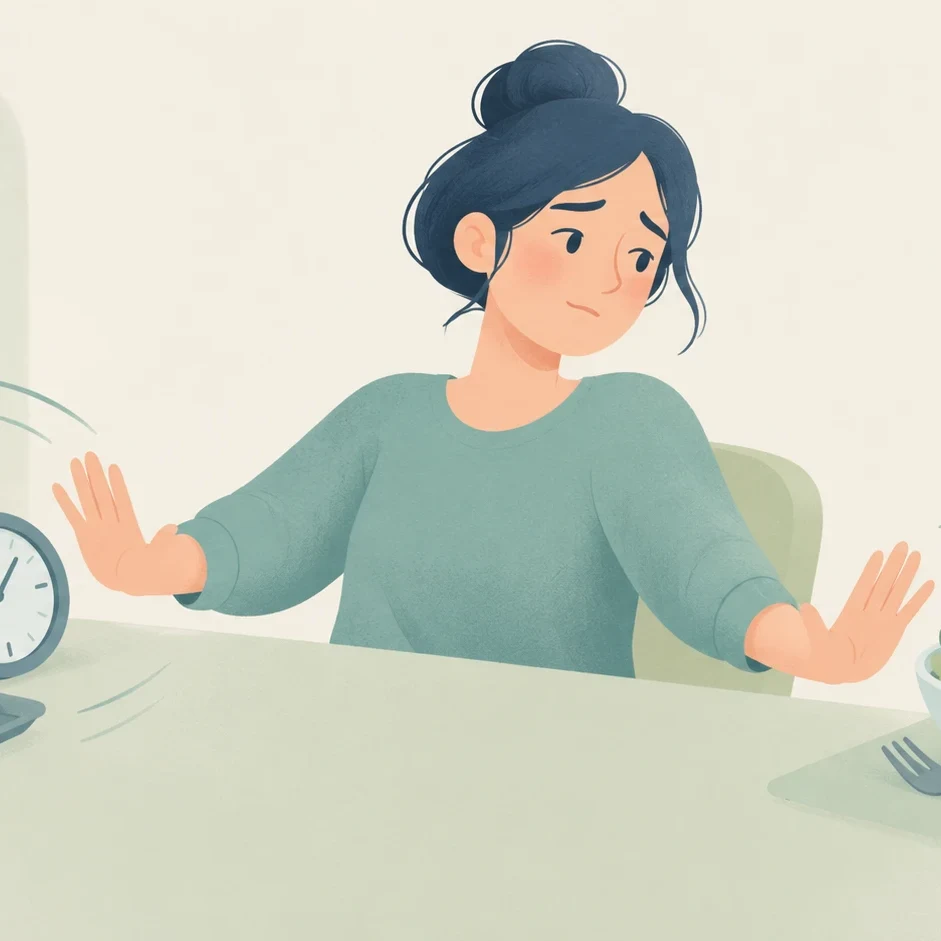
Put off
Rain can put off a picnic until Friday, while an unpleasant smell can put you off your lunch. One meaning changes the time; the other changes how you feel.
شروع شنیدن
Put on
Before guests arrive, you might put on a clean shirt, put the lights on and put on some music. The object tells you which action happens.
شروع شنیدن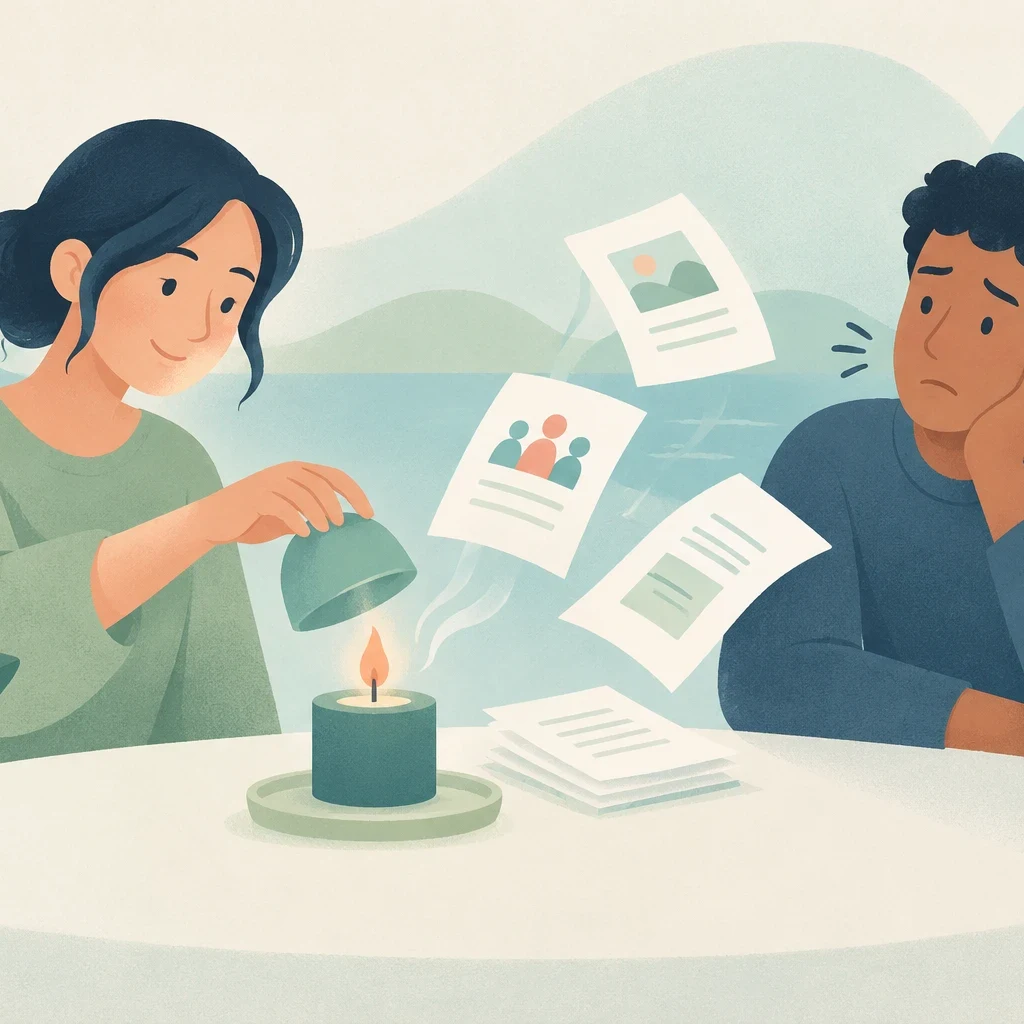
Put out
You can put out a candle, a company can put out a statement, and a late request can put someone out. The object changes the meaning.
شروع شنیدن
Put up with
A neighbour's music may be annoying, but you might accept it for one evening. If you continue accepting the annoyance, you put up with it.
شروع شنیدن
Rip off
A dishonest seller might rip you off, while you might rip a label off a parcel. A person object signals cheating; a physical object often signals quick removal.
شروع شنیدن
Rule out
A test may rule out one illness, but a doctor who cannot rule it out still thinks it is possible. The negative form reverses the practical message.
شروع شنیدن
Run into
You might run into an old friend, run into a technical problem, or run into another car. The object tells you whether the meeting is pleasant, difficult or physical.
شروع شنیدن
Run out of
If we run out of coffee, the coffee has run out. Both sentences describe an empty supply, but the subject and grammar are different.
شروع شنیدن
Show off
Someone can show off without an object to attract attention, or show off a new skill so other people admire it. One describes behaviour; the other highlights what is displayed.
شروع شنیدن
Sign up
You sign up for a photography course, but you sign up to bring snacks to its first meeting. The next word decides the pattern.
شروع شنیدن
Sink in
You can hear important news in one second but need much longer to feel that it is real. During that delay, the news is sinking in.
شروع شنیدن
Stand out
A yellow umbrella stands out in a crowd because it is easy to see. An excellent application stands out because its quality is better. Both attract attention for different reasons.
شروع شنیدن
Take after
You may have your father's smile but your grandmother's patience. When a family similarity comes from an older relative, you can say you take after that person.
شروع شنیدن
Take part in
You can watch a race from the side, or you can enter it and take part. The phrase means joining the activity, not simply being nearby.
شروع شنیدن
Talk into
You may not plan to join a trip, but a friend's reasons can change your mind. If the conversation persuades you, your friend talks you into going.
شروع شنیدنهدف این دسته از درسها
چه چیزی را تمرین میکنی؟
با مثال، یک معنی و ترتیب کلمههایش را بفهم. بعد در دیکته همان الگو را در جمله بشنو.
کل عبارت را در نظر بگیر، از جمله کلمههایی مثل up، off و out. از معنی جمله کمک بگیر تا بفهمی فعل اینجا چه معنیای دارد.
جای مفعول را بررسی کن. در فعل جداشدنی، ضمیر کوتاهی مثل it میان فعل و جزء بعدی میآید. بعضی عبارتها جدا نمیشوند.
چرا شنیدنش دشوار است؟
به چه چیزی گوش بدهی؟
کلمهٔ کوتاه پس از فعل همیشه کمتأکید نیست. به خود فایل گوش بده و از پیش حدس نزن کدام بخش با تأکید بیشتری گفته میشود.
شنیدن فعل بهتنهایی همیشه کافی نیست. اگر معنی روشن نشد، کلمههای بعد از فعل را دوباره بشنو و با مثال مقایسه کن.
از اینجا شروع کن
پیشنهادهایی برای شروع
سطح مناسب خودت را انتخاب کن. هر وقت بخواهی میتوانی به فهرست کامل برگردی.
-
شروع از B1
28 Phrasal Verbs With Take
Take off, take over and take up share one short verb but describe very different actions. Grouping them by idea makes the expressions easier to retrieve than learning a random list.
12 دقیقه · باز کردن درس -
گام بعد در B1
Add up
A colleague says the receipts add up, but the explanation does not. The same two words describe two very different judgements.
12 دقیقه · باز کردن درس -
گام بعد در B1
Back down
A manager changes a policy after staff challenge it. She does not move backwards, but people say she backed down.
12 دقیقه · باز کردن درس
پیش رفتن در سطحها
از B1 تا C2
پیش از انتخاب نقطهٔ شروع، تعداد درسهای هر سطح را ببین.
-
B1
76 درس
فعلی روزمره انتخاب کن. یک معنی کاربردی و ترتیب معمول کلمههایش را تمرین کن.
-
B2
هنوز درسی ندارد
معنیها را در موقعیتهای مختلف مقایسه کن. ببین تغییر مفعول چه زمانی پیام را عوض میکند.
-
C1
هنوز درسی ندارد
عبارت را با جایگزین رسمیتر مقایسه کن و از نکتههای درس برای تشخیص موقعیت مناسب کمک بگیر.
-
C2
هنوز درسی ندارد
فعل عبارتی را در جملههای طولانیتر دنبال کن. جای فعل، جزء بعدی و مفعول را گم نکن.
دربارهٔ لهجهها
صداهای موجود را مقایسه کن
در هر درس میبینی چه فایلهایی موجودند. اگر لهجهٔ دیگری ارائه شده، همان فایل را با آن مقایسه کن و همزمان معنی و ترتیب کلمهها را در نظر داشته باش.
پرسشهای زبانآموزها
پیش از شروع
از چه سطحی شروع کنم؟
با فیلتر سطح، درس مناسب پیدا کن. اگر برای معنی یا ترتیب کلمهها به کمک نیاز داری، سطح آسانتر را انتخاب کن؛ حتی اگر معمولاً در سطح بالاتری درس میخوانی.
همهٔ معنیهای یک فعل را یکجا یاد بگیرم؟
از معنی مثال شروع کن. اگر راهنما معنیهای دیگری را هم مقایسه میکند، ببین مفعول و موقعیت چطور آنها را از هم جدا میکنند.
میشود بهجای آن یک فعل تککلمهای به کار برد؟
گاهی میشود. هم معنی را بررسی کن، هم لحن را. جایگزین تککلمهای میتواند مفید باشد، اما همیشه در همان جمله یا موقعیت نمینشیند.
جای مفعول را چطور تمرین کنم؟
الگو و مثال را بخوان، متن فایل را ببند و جملهای را که میشنوی بنویس. جای کلمههای کوتاهی مثل it و them را بررسی کن.
دستههای دیگر
موضوعهای بیشتری ببین
اصطلاحات انگلیسی؛ معنی و تمرین شنیداری
معنی و مثال اصطلاحات را بخوان، بعد شنیدن آنها را با دیکته و بررسی کلمهبهکلمه تمرین کن.
دیدن این دسته از درسهاشنیداریهای کوتاه انگلیسی
دنبال کردن یک فایل صوتی کوتاه را تمرین کن، بعد با دیکته یا پر کردن جای خالی جزئیات را بررسی کن.
دیدن این دسته از درسهاگرامر انگلیسی با تمرین شنیداری
ساختار گرامری و مثالهایش را بخوان، بعد در یک جملهٔ کامل به شکل آن گوش بده.
دیدن این دسته از درسهامعنی و کاربرد لغات انگلیسی در جمله
یک کلمه را در موقعیت یاد بگیر. معنیها و ترکیبهای رایجش را مقایسه کن، بعد شنیدن آن را تمرین کن.
دیدن این دسته از درسهاراهنمای تمرین شنیداری انگلیسی
ببین چطور از پخش دوباره، راهنما و متن فایل صوتی استفاده کنی و کلماتی را که نشنیدی مرور کنی.
دیدن این دسته از درسهازبان عامیانهٔ انگلیسی؛ معنی و موقعیت استفاده
مجموعهای برای انگلیسی غیررسمی با توجه به معنی، موقعیت و لحن. درسهای موجود را در فهرست ببین.
دیدن این دسته از درسها
