Phrasal verbs en inglés: práctica de comprensión auditiva
Cambiar la palabra pequeña que sigue al verbo puede cambiar su significado. Escucha la frase completa y revisa cómo se combinan las palabras.


Look up to
A role model does more than impress you. You look up to that person because their character or achievements earn your respect.
Empezar a escuchar
Make up
Friends can make up after an argument, but one of them might also make up an excuse. The object and situation reveal whether something is repaired or invented.
Empezar a escuchar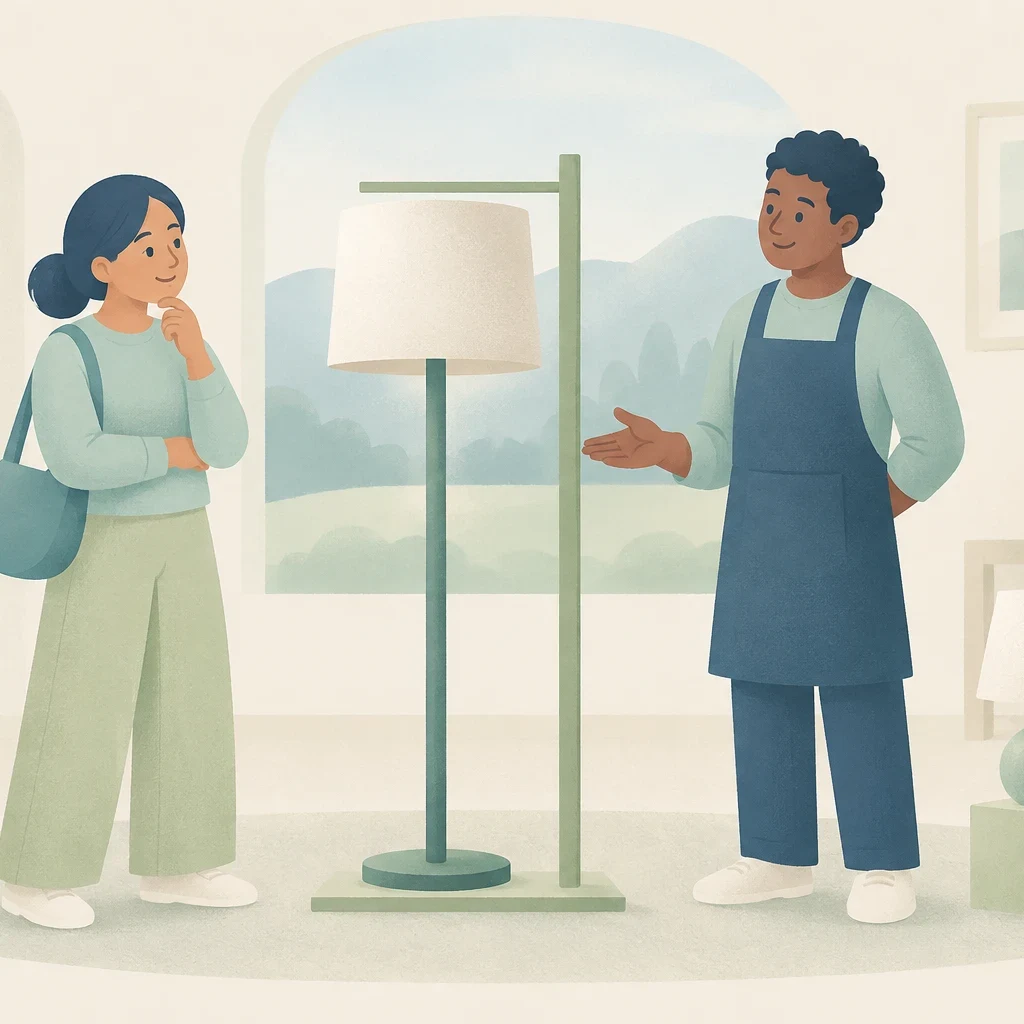
Measure up
A product can have impressive features yet still fail the test that matters. If it does not meet the required standard, it does not measure up.
Empezar a escuchar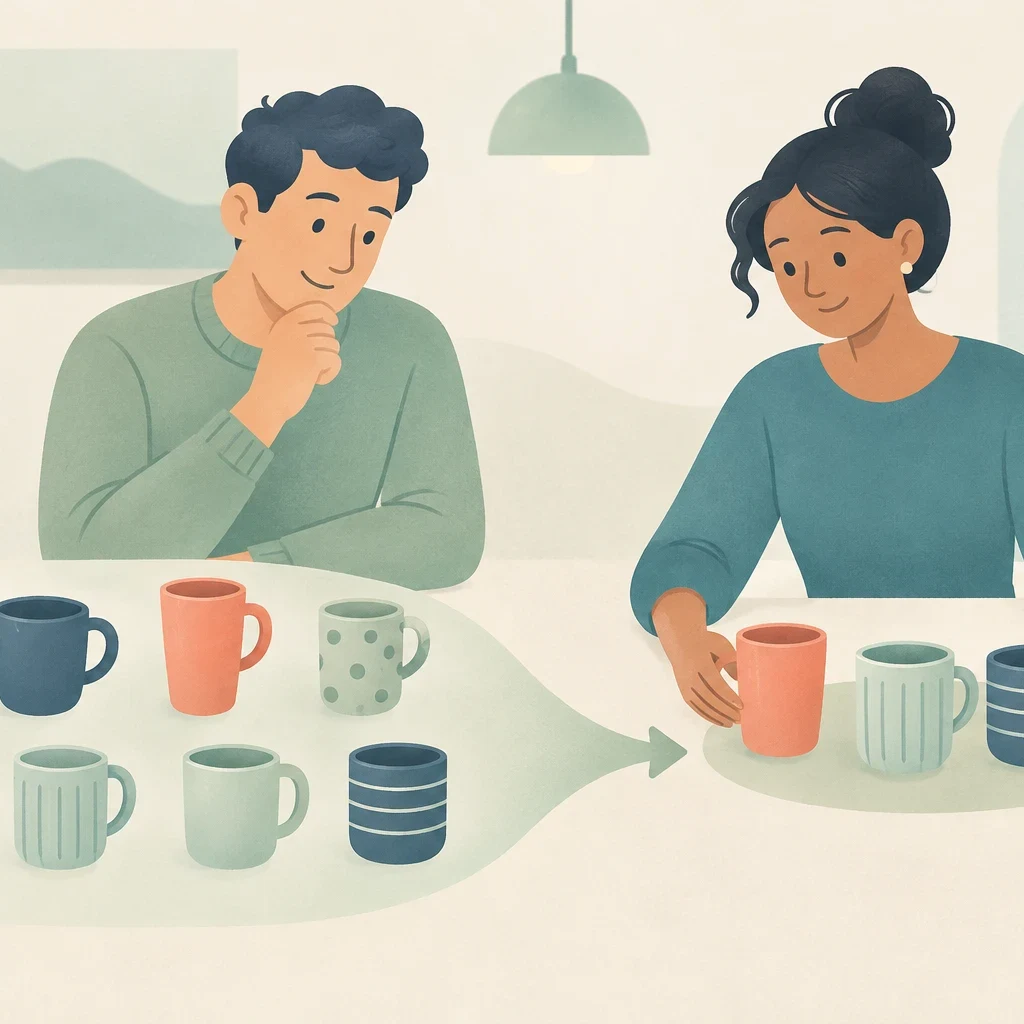
Narrow Down 3
Ten reasonable choices can make a decision harder. Narrowing them down removes the less suitable ones until the best options are easier to compare.
Empezar a escuchar
Pay off
Months of practice can pay off when you finally succeed. Monthly payments pay a loan off only when the remaining balance reaches zero.
Empezar a escuchar
Phase out
Replacing every old device today may disrupt users. Phasing the devices out lets an organisation remove them in planned stages.
Empezar a escuchar
Pick up
You can pick up a parcel, pick up some Spanish while travelling, or pick up a conversation after lunch. The words around the phrase reveal its meaning.
Empezar a escuchar
Pull out
A company may pull out of a deal, a parent may pull a child out of a team, and a car may pull out into the road. The grammar shows who chooses to leave.
Empezar a escuchar
Put behind
A mistake may still be part of your history, but it does not have to control your next decision. You can learn from it and put it behind you.
Empezar a escuchar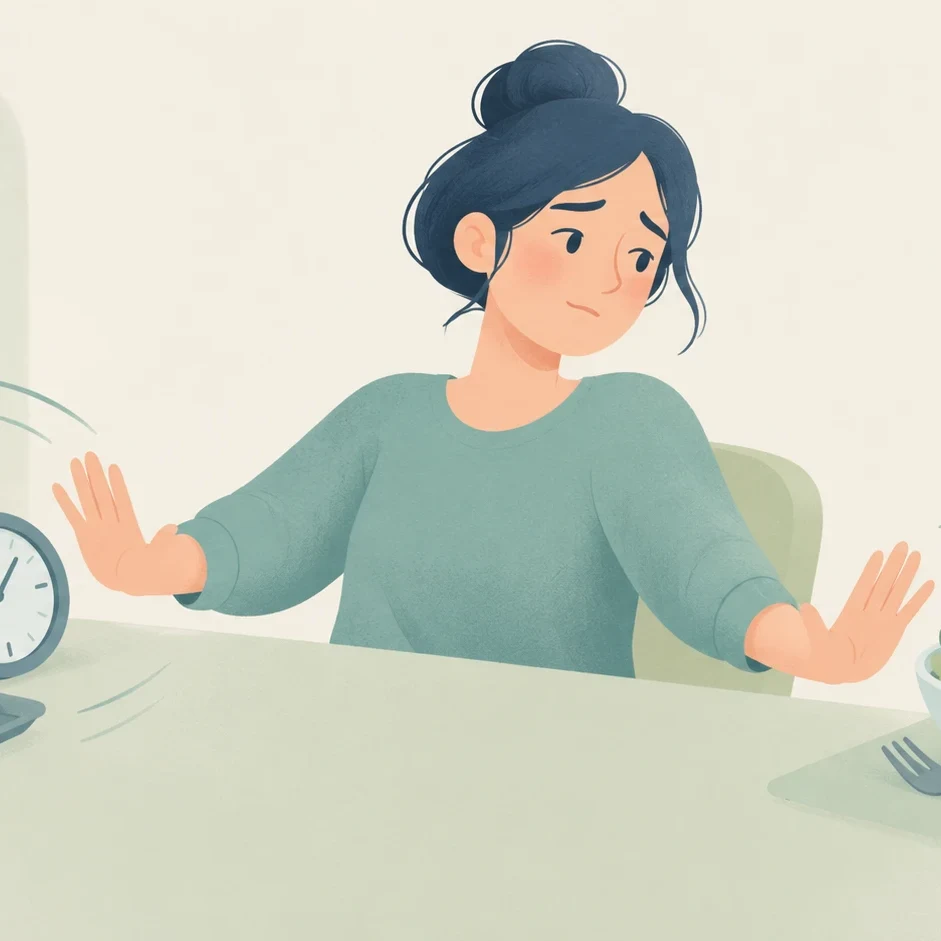
Put off
Rain can put off a picnic until Friday, while an unpleasant smell can put you off your lunch. One meaning changes the time; the other changes how you feel.
Empezar a escuchar
Put on
Before guests arrive, you might put on a clean shirt, put the lights on and put on some music. The object tells you which action happens.
Empezar a escuchar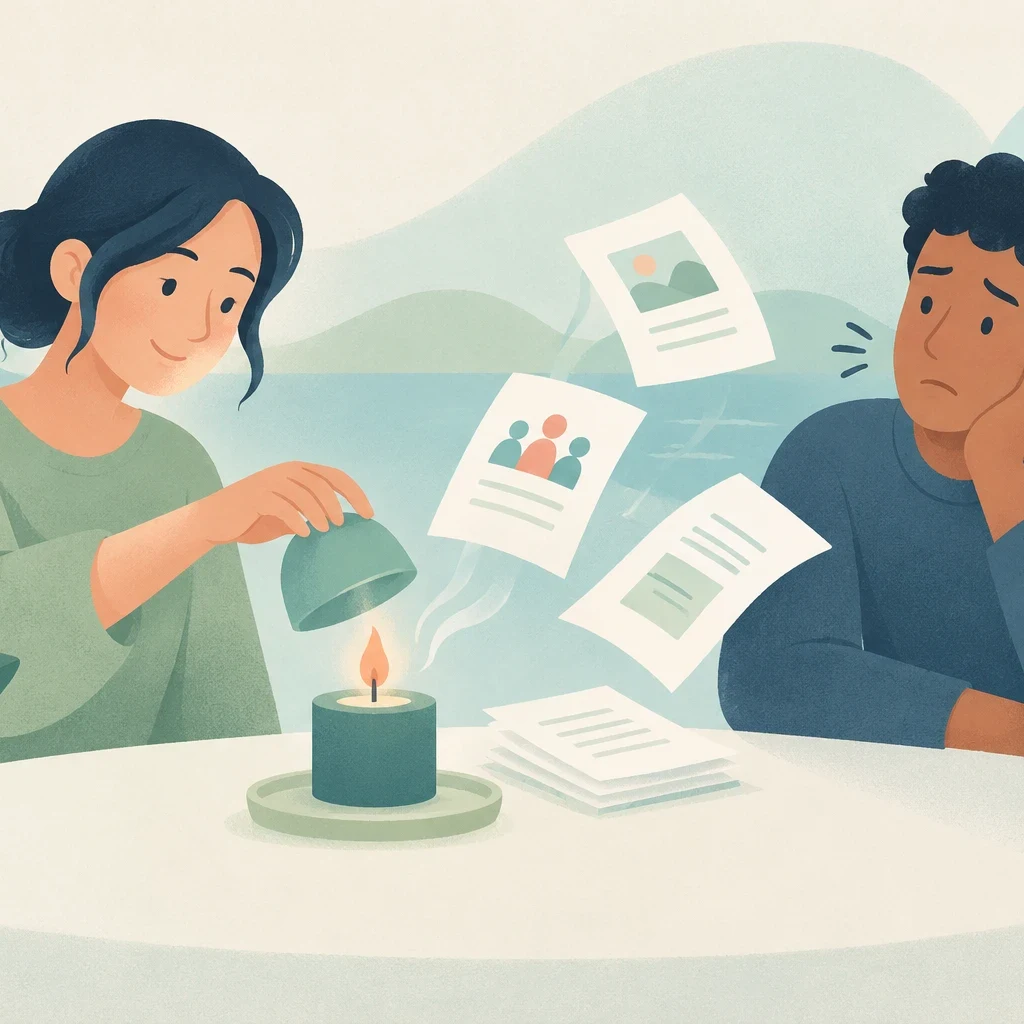
Put out
You can put out a candle, a company can put out a statement, and a late request can put someone out. The object changes the meaning.
Empezar a escuchar
Put up with
A neighbour's music may be annoying, but you might accept it for one evening. If you continue accepting the annoyance, you put up with it.
Empezar a escuchar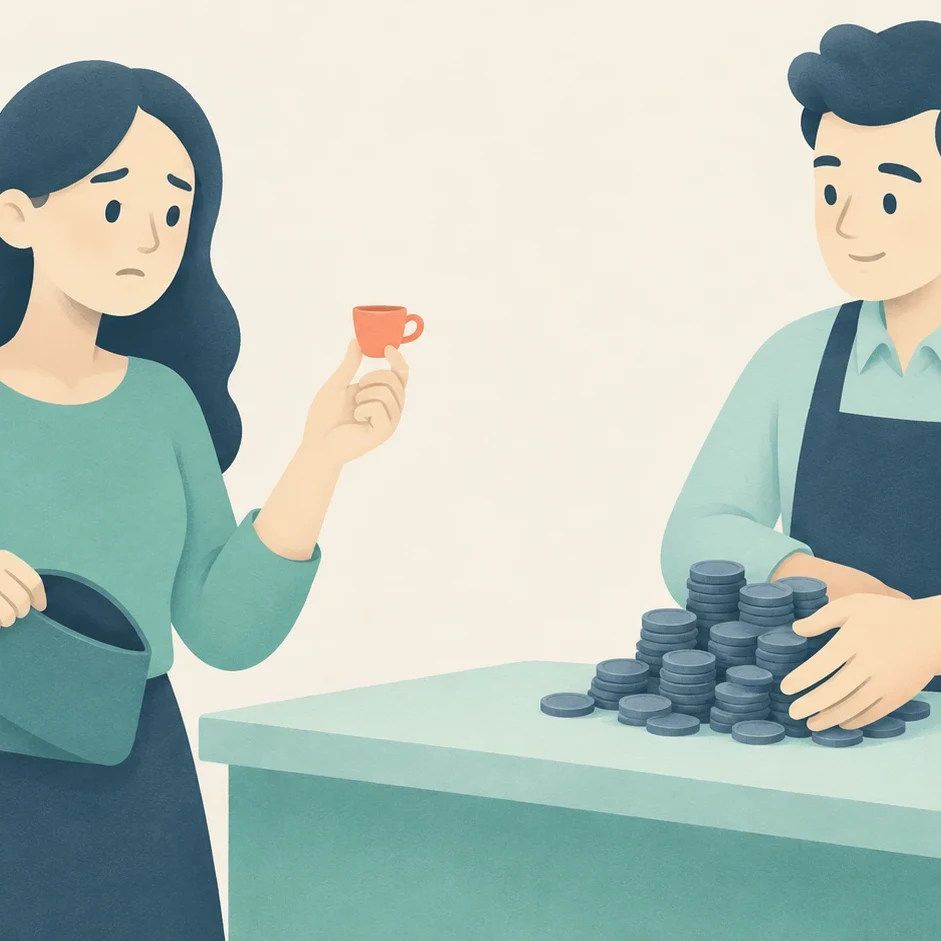
Rip off
A dishonest seller might rip you off, while you might rip a label off a parcel. A person object signals cheating; a physical object often signals quick removal.
Empezar a escuchar
Rule out
A test may rule out one illness, but a doctor who cannot rule it out still thinks it is possible. The negative form reverses the practical message.
Empezar a escuchar
Run into
You might run into an old friend, run into a technical problem, or run into another car. The object tells you whether the meeting is pleasant, difficult or physical.
Empezar a escuchar
Run out of
If we run out of coffee, the coffee has run out. Both sentences describe an empty supply, but the subject and grammar are different.
Empezar a escuchar
Show off
Someone can show off without an object to attract attention, or show off a new skill so other people admire it. One describes behaviour; the other highlights what is displayed.
Empezar a escuchar
Sign up
You sign up for a photography course, but you sign up to bring snacks to its first meeting. The next word decides the pattern.
Empezar a escuchar
Sink in
You can hear important news in one second but need much longer to feel that it is real. During that delay, the news is sinking in.
Empezar a escuchar
Stand out
A yellow umbrella stands out in a crowd because it is easy to see. An excellent application stands out because its quality is better. Both attract attention for different reasons.
Empezar a escuchar
Take after
You may have your father's smile but your grandmother's patience. When a family similarity comes from an older relative, you can say you take after that person.
Empezar a escuchar
Take part in
You can watch a race from the side, or you can enter it and take part. The phrase means joining the activity, not simply being nearby.
Empezar a escuchar
Talk into
You may not plan to join a trip, but a friend's reasons can change your mind. If the conversation persuades you, your friend talks you into going.
Empezar a escucharHabilidades de esta colección
Qué vas a practicar
Usa los ejemplos para entender un significado y su orden de palabras. Prueba el dictado para oír ese patrón dentro de una oración.
Fíjate en la expresión completa, incluidas palabras como up, off y out. Usa la oración para decidir qué significado encaja.
Revisa dónde va el objeto. Con un verbo separable, un objeto corto como it va entre el verbo y la partícula. Otras expresiones se quedan juntas.
Por qué cuesta entenderlo al oírlo
En qué fijarte al escuchar
La palabra pequeña que sigue al verbo no siempre suena débil. Escucha la grabación real en lugar de suponer en qué parte caerá el acento más fuerte.
Reconocer solo el verbo puede no bastar. Si la oración no te queda clara, vuelve a escuchar las palabras que lo siguen y compáralas con el ejemplo.
Empieza aquí
Puntos de partida sugeridos
Elige el nivel que mejor se ajuste a ti. Puedes volver a la lista completa cuando quieras.
-
Empieza en B1
28 Phrasal Verbs With Take
Take off, take over and take up share one short verb but describe very different actions. Grouping them by idea makes the expressions easier to retrieve than learning a random list.
12 min · Abrir lección -
Sigue con B1
Add up
A colleague says the receipts add up, but the explanation does not. The same two words describe two very different judgements.
12 min · Abrir lección -
Sigue con B1
Back down
A manager changes a policy after staff challenge it. She does not move backwards, but people say she backed down.
12 min · Abrir lección
Avance por niveles
De B1 a C2
Revisa cuántas lecciones hay en cada nivel antes de elegir dónde empezar.
-
B1
76 lecciones
Elige un verbo de uso diario. Aprende un significado útil y practica su orden básico de palabras.
-
B2
Aún no hay lecciones
Compara significados en distintas situaciones. Fíjate en cuándo un cambio de objeto cambia el mensaje.
-
C1
Aún no hay lecciones
Compara la expresión con una alternativa más formal y usa las notas de la lección para juzgar el contexto.
-
C2
Aún no hay lecciones
Sigue la expresión en cláusulas más largas. No pierdas de vista el verbo, su palabra pequeña y su objeto.
Nota sobre los acentos
Compara las voces disponibles
Las grabaciones disponibles aparecen en cada lección. Compara la misma grabación con otro acento cuando se ofrezca, pero sin perder de vista su orden de palabras y su significado.
Preguntas de quienes estudian
Antes de empezar
¿Con qué nivel debo empezar?
Usa el filtro de nivel para encontrar una lección adecuada. Empieza en un nivel más bajo si necesitas apoyo con el significado o el orden de las palabras, aunque normalmente estudies en uno más alto.
¿Necesito aprender todos los significados a la vez?
Empieza con el significado que se usa en el ejemplo. Si la guía compara otros significados, estudia el objeto y la situación que los distinguen.
¿Puedo usar un verbo de una sola palabra en su lugar?
A veces. Revisa tanto el significado como el tono: una alternativa de una sola palabra puede ser útil, pero no siempre encaja en la misma oración o situación.
¿Cómo practico la posición del objeto?
Lee la estructura y el ejemplo, luego cierra la transcripción y escribe la oración que oyes. Fíjate en la posición de palabras cortas como it y them.
Otras colecciones
Sigue explorando
Modismos en inglés y práctica de comprensión auditiva
Lee significados y ejemplos, y luego practica cómo se oyen los modismos con dictado y corrección palabra por palabra.
Explorar esta colecciónAudios cortos: grabaciones breves en inglés
Practica cómo seguir una grabación corta y luego usa el dictado o completa los espacios para comprobar los detalles.
Explorar esta colecciónGramática en inglés: práctica de comprensión auditiva
Lee una estructura gramatical con sus ejemplos y luego escucha cómo aparece en una oración completa.
Explorar esta colecciónUna palabra a fondo: significado y uso
Estudia una palabra en contexto. Compara sus significados y combinaciones frecuentes, y luego practica la comprensión auditiva.
Explorar esta colecciónConsejos para mejorar tu comprensión auditiva en inglés
Consejos prácticos para volver a escuchar, usar pistas, consultar transcripciones y repasar las palabras que te faltaron.
Explorar esta colecciónSlang en inglés: significado y contexto
Una colección de inglés informal que presta atención al significado, la situación y el tono. Revisa la lista para ver qué lecciones hay disponibles.
Explorar esta colección
