Phrasal verbs en inglés: práctica de comprensión auditiva
Cambiar la palabra pequeña que sigue al verbo puede cambiar su significado. Escucha la frase completa y revisa cómo se combinan las palabras.


Get away with
A person may break a rule without punishment, or use one coat of paint when two would be better. In both cases, they may get away with it.
Empezar a escuchar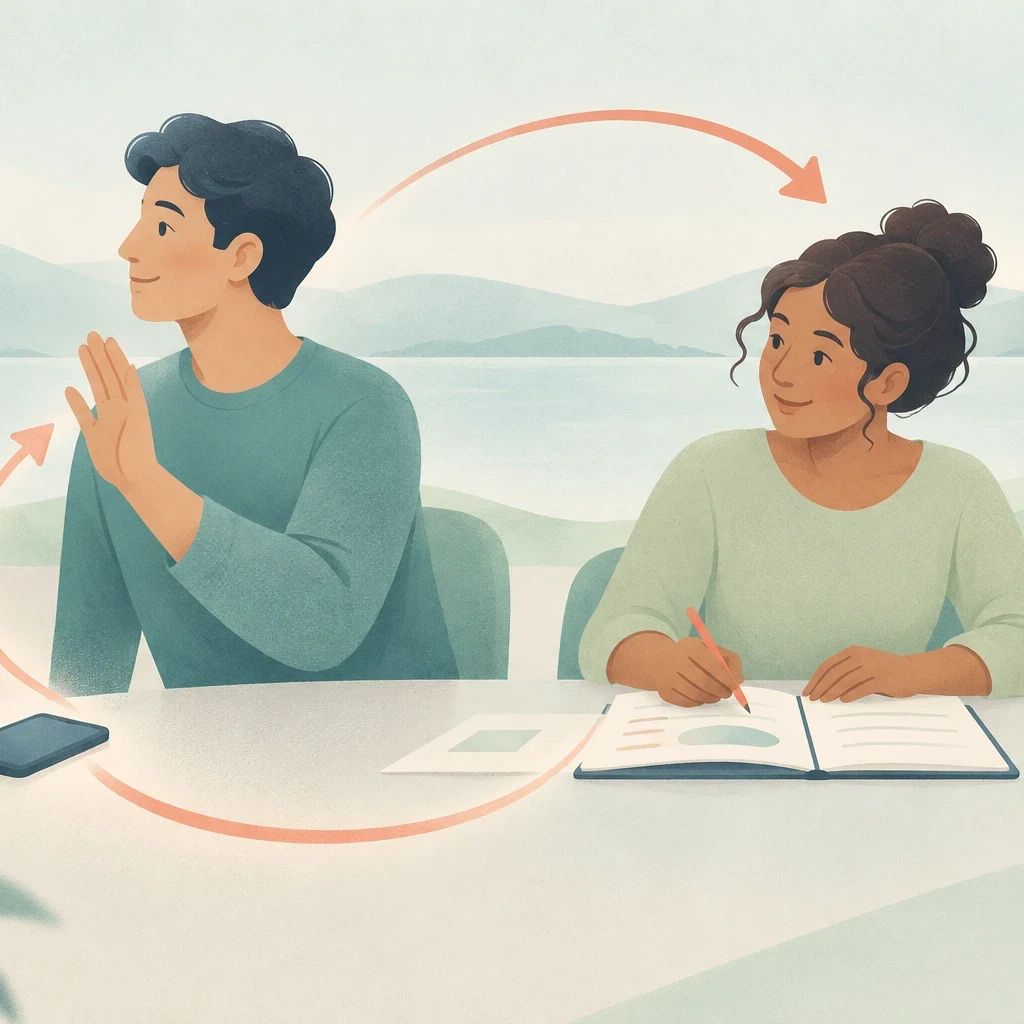
Get back to
If you cannot answer now, you can get back to a person later. When the interruption ends, you can get back to the task.
Empezar a escuchar
Get by
When you have less money, equipment or language than you would like but still manage, you get by.
Empezar a escuchar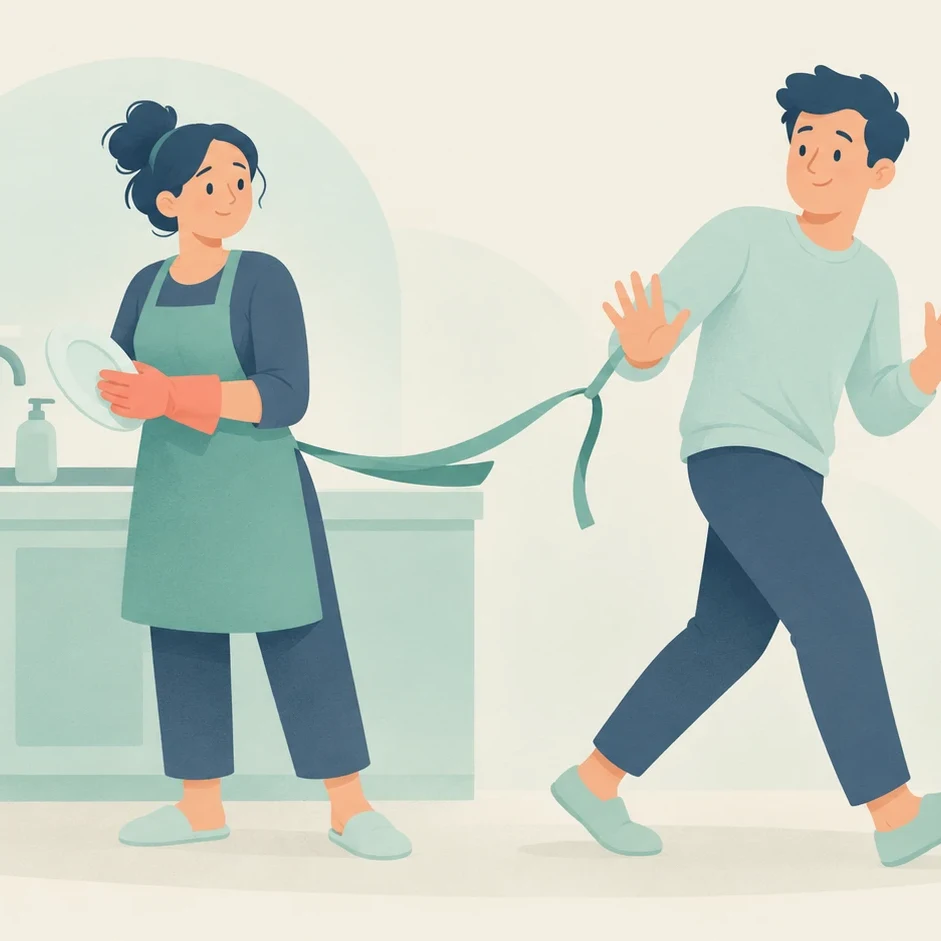
Get out of something
An excuse may help someone get out of a meeting, while a changed routine may help them get out of a bad habit.
Empezar a escuchar
Get over
After an illness, disappointment or shock, feeling like yourself again can take time. That process is getting over it.
Empezar a escuchar
Get round to
The task has stayed on your list for weeks. When you finally do it, you get round to it.
Empezar a escuchar
Get together
Friends get together for lunch, while two people who get together may also be starting a relationship. Context prevents awkward misunderstandings.
Empezar a escuchar
Give away
A shop can give away samples, while your smile can give away a secret. The same phrasal verb changes meaning with its object and situation.
Empezar a escuchar
Go down
Prices can go down, a website can go down, and the sun goes down every evening. The subject tells you what kind of change happened.
Empezar a escuchar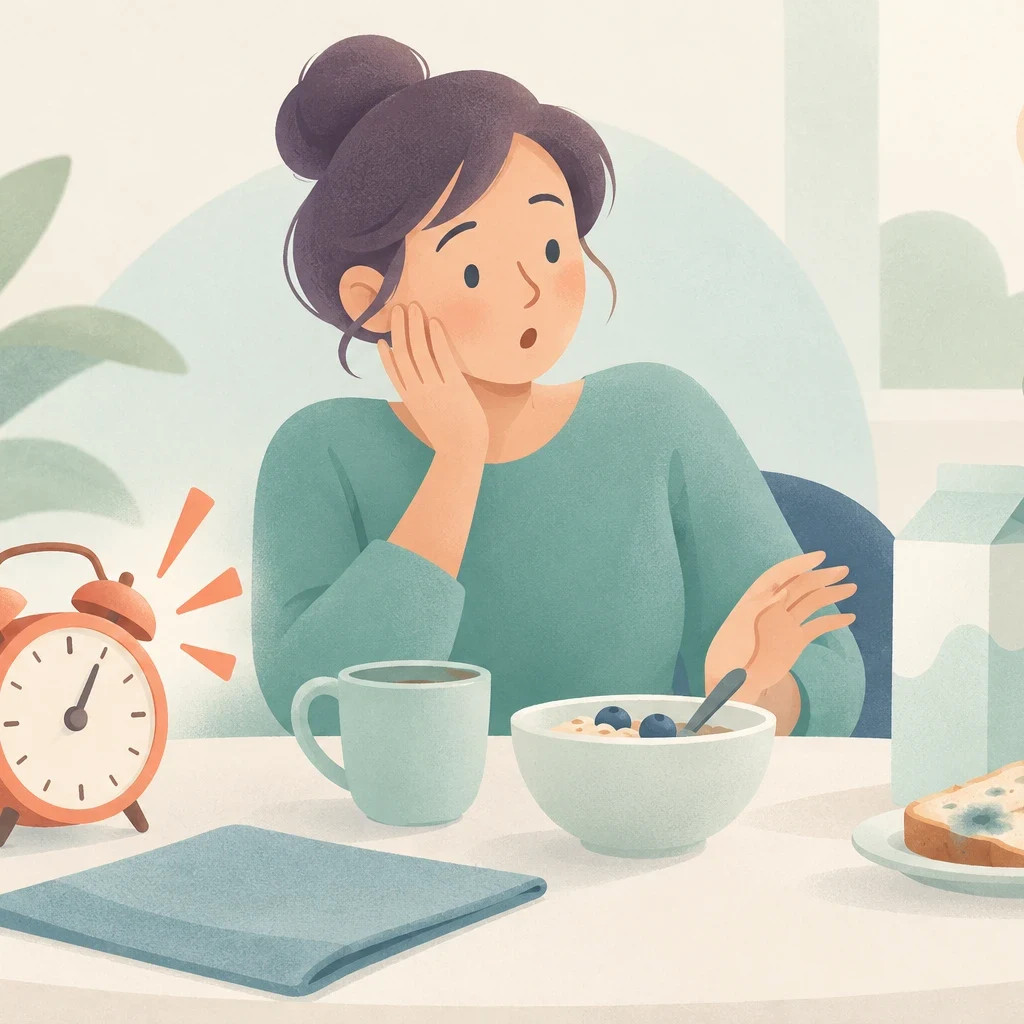
Go off
An alarm goes off when it starts making noise, but a light goes off when it stops working. The subject reverses what the same words seem to mean.
Empezar a escuchar
Grow apart
Two people can still care about each other yet slowly share less of their lives. Grow apart names that gradual distance without blaming either person.
Empezar a escuchar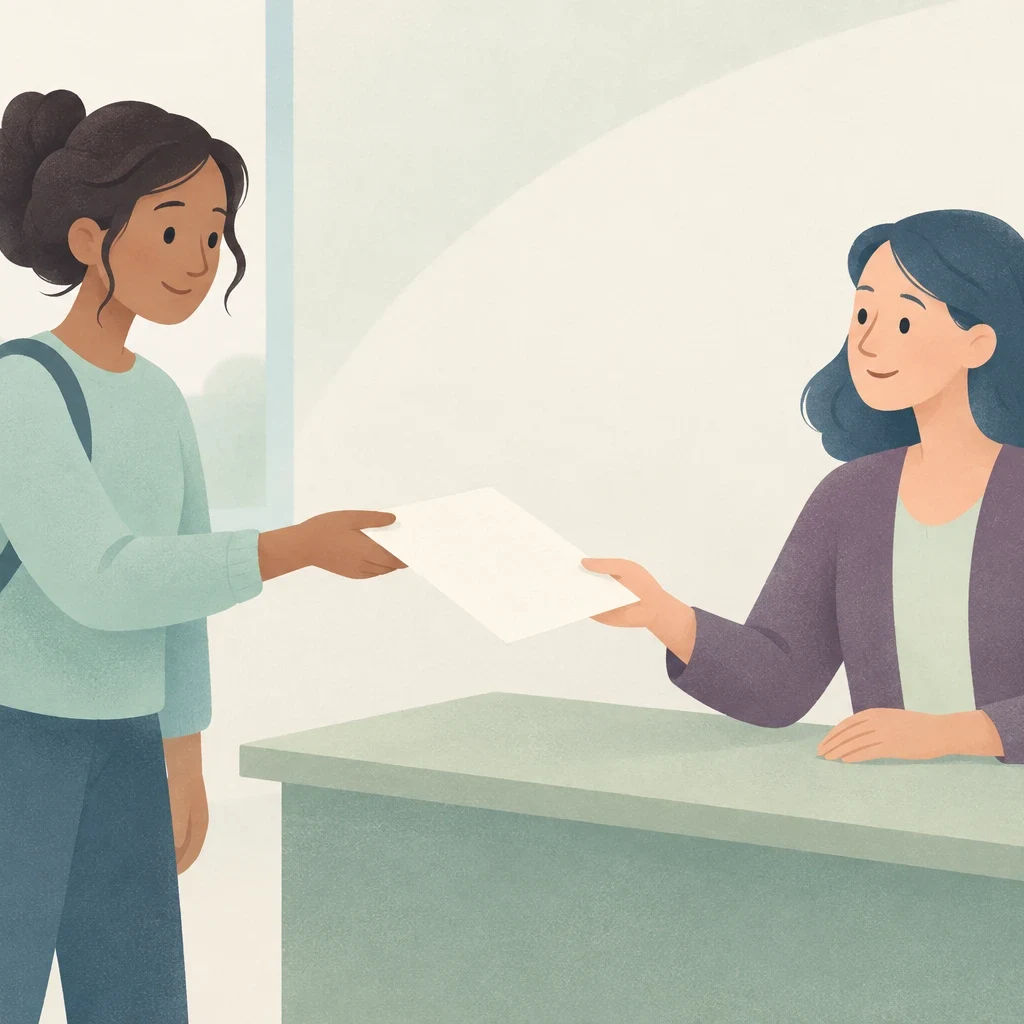
Hand in
Finishing an assignment is not the final step. You still have to hand it in so the responsible person officially receives it.
Empezar a escuchar
Head back
You have enjoyed the walk, but it is getting dark. Saying we should head back signals that it is time to start returning, not that you are already home.
Empezar a escuchar
Hold up
Traffic can hold you up, while a repair can hold up through bad weather. One use creates a delay; the other survives pressure.
Empezar a escuchar
Keep it down
You need quiet, but saying be silent may sound too strong. Keep it down asks people to lower their noise rather than stop every sound.
Empezar a escuchar
Keep out of
You can keep out of an argument by not joining it, or keep rain out of a bag by closing it. One is about involvement; the other is about entry.
Empezar a escuchar
Keep up
A fast walker, changing technology, and a daily habit can all be difficult to keep up with. The common idea is avoiding falling behind or stopping.
Empezar a escuchar
Leave out
A missing name, ingredient, or detail may be accidental, but a person who is left out can feel unwanted. Context shows whether the omission is practical or social.
Empezar a escuchar
Let off
A teacher may let a student off with a warning, while people may let fireworks off at a celebration. The object tells you whether the topic is punishment or an explosion.
Empezar a escuchar
Live up to
Excellent reviews create a picture in your mind before you arrive. The real experience lives up to them only if it is as good as that picture.
Empezar a escuchar
Live with
Some problems cannot be removed immediately. Learning to live with one means accepting its presence and managing life around it, not enjoying it.
Empezar a escuchar
Lock out
Leaving your keys inside can lock you out of your home. Too many wrong passwords can create the same problem online: you are outside the access boundary.
Empezar a escuchar
Look forward to
Plans feel more motivating when you imagine enjoying them. Look forward to turns that positive anticipation into one useful phrase.
Empezar a escuchar
Look into
When you cannot resolve a problem or answer a question immediately, saying 'I will look into it' is useful and honest. It promises investigation, not an instant solution.
Empezar a escucharHabilidades de esta colección
Qué vas a practicar
Usa los ejemplos para entender un significado y su orden de palabras. Prueba el dictado para oír ese patrón dentro de una oración.
Fíjate en la expresión completa, incluidas palabras como up, off y out. Usa la oración para decidir qué significado encaja.
Revisa dónde va el objeto. Con un verbo separable, un objeto corto como it va entre el verbo y la partícula. Otras expresiones se quedan juntas.
Por qué cuesta entenderlo al oírlo
En qué fijarte al escuchar
La palabra pequeña que sigue al verbo no siempre suena débil. Escucha la grabación real en lugar de suponer en qué parte caerá el acento más fuerte.
Reconocer solo el verbo puede no bastar. Si la oración no te queda clara, vuelve a escuchar las palabras que lo siguen y compáralas con el ejemplo.
Empieza aquí
Puntos de partida sugeridos
Elige el nivel que mejor se ajuste a ti. Puedes volver a la lista completa cuando quieras.
-
Empieza en B1
28 Phrasal Verbs With Take
Take off, take over and take up share one short verb but describe very different actions. Grouping them by idea makes the expressions easier to retrieve than learning a random list.
12 min · Abrir lección -
Sigue con B1
Add up
A colleague says the receipts add up, but the explanation does not. The same two words describe two very different judgements.
12 min · Abrir lección -
Sigue con B1
Back down
A manager changes a policy after staff challenge it. She does not move backwards, but people say she backed down.
12 min · Abrir lección
Avance por niveles
De B1 a C2
Revisa cuántas lecciones hay en cada nivel antes de elegir dónde empezar.
-
B1
76 lecciones
Elige un verbo de uso diario. Aprende un significado útil y practica su orden básico de palabras.
-
B2
Aún no hay lecciones
Compara significados en distintas situaciones. Fíjate en cuándo un cambio de objeto cambia el mensaje.
-
C1
Aún no hay lecciones
Compara la expresión con una alternativa más formal y usa las notas de la lección para juzgar el contexto.
-
C2
Aún no hay lecciones
Sigue la expresión en cláusulas más largas. No pierdas de vista el verbo, su palabra pequeña y su objeto.
Nota sobre los acentos
Compara las voces disponibles
Las grabaciones disponibles aparecen en cada lección. Compara la misma grabación con otro acento cuando se ofrezca, pero sin perder de vista su orden de palabras y su significado.
Preguntas de quienes estudian
Antes de empezar
¿Con qué nivel debo empezar?
Usa el filtro de nivel para encontrar una lección adecuada. Empieza en un nivel más bajo si necesitas apoyo con el significado o el orden de las palabras, aunque normalmente estudies en uno más alto.
¿Necesito aprender todos los significados a la vez?
Empieza con el significado que se usa en el ejemplo. Si la guía compara otros significados, estudia el objeto y la situación que los distinguen.
¿Puedo usar un verbo de una sola palabra en su lugar?
A veces. Revisa tanto el significado como el tono: una alternativa de una sola palabra puede ser útil, pero no siempre encaja en la misma oración o situación.
¿Cómo practico la posición del objeto?
Lee la estructura y el ejemplo, luego cierra la transcripción y escribe la oración que oyes. Fíjate en la posición de palabras cortas como it y them.
Otras colecciones
Sigue explorando
Modismos en inglés y práctica de comprensión auditiva
Lee significados y ejemplos, y luego practica cómo se oyen los modismos con dictado y corrección palabra por palabra.
Explorar esta colecciónAudios cortos: grabaciones breves en inglés
Practica cómo seguir una grabación corta y luego usa el dictado o completa los espacios para comprobar los detalles.
Explorar esta colecciónGramática en inglés: práctica de comprensión auditiva
Lee una estructura gramatical con sus ejemplos y luego escucha cómo aparece en una oración completa.
Explorar esta colecciónUna palabra a fondo: significado y uso
Estudia una palabra en contexto. Compara sus significados y combinaciones frecuentes, y luego practica la comprensión auditiva.
Explorar esta colecciónConsejos para mejorar tu comprensión auditiva en inglés
Consejos prácticos para volver a escuchar, usar pistas, consultar transcripciones y repasar las palabras que te faltaron.
Explorar esta colecciónSlang en inglés: significado y contexto
Una colección de inglés informal que presta atención al significado, la situación y el tono. Revisa la lista para ver qué lecciones hay disponibles.
Explorar esta colección