تمرین شنیداری افعال عبارتی انگلیسی
گاهی با عوضشدن یک کلمهٔ کوتاه پس از فعل، معنی آن عوض میشود. عبارت را کامل بشنو و ببین کلمهها چطور کنار هم قرار گرفتهاند.


Get away with
A person may break a rule without punishment, or use one coat of paint when two would be better. In both cases, they may get away with it.
شروع شنیدن
Get back to
If you cannot answer now, you can get back to a person later. When the interruption ends, you can get back to the task.
شروع شنیدن
Get by
When you have less money, equipment or language than you would like but still manage, you get by.
شروع شنیدن
Get out of something
An excuse may help someone get out of a meeting, while a changed routine may help them get out of a bad habit.
شروع شنیدن
Get over
After an illness, disappointment or shock, feeling like yourself again can take time. That process is getting over it.
شروع شنیدن
Get round to
The task has stayed on your list for weeks. When you finally do it, you get round to it.
شروع شنیدن
Get together
Friends get together for lunch, while two people who get together may also be starting a relationship. Context prevents awkward misunderstandings.
شروع شنیدن
Give away
A shop can give away samples, while your smile can give away a secret. The same phrasal verb changes meaning with its object and situation.
شروع شنیدن
Go down
Prices can go down, a website can go down, and the sun goes down every evening. The subject tells you what kind of change happened.
شروع شنیدن
Go off
An alarm goes off when it starts making noise, but a light goes off when it stops working. The subject reverses what the same words seem to mean.
شروع شنیدن
Grow apart
Two people can still care about each other yet slowly share less of their lives. Grow apart names that gradual distance without blaming either person.
شروع شنیدن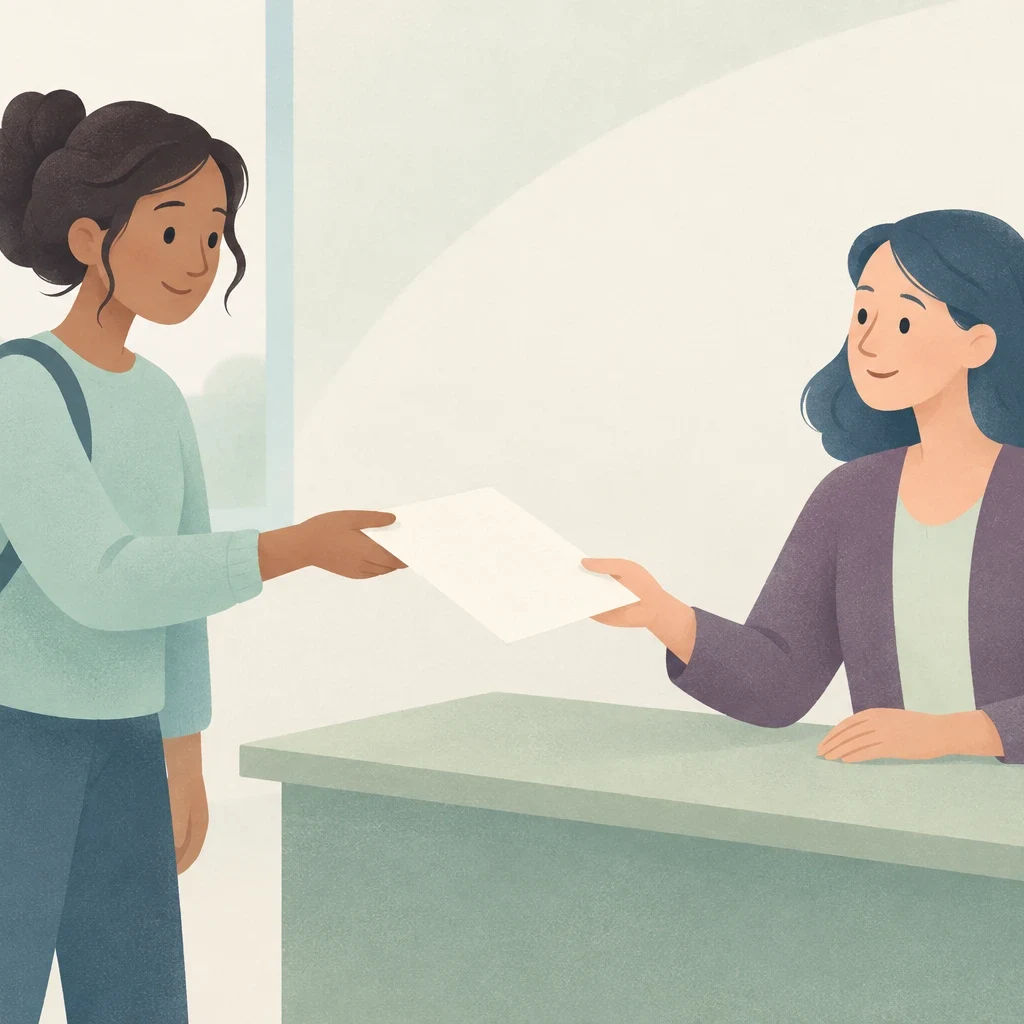
Hand in
Finishing an assignment is not the final step. You still have to hand it in so the responsible person officially receives it.
شروع شنیدن
Head back
You have enjoyed the walk, but it is getting dark. Saying we should head back signals that it is time to start returning, not that you are already home.
شروع شنیدن
Hold up
Traffic can hold you up, while a repair can hold up through bad weather. One use creates a delay; the other survives pressure.
شروع شنیدن
Keep it down
You need quiet, but saying be silent may sound too strong. Keep it down asks people to lower their noise rather than stop every sound.
شروع شنیدن
Keep out of
You can keep out of an argument by not joining it, or keep rain out of a bag by closing it. One is about involvement; the other is about entry.
شروع شنیدن
Keep up
A fast walker, changing technology, and a daily habit can all be difficult to keep up with. The common idea is avoiding falling behind or stopping.
شروع شنیدن
Leave out
A missing name, ingredient, or detail may be accidental, but a person who is left out can feel unwanted. Context shows whether the omission is practical or social.
شروع شنیدن
Let off
A teacher may let a student off with a warning, while people may let fireworks off at a celebration. The object tells you whether the topic is punishment or an explosion.
شروع شنیدن
Live up to
Excellent reviews create a picture in your mind before you arrive. The real experience lives up to them only if it is as good as that picture.
شروع شنیدن
Live with
Some problems cannot be removed immediately. Learning to live with one means accepting its presence and managing life around it, not enjoying it.
شروع شنیدن
Lock out
Leaving your keys inside can lock you out of your home. Too many wrong passwords can create the same problem online: you are outside the access boundary.
شروع شنیدن
Look forward to
Plans feel more motivating when you imagine enjoying them. Look forward to turns that positive anticipation into one useful phrase.
شروع شنیدن
Look into
When you cannot resolve a problem or answer a question immediately, saying 'I will look into it' is useful and honest. It promises investigation, not an instant solution.
شروع شنیدنهدف این دسته از درسها
چه چیزی را تمرین میکنی؟
با مثال، یک معنی و ترتیب کلمههایش را بفهم. بعد در دیکته همان الگو را در جمله بشنو.
کل عبارت را در نظر بگیر، از جمله کلمههایی مثل up، off و out. از معنی جمله کمک بگیر تا بفهمی فعل اینجا چه معنیای دارد.
جای مفعول را بررسی کن. در فعل جداشدنی، ضمیر کوتاهی مثل it میان فعل و جزء بعدی میآید. بعضی عبارتها جدا نمیشوند.
چرا شنیدنش دشوار است؟
به چه چیزی گوش بدهی؟
کلمهٔ کوتاه پس از فعل همیشه کمتأکید نیست. به خود فایل گوش بده و از پیش حدس نزن کدام بخش با تأکید بیشتری گفته میشود.
شنیدن فعل بهتنهایی همیشه کافی نیست. اگر معنی روشن نشد، کلمههای بعد از فعل را دوباره بشنو و با مثال مقایسه کن.
از اینجا شروع کن
پیشنهادهایی برای شروع
سطح مناسب خودت را انتخاب کن. هر وقت بخواهی میتوانی به فهرست کامل برگردی.
-
شروع از B1
28 Phrasal Verbs With Take
Take off, take over and take up share one short verb but describe very different actions. Grouping them by idea makes the expressions easier to retrieve than learning a random list.
12 دقیقه · باز کردن درس -
گام بعد در B1
Add up
A colleague says the receipts add up, but the explanation does not. The same two words describe two very different judgements.
12 دقیقه · باز کردن درس -
گام بعد در B1
Back down
A manager changes a policy after staff challenge it. She does not move backwards, but people say she backed down.
12 دقیقه · باز کردن درس
پیش رفتن در سطحها
از B1 تا C2
پیش از انتخاب نقطهٔ شروع، تعداد درسهای هر سطح را ببین.
-
B1
76 درس
فعلی روزمره انتخاب کن. یک معنی کاربردی و ترتیب معمول کلمههایش را تمرین کن.
-
B2
هنوز درسی ندارد
معنیها را در موقعیتهای مختلف مقایسه کن. ببین تغییر مفعول چه زمانی پیام را عوض میکند.
-
C1
هنوز درسی ندارد
عبارت را با جایگزین رسمیتر مقایسه کن و از نکتههای درس برای تشخیص موقعیت مناسب کمک بگیر.
-
C2
هنوز درسی ندارد
فعل عبارتی را در جملههای طولانیتر دنبال کن. جای فعل، جزء بعدی و مفعول را گم نکن.
دربارهٔ لهجهها
صداهای موجود را مقایسه کن
در هر درس میبینی چه فایلهایی موجودند. اگر لهجهٔ دیگری ارائه شده، همان فایل را با آن مقایسه کن و همزمان معنی و ترتیب کلمهها را در نظر داشته باش.
پرسشهای زبانآموزها
پیش از شروع
از چه سطحی شروع کنم؟
با فیلتر سطح، درس مناسب پیدا کن. اگر برای معنی یا ترتیب کلمهها به کمک نیاز داری، سطح آسانتر را انتخاب کن؛ حتی اگر معمولاً در سطح بالاتری درس میخوانی.
همهٔ معنیهای یک فعل را یکجا یاد بگیرم؟
از معنی مثال شروع کن. اگر راهنما معنیهای دیگری را هم مقایسه میکند، ببین مفعول و موقعیت چطور آنها را از هم جدا میکنند.
میشود بهجای آن یک فعل تککلمهای به کار برد؟
گاهی میشود. هم معنی را بررسی کن، هم لحن را. جایگزین تککلمهای میتواند مفید باشد، اما همیشه در همان جمله یا موقعیت نمینشیند.
جای مفعول را چطور تمرین کنم؟
الگو و مثال را بخوان، متن فایل را ببند و جملهای را که میشنوی بنویس. جای کلمههای کوتاهی مثل it و them را بررسی کن.
دستههای دیگر
موضوعهای بیشتری ببین
اصطلاحات انگلیسی؛ معنی و تمرین شنیداری
معنی و مثال اصطلاحات را بخوان، بعد شنیدن آنها را با دیکته و بررسی کلمهبهکلمه تمرین کن.
دیدن این دسته از درسهاشنیداریهای کوتاه انگلیسی
دنبال کردن یک فایل صوتی کوتاه را تمرین کن، بعد با دیکته یا پر کردن جای خالی جزئیات را بررسی کن.
دیدن این دسته از درسهاگرامر انگلیسی با تمرین شنیداری
ساختار گرامری و مثالهایش را بخوان، بعد در یک جملهٔ کامل به شکل آن گوش بده.
دیدن این دسته از درسهامعنی و کاربرد لغات انگلیسی در جمله
یک کلمه را در موقعیت یاد بگیر. معنیها و ترکیبهای رایجش را مقایسه کن، بعد شنیدن آن را تمرین کن.
دیدن این دسته از درسهاراهنمای تمرین شنیداری انگلیسی
ببین چطور از پخش دوباره، راهنما و متن فایل صوتی استفاده کنی و کلماتی را که نشنیدی مرور کنی.
دیدن این دسته از درسهازبان عامیانهٔ انگلیسی؛ معنی و موقعیت استفاده
مجموعهای برای انگلیسی غیررسمی با توجه به معنی، موقعیت و لحن. درسهای موجود را در فهرست ببین.
دیدن این دسته از درسها
