短语动词听力练习
动词后面的小词一换,意思可能就变了。先把整个表达听完,再看这些词是怎么组合的。

短语动词是什么?
短语动词由动词加上==up==、==over==或==out==等小词组成,连起来可能有新的意思。例如,==get over==可以表示病后康复,也可以表示从难过的经历中走出来。MicroEnglish有76节短语动词课,讲清含义、词形和语序,再用短录音练听写。
- 用一句话解释含义,再看例句。
- 展示过去式、-ing形式,以及宾语应该放在哪里。
- 用短听写把动词和小品词作为一个整体来听。

28 Phrasal Verbs With Take
Take off, take over and take up share one short verb but describe very different actions. Grouping them by idea makes the expressions easier to retrieve than learning a random list.
开始听录音
Add up
A colleague says the receipts add up, but the explanation does not. The same two words describe two very different judgements.
开始听录音
Back down
A manager changes a policy after staff challenge it. She does not move backwards, but people say she backed down.
开始听录音
Back up
A colleague backs you up, research backs up a claim, and software backs up a file. What changes when the object changes?
开始听录音
Blow away
A performance blows the audience away while a gust blows the programmes away. Emotion and wind create different meanings with the same form.
开始听录音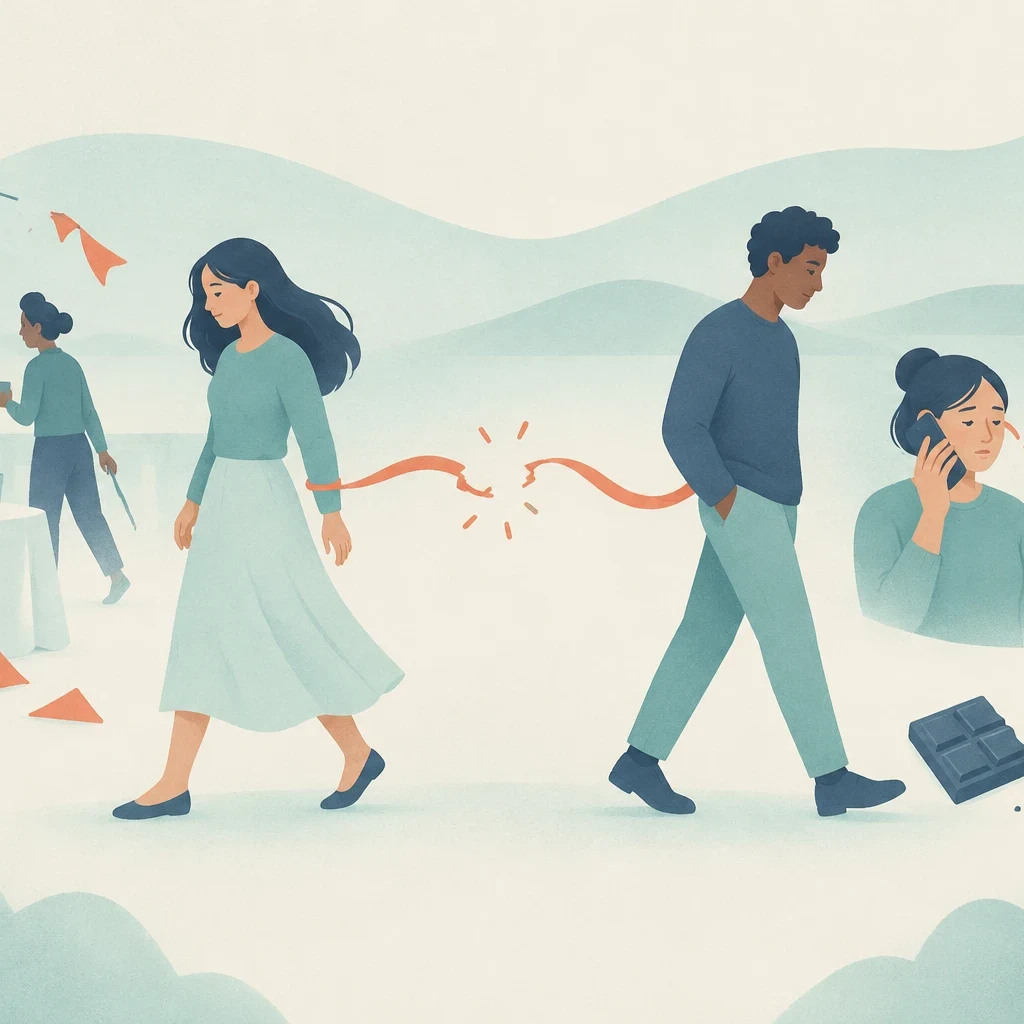
Break up
A couple breaks up, a meeting breaks up, and a phone call starts breaking up. Only one involves a romantic relationship.
开始听录音
Bring about
A small decision can produce a large result. Bring about connects the cause to the change that follows.
开始听录音
Bring up
You can bring up a difficult topic, bring up a child, or bring up a file on a screen. Context tells you which action is happening.
开始听录音
Bump into
If you bump into an old friend, you meet unexpectedly. If you bump into a table, the surprise may hurt a little more.
开始听录音
Burn out
A worker, a campfire and a motor can all burn out, but each one reaches a different kind of end.
开始听录音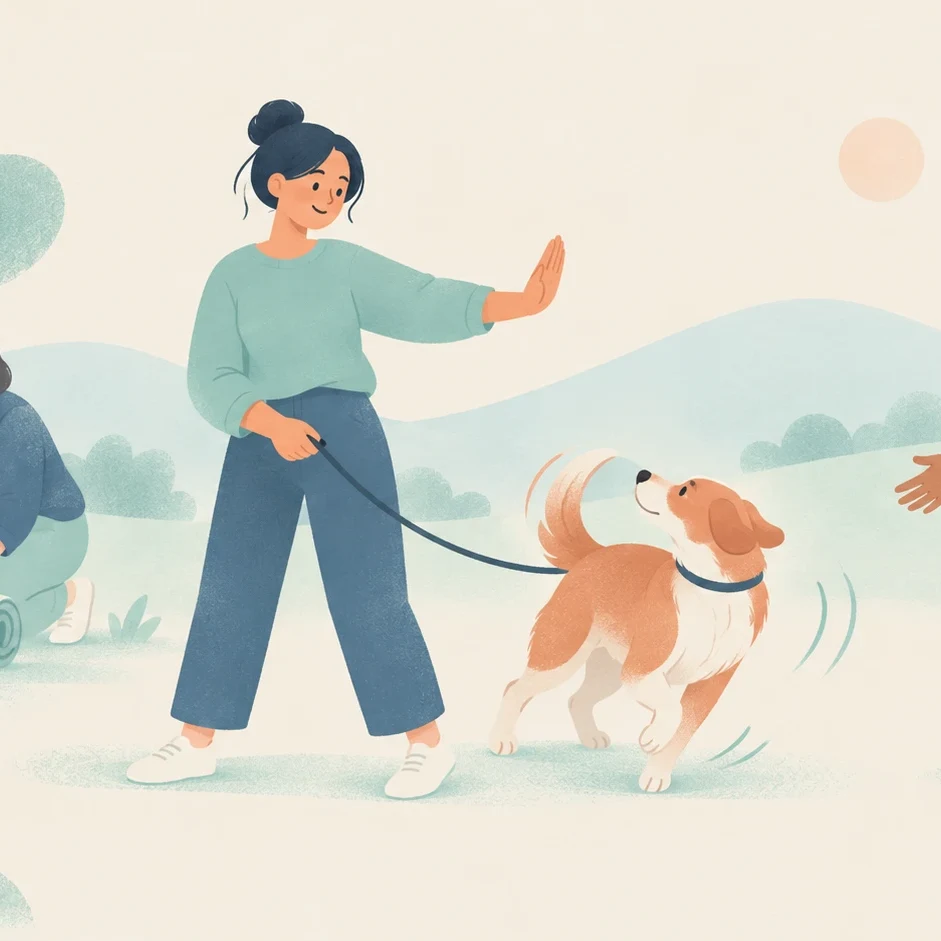
Call off
You can call off a match before it starts, call off a search already in progress, or call a threatening dog off.
开始听录音
Catch up
Fall behind on a walk, at work or in a friendship, and catch up helps you close the gap in three different ways.
开始听录音
Chip away
A huge task may not disappear at once, but each small action can chip away at it.
开始听录音
Come across
You may come across an old photograph, come across as confident, or make sure your main idea comes across clearly.
开始听录音
Come down with
A scratchy throat and sudden tiredness may make you say, I think I am coming down with something.
开始听录音
Come up with
When a problem needs a plan, a name or some money, someone has to come up with what is missing.
开始听录音
Count on
When a plan depends on a reliable person or an expected event, you are counting on them.
开始听录音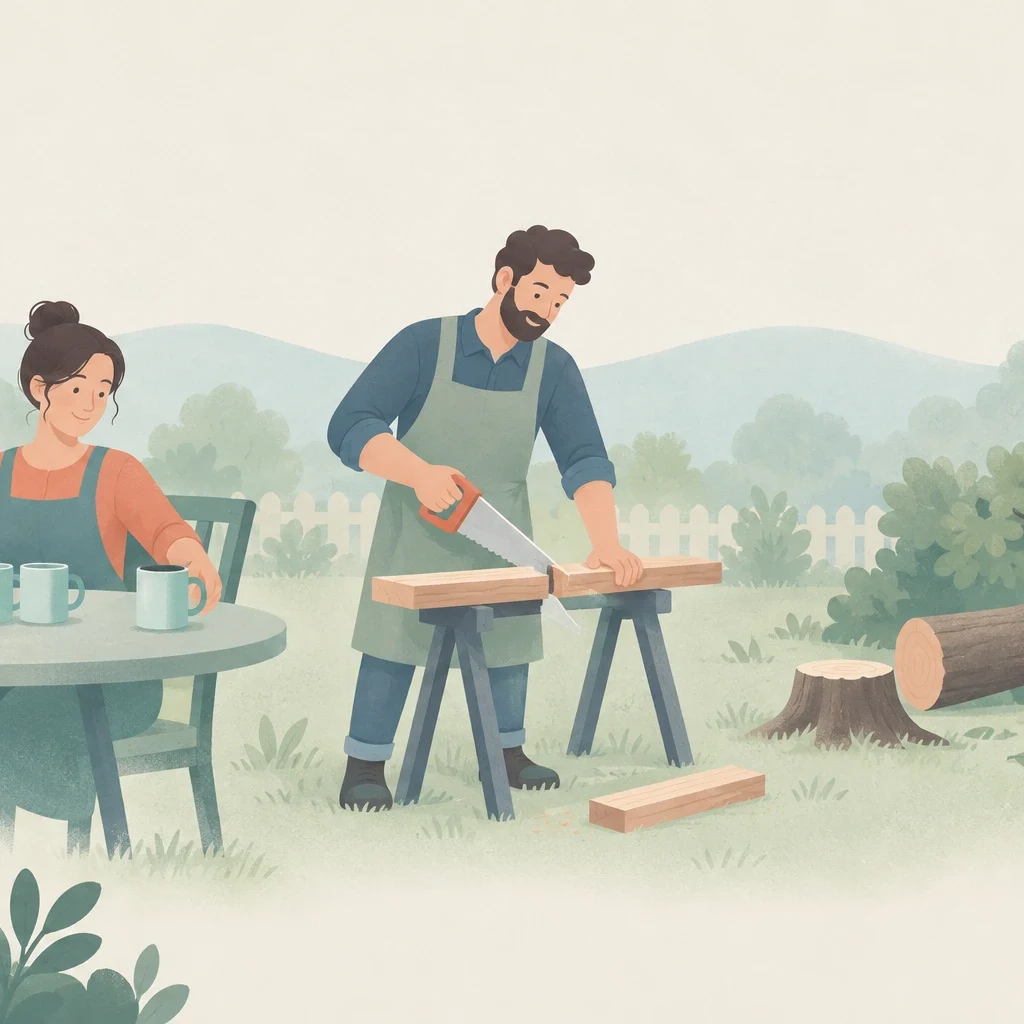
Cut down
You can cut down on coffee, cut a report down to one page, or cut down a damaged tree.
开始听录音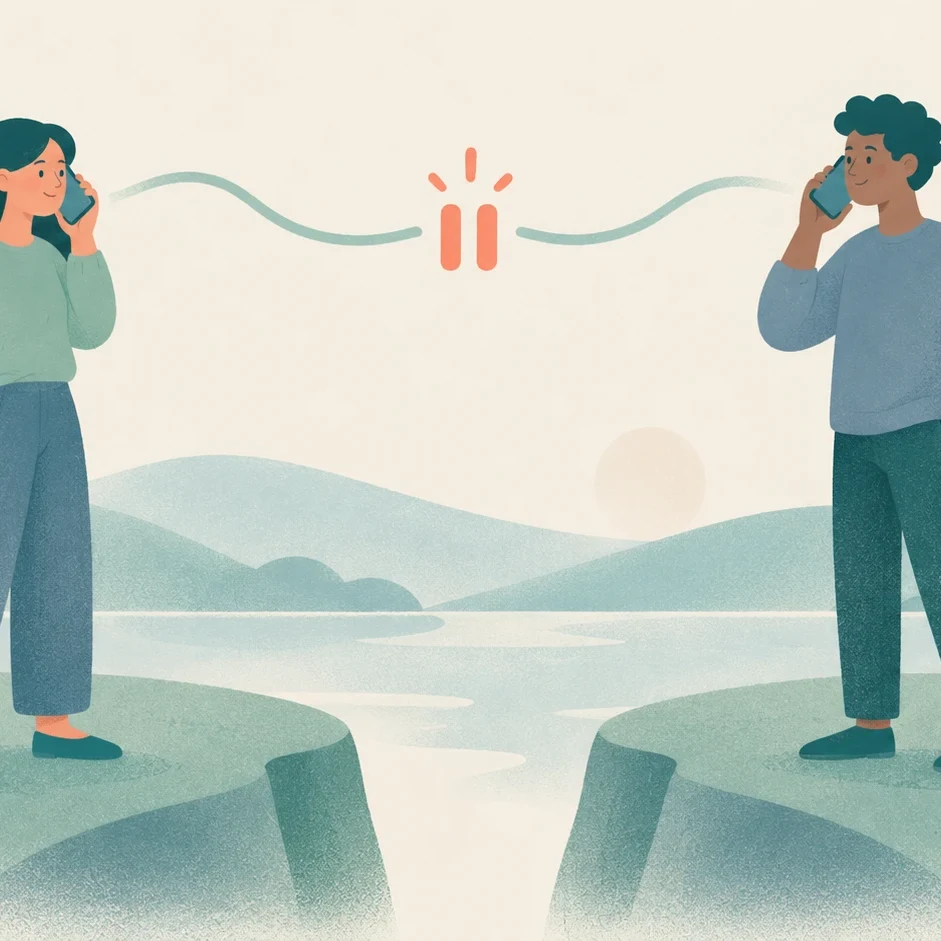
Cut off
A failed signal can cut off a call, while deep snow can cut off an entire village.
开始听录音
Do up
Before leaving a renovated house for a party, you might do up your coat and do up a present.
开始听录音
Drop off
A driver can drop you off, you can drop off during the journey, and traffic can drop off after rush hour.
开始听录音
Drop out
Starting something does not guarantee finishing it; a student, runner or bidder may drop out before the end.
开始听录音
Face up to something
Ignoring a problem may delay a decision; facing up to it is the moment you accept that it is real.
开始听录音
Fill out
You can fill out an application with information, while a young person's face may naturally fill out over time.
开始听录音这类课程练什么
练习重点
通过例句理解含义和语序,再做听写,听听这个结构在句子里是什么样。
把整个表达一起听,包括up、off和out这样的小词。结合句意判断是哪种意思。
留意宾语放在哪里。可分开的短语动词,遇到it这样的短代词宾语时,要把它放在动词和小词之间;另一些表达则不能拆开。
为什么不容易听清
听的时候留意什么
动词后面的小词不一定轻读。听实际录音,不要事先认定重音一定落在哪里。
只认出动词可能还不够。句意不清楚时,重听后面的词,再和例句对照。
从这里开始
建议从这些课程开始
选择适合自己的级别,随时可以返回完整列表。
-
从B1开始
28 Phrasal Verbs With Take
Take off, take over and take up share one short verb but describe very different actions. Grouping them by idea makes the expressions easier to retrieve than learning a random list.
12分钟 · 打开课程 -
接着练B1
Add up
A colleague says the receipts add up, but the explanation does not. The same two words describe two very different judgements.
12分钟 · 打开课程 -
接着练B1
Back down
A manager changes a policy after staff challenge it. She does not move backwards, but people say she backed down.
12分钟 · 打开课程
逐级练习
从B1到C2
先看看每个级别有多少课程,再决定从哪里开始。
-
B1
76节课程
选一个日常常用的动词,先学一种用得上的意思和基本语序。
-
B2
暂无课程
比较不同情境中的意思,留意宾语改变后句意有什么变化。
-
C1
暂无课程
和更正式的说法对照,结合课程说明判断适用场合。
-
C2
暂无课程
在较长的分句中跟上整个表达,记住动词、小词和宾语各在哪里。
口音说明
对比现有录音的口音
每节课会列出可用录音。提供其他口音时,可以换一种听同一句话,同时留意语序和意思。
学习者常问的问题
开始前先看看
从哪个级别开始?
用难度筛选找合适的课。含义或语序还不熟悉时,即使平时学得更难,也可以从低一级开始。
一次要学完所有意思吗?
先学例句里的意思。如果讲解比较了其他意思,再看它们的宾语和使用情境有什么不同。
能换成一个单独的动词吗?
有时可以,但要同时看意思和语气。一个单词的替代表达可能好用,却未必适合同一个句子或场合。
怎么练宾语的位置?
先看结构和例句,再关掉原文,写下录音里的句子。检查it和them这样的短词放在什么位置。
其他分类