फ्रेज़ल वर्ब सुनने का अभ्यास
क्रिया के साथ आने वाला छोटा शब्द बदलने से मतलब भी बदल सकता है। पूरा वाक्यांश सुनें और देखें कि उसके शब्द कैसे जुड़ते हैं।

Phrasal verb क्या होता है?
क्रिया के साथ up, over या out जैसा छोटा शब्द जुड़कर phrasal verb बनता है। दोनों मिलकर नया मतलब दे सकते हैं। जैसे get over का मतलब किसी बीमारी या दुखद अनुभव से उबरना हो सकता है। MicroEnglish के 76 पाठों में एक-एक phrasal verb, उसके रूप और शब्दों का क्रम सीखें। फिर छोटी रिकॉर्डिंग सुनकर शब्द लिखें।
- हर पाठ में एक वाक्य में मतलब और इस्तेमाल के उदाहरण मिलते हैं।
- भूतकाल और -ing वाले रूप के साथ यह भी देखें कि कर्म कहाँ रखा जाता है।
- सुनकर लिखने के छोटे अभ्यास में क्रिया और उससे जुड़े शब्द को एक साथ पहचानें।

28 Phrasal Verbs With Take
Take off, take over and take up share one short verb but describe very different actions. Grouping them by idea makes the expressions easier to retrieve than learning a random list.
सुनना शुरू करें
Add up
A colleague says the receipts add up, but the explanation does not. The same two words describe two very different judgements.
सुनना शुरू करें
Back down
A manager changes a policy after staff challenge it. She does not move backwards, but people say she backed down.
सुनना शुरू करें
Back up
A colleague backs you up, research backs up a claim, and software backs up a file. What changes when the object changes?
सुनना शुरू करें
Blow away
A performance blows the audience away while a gust blows the programmes away. Emotion and wind create different meanings with the same form.
सुनना शुरू करें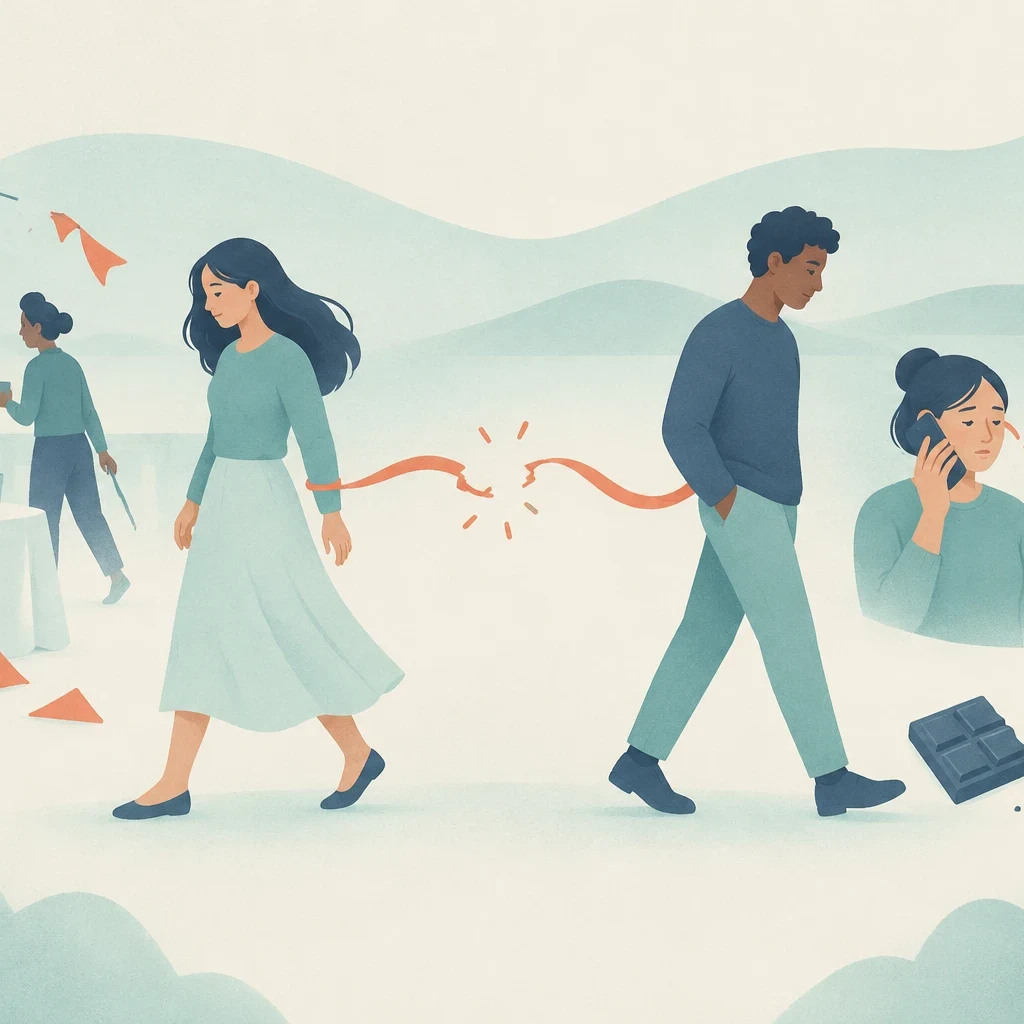
Break up
A couple breaks up, a meeting breaks up, and a phone call starts breaking up. Only one involves a romantic relationship.
सुनना शुरू करें
Bring about
A small decision can produce a large result. Bring about connects the cause to the change that follows.
सुनना शुरू करें
Bring up
You can bring up a difficult topic, bring up a child, or bring up a file on a screen. Context tells you which action is happening.
सुनना शुरू करें
Bump into
If you bump into an old friend, you meet unexpectedly. If you bump into a table, the surprise may hurt a little more.
सुनना शुरू करें
Burn out
A worker, a campfire and a motor can all burn out, but each one reaches a different kind of end.
सुनना शुरू करें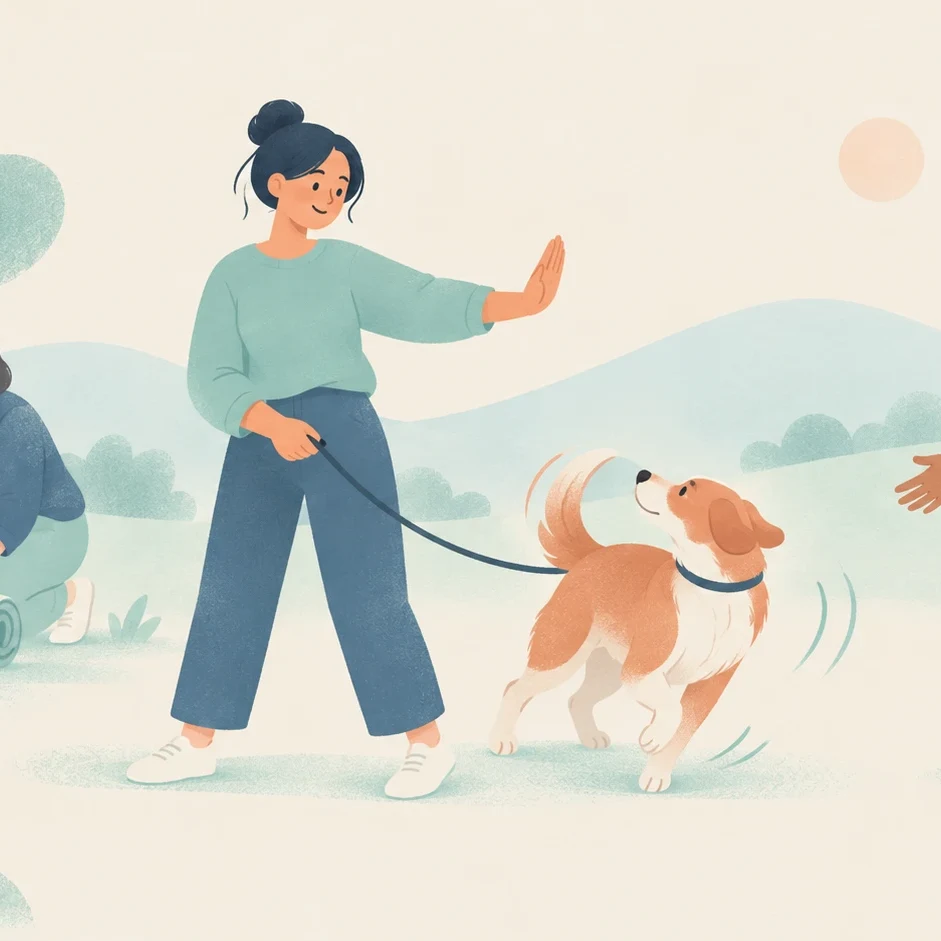
Call off
You can call off a match before it starts, call off a search already in progress, or call a threatening dog off.
सुनना शुरू करें
Catch up
Fall behind on a walk, at work or in a friendship, and catch up helps you close the gap in three different ways.
सुनना शुरू करें
Chip away
A huge task may not disappear at once, but each small action can chip away at it.
सुनना शुरू करें
Come across
You may come across an old photograph, come across as confident, or make sure your main idea comes across clearly.
सुनना शुरू करें
Come down with
A scratchy throat and sudden tiredness may make you say, I think I am coming down with something.
सुनना शुरू करें
Come up with
When a problem needs a plan, a name or some money, someone has to come up with what is missing.
सुनना शुरू करें
Count on
When a plan depends on a reliable person or an expected event, you are counting on them.
सुनना शुरू करें
Cut down
You can cut down on coffee, cut a report down to one page, or cut down a damaged tree.
सुनना शुरू करें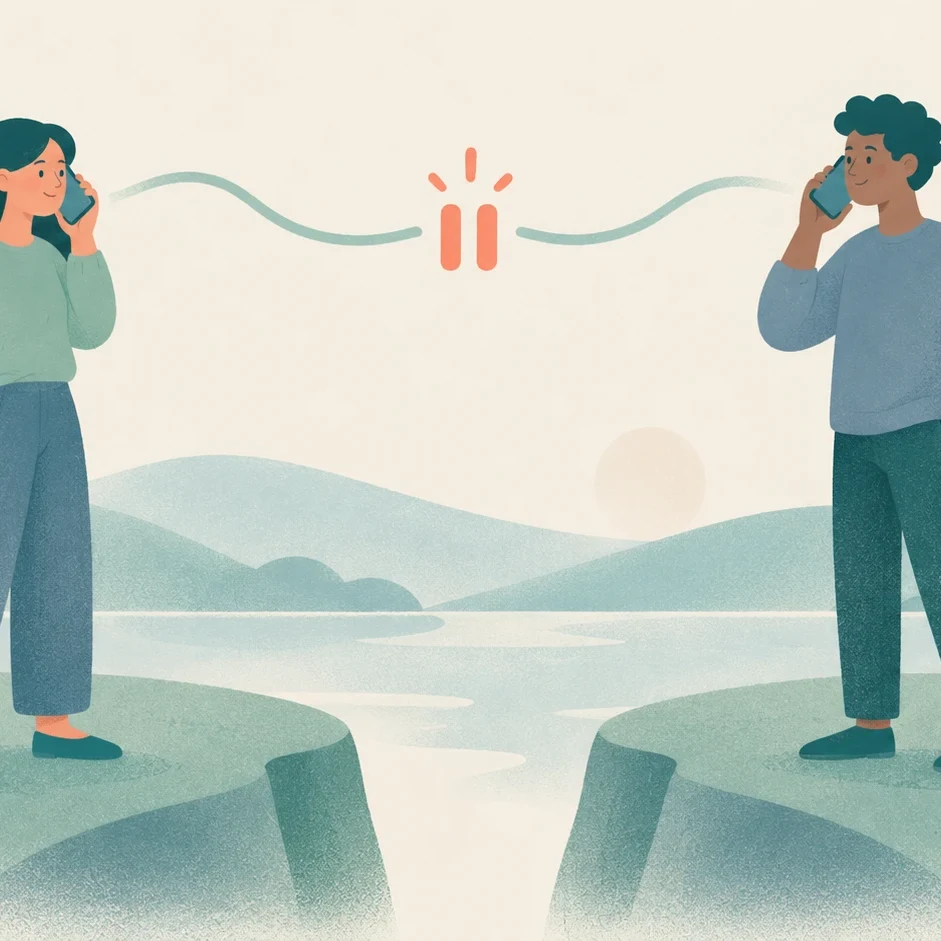
Cut off
A failed signal can cut off a call, while deep snow can cut off an entire village.
सुनना शुरू करें
Do up
Before leaving a renovated house for a party, you might do up your coat and do up a present.
सुनना शुरू करें
Drop off
A driver can drop you off, you can drop off during the journey, and traffic can drop off after rush hour.
सुनना शुरू करें
Drop out
Starting something does not guarantee finishing it; a student, runner or bidder may drop out before the end.
सुनना शुरू करें
Face up to something
Ignoring a problem may delay a decision; facing up to it is the moment you accept that it is real.
सुनना शुरू करें
Fill out
You can fill out an application with information, while a young person's face may naturally fill out over time.
सुनना शुरू करेंइस श्रेणी में क्या सीखेंगे
किस बात का अभ्यास करें
उदाहरण से एक मतलब और शब्दों का क्रम समझें। फिर सुनकर लिखें और उसी ढाँचे को वाक्य में पहचानें।
पूरे वाक्यांश पर ध्यान दें, जिसमें up, off और out जैसे छोटे शब्द भी हैं। वाक्य से तय करें कि कौन-सा मतलब सही है।
देखें कि कर्म कहाँ आता है। अलग की जा सकने वाली क्रिया में it जैसा छोटा सर्वनाम क्रिया और उसके छोटे शब्द के बीच आता है। दूसरे वाक्यांश साथ रहते हैं।
सुनकर पहचानना मुश्किल क्यों है
सुनते समय कहाँ ध्यान दें
क्रिया के बाद का छोटा शब्द हमेशा धीमे नहीं बोला जाता। कहाँ ज़ोर होगा, यह पहले से मानने के बजाय असली रिकॉर्डिंग सुनें।
सिर्फ़ क्रिया पहचानना काफ़ी नहीं हो सकता। वाक्य समझ न आए, तो उसके बाद के शब्द फिर सुनें और उदाहरण से मिलाएँ।
यहाँ से शुरू करें
शुरुआत के लिए सुझाव
अपने लिए सही स्तर चुनें। पूरी सूची पर कभी भी लौट सकते हैं।
-
B1 से शुरू करें
28 Phrasal Verbs With Take
Take off, take over and take up share one short verb but describe very different actions. Grouping them by idea makes the expressions easier to retrieve than learning a random list.
12 मिनट · पाठ खोलें -
अगला स्तर: B1
Add up
A colleague says the receipts add up, but the explanation does not. The same two words describe two very different judgements.
12 मिनट · पाठ खोलें -
अगला स्तर: B1
Back down
A manager changes a policy after staff challenge it. She does not move backwards, but people say she backed down.
12 मिनट · पाठ खोलें
अगले स्तर की ओर
B1 से C2 तक
शुरुआत का स्तर चुनने से पहले देखें कि हर स्तर पर कितने पाठ हैं।
-
B1
76 पाठ
रोज़ काम आने वाली क्रिया चुनें। उसका एक उपयोगी मतलब और शब्दों का सामान्य क्रम सीखें।
-
B2
अभी कोई पाठ नहीं
अलग स्थितियों में मतलब की तुलना करें। देखें कि कर्म बदलने से संदेश कब बदलता है।
-
C1
अभी कोई पाठ नहीं
ज़्यादा औपचारिक विकल्प से तुलना करें। पाठ के नोट से तय करें कि किस स्थिति में कौन-सा रूप ठीक है।
-
C2
अभी कोई पाठ नहीं
लंबे वाक्यों में भी क्रिया, उसके छोटे शब्द और कर्म का संबंध पहचानें।
लहजे की जानकारी
उपलब्ध आवाज़ों की तुलना करें
हर पाठ में उपलब्ध रिकॉर्डिंग दी गई हैं। दूसरा लहजा मिले, तो उसी रिकॉर्डिंग की तुलना करें। साथ ही शब्दों का क्रम और मतलब ध्यान में रखें।
सीखने वालों के सवाल
शुरू करने से पहले
किस स्तर से शुरू करें?
स्तर के फ़िल्टर से उपयुक्त पाठ चुनें। मतलब या शब्दों के क्रम में मदद चाहिए, तो आसान स्तर लें, भले ही आप आम तौर पर ऊँचे स्तर पर पढ़ते हों।
क्या सारे मतलब एक साथ सीखने हैं?
उदाहरण वाले मतलब से शुरू करें। व्याख्या में दूसरे मतलब दिए हों, तो देखें कि कर्म और स्थिति से उनमें क्या अंतर आता है।
क्या इसकी जगह एक शब्द वाली क्रिया रख सकते हैं?
कभी-कभी। मतलब और लहजा दोनों जाँचें। एक शब्द वाला विकल्प उपयोगी हो सकता है, लेकिन हर वाक्य या स्थिति में नहीं बैठता।
कर्म की जगह का अभ्यास कैसे करें?
ढाँचा और उदाहरण पढ़ें। फिर लिखित पाठ बंद करके सुना हुआ वाक्य लिखें। it और them जैसे छोटे शब्दों की जगह जाँचें।
दूसरी श्रेणियाँ
और पाठ देखें
अंग्रेज़ी मुहावरे और सुनने का अभ्यास
मतलब और उदाहरण पढ़ें। फिर मुहावरे सुनकर लिखें और हर शब्द की जाँच करें।
इस श्रेणी के पाठ देखेंअंग्रेज़ी की छोटी रिकॉर्डिंग से अभ्यास
छोटी रिकॉर्डिंग सुनकर समझने का अभ्यास करें। फिर सुने हुए शब्द लिखें या खाली जगह भरकर बारीकियाँ जाँचें।
इस श्रेणी के पाठ देखेंसुनकर अंग्रेज़ी व्याकरण का अभ्यास
व्याकरण का नियम और उसके उदाहरण पढ़ें। फिर पूरा वाक्य सुनें और उस रूप को पहचानें।
इस श्रेणी के पाठ देखेंअंग्रेज़ी शब्दों का मतलब और इस्तेमाल
वाक्यों में शब्द सीखें। उनके मतलब और साथ आने वाले शब्दों की तुलना करें, फिर सुनने का अभ्यास करें।
इस श्रेणी के पाठ देखेंअंग्रेज़ी सुनने के अभ्यास के सुझाव
रिकॉर्डिंग दोहराने, संकेत लेने, लिखा हुआ रूप देखने और छूटे हुए शब्दों का अभ्यास करने के तरीके जानें।
इस श्रेणी के पाठ देखेंअंग्रेज़ी स्लैंग का मतलब और इस्तेमाल
अनौपचारिक अंग्रेज़ी के शब्दों का मतलब जानें। समझें कि वे कहाँ और किस लहजे में बोले जाते हैं। उपलब्ध पाठ सूची में देखें।
इस श्रेणी के पाठ देखें