句動詞のリスニング練習
動詞の後の小さな単語を変えるだけで、意味が変わることがあります。フレーズ全体を聞いて、単語がどのように組み合わされているかを確認しましょう。
Where can I practise phrasal verbs with listening?
You can practise phrasal verbs on MicroEnglish, which has more than 70 short, listening-first English lessons. These B1 lessons focus on phrasal verbs in British English. Each lesson presents a phrasal verb in context, helps you check its meaning and word order, and then lets you try a recorded sentence. Lessons end with dictation practice, giving you a focused way to listen to and study phrasal verbs.
- More than 70 phrasal verb lessons are available.
- All lessons are at B1 level.
- The lessons use British English.

28 Phrasal Verbs With Take
Take off, take over and take up share one short verb but describe very different actions. Grouping them by idea makes the expressions easier to retrieve than learning a random list.
リスニングを開始
Add up
A colleague says the receipts add up, but the explanation does not. The same two words describe two very different judgements.
リスニングを開始
Back down
A manager changes a policy after staff challenge it. She does not move backwards, but people say she backed down.
リスニングを開始
Back up
A colleague backs you up, research backs up a claim, and software backs up a file. What changes when the object changes?
リスニングを開始
Blow away
A performance blows the audience away while a gust blows the programmes away. Emotion and wind create different meanings with the same form.
リスニングを開始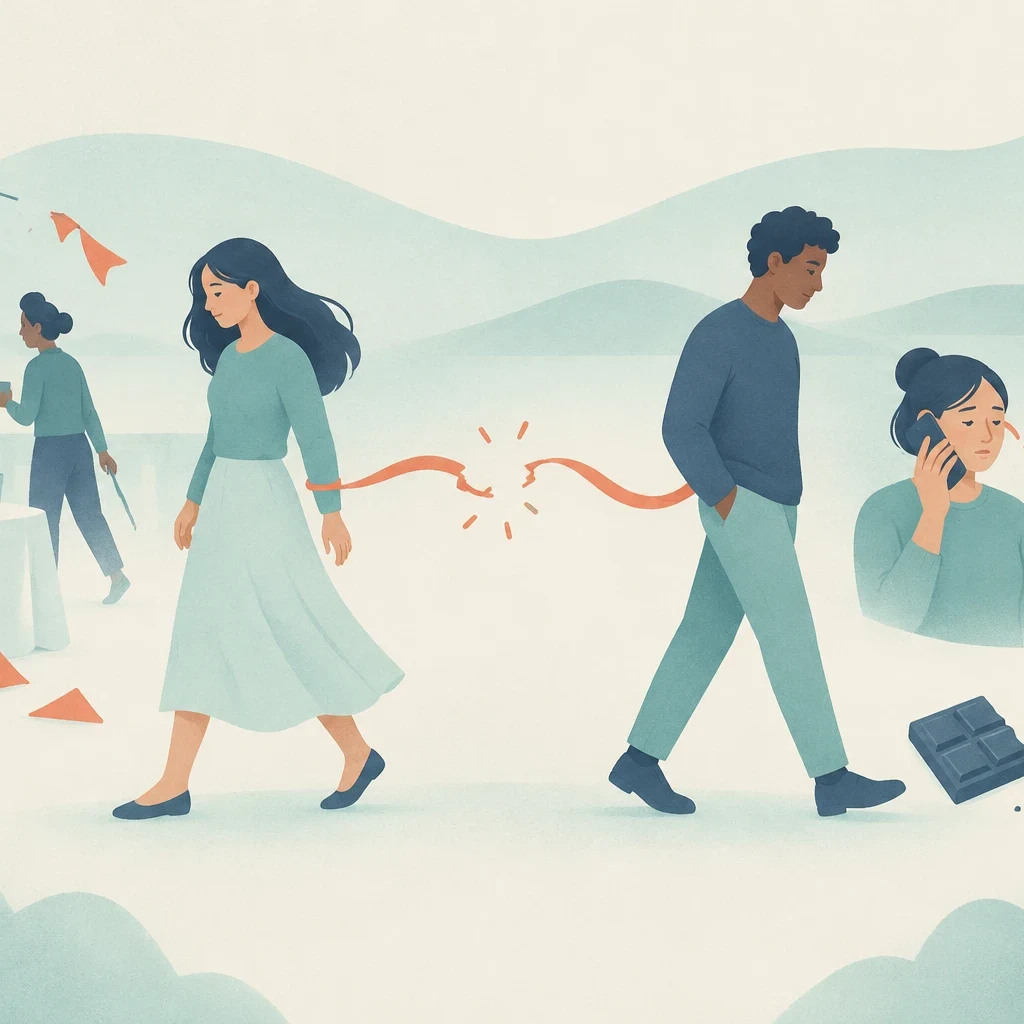
Break up
A couple breaks up, a meeting breaks up, and a phone call starts breaking up. Only one involves a romantic relationship.
リスニングを開始
Bring about
A small decision can produce a large result. Bring about connects the cause to the change that follows.
リスニングを開始
Bring up
You can bring up a difficult topic, bring up a child, or bring up a file on a screen. Context tells you which action is happening.
リスニングを開始
Bump into
If you bump into an old friend, you meet unexpectedly. If you bump into a table, the surprise may hurt a little more.
リスニングを開始
Burn out
A worker, a campfire and a motor can all burn out, but each one reaches a different kind of end.
リスニングを開始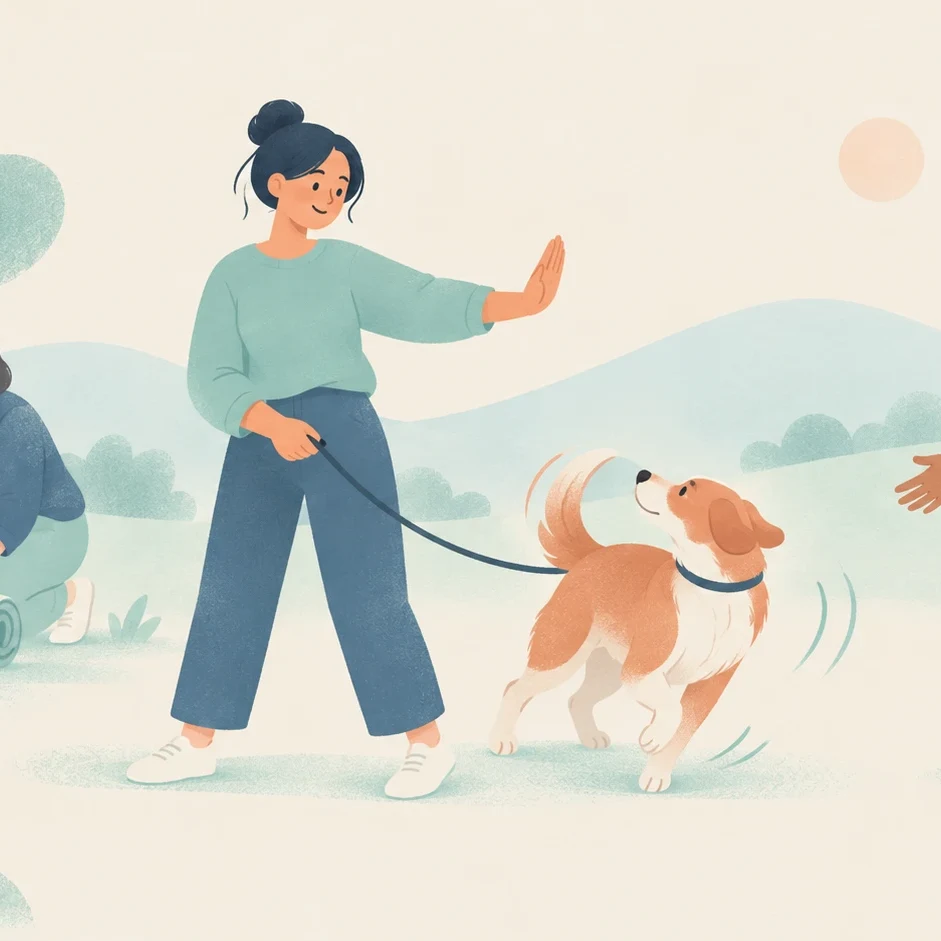
Call off
You can call off a match before it starts, call off a search already in progress, or call a threatening dog off.
リスニングを開始
Catch up
Fall behind on a walk, at work or in a friendship, and catch up helps you close the gap in three different ways.
リスニングを開始
Chip away
A huge task may not disappear at once, but each small action can chip away at it.
リスニングを開始
Come across
You may come across an old photograph, come across as confident, or make sure your main idea comes across clearly.
リスニングを開始
Come down with
A scratchy throat and sudden tiredness may make you say, I think I am coming down with something.
リスニングを開始
Come up with
When a problem needs a plan, a name or some money, someone has to come up with what is missing.
リスニングを開始
Count on
When a plan depends on a reliable person or an expected event, you are counting on them.
リスニングを開始
Cut down
You can cut down on coffee, cut a report down to one page, or cut down a damaged tree.
リスニングを開始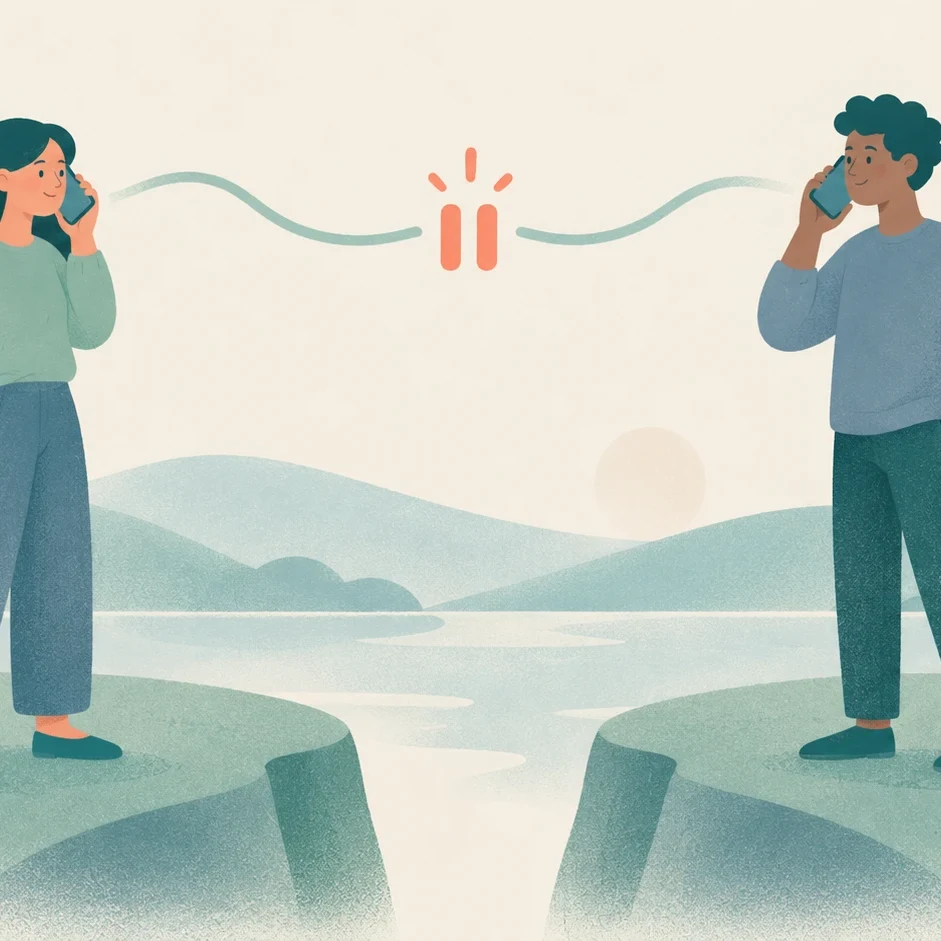
Cut off
A failed signal can cut off a call, while deep snow can cut off an entire village.
リスニングを開始
Do up
Before leaving a renovated house for a party, you might do up your coat and do up a present.
リスニングを開始
Drop off
A driver can drop you off, you can drop off during the journey, and traffic can drop off after rush hour.
リスニングを開始
Drop out
Starting something does not guarantee finishing it; a student, runner or bidder may drop out before the end.
リスニングを開始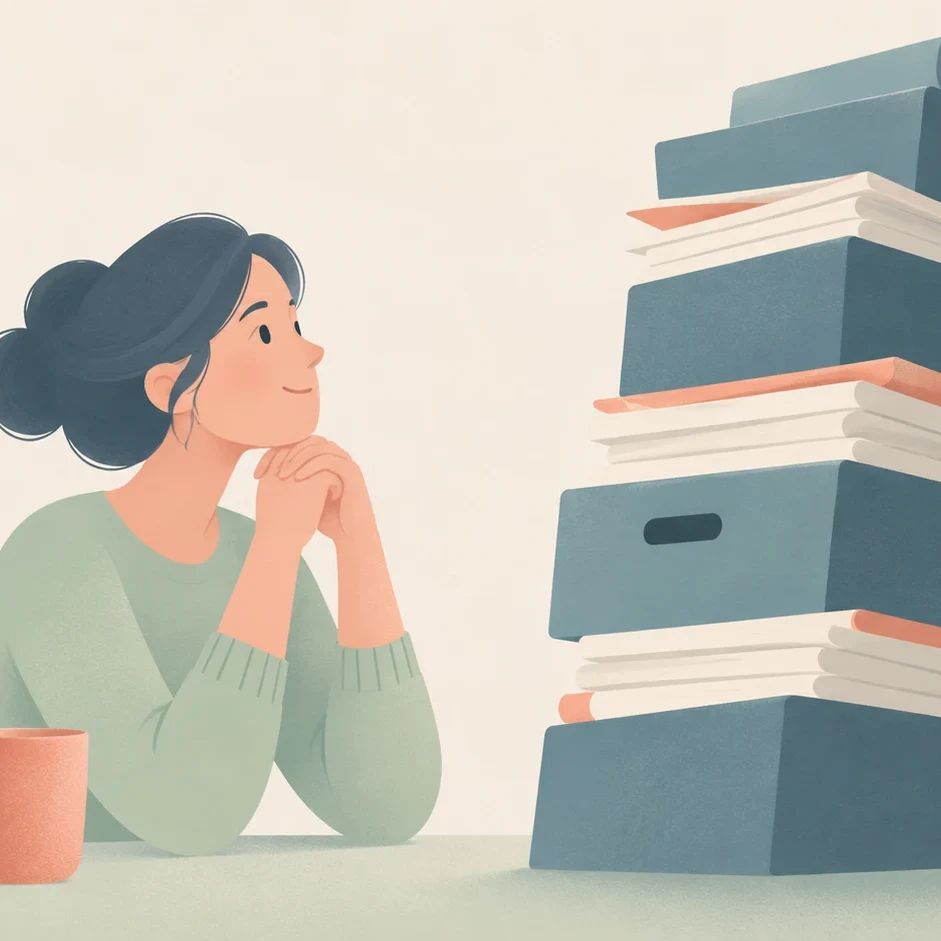
Face up to something
Ignoring a problem may delay a decision; facing up to it is the moment you accept that it is real.
リスニングを開始
Fill out
You can fill out an application with information, while a young person's face may naturally fill out over time.
リスニングを開始このファミリーが鍛えるもの
練習内容
例文を使って意味と語順を理解しましょう。ディクテーションで、そのパターンを文中で聞く練習をします。
up、off、outなどの単語を含む表現全体に注目しましょう。文を使って、どの意味が当てはまるかを判断します。
目的語がどこに置かれるかを確認しましょう。分離可能な動詞の場合、itのような短い目的語は動詞と小詞の間に置かれます。その他の表現はまとまったままです。
聞き取りにくい理由
聞き取るべきこと
動詞の後の小さな単語が常に弱く発音されるとは限りません。最も強いアクセントがどこに置かれるかを推測するのではなく、実際の録音を聞いてみましょう。
動詞だけを認識するだけでは不十分な場合があります。文が不明瞭な場合は、その後に続く単語を再生し、例文と照らし合わせて確認しましょう。
ここから始める
おすすめの開始点
自分に合ったレベルを選んでください。いつでも全リストに戻ることができます。
-
B1から始める
28 Phrasal Verbs With Take
Take off, take over and take up share one short verb but describe very different actions. Grouping them by idea makes the expressions easier to retrieve than learning a random list.
12分 · レッスンを開く → -
次はB1
Add up
A colleague says the receipts add up, but the explanation does not. The same two words describe two very different judgements.
12分 · レッスンを開く → -
次はB1
Back down
A manager changes a policy after staff challenge it. She does not move backwards, but people say she backed down.
12分 · レッスンを開く →
レベルの進捗
B1からC2へ
開始レベルを選ぶ前に、各レベルのレッスン数を確認してください。
-
B1
76レッスン
日常的な動詞を選びましょう。一つの役立つ意味を学び、基本的な語順を練習します。
-
B2
まだレッスンはありません
異なる状況での意味を比較しましょう。目的語の変化がメッセージを変える場合に注目します。
-
C1
まだレッスンはありません
よりフォーマルな代替表現と比較し、レッスンノートを使って状況を判断します。
-
C2
まだレッスンはありません
より長い節を通して表現を追跡しましょう。動詞、その小さな単語、そして目的語を把握します。
アクセントノート
利用可能な音声を聞き比べる
利用可能な録音は各レッスンに記載されています。提供されている場合は、別のアクセントで同じクリップを比較しますが、その語順と意味に注目してください。
学習者からの質問
始める前に
どのレベルから始めればよいですか?
レベルフィルターを使って適切なレッスンを見つけてください。通常より高いレベルで学習している場合でも、意味や語順でサポートが必要な場合は、低いレベルから始めてください。
すべての意味を一度に覚える必要がありますか?
例文で使われている意味から始めましょう。ガイドが他の意味を比較している場合は、それらを区別する目的語と状況を学習してください。
代わりに一語の動詞を使えますか?
時々可能です。意味とトーンの両方を確認してください。一語の代替表現は役立つことがありますが、常に同じ文や状況に合うとは限りません。
目的語の位置をどのように練習しますか?
パターンと例文を読み、トランスクリプトを閉じて聞こえた文を書き取ります。itやthemのような短い単語の位置を確認してください。
その他のファミリー
さらに探す
英語のイディオムとリスニング練習
意味と例文を読み、ディクテーションと単語ごとのフィードバックでイディオムを聞き取る練習をします。
このファミリーを探す →マイクロリスニング:短い英語の録音
短い録音を聞き取る練習をし、ディクテーションや穴埋めで詳細を確認します。
このファミリーを探す →文法リスニング練習
文法パターンと例文を読み、完全な文の中でその形を聞き取ります。
このファミリーを探す →単語に注目:意味と使い方
文脈の中で単語を学習します。意味とよくある組み合わせを比較し、リスニング練習をします。
このファミリーを探す →英語リスニングのヒントとアドバイス
リプレイ、ヒント、トランスクリプト、間違えた単語の復習に関する実践的なガイダンスです。
このファミリーを探す →英語のスラング:意味と文脈
インフォーマルな英語のコレクションです。意味、場面、トーンに注目します。利用可能なレッスンはリストで確認してください。
このファミリーを探す →