Focused listening library
Received Pronunciation listening
Find lessons from the original Received Pronunciation collection. The accent label beside each clip describes its current recording.

Sentence Variety: Write Better Paragraphs
Start listening
Singing your praises
Have you ever chosen a course because several people could not stop talking about how good the teacher was?
Start listening
Take advantage of
Using a free course is sensible, but using a helpful colleague unfairly is not. How can one expression describe both situations?
Start listening
Take for granted
You assume the shop opens on Sunday without checking, and you rarely thank the friend who always helps. Which expression fits both mistakes?
Start listening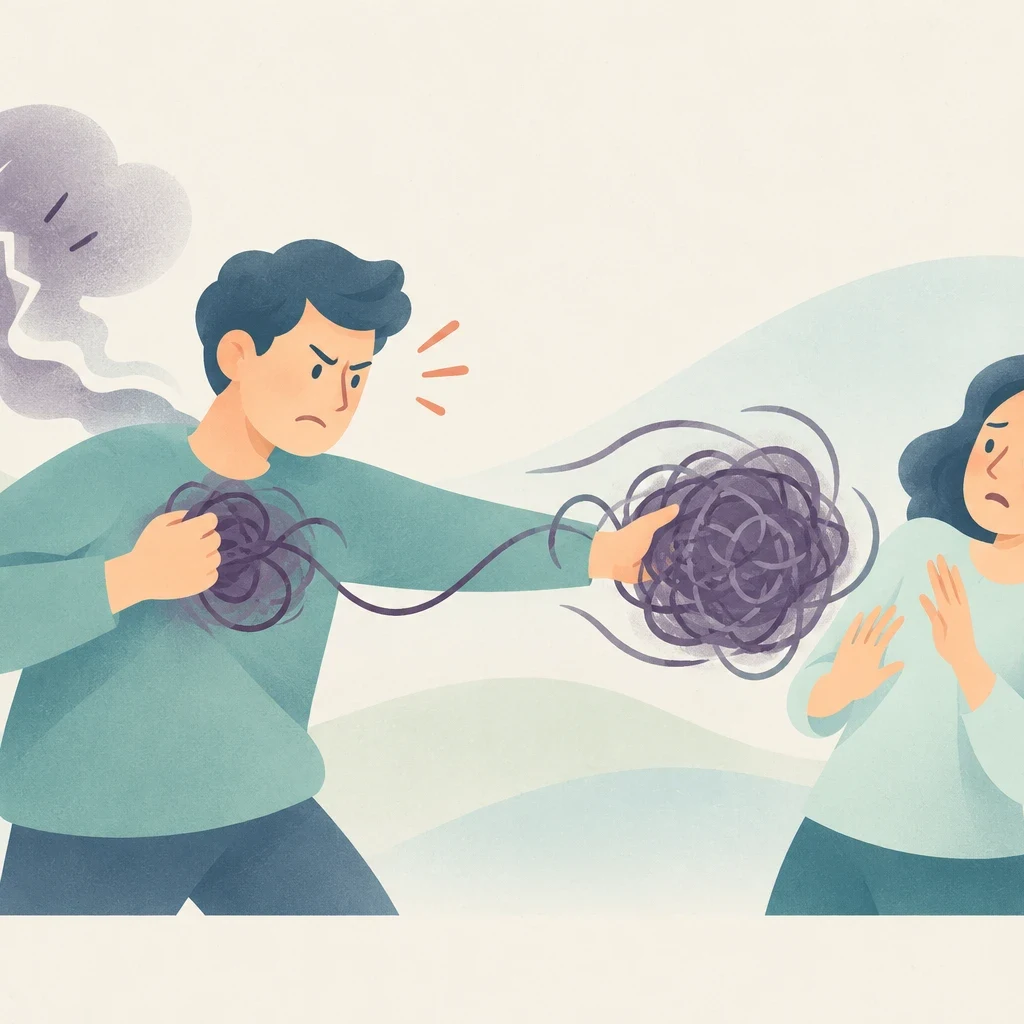
Take it out on someone
A difficult meeting makes someone angry, and later they shout at a family member who did nothing wrong. Which expression describes this unfair redirection?
Start listening
Tentative Meaning: Plans That Might Change
Start listening
The ball is in your court
You have sent the proposal and answered every question. Nothing else can happen until the client responds. Whose responsibility is the next move?
Start listening
The bottom line
A long meeting produces dozens of details, but everyone needs one clear conclusion. Which phrase brings the discussion back to what matters most?
Start listening
The elephant in the room
Everyone at dinner speaks politely, although two guests have stopped talking to each other. The problem is obvious, but nobody mentions it.
Start listening
The final straw
The train is repeatedly late, crowded, and unreliable. One more cancellation finally makes a commuter decide to drive instead.
Start listening
The upper hand
Two companies negotiate, but only one owns the technology both sides need. That advantage gives one side much greater control over the agreement.
Start listening
To bend over backwards
A colleague changes her schedule, calls three suppliers, and stays late to solve your problem. Saying she tried hard does not capture the extraordinary effort.
Start listening
To cut it fine
Your train leaves in twenty minutes, but the journey to the station normally takes eighteen. You might arrive, although almost nothing can go wrong.
Start listening
To get a word in edgeways
One person has talked for ten uninterrupted minutes. You have something useful to add, but every pause disappears before you can begin.
Start listening
To jump ship
A company loses its biggest clients, and several senior employees immediately accept jobs elsewhere. Their timing suggests more than an ordinary career change.
Start listening
To not lift a finger
Three people cook, carry boxes, and clean the room while a fourth person watches from the sofa. How do you emphasise that the watcher contributed nothing?
Start listening
To pull the plug
A promising project keeps losing money. Its sponsor finally ends the funding, and the whole operation must stop immediately.
Start listening
To put someone on the spot
During a public meeting, someone unexpectedly asks you to choose which colleague should lose their budget. Everyone waits for your immediate answer.
Start listening
Torn between
One job offers meaningful work near your family. Another offers better pay in a city you love. Both choices matter, and neither feels easy.
Start listening
Touch a nerve
A casual remark about school closures suddenly changes your friend's expression. You did not intend harm, but the subject connects with a painful experience.
Start listening
Trauma meaning: physical injury and shock
Start listening
Up in the air
You may travel next month, but the dates, budget, and permission are undecided. The trip has not been cancelled, yet nothing is settled.
Start listening
Up to scratch
A report contains good ideas, but several figures are wrong and key evidence is missing. It is not terrible, although it cannot be accepted yet.
Start listening
Up to speed
You return after two weeks away. The project has changed, and you need the latest decisions before you can contribute confidently again.
Start listeningWhat you will find here
How this practice helps
This is the original Received Pronunciation collection. The name identifies the historical grouping, not a promise about every current voice.
Check the player’s accent label. Treat each recording as one speaker’s pronunciation, not a rule for how everyone should sound.