Focused listening library
Received Pronunciation listening
Find lessons from the original Received Pronunciation collection. The accent label beside each clip describes its current recording.

Few vs Some: Choosing Quantity Words
Start listening
Fill out
You can fill out an application with information, while a young person's face may naturally fill out over time.
Start listening
First-day onboarding tasks
A new employee receives two required tasks and one optional invitation. Which action must happen before system access works?
Start listening
Flat viewing costs and dates
Four numbers describe the flat, but they do not all represent monthly costs. Can you label each amount and date correctly?
Start listening
For example: planning a shared kitchen
Start listening
Foreign Words in English: How Loanwords Work
Start listening
Forming Adverbs from Adjectives: Rules and Word Position
Start listening
Furthermore or Moreover: Adding Connected Points
Start listening
Future perfect or continuous: Choose the right form
Start listening
Future plans
You have decided to travel, bought the ticket, and agreed to meet a friend. Does English describe all three parts of that plan in the same way?
Start listening
Future predictions
Use be going to when present evidence shows what will happen next, and use will when you share a personal belief or guess about the future.
Start listening
Gerunds and infinitives with stop, try, remember and need
If you stop working and stop to work, have you ended the job or paused another activity so you can begin it?
Start listening
Gerunds: When to Use -ing
Start listening
Get away with
A person may break a rule without punishment, or use one coat of paint when two would be better. In both cases, they may get away with it.
Start listening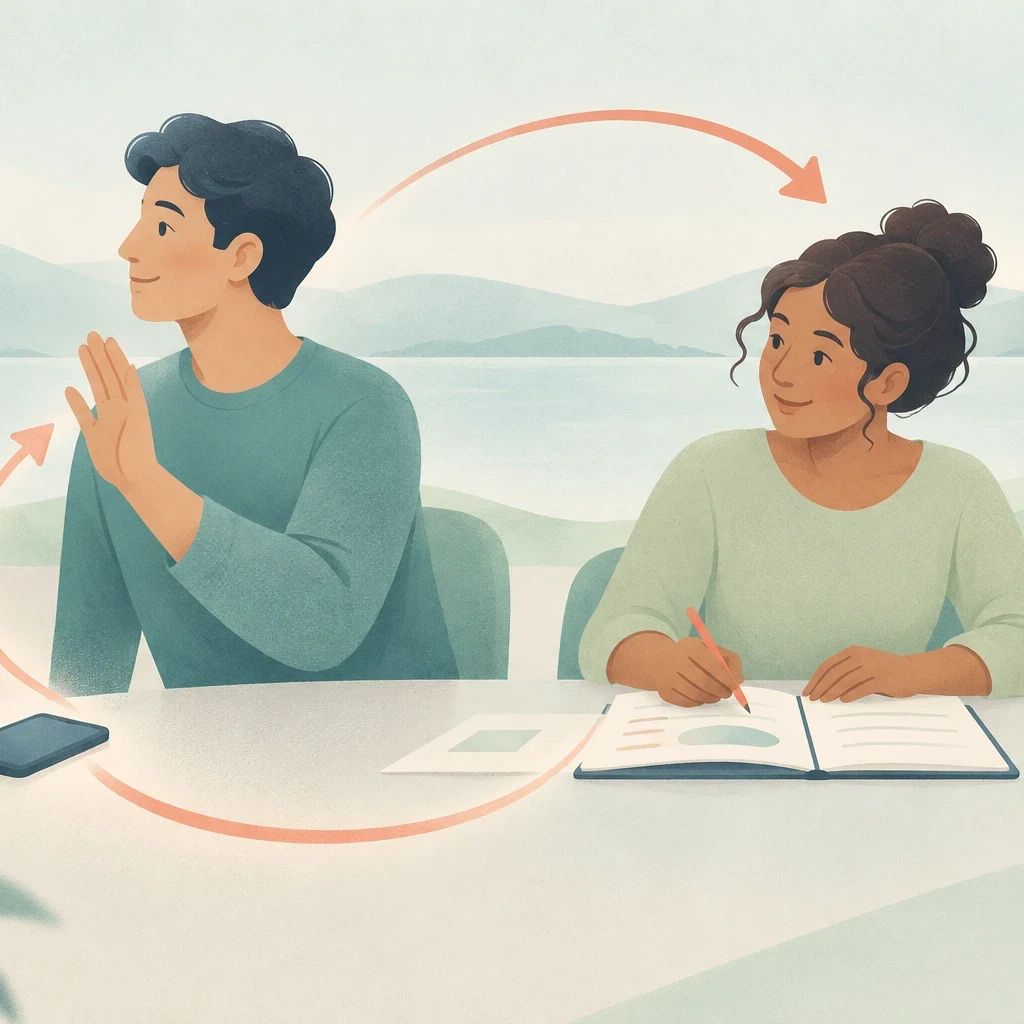
Get back to
If you cannot answer now, you can get back to a person later. When the interruption ends, you can get back to the task.
Start listening
Get by
When you have less money, equipment or language than you would like but still manage, you get by.
Start listening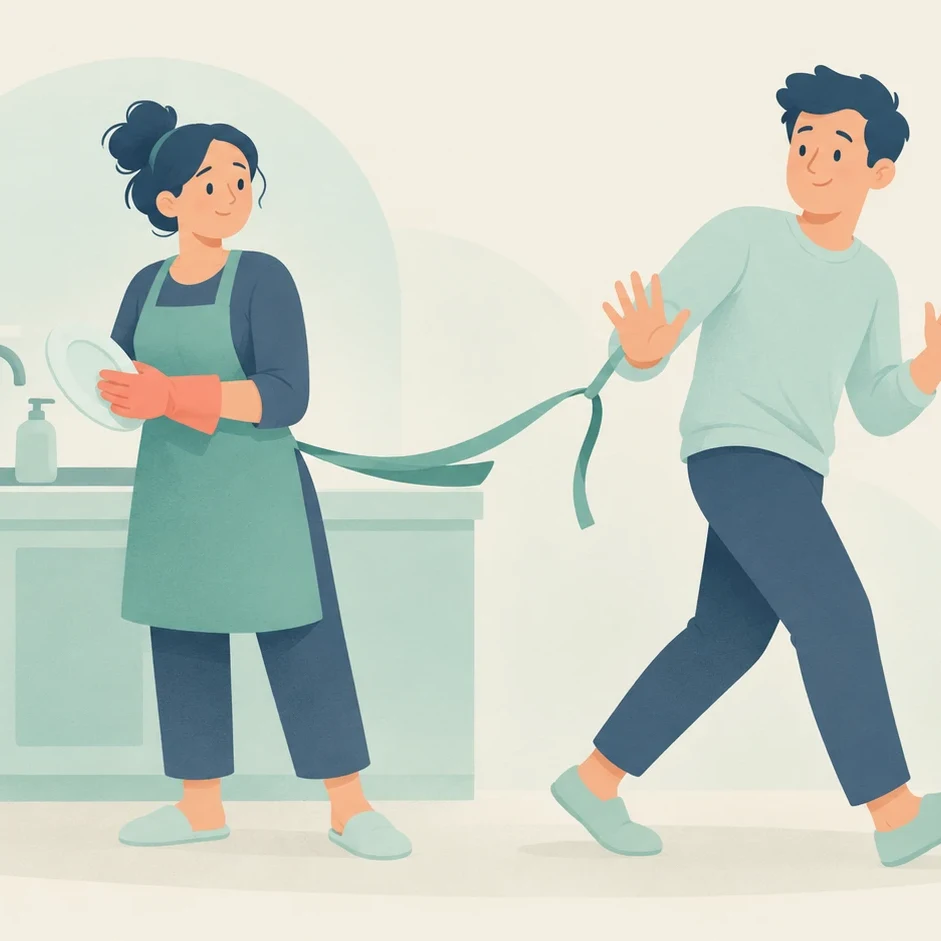
Get out of something
An excuse may help someone get out of a meeting, while a changed routine may help them get out of a bad habit.
Start listening
Get over
After an illness, disappointment or shock, feeling like yourself again can take time. That process is getting over it.
Start listening
Get round to
The task has stayed on your list for weeks. When you finally do it, you get round to it.
Start listening
Get together
Friends get together for lunch, while two people who get together may also be starting a relationship. Context prevents awkward misunderstandings.
Start listening
Getting the Repair Café Ready: Group Words
Start listening
Give away
A shop can give away samples, while your smile can give away a secret. The same phrasal verb changes meaning with its object and situation.
Start listening
Go down
Prices can go down, a website can go down, and the sun goes down every evening. The subject tells you what kind of change happened.
Start listening
Go off
An alarm goes off when it starts making noise, but a light goes off when it stops working. The subject reverses what the same words seem to mean.
Start listeningWhat you will find here
How this practice helps
This is the original Received Pronunciation collection. The name identifies the historical grouping, not a promise about every current voice.
Check the player’s accent label. Treat each recording as one speaker’s pronunciation, not a rule for how everyone should sound.