Micro-listenings: short English recordings
A short recording gives you a manageable place to practise. Listen for the main message first, then work on the details you missed.

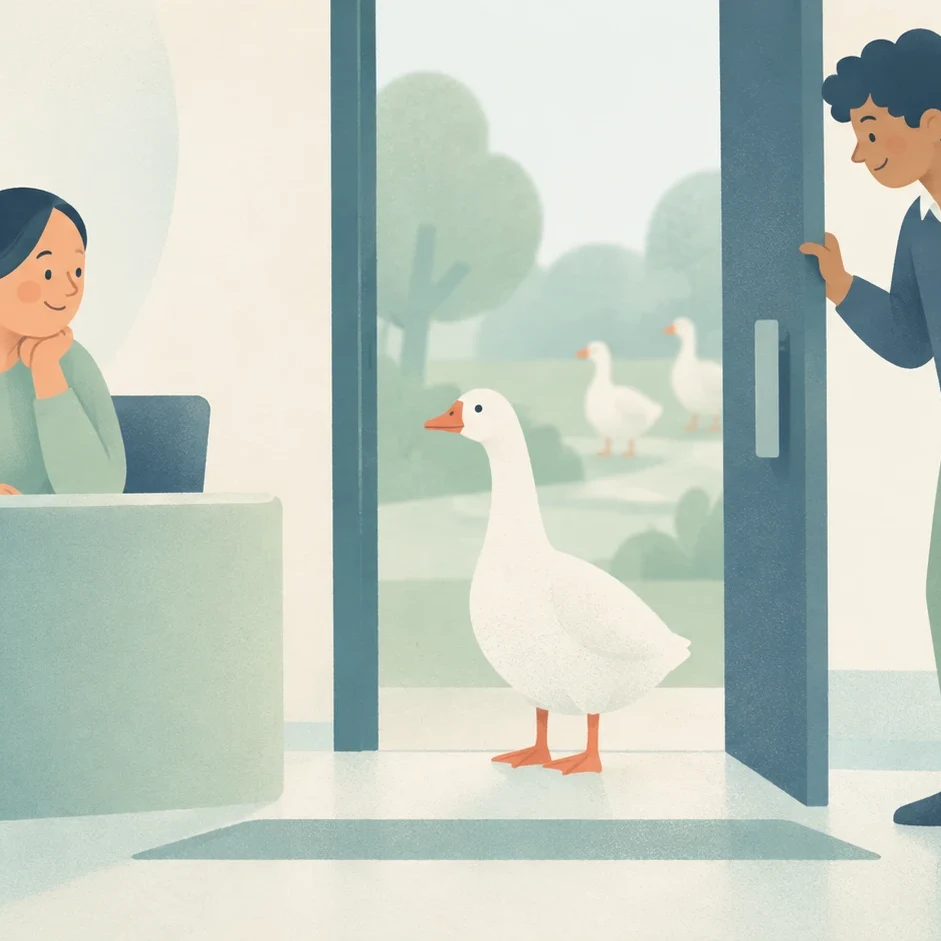
A Goose at the Office Door
Start listening
A good trajectory
A manager says your work is moving in the right direction, then identifies one weakness. Is the overall message positive or negative?
Start listening
A or An: Choosing the Right Article
Start listening
A wardrobe clear-out
Not everything unwanted can go to a charity shop. Which clothes are donated, repaired or sent for textile recycling?
Start listening
A year-long cruise
A traveller likes the idea of living at sea for a year, but the headline price does not cover everything. Which practical questions remain unanswered?
Start listening
About vs Around: Choosing the Right Word
Start listening
Active and passive voice: choose clear sentences
Start listening
Adapt or adopt: choose the right verb
Start listening
Adjective Order: Build Clear Natural Descriptions
Start listening
Adjective Order: Rules and Examples
Start listening
Adjectives of Number: Forms and Examples
Start listening
Adverbs of reason: link cause and result
Start listening
Advice or advise: asking for help and suggesting a next step
Start listening
Advice that changed meaning
The speaker has remembered one sentence for years, but no longer understands it in the same way. What changed?
Start listening
And I or and me: how to choose
Start listening
Articles exercises with answers: Choose A An The
Start listening
Articles in English: How to Choose
Start listening
Awesome Meaning: Praise and Clear Feedback
Start listening
Beside, Besides, or Except: Choose the Right Word
Start listening
Booking a hotel room
A guest books three nights and asks for one room feature. Which services are included, and when does free cancellation end?
Start listening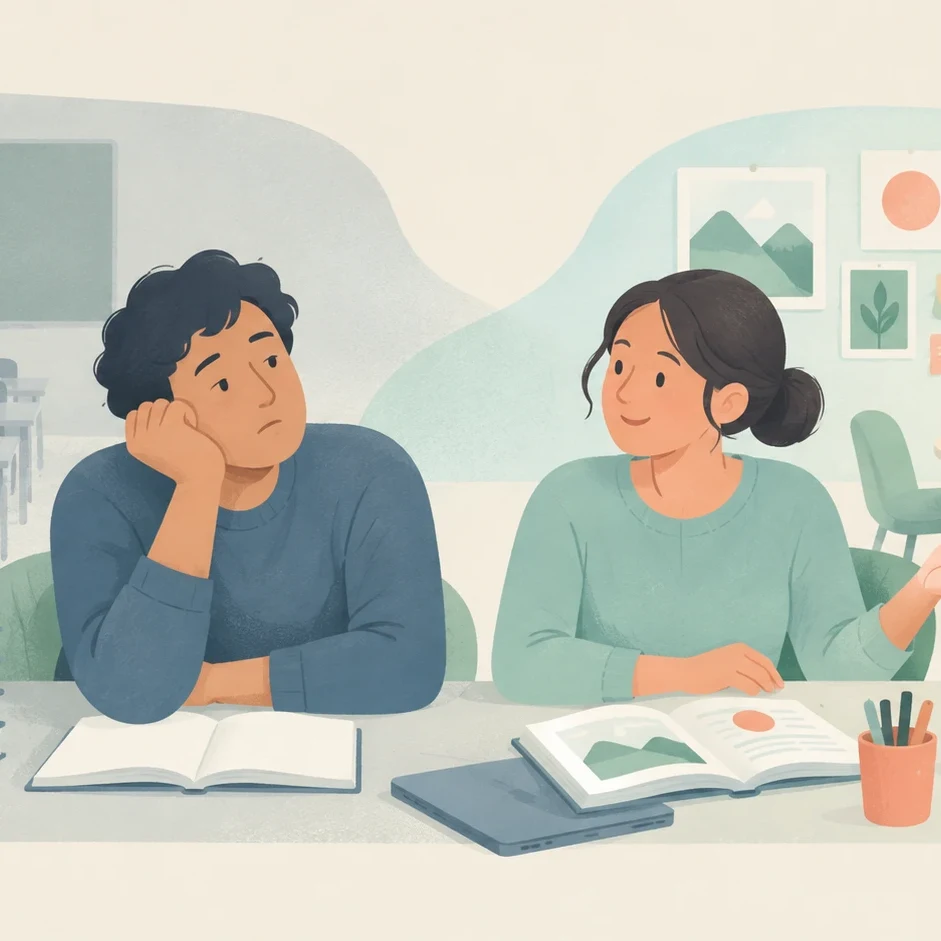
Bored or boring: Talk about your class
Start listening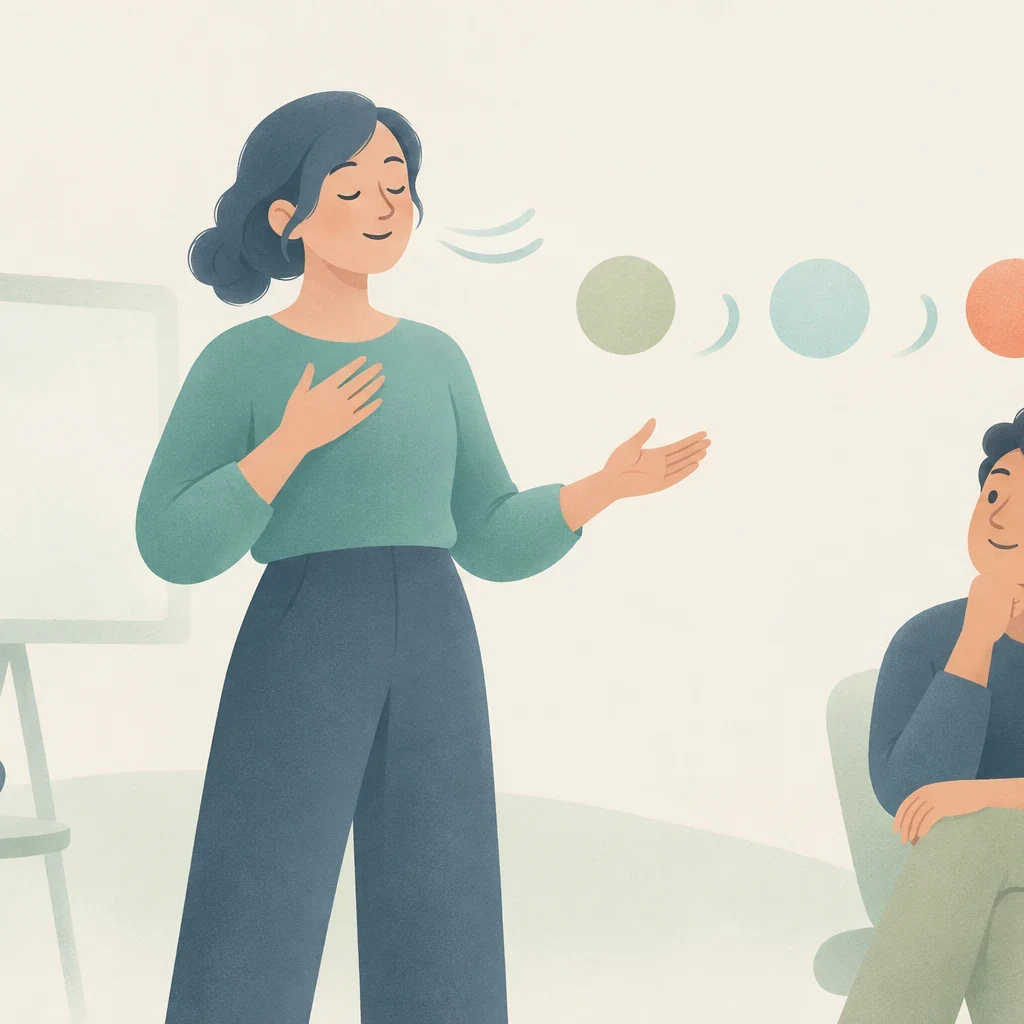
Breathe when public speaking: Pause before each point
Start listening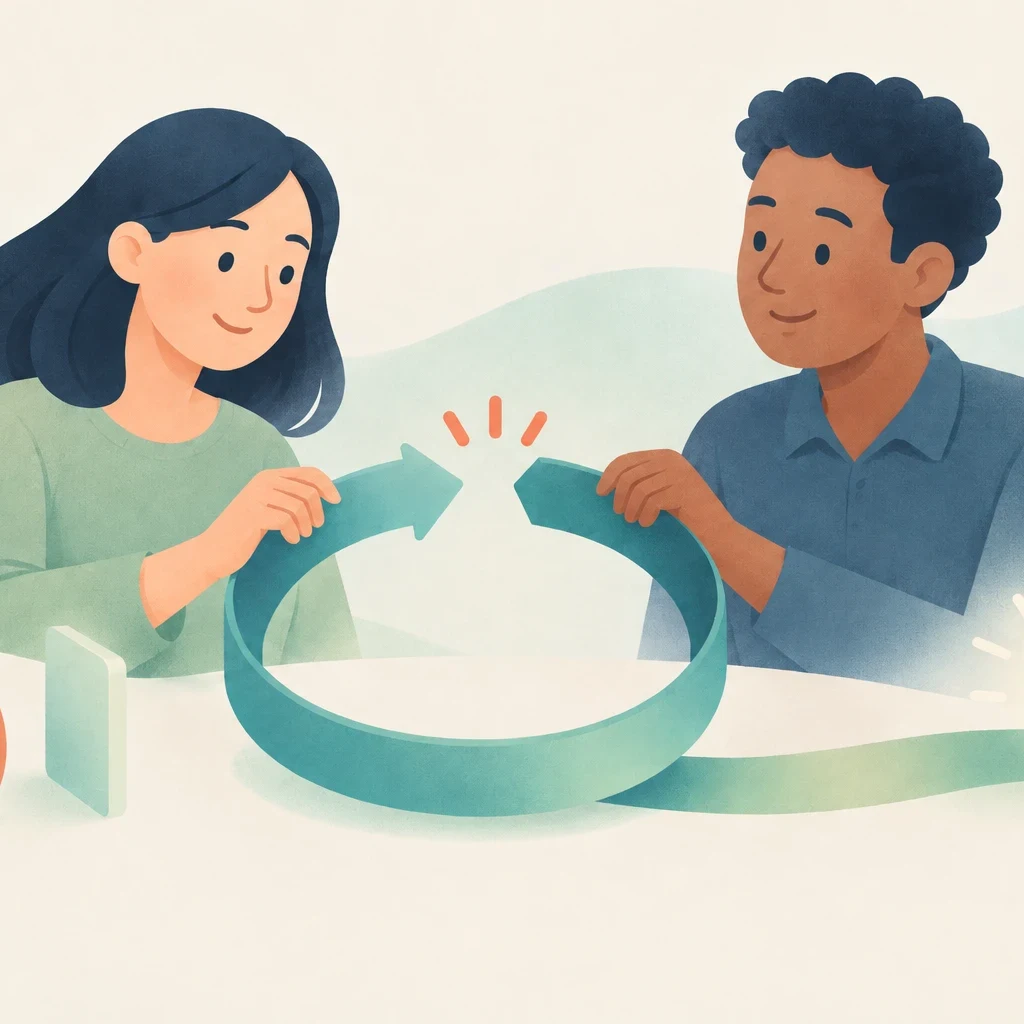
Cancelling a subscription
The customer cancels renewal today but keeps access until the thirtieth. Does that mean another monthly payment is due?
Start listening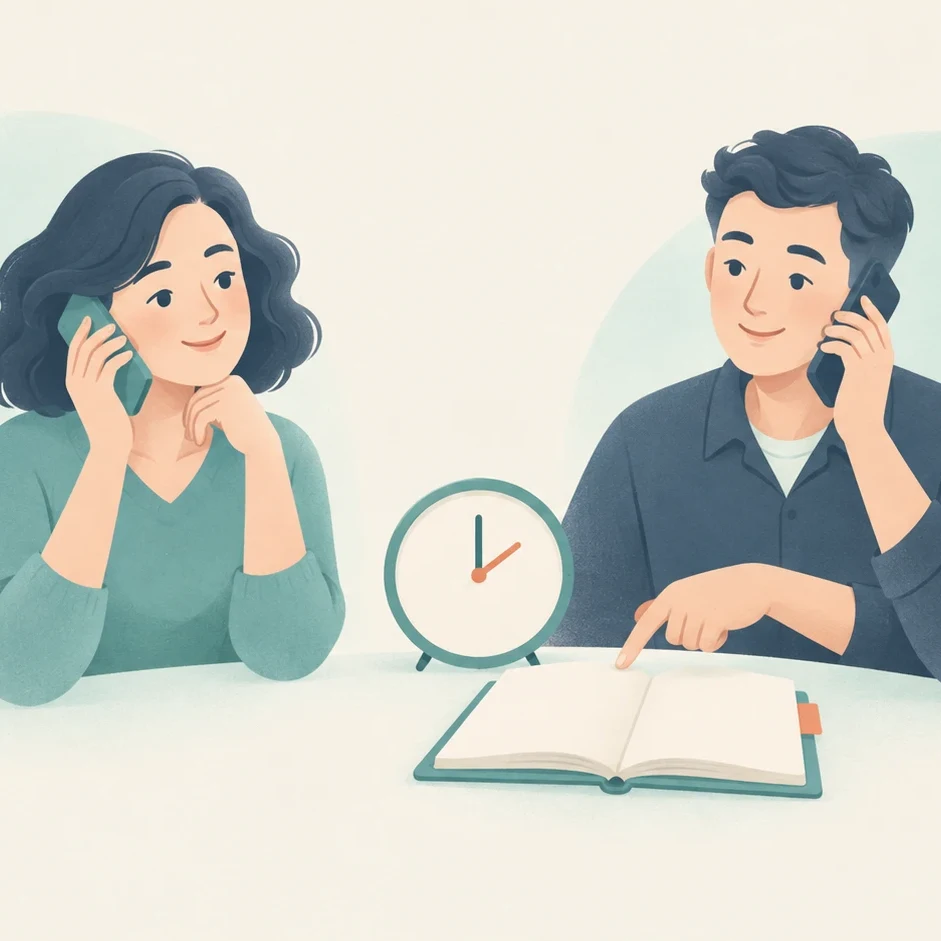
Changed appointment time
A caller mentions Thursday, Monday morning and Monday afternoon. Only one is the new appointment. Can you track the change?
Start listeningWhat this family trains
What to practise
Choose a topic and level. The instruction beside each recording tells you whether to write all the words or fill the gaps.
Follow the message without stopping at every unfamiliar word. On a second listen, look for the details that explain what happened.
Separate understanding from exact wording. You can understand a message and still need another listen to write it accurately.
Why it is hard to hear
What to listen for
A longer clip asks you to remember more words at once. Use replay or the sentence controls when available, then work through one part at a time.
In a dialogue, identify who is speaking and how each reply relates to the previous one. If a reply surprises you, replay the preceding turn as well.
Start here
Suggested starting points
Choose a level that fits you. You can return to the full list at any time.
Level progression
From B1 to C2
Check the lesson count at each level before choosing where to start.
- A1 3 lessons
- A2 25 lessons
-
B1
189 lessons
Begin with familiar topics. Catch the main point before writing the details.
-
B2
60 lessons
Listen for reasons, changes of plan, and the words that connect ideas.
-
C1
No lessons yet
Notice how speakers qualify a statement or suggest something indirectly.
-
C2
No lessons yet
Compare exact wording with intended meaning, including tone and implication.
Accent note
Compare the available voices
Use the voice choices available for each clip. A longer recording may have fewer accent options than a short dictation; check the label before playing.
Questions learners ask
Before you start
Why use short recordings?
You can replay a difficult part and compare it with the transcript in a short session. Use longer listening material too when you want to practise following an extended message.
Do I type the whole recording?
Follow the instruction above the answer field. A dictation asks for the words you hear; a gap-fill asks only for the missing words.
Can I slow the audio down?
Choose 0.75× for slower playback. Once you can hear the difficult part, try it again at 1×.
What does the number in a lesson title mean?
It identifies the lesson in the original MicroEnglish collection. It is not a score or a language level; use the level label when choosing a lesson.
Other families
Keep exploring
English idioms and listening practice
Read meanings and examples, then practise hearing idioms with dictation and word-by-word feedback.
Explore this family →Phrasal verb listening practice
Study phrasal verbs in context. Check meaning and word order, then try a recorded sentence.
Explore this family →Grammar listening practice
Read a grammar pattern and its examples, then listen for the form in a complete sentence.
Explore this family →Word focus: meaning and use
Study a word in context. Compare meanings and common combinations, then practise listening.
Explore this family →English listening tips and advice
Practical guidance on replay, hints, transcripts, and reviewing the words you missed.
Explore this family →English slang: meaning and context
A collection for informal English, with attention to meaning, setting, and tone. Check the list for available lessons.
Explore this family →