English idioms and listening practice
You may know every word in an idiom and still miss what the speaker means. Start with the situation, then listen for the phrase as a whole.


A ballpark guess
A ballpark guess is a rough numerical estimate based on general knowledge to help people make early plans.
Start listening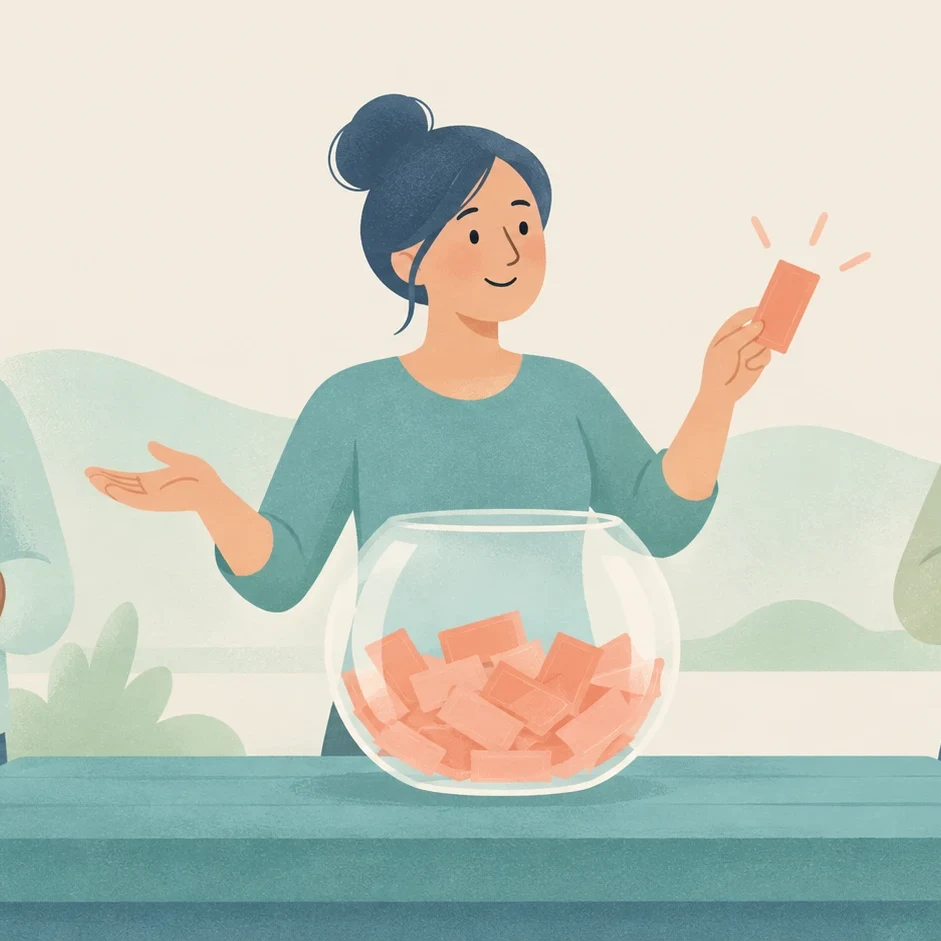
Above board
Above board describes actions or deals that are honest and legal, with nothing hidden.
Start listening
At first glance
At first glance introduces how something appears when first seen before a closer look reveals new facts.
Start listening
Backlog
You answer five old emails, but twelve more are still waiting. What do you call the work that has built up behind you?
Start listening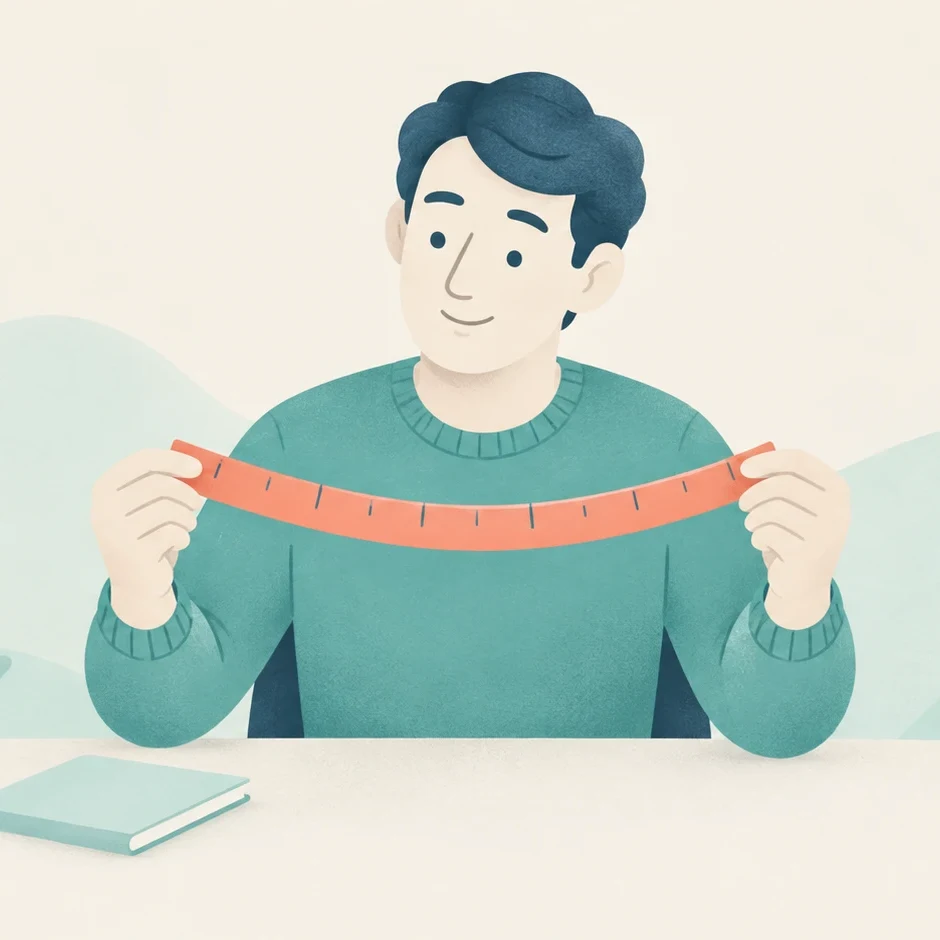
Bend the rules
Bend the rules means to relax or ignore a standard regulation slightly for someone in a harmless situation.
Start listening
Breathing down my neck
Breathe down someone's neck means to watch someone closely in a stressful way, or to approach quickly as an urgent deadline.
Start listening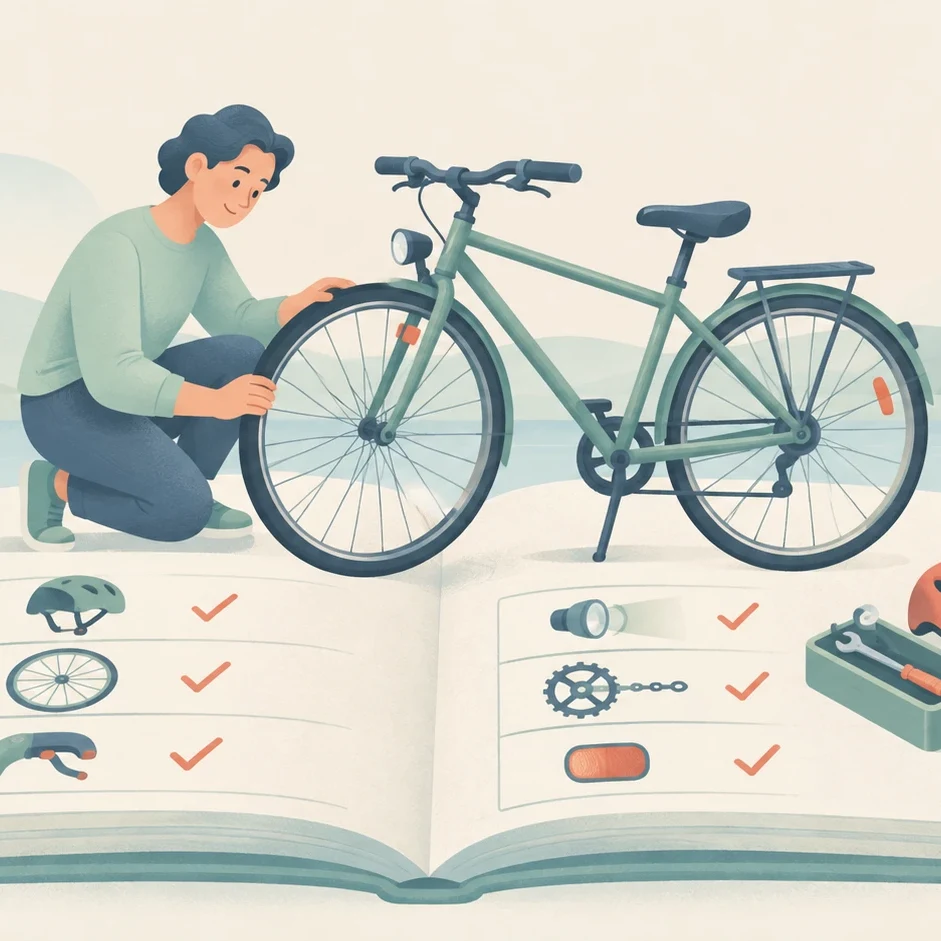
By the book
Following set rules, laws, or standard steps strictly without taking shortcuts.
Start listening
Come out of your shell
Come out of your shell means to become less shy and more willing to talk with other people.
Start listening
Corner the market
One company sells nearly every reusable bottle in a city, and competing shops struggle to attract buyers. How can you describe the company's position?
Start listening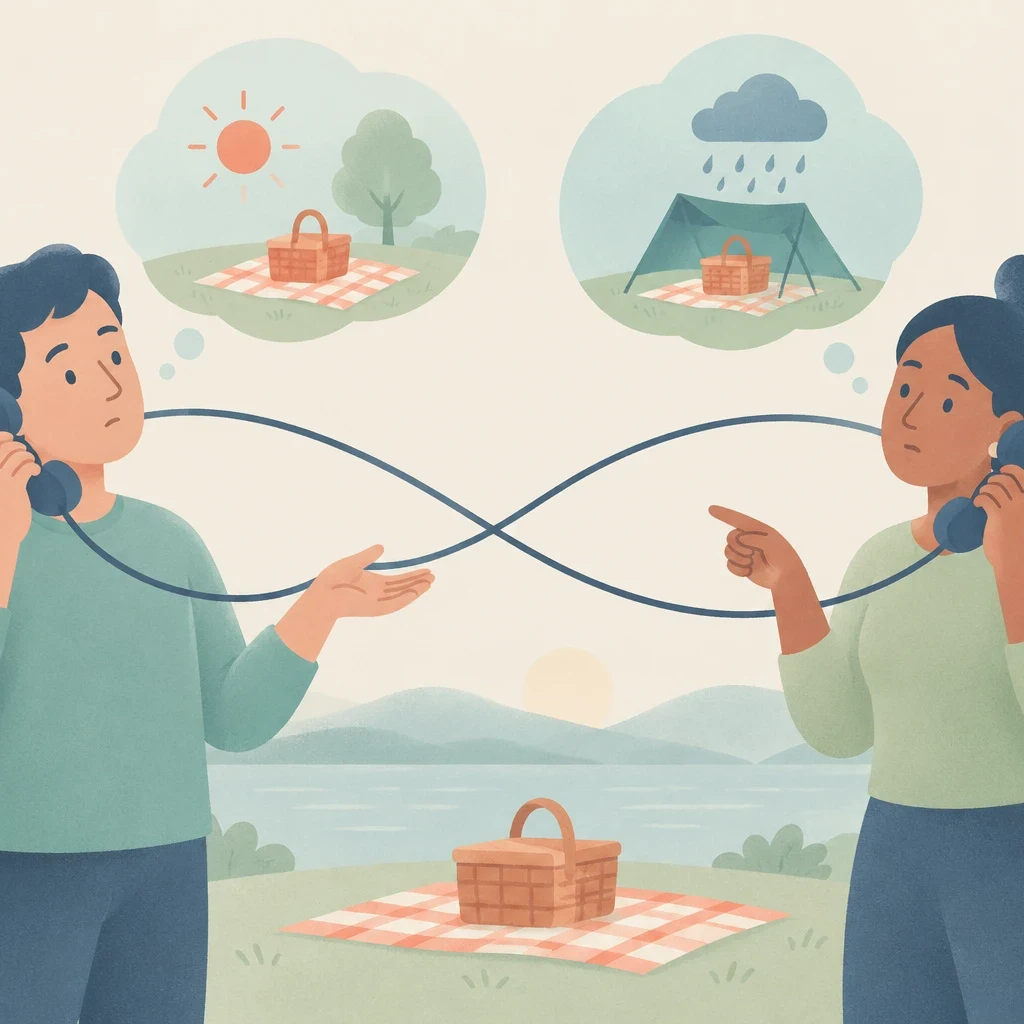
Crossed wires
You arrive for a meeting on Tuesday, but your colleague expects you on Thursday. Neither person meant to cause a problem. How can you describe what happened?
Start listening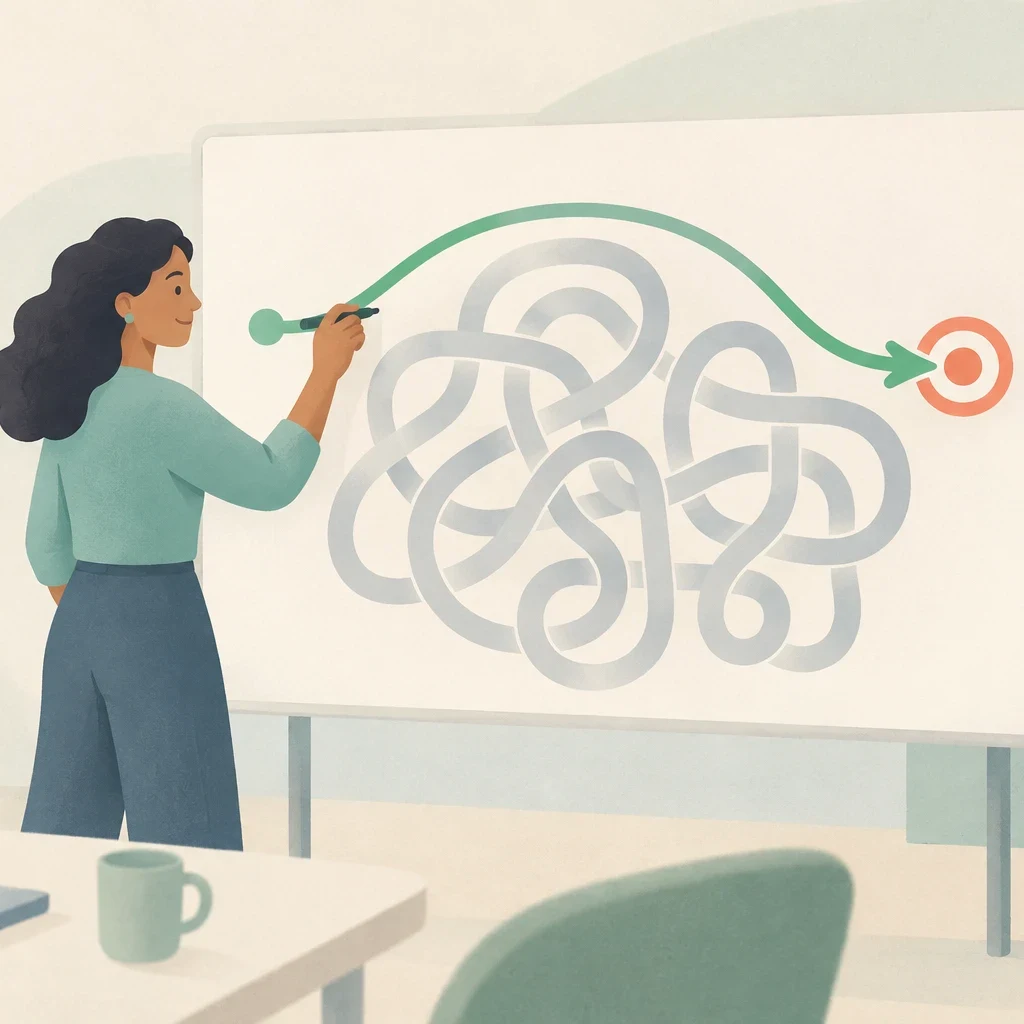
Cut to the chase
Cut to the chase means to stop wasting time on minor details and talk directly about the most important subject.
Start listening
Easier said than done
Someone tells you to stop worrying before an important interview. The advice is sensible, but following it feels much harder than giving it. How can you respond?
Start listening
Expressions with get
Get in touch means start communicating with someone. Get rid of means remove or throw away something unwanted. Get used to means become familiar and comfortable with a new situation.
Start listening
Eye to eye
Two team members have different working styles, but both want to delay the launch until the product is safer. How can you describe the opinion they share?
Start listening
For the time being
Your office is being repaired, so you are working from a library until another arrangement is ready. The plan is temporary, but there is no exact end date. What phrase fits?
Start listening
From scratch
A damaged spreadsheet cannot be repaired, and there is no clean copy. You open a blank file and recreate every part. How did you start?
Start listening
From the ground up
A company does not make a few changes to its service. It redesigns the basic rules, the technology, and every customer step. How can you emphasise the complete rebuild?
Start listening
Get it out of your system
You keep thinking about an unfair decision. After telling a friend exactly how you feel, the frustration becomes easier to leave behind. What have you done?
Start listening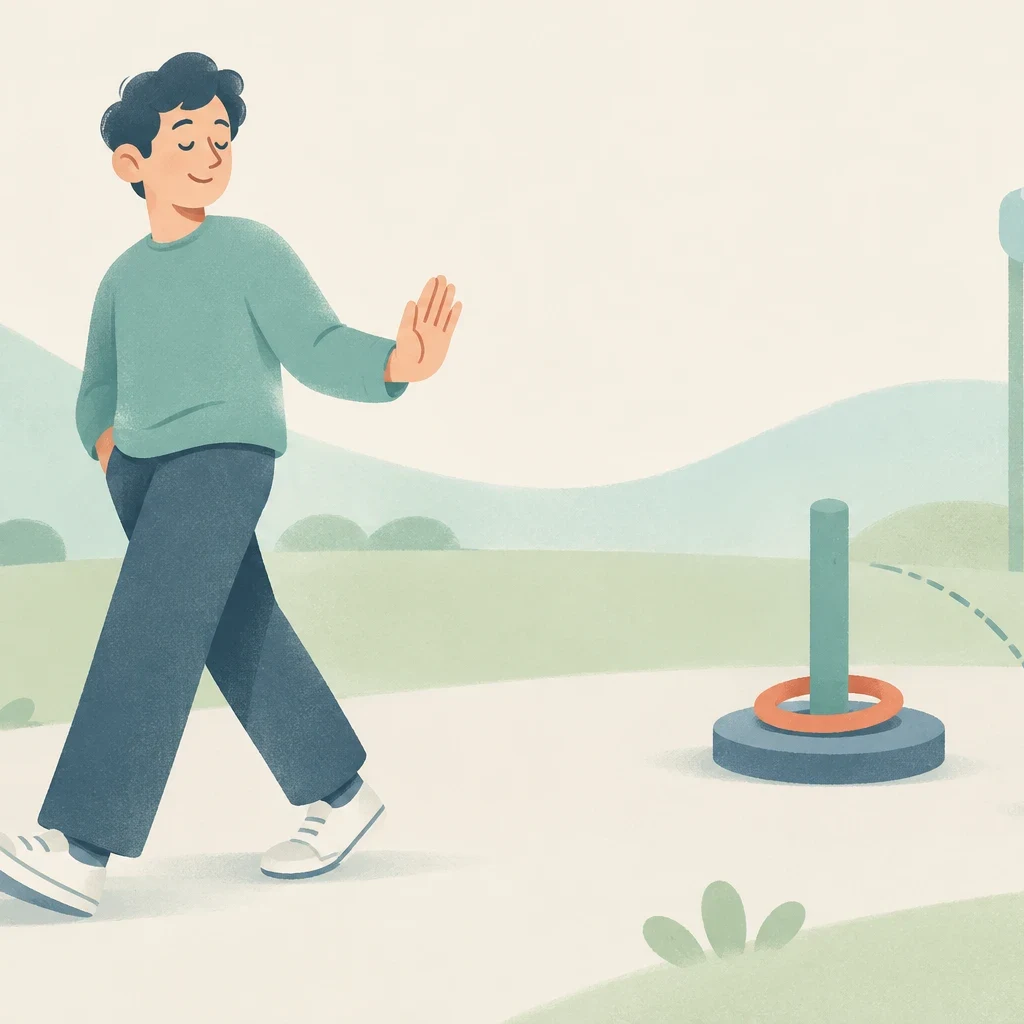
Give it a miss
Your friends invite you to a late film, but you are tired and have an early start. How can you casually say that you will not go this time?
Start listening
Give it your best shot
You are not sure you can answer every interview question, but you have prepared carefully and intend to do your best. How can you describe that effort?
Start listening
Go hand in hand
A growing shop receives more orders, but it also needs more customer support. The two changes repeatedly appear together. How can you describe their connection?
Start listening
Go off the rails
A previously reliable manager starts hiding expenses, ignoring every warning, and breaking company rules. How can you describe this serious change in behaviour?
Start listening
Go to your head
A colleague wins one award and immediately starts acting as if nobody else's advice matters. What can you say about the effect of that success?
Start listening
Go with the flow
Your friends change the plan several times, but none of the options matters much to you. You decide to accept their choice and enjoy the day. What are you doing?
Start listeningWhat this family trains
What to practise
Choose an expression you want to understand. Read its meaning and examples, then try the first dictation free.
Recognise an expression inside a complete sentence. Listen once for the message, then replay to catch the words around the idiom.
Decide when the expression fits. Compare the examples and notes on tone before using it in a conversation of your own.
Why it is hard to hear
What to listen for
Words can run together in a recording. If the phrase is familiar on paper but hard to hear, compare one short part with the transcript, then replay without reading.
A literal interpretation may not fit the situation. Check who is speaking and what has happened before deciding what an idiom means.
Start here
Suggested starting points
Choose a level that fits you. You can return to the full list at any time.
-
Start at B1
Take it easy
Take it easy means to rest and avoid hard effort. It means to calm down and stop worrying. It also means goodbye between friends.
12 min · Open lesson → -
Then try C1
A matter of time
A new café is already popular, and you are confident it will need a bigger space, but you do not know when. Which phrase expresses that expectation?
12 min · Open lesson → -
Stretch at C2
On the line
A failed presentation could cost a manager her position. Which phrase shows that her job faces a serious risk?
12 min · Open lesson →
Level progression
From B1 to C2
Check the lesson count at each level before choosing where to start.
-
B1
1 lesson
Start with a familiar situation and a short sentence. Check the meaning before trying dictation.
-
B2
64 lessons
Compare expressions used at work and in everyday conversation. Pay attention to the words around the idiom.
-
C1
14 lessons
Use the tone and contrast notes to decide why one expression fits better than another.
-
C2
7 lessons
Look closely at implied meaning. Use the test to check exact wording after you understand the message.
Accent note
Compare the available voices
Choose from the accents shown for the current clip. Mixed changes the voice between clips where alternatives are available. To compare voices, replay the same sentence in another available accent.
Questions learners ask
Before you start
Should I learn idioms from a list?
A list can introduce useful expressions. Follow it with a complete example and a recording so you can connect the meaning with how the phrase sounds.
Why focus on one expression?
It gives you time to understand its meaning, compare situations, and hear it in more than one sentence before moving on.
Can I use every idiom at work?
Check the tone and usage notes first. An expression that fits a relaxed conversation may sound too casual or dismissive in a formal one.
What if I know the idiom but miss words?
Look at the marked words. You may have missed a sound, an ending, or a spelling detail. Replay that part, compare with the transcript, then try without reading.
Other families
Keep exploring
Phrasal verb listening practice
Study phrasal verbs in context. Check meaning and word order, then try a recorded sentence.
Explore this family →Micro-listenings: short English recordings
Practise following a short recording, then use dictation or gap-fill to check the details.
Explore this family →Grammar listening practice
Read a grammar pattern and its examples, then listen for the form in a complete sentence.
Explore this family →Word focus: meaning and use
Study a word in context. Compare meanings and common combinations, then practise listening.
Explore this family →English listening tips and advice
Practical guidance on replay, hints, transcripts, and reviewing the words you missed.
Explore this family →English slang: meaning and context
A collection for informal English, with attention to meaning, setting, and tone. Check the list for available lessons.
Explore this family →