
Comprenez d’abord la situation
Choisissez un sujet familier. Repérez l’idée principale avant de vouloir écrire chaque mot.
Bibliothèque d’exercices d’écoute
Retrouvez à l’oral le vocabulaire que vous connaissez déjà, avec des phrases enchaînées et une aide progressive.

A performance blows the audience away while a gust blows the programmes away. Emotion and wind create different meanings with the same form.
Commencer à écouter

A guest books two nights and asks for a quiet room. Listen for the room type, included services and free-cancellation deadline.
Commencer à écouter
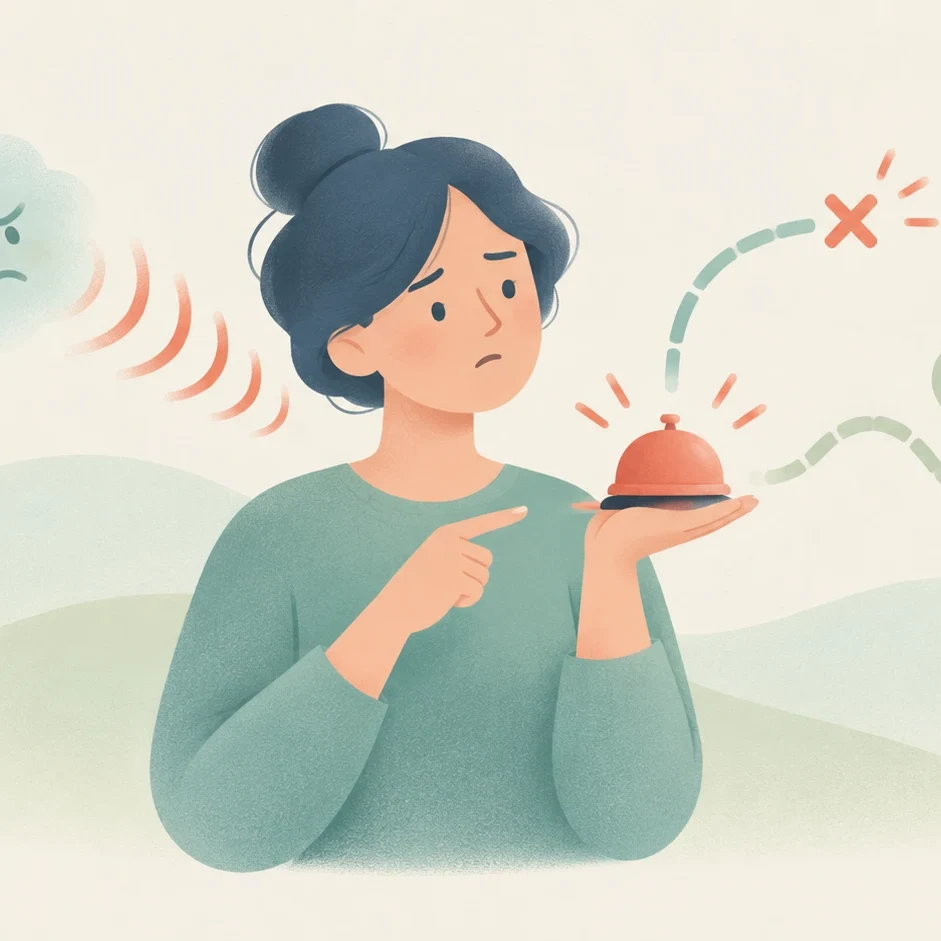
Noise can bother you, a thought can bother you, and you may not bother to reply. The first two affect feelings; the last describes effort.
Commencer à écouter



A couple breaks up, a meeting breaks up, and a phone call starts breaking up. Only one involves a romantic relationship.
Commencer à écouter

A small decision can produce a large result. Bring about connects the cause to the change that follows.
Commencer à écouter
You can bring up a difficult topic, bring up a child, or bring up a file on a screen. Context tells you which action is happening.
Commencer à écouter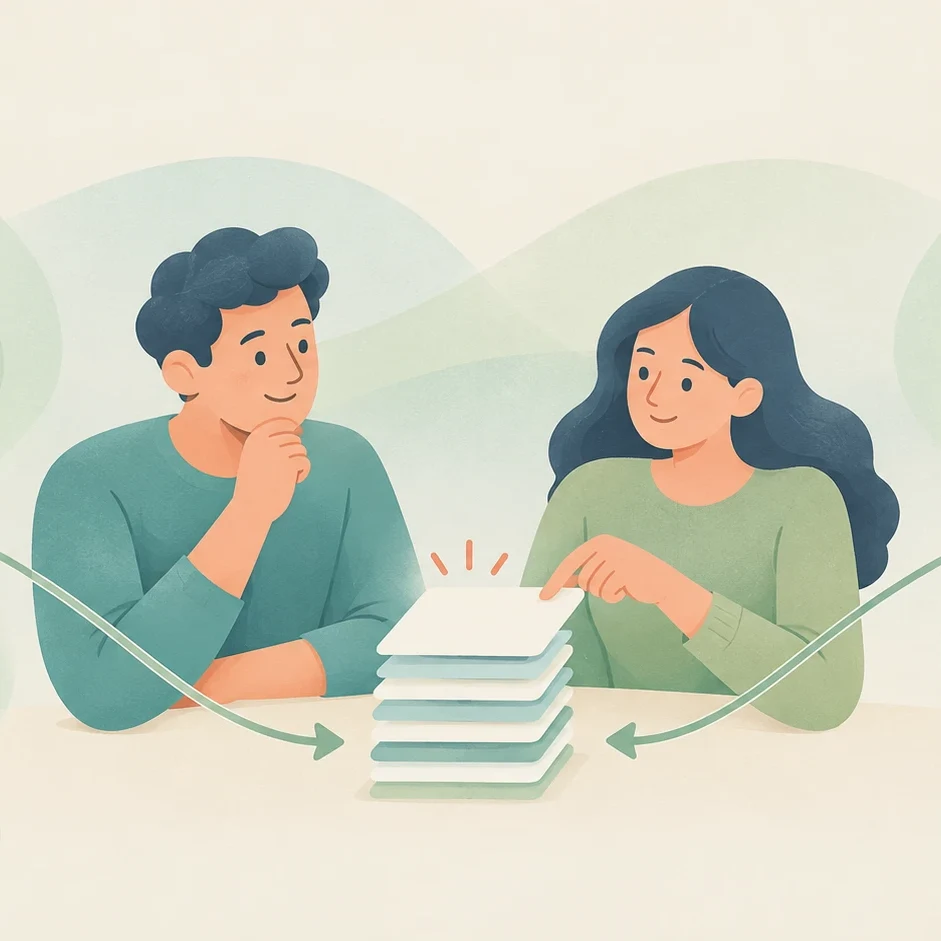


If you bump into an old friend, you meet unexpectedly. If you bump into a table, the surprise may hurt a little more.
Commencer à écouter
A worker, a campfire and a motor can all burn out, but each one reaches a different kind of end.
Commencer à écouter

You can call off a match before it starts, call off a search already in progress, or call a threatening dog off.
Commencer à écouter

The customer cancels renewal today but keeps access until the thirtieth. Does that mean another monthly payment is due?
Commencer à écouter
Fall behind on a walk, at work or in a friendship, and catch up helps you close the gap in three different ways.
Commencer à écouter


A caller mentions Thursday, Monday morning and Monday afternoon. Only one is the new appointment. Can you track the change?
Commencer à écouterSur cette page
Un mot connu à l’écrit peut vous échapper à l’oral. Au niveau B1, entraînez-vous avec de courts enregistrements et utilisez les aides au fur et à mesure.
Essayez de comprendre le message, puis réécoutez les mots autour du passage qui vous a échappé.
Votre parcours par niveau
Choisissez un sujet familier. Repérez l’idée principale avant de vouloir écrire chaque mot.
Réécoutez, demandez un indice, puis écoutez à nouveau. Consultez la transcription lorsqu’une écoute supplémentaire ne vous aide plus.
Après l’entraînement, essayez le test. Vous pouvez réécouter l’enregistrement, mais aucun indice n’est disponible.