
Comprenez d’abord la situation
Choisissez un sujet familier. Repérez l’idée principale avant de vouloir écrire chaque mot.
Bibliothèque d’exercices d’écoute
Retrouvez à l’oral le vocabulaire que vous connaissez déjà, avec des phrases enchaînées et une aide progressive.
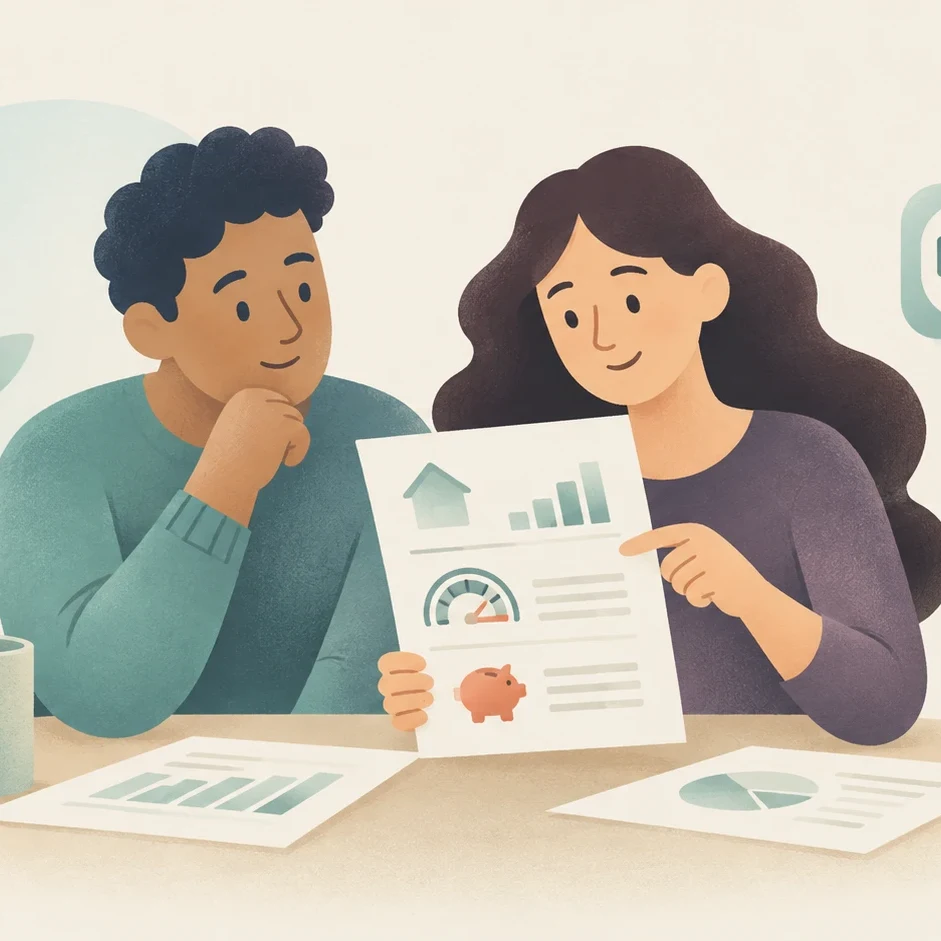
The large bill is based on an estimate, not the meter. After one number is corrected, does the customer still owe money?
Commencer à écouter


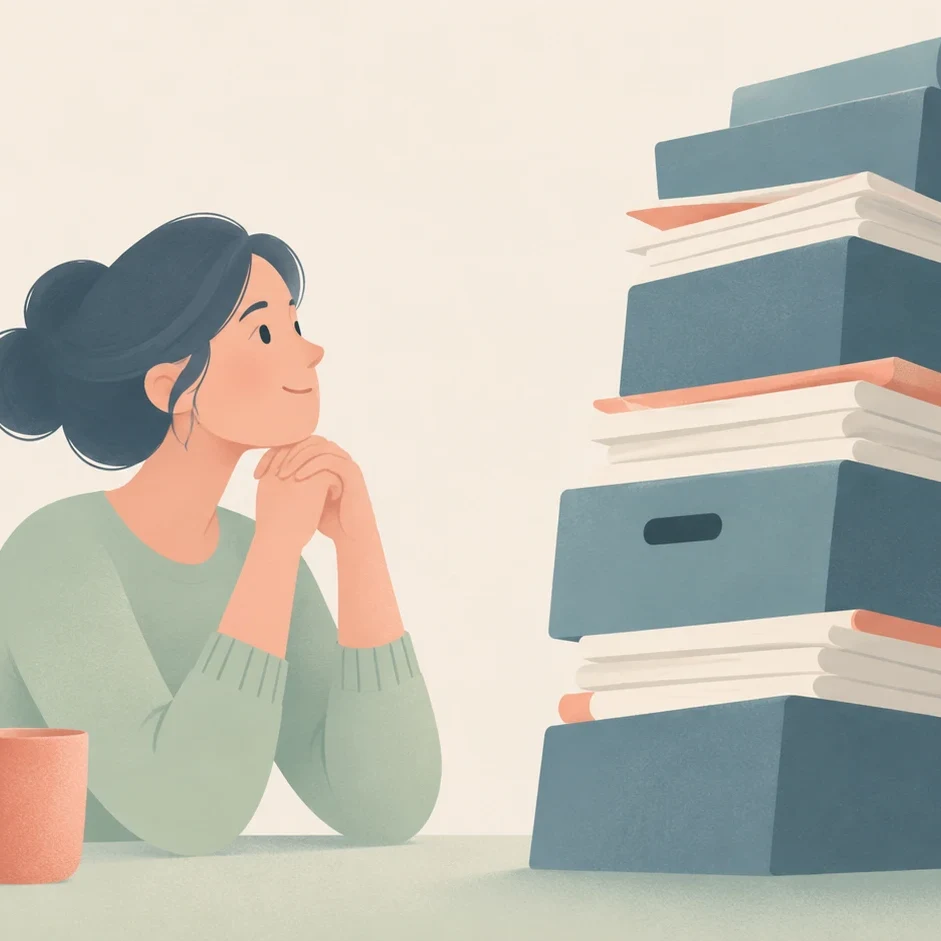
Ignoring a problem may delay a decision; facing up to it is the moment you accept that it is real.
Commencer à écouter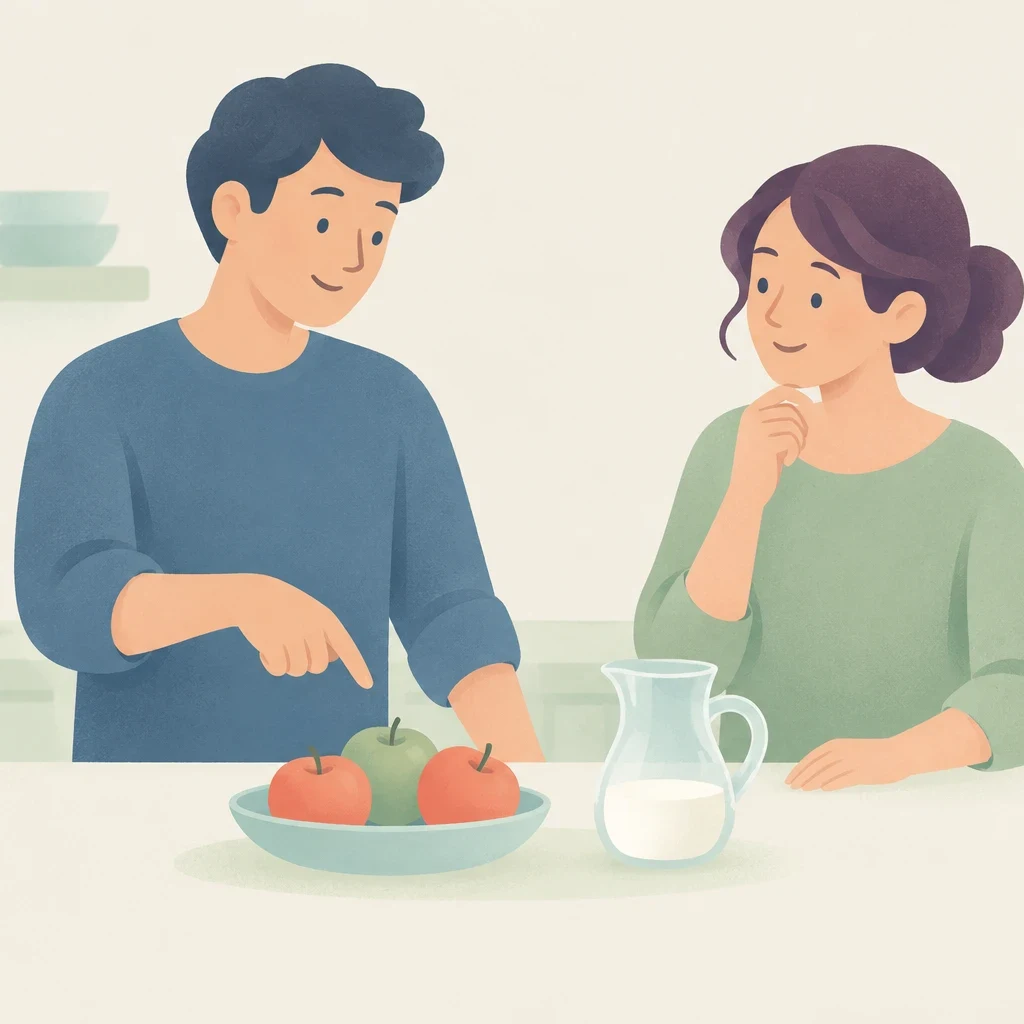


You can fill out an application with information, while a young person's face may naturally fill out over time.
Commencer à écouter

A new employee receives two required tasks and one optional invitation. Which action must happen before system access works?
Commencer à écouter

Four numbers describe the flat, but they do not all represent monthly costs. Can you label each amount and date correctly?
Commencer à écouter



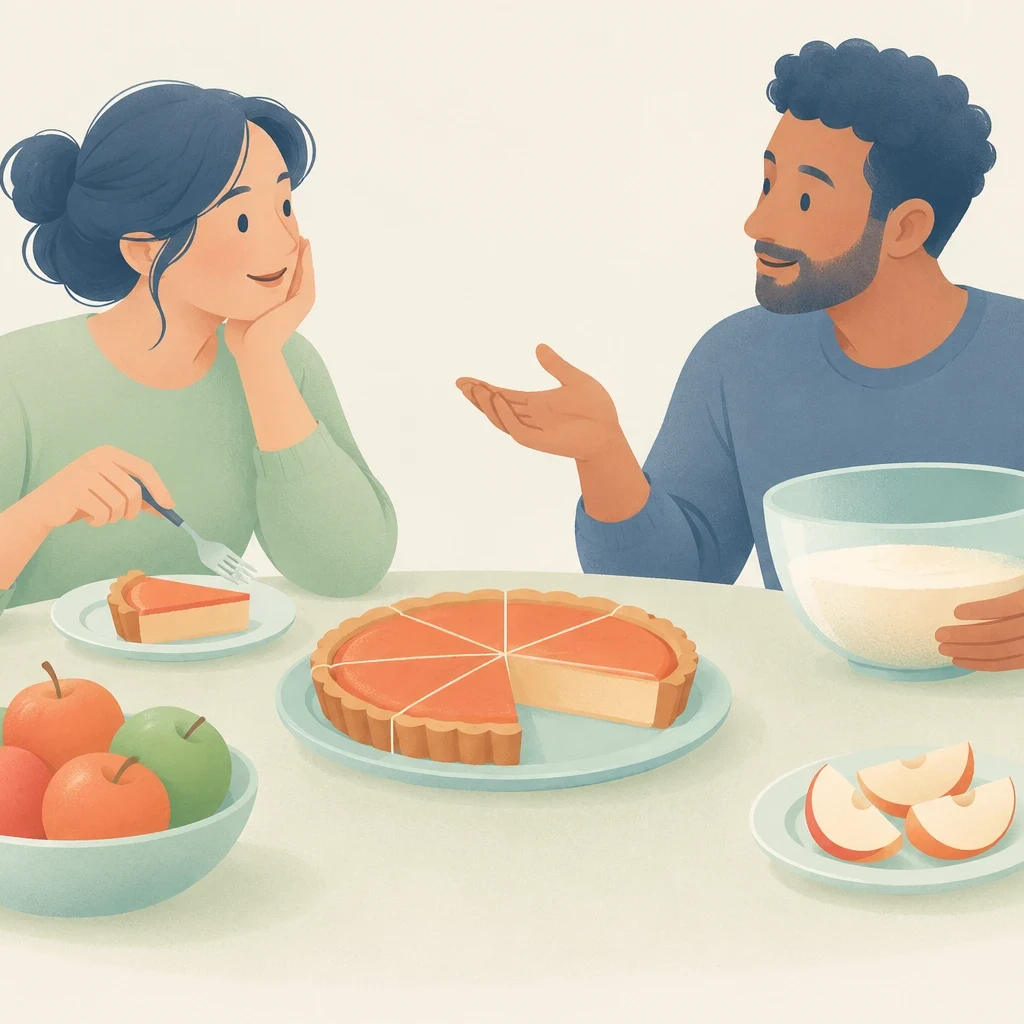
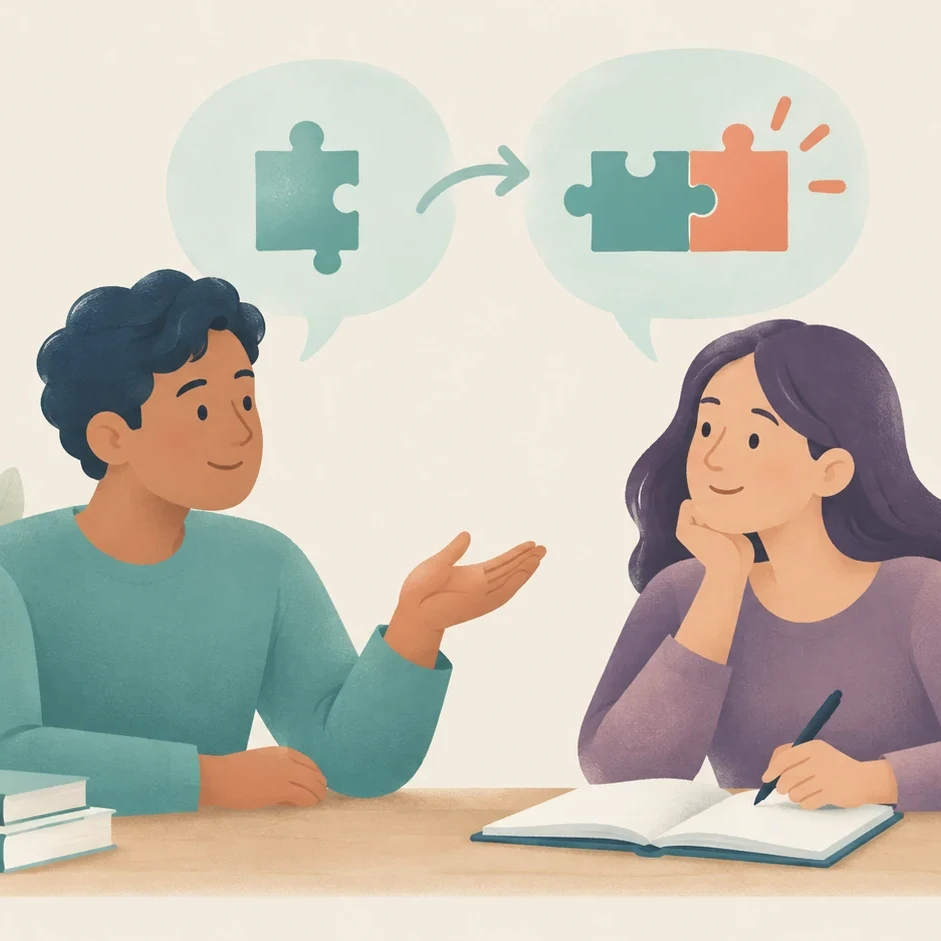

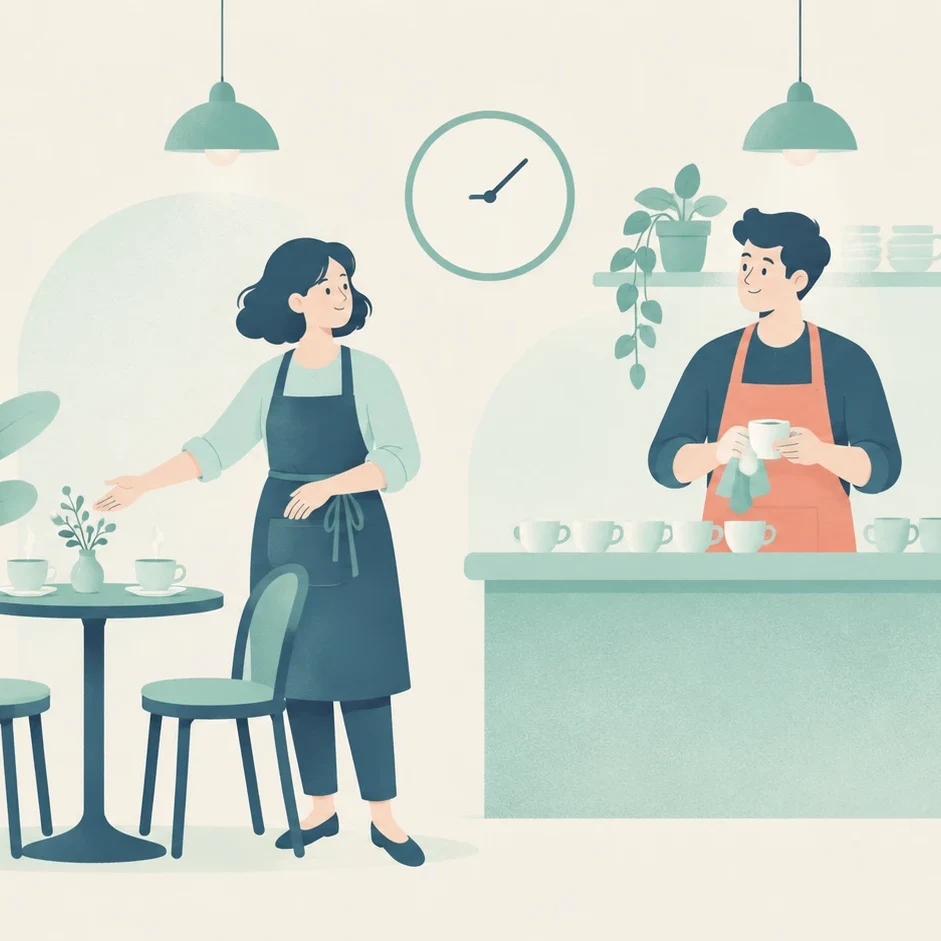

You have decided to travel, bought the ticket, and agreed to meet a friend. Does English describe all three parts of that plan in the same way?
Commencer à écouter
Use be going to when present evidence shows what will happen next, and use will when you share a personal belief or guess about the future.
Commencer à écouter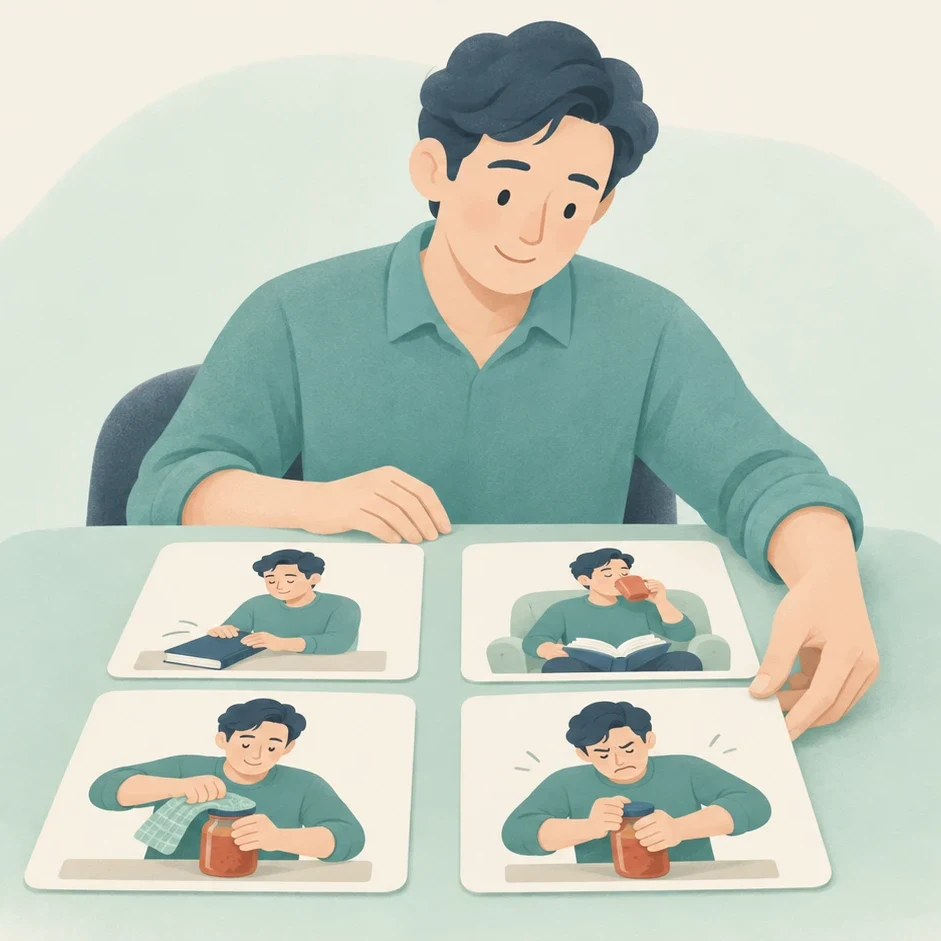
If you stop working and stop to work, have you ended the job or paused another activity so you can begin it?
Commencer à écouterSur cette page
Un mot connu à l’écrit peut vous échapper à l’oral. Au niveau B1, entraînez-vous avec de courts enregistrements et utilisez les aides au fur et à mesure.
Essayez de comprendre le message, puis réécoutez les mots autour du passage qui vous a échappé.
Votre parcours par niveau
Choisissez un sujet familier. Repérez l’idée principale avant de vouloir écrire chaque mot.
Réécoutez, demandez un indice, puis écoutez à nouveau. Consultez la transcription lorsqu’une écoute supplémentaire ne vous aide plus.
Après l’entraînement, essayez le test. Vous pouvez réécouter l’enregistrement, mais aucun indice n’est disponible.