
Comprenez d’abord la situation
Choisissez un sujet familier. Repérez l’idée principale avant de vouloir écrire chaque mot.
Bibliothèque d’exercices d’écoute
Retrouvez à l’oral le vocabulaire que vous connaissez déjà, avec des phrases enchaînées et une aide progressive.


A person may break a rule without punishment, or use one coat of paint when two would be better. In both cases, they may get away with it.
Commencer à écouter
If you cannot answer now, you can get back to a person later. When the interruption ends, you can get back to the task.
Commencer à écouter
When you have less money, equipment or language than you would like but still manage, you get by.
Commencer à écouter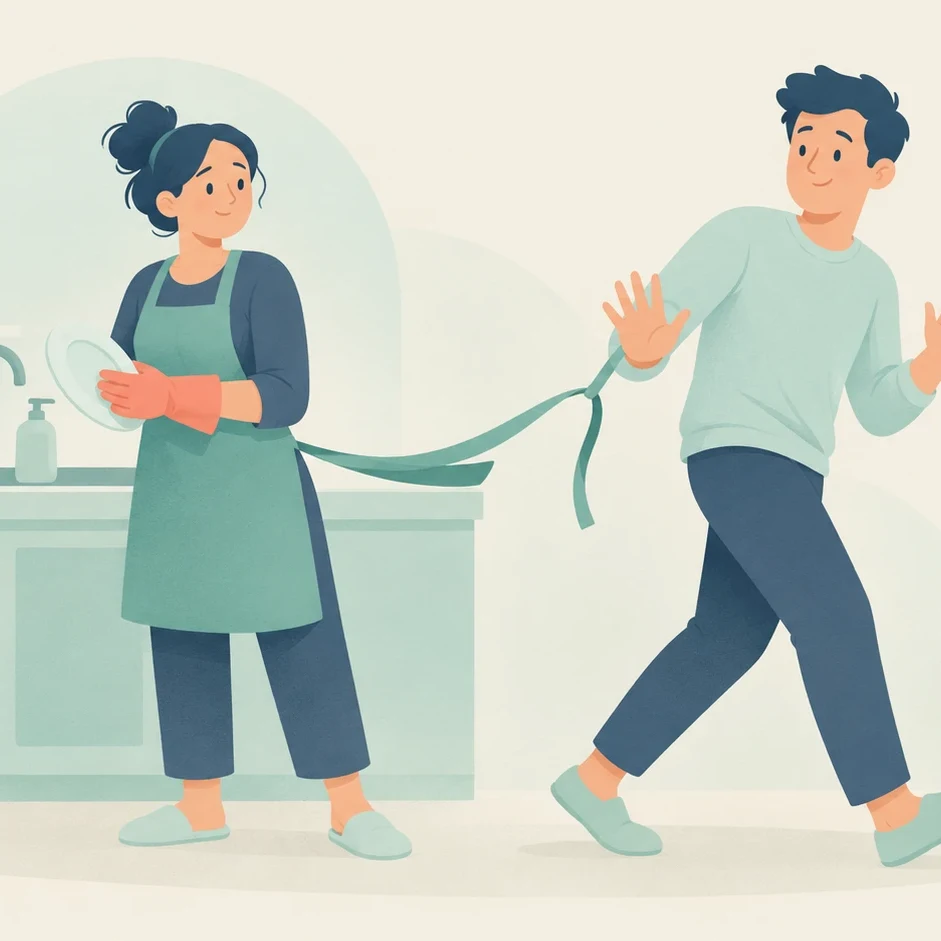
An excuse may help someone get out of a meeting, while a changed routine may help them get out of a bad habit.
Commencer à écouter
After an illness, disappointment or shock, feeling like yourself again can take time. That process is getting over it.
Commencer à écouter
The task has stayed on your list for weeks. When you finally do it, you get round to it.
Commencer à écouter
Friends get together for lunch, while two people who get together may also be starting a relationship. Context prevents awkward misunderstandings.
Commencer à écouter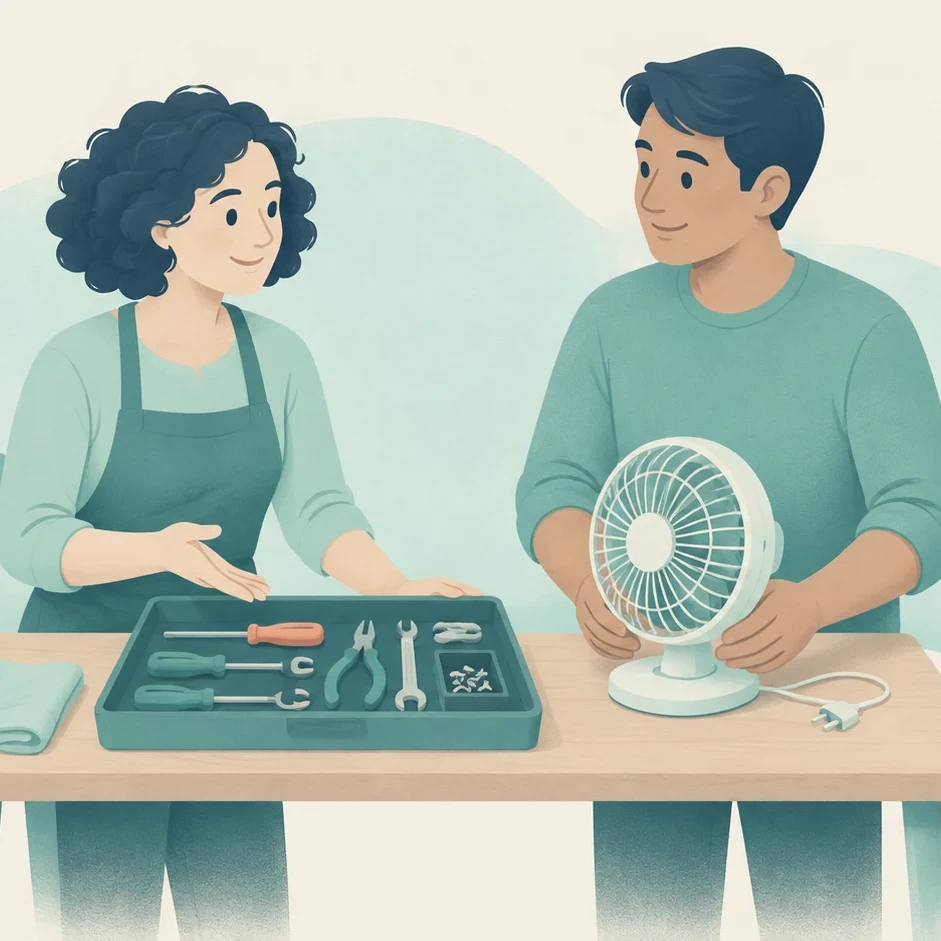

A shop can give away samples, while your smile can give away a secret. The same phrasal verb changes meaning with its object and situation.
Commencer à écouter
Prices can go down, a website can go down, and the sun goes down every evening. The subject tells you what kind of change happened.
Commencer à écouter
An alarm goes off when it starts making noise, but a light goes off when it stops working. The subject reverses what the same words seem to mean.
Commencer à écouter



Two people can still care about each other yet slowly share less of their lives. Grow apart names that gradual distance without blaming either person.
Commencer à écouter

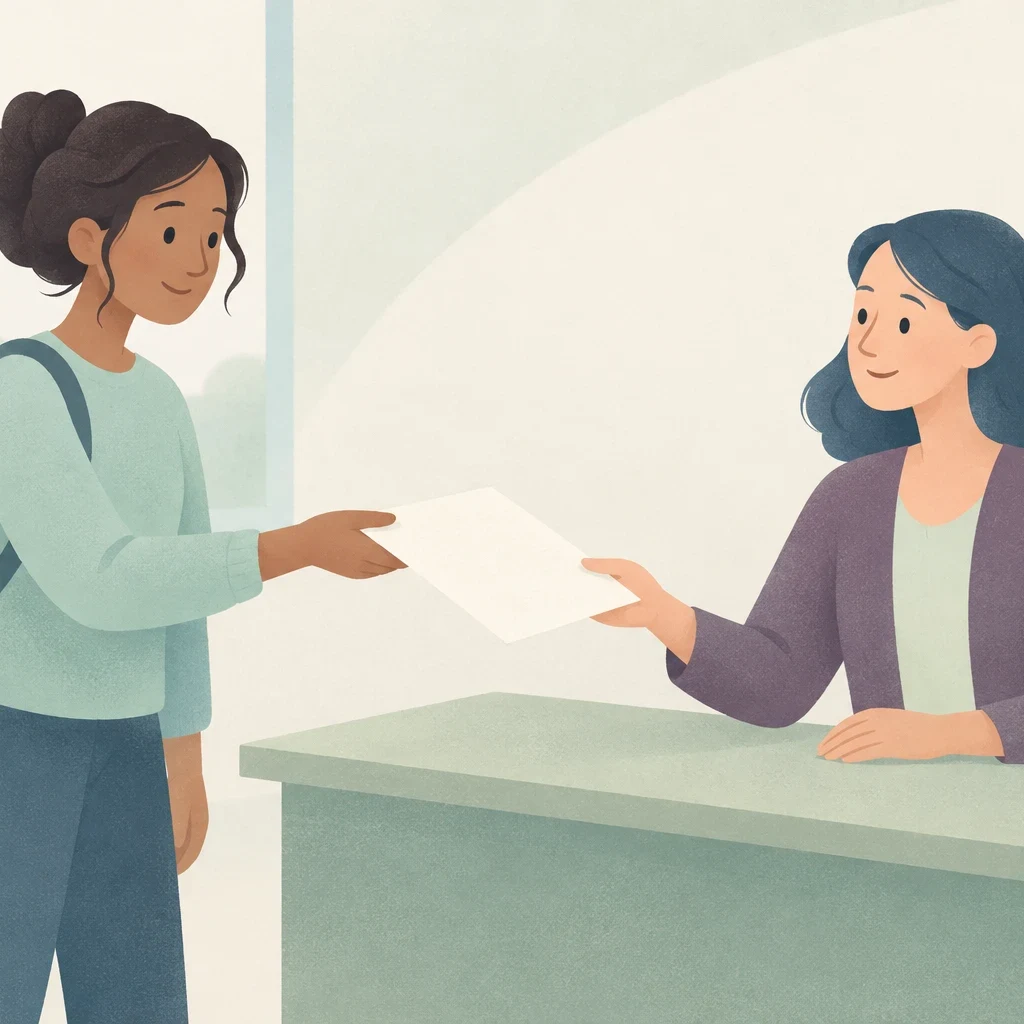
Finishing an assignment is not the final step. You still have to hand it in so the responsible person officially receives it.
Commencer à écouter




Sur cette page
Un mot connu à l’écrit peut vous échapper à l’oral. Au niveau B1, entraînez-vous avec de courts enregistrements et utilisez les aides au fur et à mesure.
Essayez de comprendre le message, puis réécoutez les mots autour du passage qui vous a échappé.
Votre parcours par niveau
Choisissez un sujet familier. Repérez l’idée principale avant de vouloir écrire chaque mot.
Réécoutez, demandez un indice, puis écoutez à nouveau. Consultez la transcription lorsqu’une écoute supplémentaire ne vous aide plus.
Après l’entraînement, essayez le test. Vous pouvez réécouter l’enregistrement, mais aucun indice n’est disponible.