Cherchez d’abord le sens
Choisissez un sujet familier. Repérez l’idée principale avant de vouloir écrire chaque mot.
Bibliothèque d’exercices d’écoute
Retrouvez à l’oral le vocabulaire que vous connaissez déjà, avec des phrases enchaînées et une aide progressive.

After an illness, disappointment or shock, feeling like yourself again can take time. That process is getting over it.
Commencer à écouter
The task has stayed on your list for weeks. When you finally do it, you get round to it.
Commencer à écouter
Friends get together for lunch, while two people who get together may also be starting a relationship. Context prevents awkward misunderstandings.
Commencer à écouter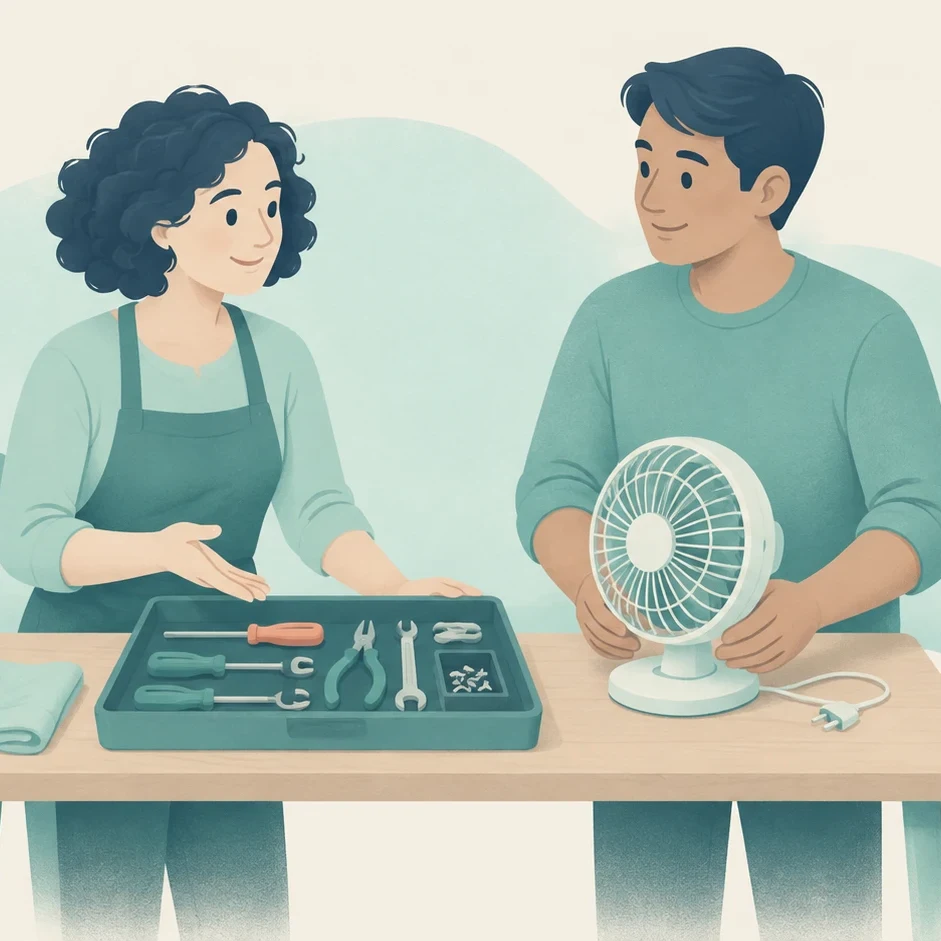

A shop can give away samples, while your smile can give away a secret. The same phrasal verb changes meaning with its object and situation.
Commencer à écouter
Prices can go down, a website can go down, and the sun goes down every evening. The subject tells you what kind of change happened.
Commencer à écouter
An alarm goes off when it starts making noise, but a light goes off when it stops working. The subject reverses what the same words seem to mean.
Commencer à écouter



Two people can still care about each other yet slowly share less of their lives. Grow apart names that gradual distance without blaming either person.
Commencer à écouter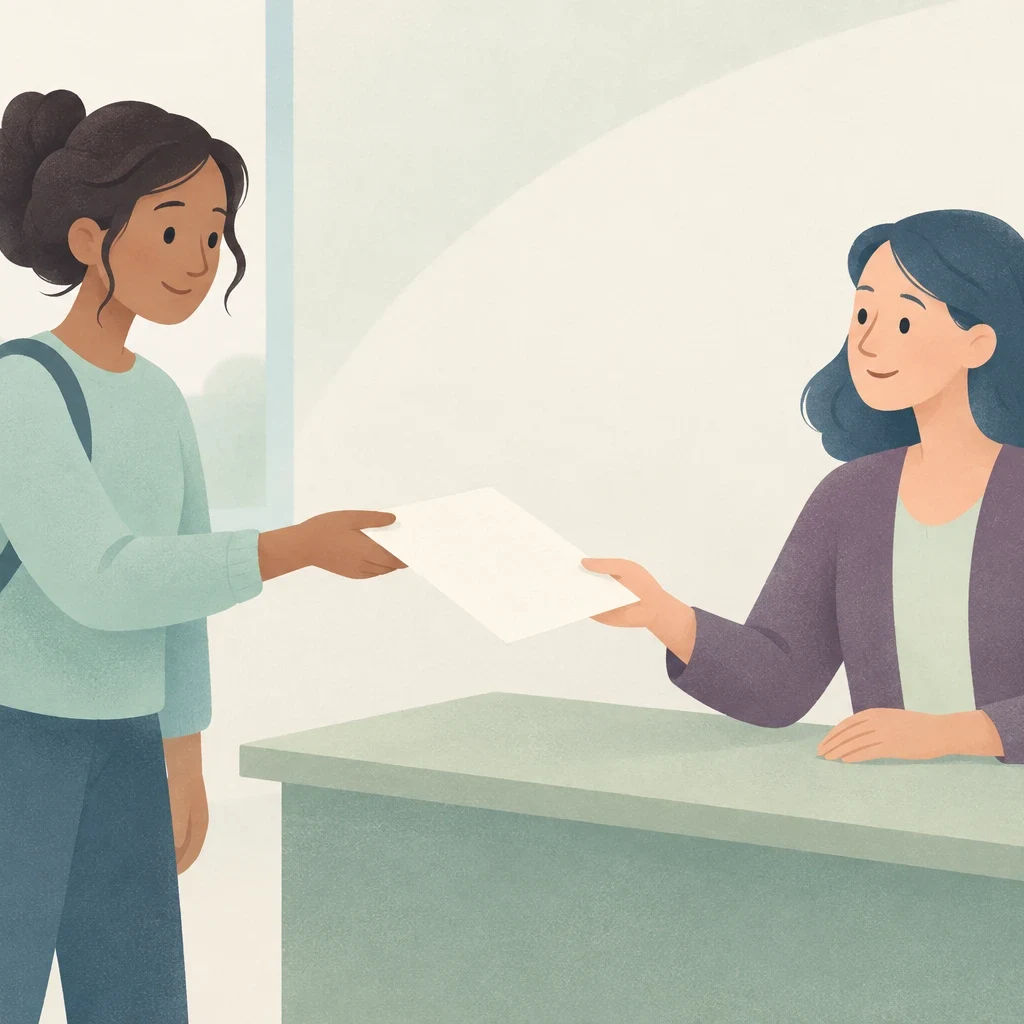
Finishing an assignment is not the final step. You still have to hand it in so the responsible person officially receives it.
Commencer à écouter





You have enjoyed the walk, but it is getting dark. Saying we should head back signals that it is time to start returning, not that you are already home.
Commencer à écouter


Traffic can hold you up, while a repair can hold up through bad weather. One use creates a delay; the other survives pressure.
Commencer à écouter


Sur cette page
Un mot connu à l’écrit peut vous échapper à l’oral. Au niveau B1, travaillez sur de courts enregistrements avec des aides que vous pouvez utiliser progressivement.
Écoutez le message, puis les mots qui entourent le passage manqué.
Votre parcours par niveau
Choisissez un sujet familier. Repérez l’idée principale avant de vouloir écrire chaque mot.
Réécoutez, demandez un indice, puis écoutez à nouveau. Consultez la transcription lorsqu’une écoute supplémentaire ne vous aide plus.
Après l’entraînement, essayez le test. Vous pouvez toujours réécouter, mais les indices restent désactivés jusqu’à la fin de l’exercice.
