Focused listening library
Business English listening
Practice the phrases and phrasal verbs that make workplace conversations easier to follow.

Look up to
A role model does more than impress you. You look up to that person because their character or achievements earn your respect.
Start listening
Make up
Friends can make up after an argument, but one of them might also make up an excuse. The object and situation reveal whether something is repaired or invented.
Start listening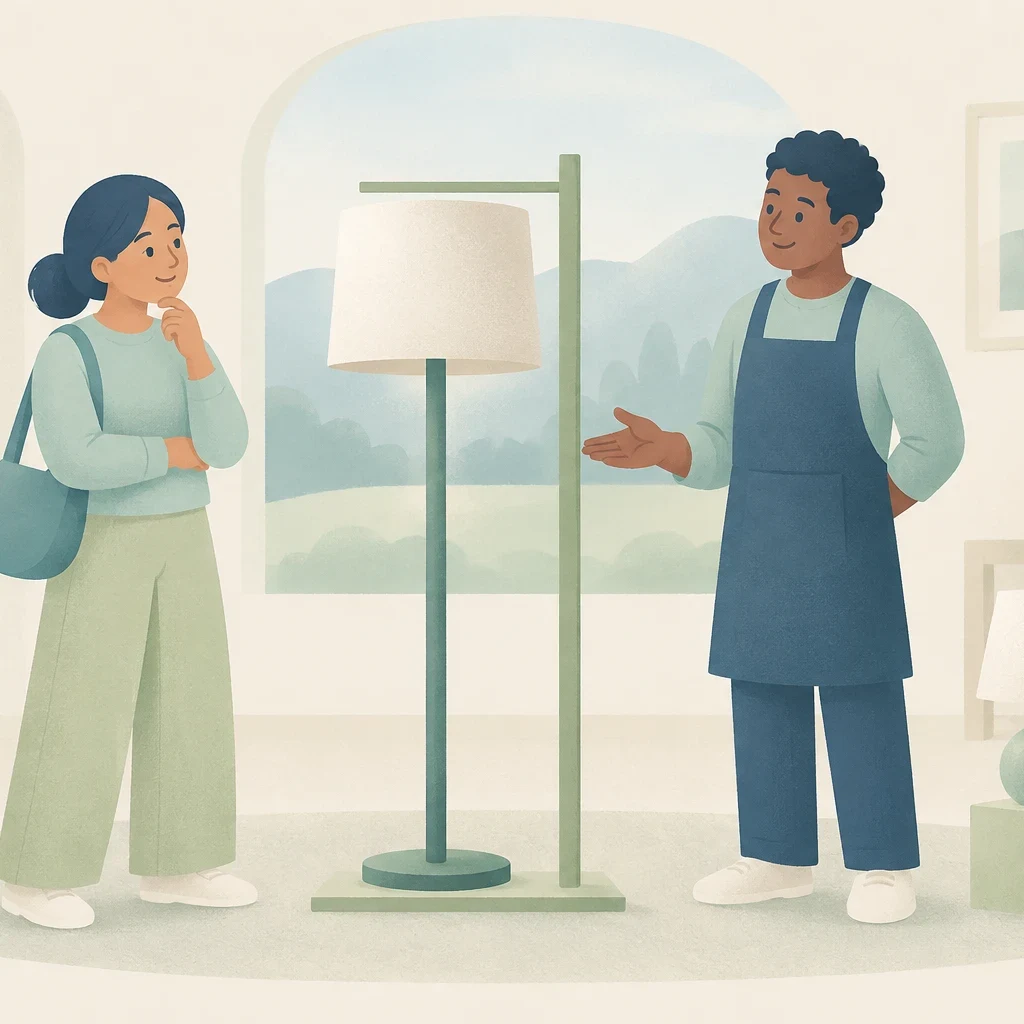
Measure up
A product can have impressive features yet still fail the test that matters. If it does not meet the required standard, it does not measure up.
Start listening
Narrow Down 3
Ten reasonable choices can make a decision harder. Narrowing them down removes the less suitable ones until the best options are easier to compare.
Start listening
Pay off
Months of practice can pay off when you finally succeed. Monthly payments pay a loan off only when the remaining balance reaches zero.
Start listening
Phase out
Replacing every old device today may disrupt users. Phasing the devices out lets an organisation remove them in planned stages.
Start listening
Pick up
You can pick up a parcel, pick up some Spanish while travelling, or pick up a conversation after lunch. The words around the phrase reveal its meaning.
Start listening
Pull out
A company may pull out of a deal, a parent may pull a child out of a team, and a car may pull out into the road. The grammar shows who chooses to leave.
Start listening
Put behind
A mistake may still be part of your history, but it does not have to control your next decision. You can learn from it and put it behind you.
Start listening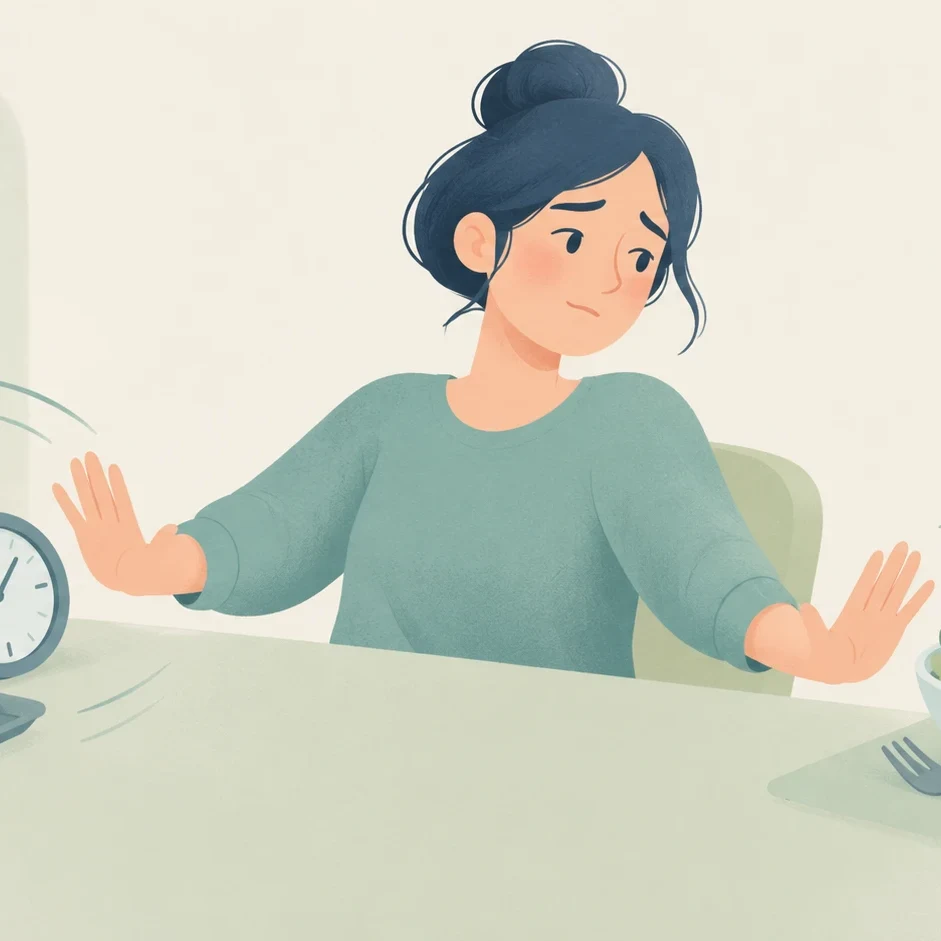
Put off
Rain can put off a picnic until Friday, while an unpleasant smell can put you off your lunch. One meaning changes the time; the other changes how you feel.
Start listening
Put on
Before guests arrive, you might put on a clean shirt, put the lights on and put on some music. The object tells you which action happens.
Start listening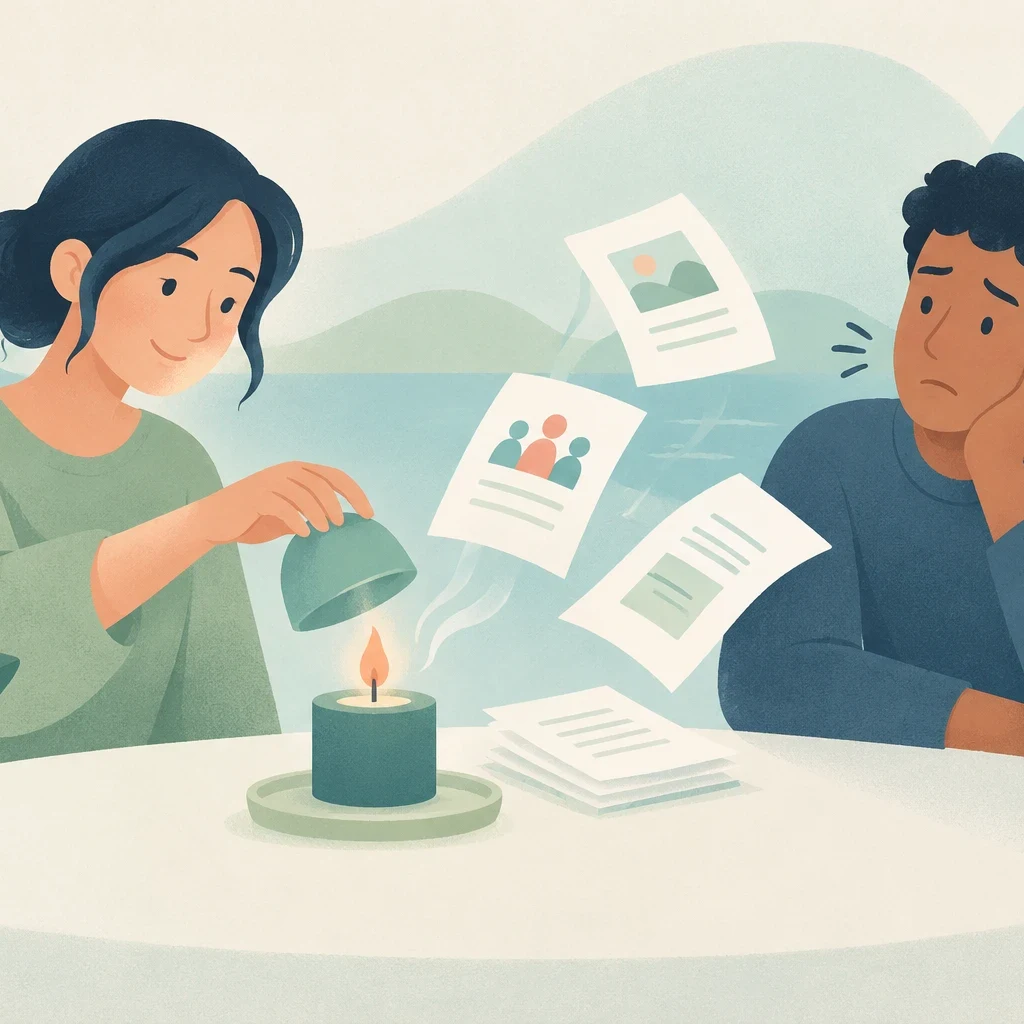
Put out
You can put out a candle, a company can put out a statement, and a late request can put someone out. The object changes the meaning.
Start listening
Put up with
A neighbour's music may be annoying, but you might accept it for one evening. If you continue accepting the annoyance, you put up with it.
Start listening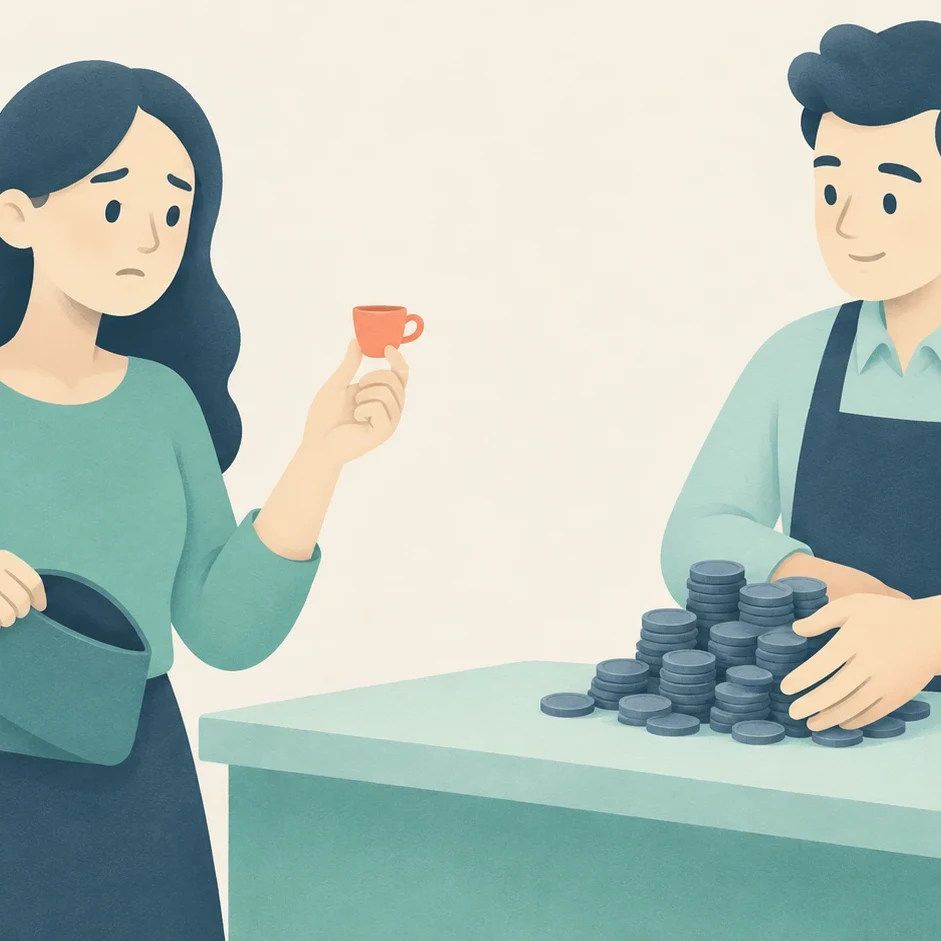
Rip off
A dishonest seller might rip you off, while you might rip a label off a parcel. A person object signals cheating; a physical object often signals quick removal.
Start listening
Rule out
A test may rule out one illness, but a doctor who cannot rule it out still thinks it is possible. The negative form reverses the practical message.
Start listening
Run into
You might run into an old friend, run into a technical problem, or run into another car. The object tells you whether the meeting is pleasant, difficult or physical.
Start listening
Run out of
If we run out of coffee, the coffee has run out. Both sentences describe an empty supply, but the subject and grammar are different.
Start listening
Show off
Someone can show off without an object to attract attention, or show off a new skill so other people admire it. One describes behaviour; the other highlights what is displayed.
Start listening
Sign up
You sign up for a photography course, but you sign up to bring snacks to its first meeting. The next word decides the pattern.
Start listening
Sink in
You can hear important news in one second but need much longer to feel that it is real. During that delay, the news is sinking in.
Start listening
Stand out
A yellow umbrella stands out in a crowd because it is easy to see. An excellent application stands out because its quality is better. Both attract attention for different reasons.
Start listening
Take after
You may have your father's smile but your grandmother's patience. When a family similarity comes from an older relative, you can say you take after that person.
Start listening
Take it easy
Take it easy means to rest and avoid hard effort. It means to calm down and stop worrying. It also means goodbye between friends.
Start listening
Take part in
You can watch a race from the side, or you can enter it and take part. The phrase means joining the activity, not simply being nearby.
Start listeningWhat you will find here
How this practice helps
Practise expressions used when people discuss work, make decisions, or explain a problem.
Choose a workplace topic, read the examples, and listen for the details in a complete sentence.