単語の区切りを聞き取る
最初は入力せずに一度聞きます。2回目に再生するときは、単語の区切りを判断します。フレーズ全体を再生して確認してください。
235~252件目(全454件)のレッスンを表示
-
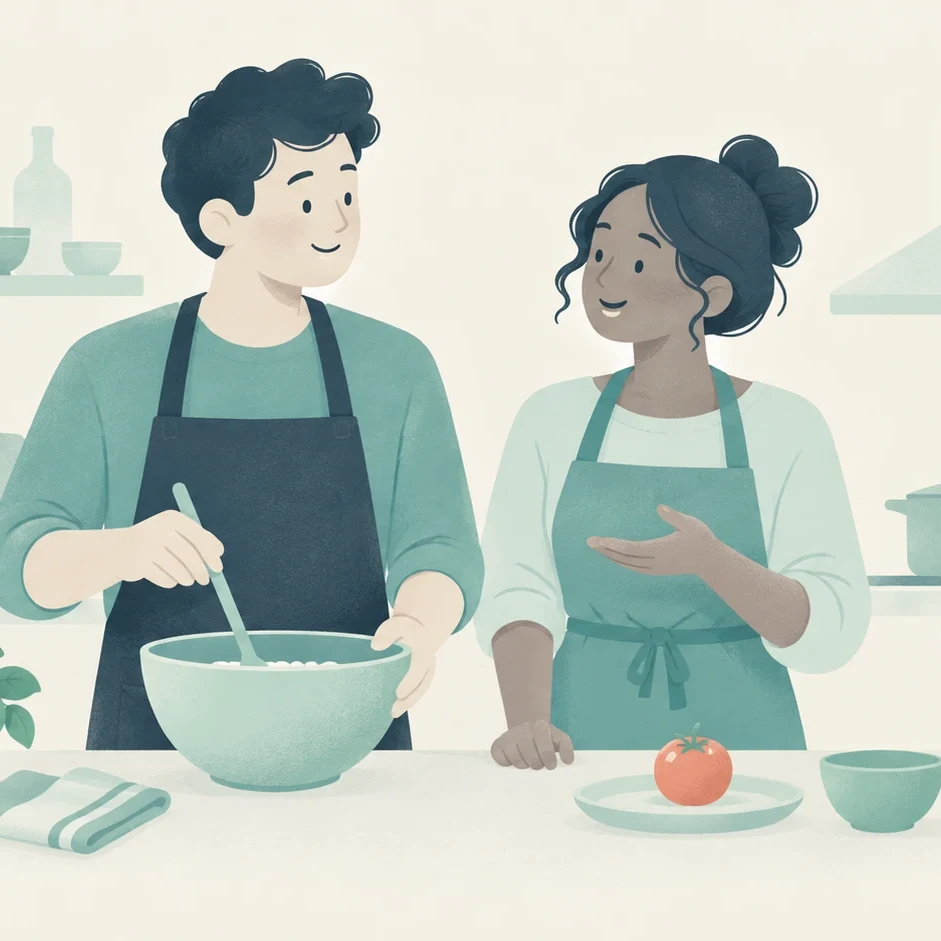
He and I at the Cooking Class
He and I names the pair as the subject: the people the sentence says do, need, or are something. Him and me names the pair as an object, as in someone helping the pair. Test the whole pair with we or us.
-
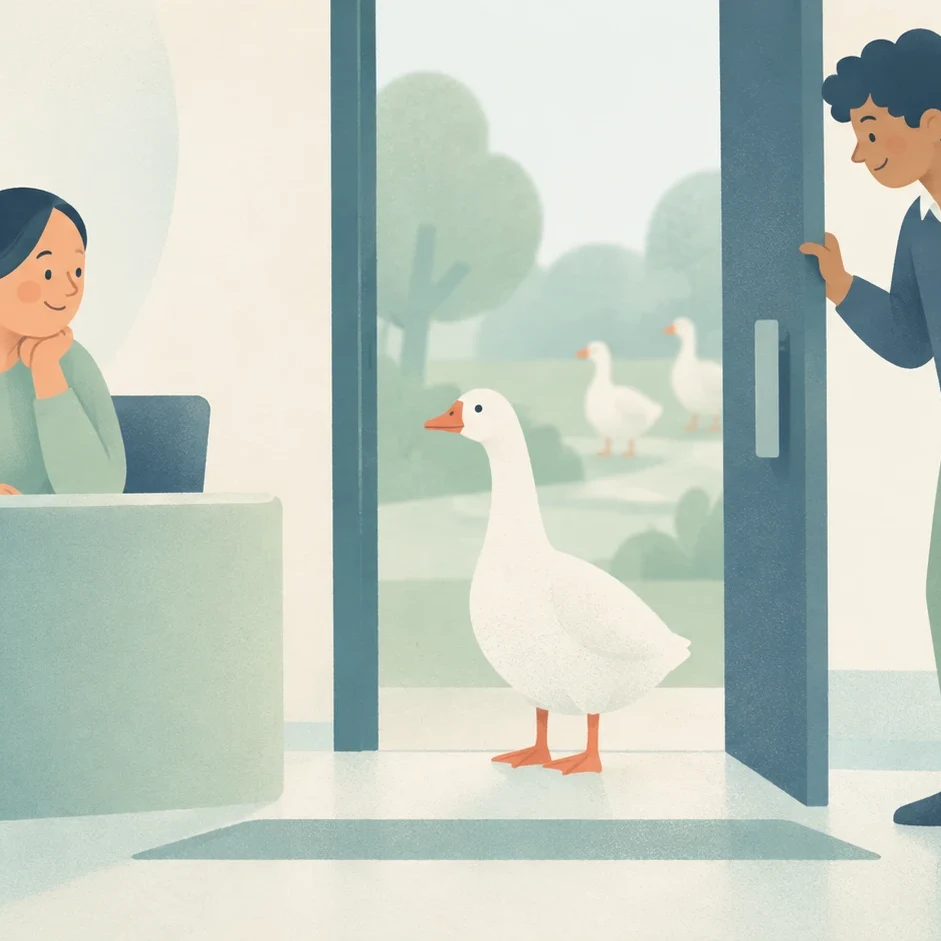
A Goose at the Office Door
Goose refers to a single bird. Geese refers to two or more of those birds. The standard plural form is geese. The form gooses is incorrect for the plural of the bird.
-
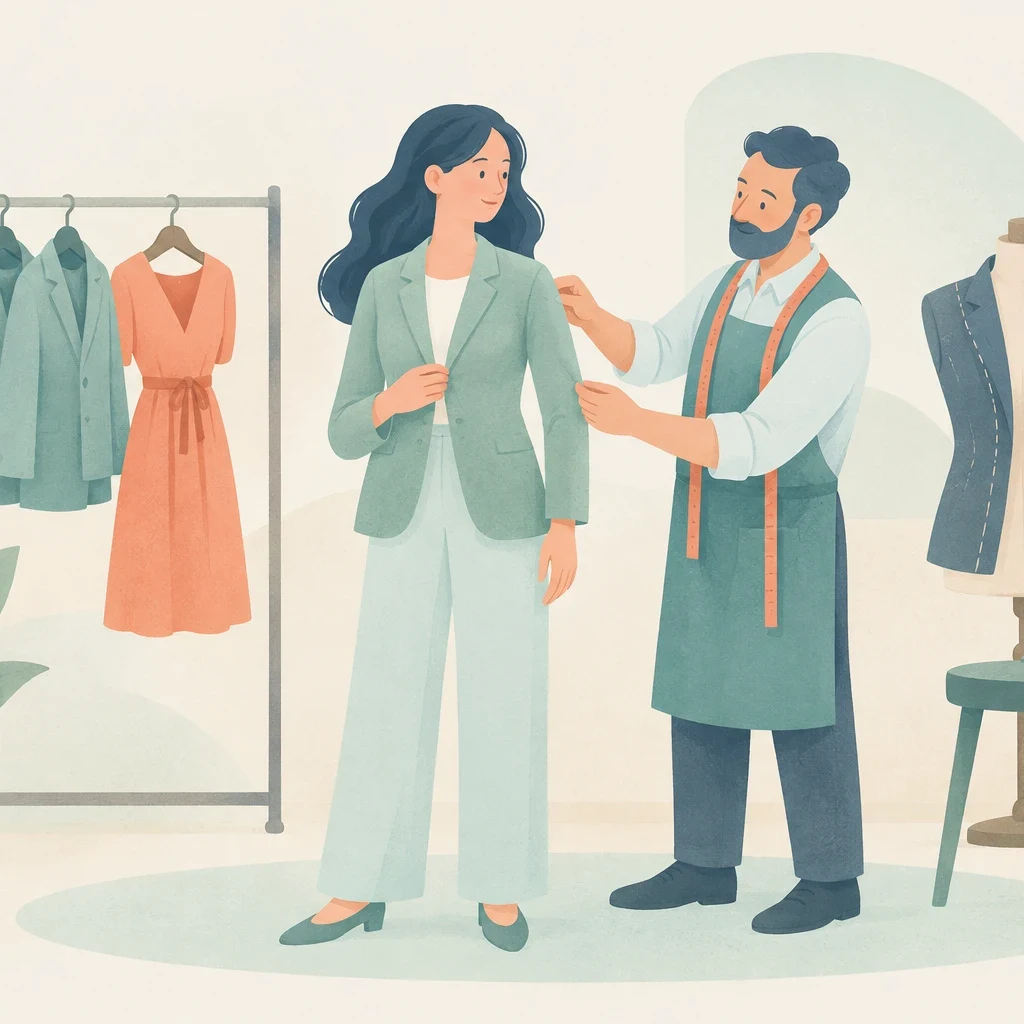
Other than or then? A visit to the tailor
Other than functions as a prepositional phrase meaning except or apart from, indicating an exception or an alternative. Then functions as an adverb meaning after that, at that time, or in that case, indicating chronological order, a specific moment, or a logical consequence.
-

Setting Up a Café: Which Opposite Fits?
An opposite reverses a specific quality along the same scale. The adjective light contrasts with heavy when the topic is weight, but it contrasts with dark when the topic is brightness. Words describing physical position, like open and closed, operate independently from words describing security, like locked and unlocked. Changing the wrong quality confuses the instruction.
-
-
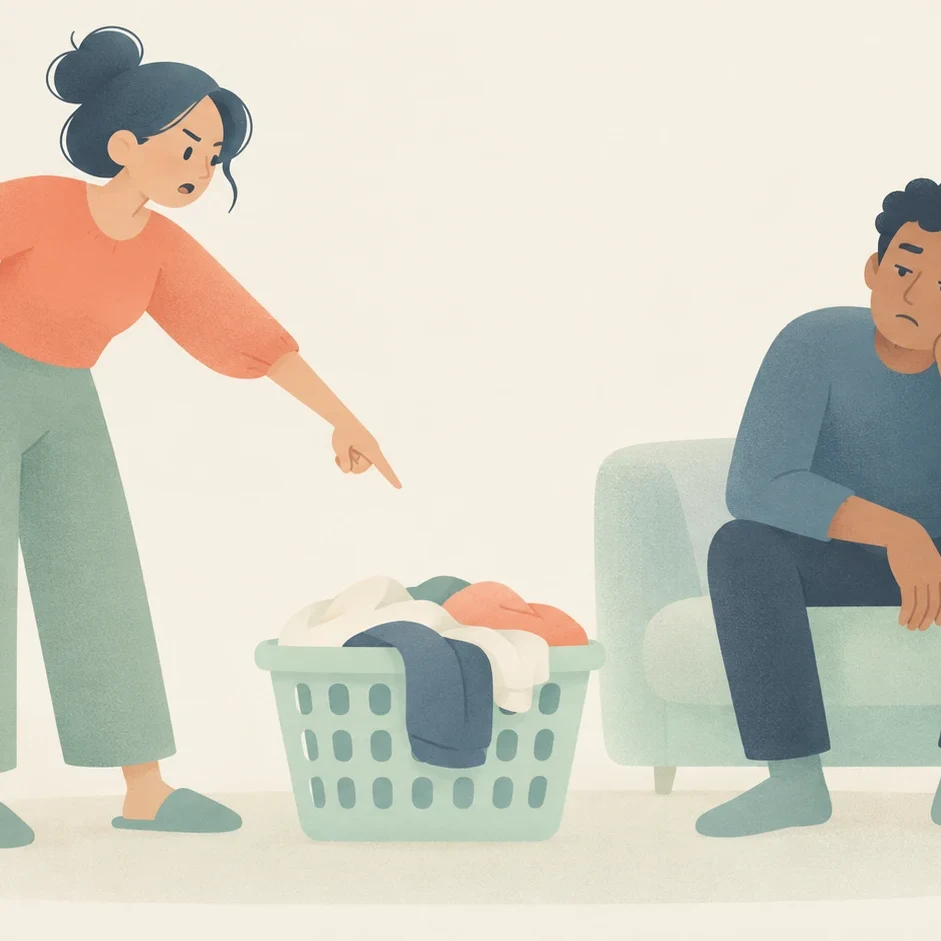
Bother
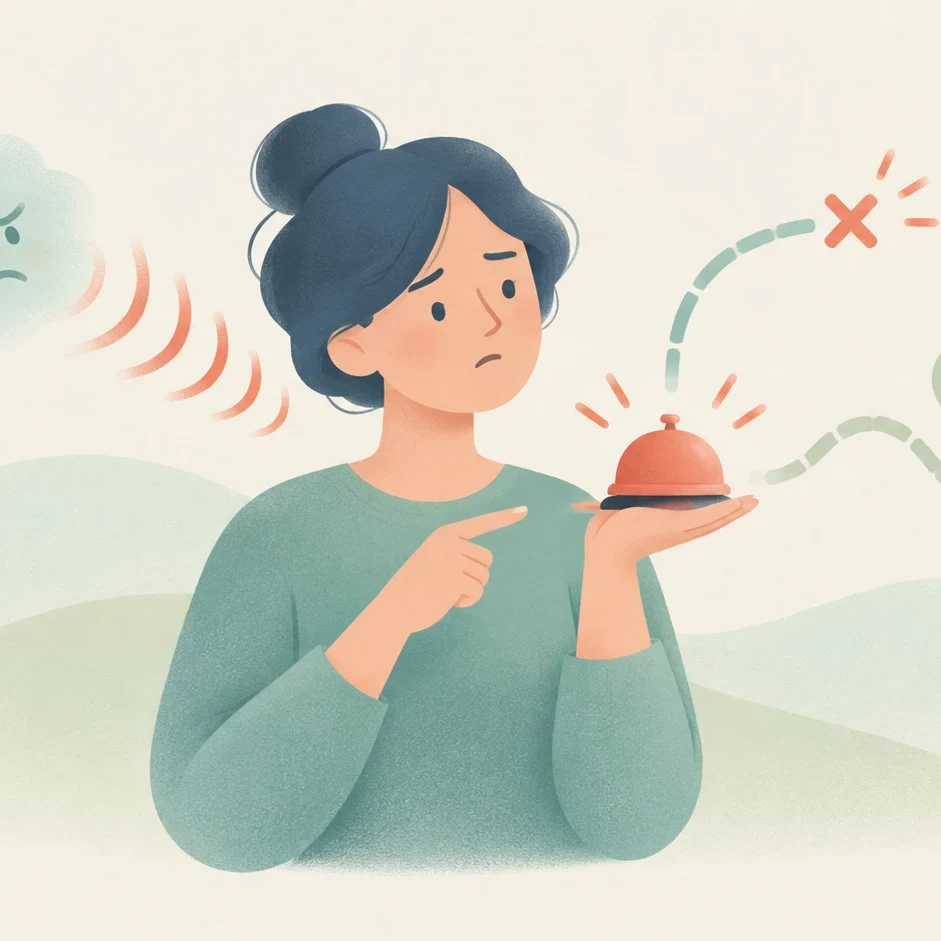
Bother functions across two main grammatical patterns. As a transitive verb followed by a person object, it describes causing irritation, worry, or a courteous interruption. When paired with an infinitive or an -ing verb, it conveys the exertion of physical or mental energy to perform an act. In noun form, it represents inconvenience or troublesome effort.
-
メンバーシップ
すべてのレッスンを7日間無料で利用
- ディクテーションとリスニングテスト付きの454レッスン
- イギリス、アメリカ、オーストラリアの3つのアクセント
- 毎日新しいレッスン、進捗も保存されます
カード不要。その後も継続したい場合は月額$7.50から。
無料トライアルを開始 -

Improve Your English Listening Skills
Effective listening practice means training your ear to process meaning, speech connections, and key facts progressively instead of expecting complete word-by-word accuracy on your first attempt.
-

-
-
Turn out
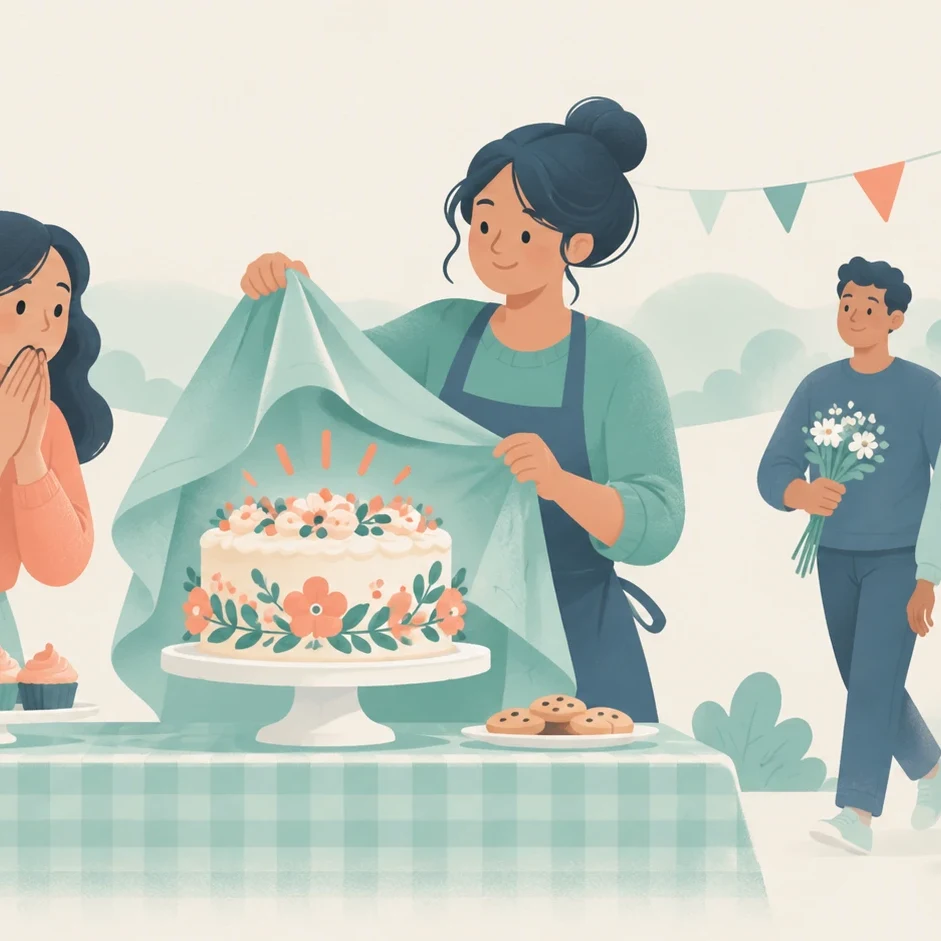
'Turn out' functions as a phrasal verb with three primary everyday uses. First, it describes how an activity, project, or event finally ends, typically paired with adverbs like 'well', 'badly', or 'fine'. Second, it reveals a newly discovered identity or truth, using 'turn out to be' or 'it turns out that'. Third, it describes attendance, showing that people gathered to participate in an organized public activity or community event.
-
-

-
Take part in
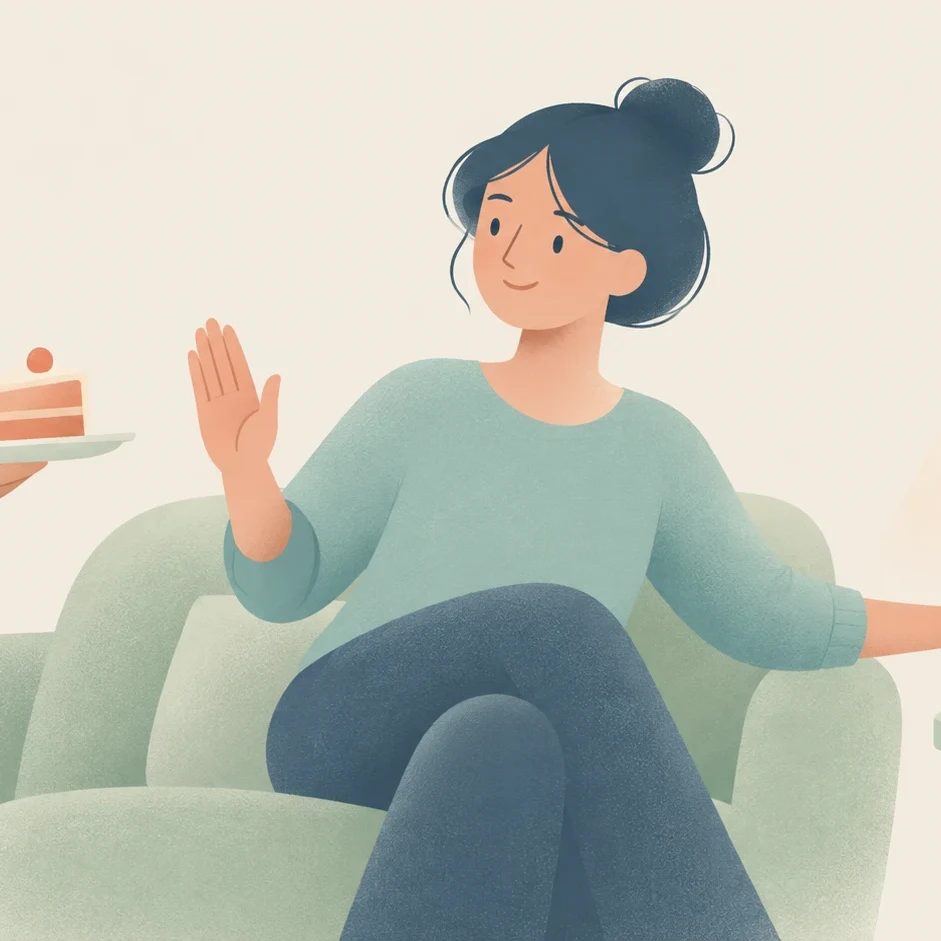
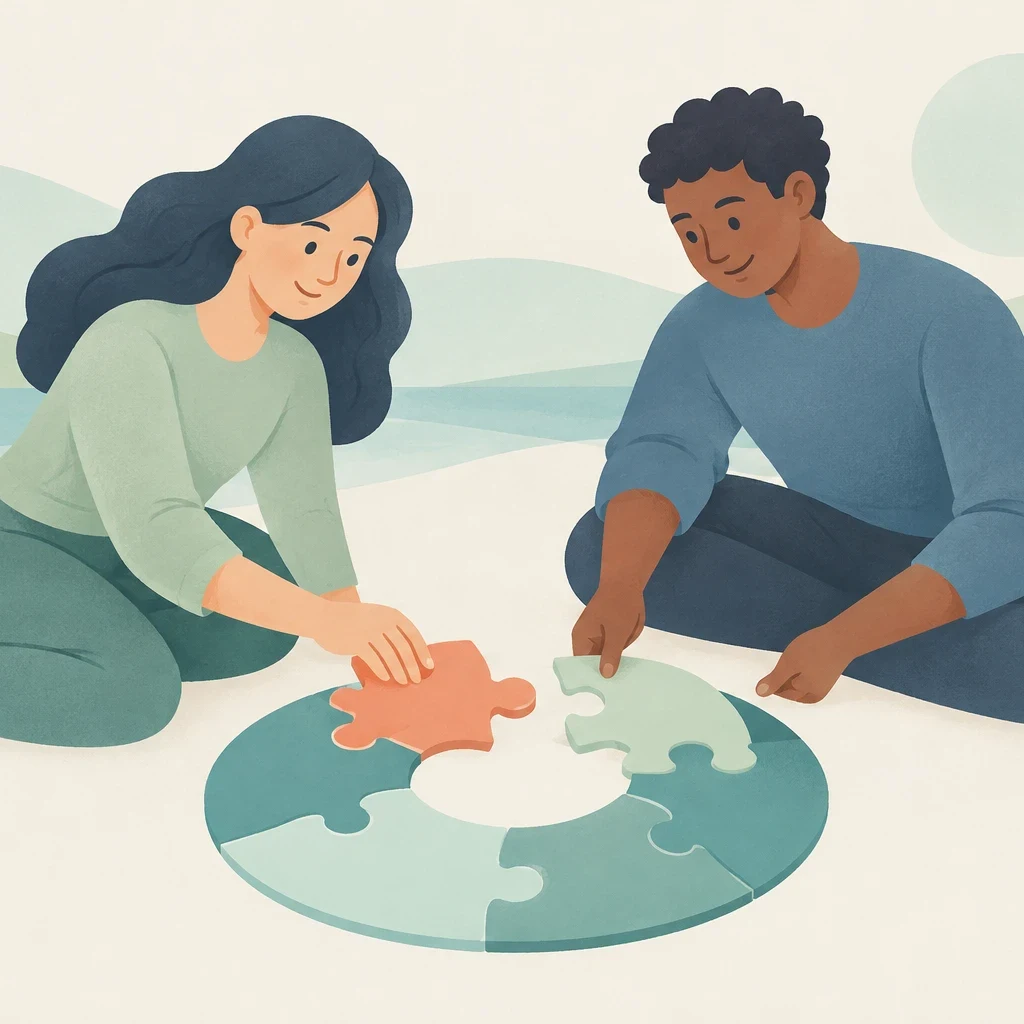
Take part in means to join an activity and do something in it, usually alongside other people. Taking part focuses on participation rather than watching from the side. It does not require you to lead, organize, or win the activity; simply contributing your effort counts as taking part.
-

Take after
Take after someone means to resemble an older family member in appearance, character, talents, or behavior.
-

-
-
-

お試しはまだですか?毎日無料レッスンを受け取る
7日間、短いディクテーションが毎日届きます。アカウント不要で、どこでも練習できます。
必要なフレーズや状況が見つかりませんか?
レッスンリクエストはメンバーシップに含まれます。
メンバーシップを見る