Escucha los límites de las palabras
Escucha una vez sin escribir. En la segunda reproducción, decide dónde termina una palabra y empieza la siguiente. Reproduce la frase completa para comprobarlo.
Mostrando 235–252 de 454 lecciones
-
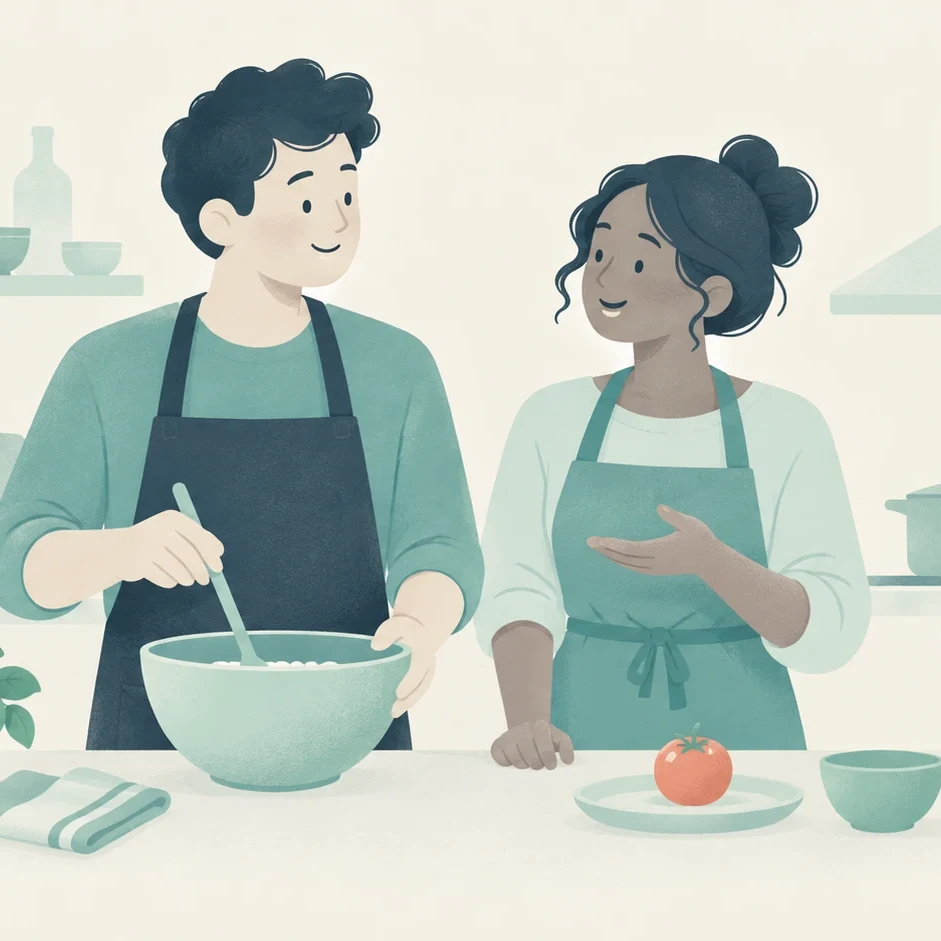
He and I at the Cooking Class
He and I names the pair as the subject: the people the sentence says do, need, or are something. Him and me names the pair as an object, as in someone helping the pair. Test the whole pair with we or us.
-
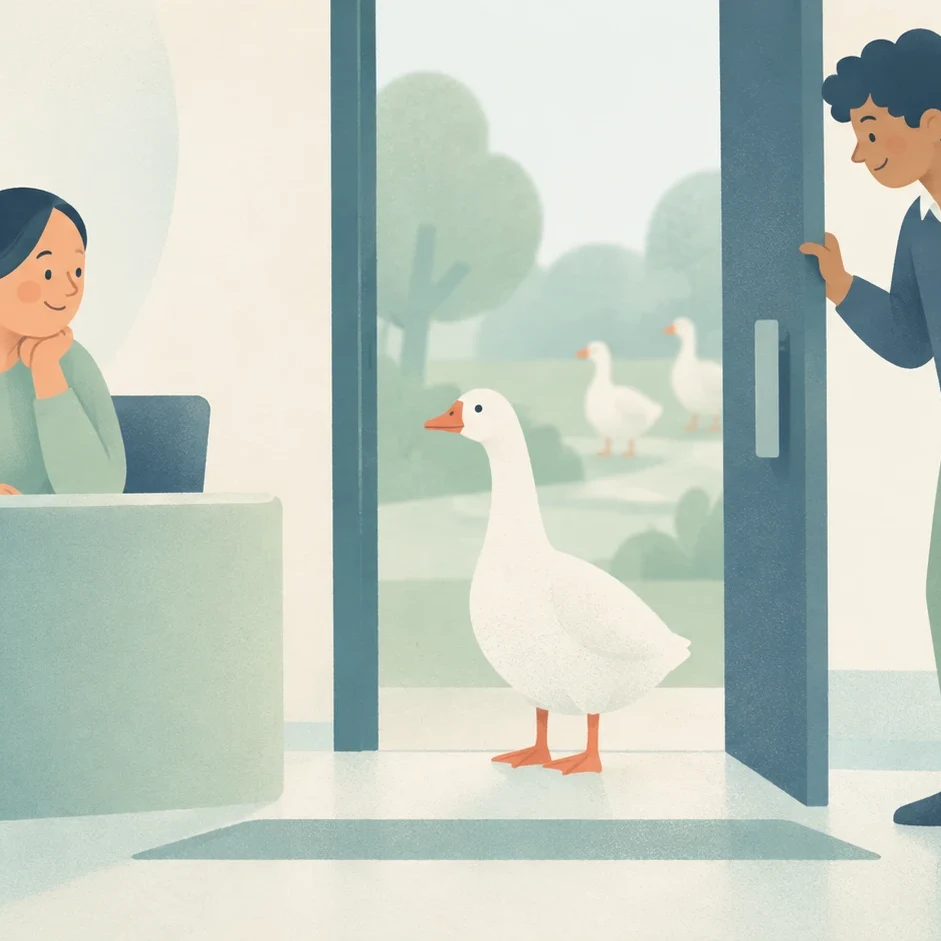
A Goose at the Office Door
Goose refers to a single bird. Geese refers to two or more of those birds. The standard plural form is geese. The form gooses is incorrect for the plural of the bird.
-
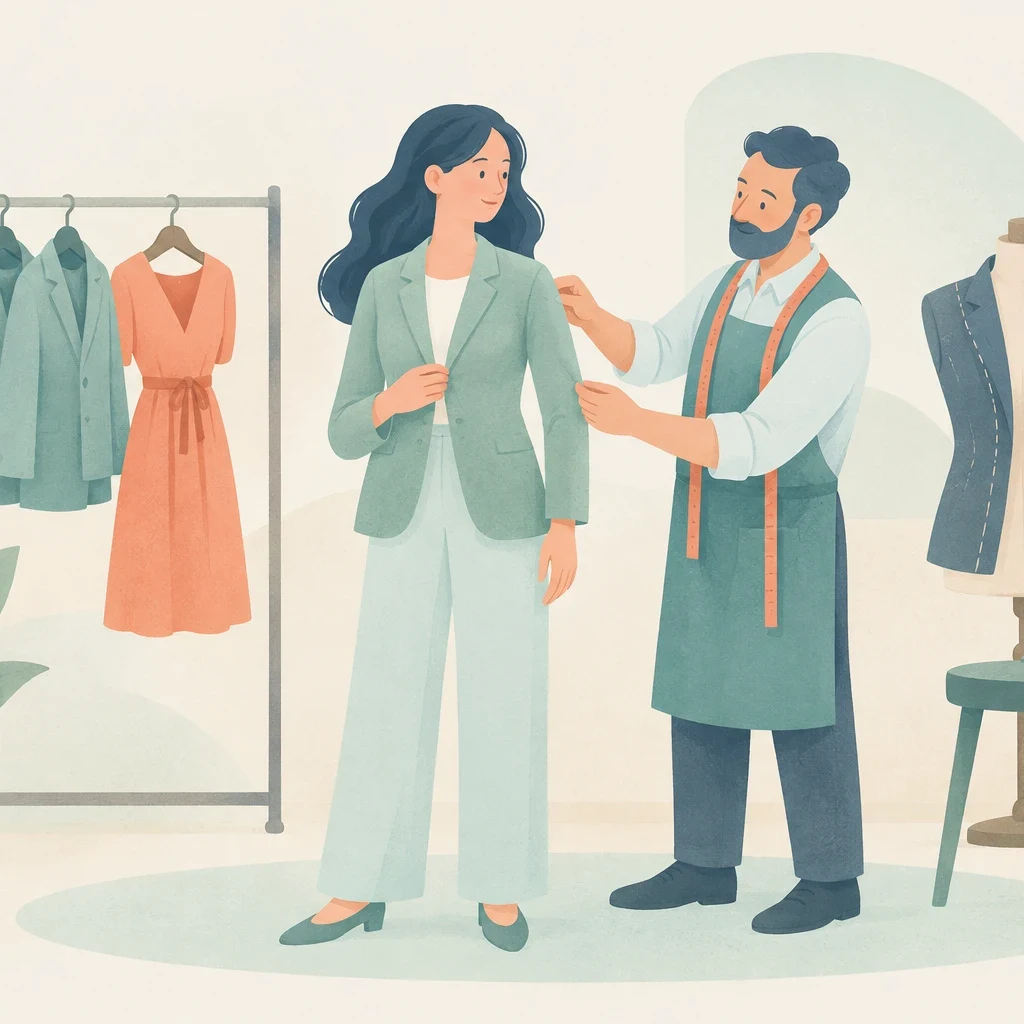
Other than or then? A visit to the tailor
Other than functions as a prepositional phrase meaning except or apart from, indicating an exception or an alternative. Then functions as an adverb meaning after that, at that time, or in that case, indicating chronological order, a specific moment, or a logical consequence.
-

Setting Up a Café: Which Opposite Fits?
An opposite reverses a specific quality along the same scale. The adjective light contrasts with heavy when the topic is weight, but it contrasts with dark when the topic is brightness. Words describing physical position, like open and closed, operate independently from words describing security, like locked and unlocked. Changing the wrong quality confuses the instruction.
-
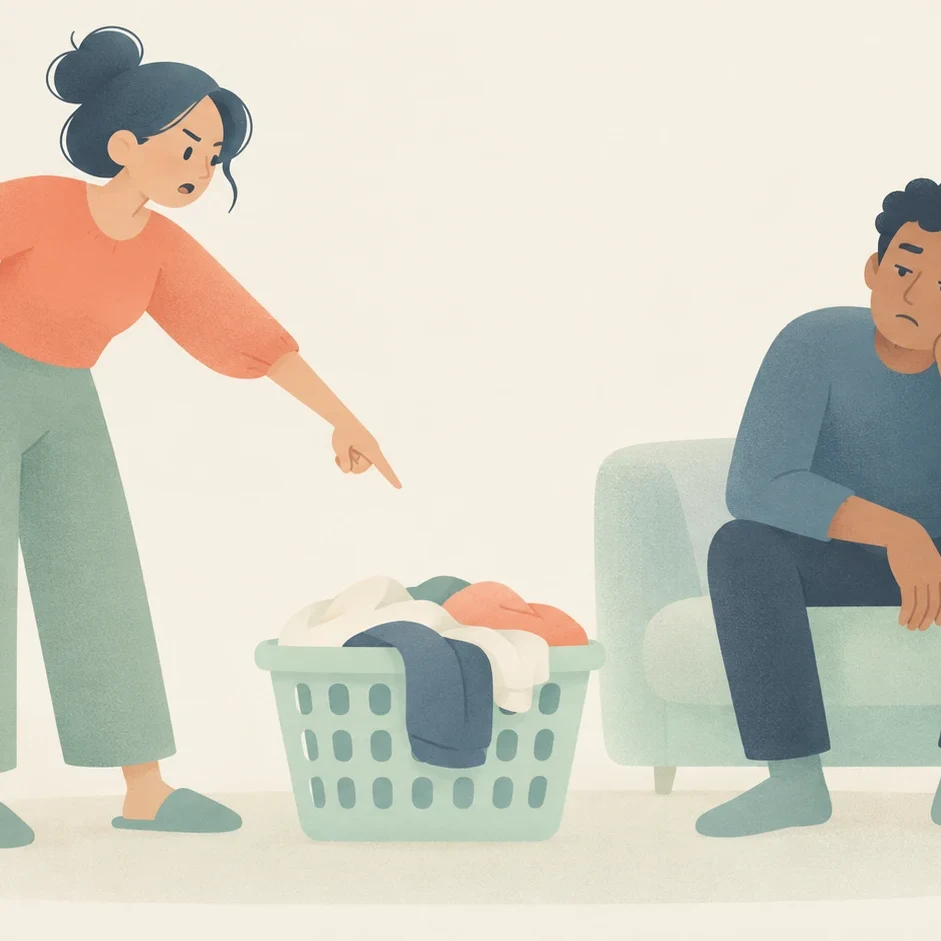
Nag
Nag expresses the listener's irritation when someone repeats demands or criticism. The underlying request might be entirely reasonable, but the frequency turns helpful communication into annoying pressure.
-
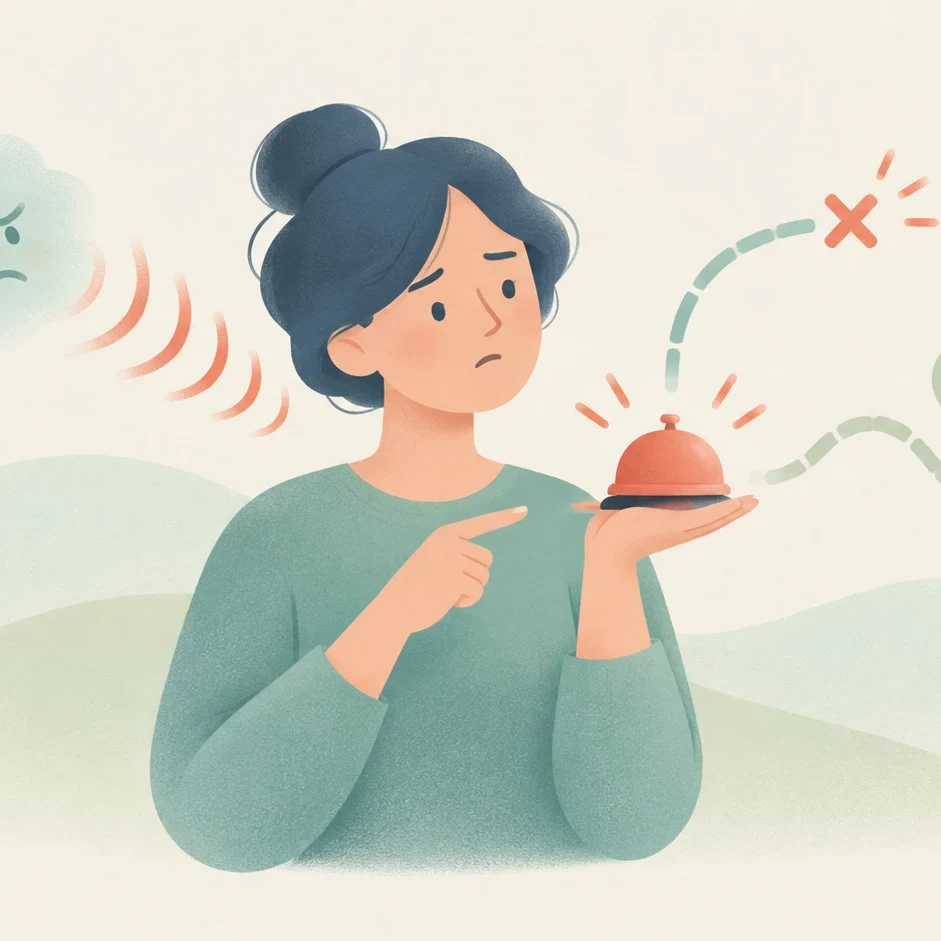
Bother
Bother functions across two main grammatical patterns. As a transitive verb followed by a person object, it describes causing irritation, worry, or a courteous interruption. When paired with an infinitive or an -ing verb, it conveys the exertion of physical or mental energy to perform an act. In noun form, it represents inconvenience or troublesome effort.
-
Membresía
Accede a todas las lecciones gratis durante 7 días
- 454 lecciones con dictado y pruebas de escucha
- Tres acentos: británico, americano y australiano
- Nuevas lecciones cada día, y tu progreso se guarda
No se necesita tarjeta. Luego desde $7.50 al mes si quieres continuar.
Empezar prueba gratis -

Improve Your English Listening Skills
Effective listening practice means training your ear to process meaning, speech connections, and key facts progressively instead of expecting complete word-by-word accuracy on your first attempt.
-

Work out
Work out can mean calculate an amount, find an answer through thought, exercise, or develop in a particular way. The surrounding sentence tells you which meaning fits.
-
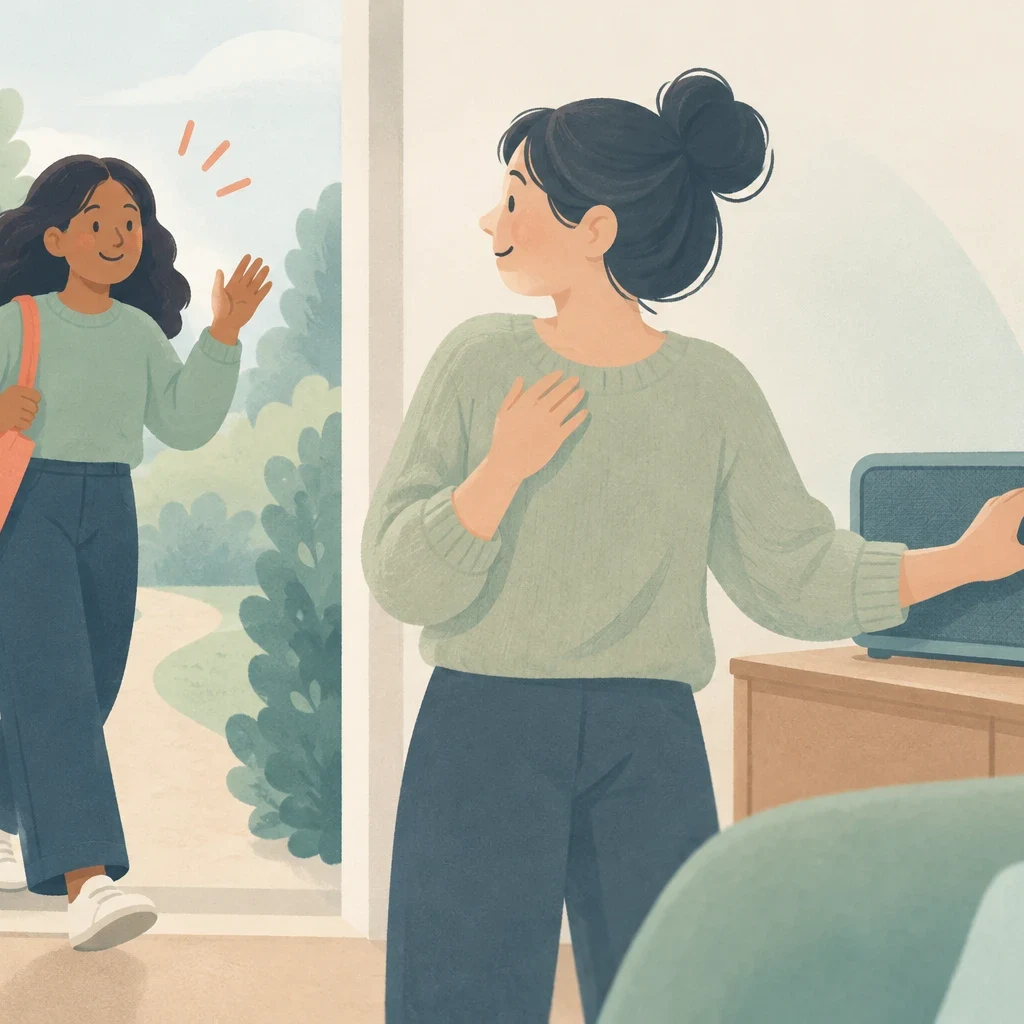
Turn up
Turn up means to arrive or appear unexpectedly, to be found after being misplaced, or to increase the volume, heat, or power produced by equipment.
-
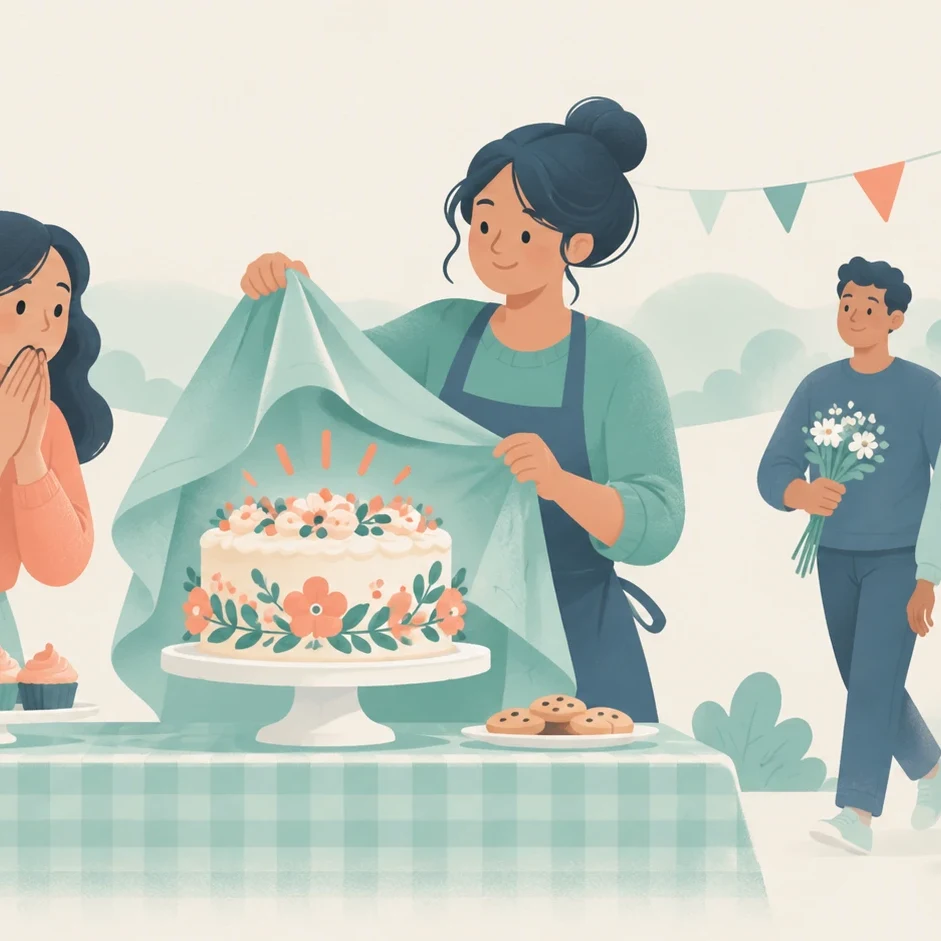
Turn out
'Turn out' functions as a phrasal verb with three primary everyday uses. First, it describes how an activity, project, or event finally ends, typically paired with adverbs like 'well', 'badly', or 'fine'. Second, it reveals a newly discovered identity or truth, using 'turn out to be' or 'it turns out that'. Third, it describes attendance, showing that people gathered to participate in an organized public activity or community event.
-
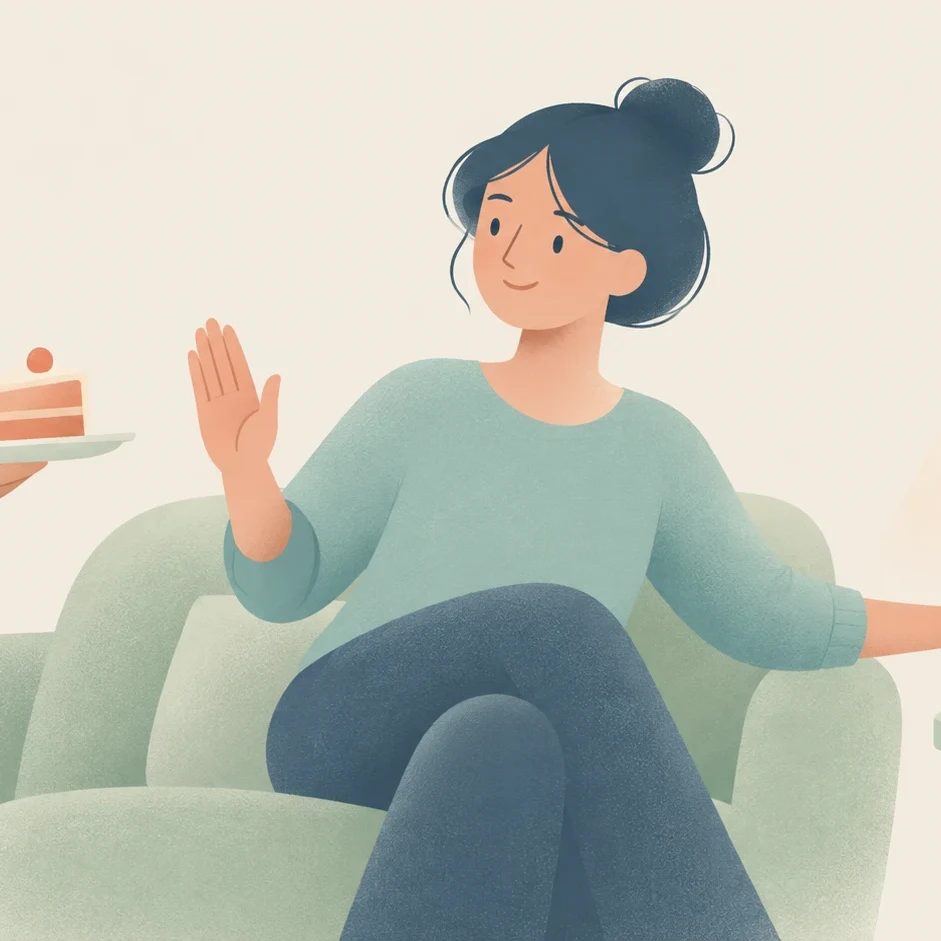
Turn down
Turn down means to decline an offer, invitation, application, or request. It also means to lower the volume, temperature, light, or power emitted by a device.
-
Talk into
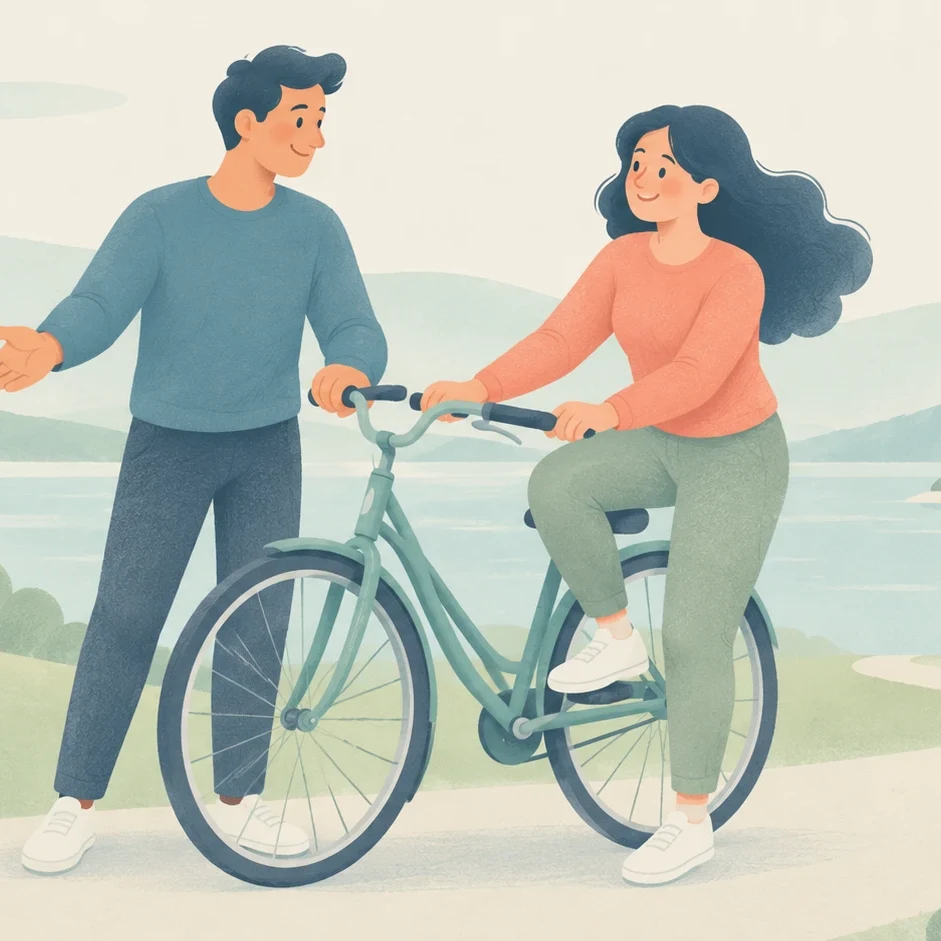
Talk someone into something means you persuade another person through conversation to agree to an idea or take an action. The phrase highlights the spoken exchange that changes a person's mind from doubt or reluctance to agreement.
-

Take part in
Take part in means to join an activity and do something in it, usually alongside other people. Taking part focuses on participation rather than watching from the side. It does not require you to lead, organize, or win the activity; simply contributing your effort counts as taking part.
-

Take after
Take after someone means to resemble an older family member in appearance, character, talents, or behavior.
-

Stand out
Stand out means to be clearly visible against a surface or background, or to be noticeably superior or different compared to other people or items in a group.
-

Sink in
Sometimes you know a fact, but it does not feel real yet. When it starts to feel real, it sinks in. An explanation can also sink in when you finally understand it.
-
Sign up
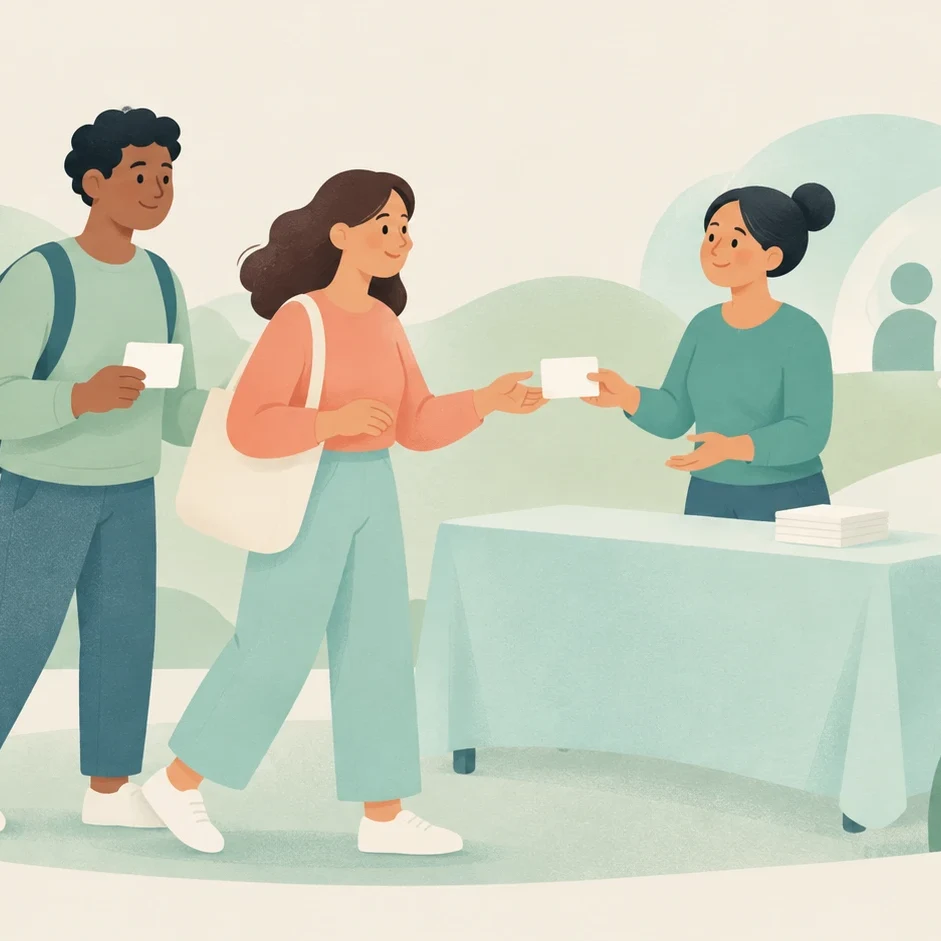
Sign up means to officially register your intention to join an activity, group, or service, or to agree to complete a volunteer task. It indicates an intention to participate rather than attendance, completed work, or payment.
-

Show off
Show off means to behave boastfully to attract admiration, or to display a person, skill, or object proudly so others notice and admire it.
¿No estás listo para una prueba? Recibe una lección gratis cada día
Un dictado corto en tu bandeja de entrada cada día durante 7 días. Practica donde estés, sin necesidad de cuenta.
¿No encuentras la frase o situación que necesitas?
Las solicitudes de lecciones requieren una membresía.
Ver membresía