Singing your praises
Listen once, then type what you hear.
0:00
Read the transcript
You completed the real listening sample. Open the lesson to continue.
Work on expressions whose meaning is not obvious from the individual words. Listen for the situation, then check the exact wording and the speaker's attitude.
The first dictation is free to try without an account. Choose an available accent, listen and type the words you hear.
Listen once, then type what you hear.
0:00
You completed the real listening sample. Open the lesson to continue.
Start with Singing your praises for approval, Play safe for cautious decisions, or Backlog for work that has built up. Each lesson gives you a different situation to listen for.
Separate what happened from how the speaker feels about it. Praise may be enthusiastic, caution may be sensible or excessive, and a backlog may explain pressure at work. Use the surrounding sentence to decide.
When the exact words are clear, ask what would change if one phrase were replaced. Compare the lesson's examples, then replay without reading. Being able to explain the difference is more useful than remembering one score.

Before work begins, everyone agrees about the goal, deadline, and responsibilities. Which phrase describes that shared understanding?
Start listening
A company pays a special bonus this month but will not repeat it. Which British English expression shows that the payment happens only once?
Start listening

Traffic is unpredictable, so you take an earlier train to avoid missing your flight. Which expression describes this cautious choice?
Start listening








Have you ever chosen a course because several people could not stop talking about how good the teacher was?
Start listening
Using a free course is sensible, but using a helpful colleague unfairly is not. How can one expression describe both situations?
Start listening
You assume the shop opens on Sunday without checking, and you rarely thank the friend who always helps. Which expression fits both mistakes?
Start listening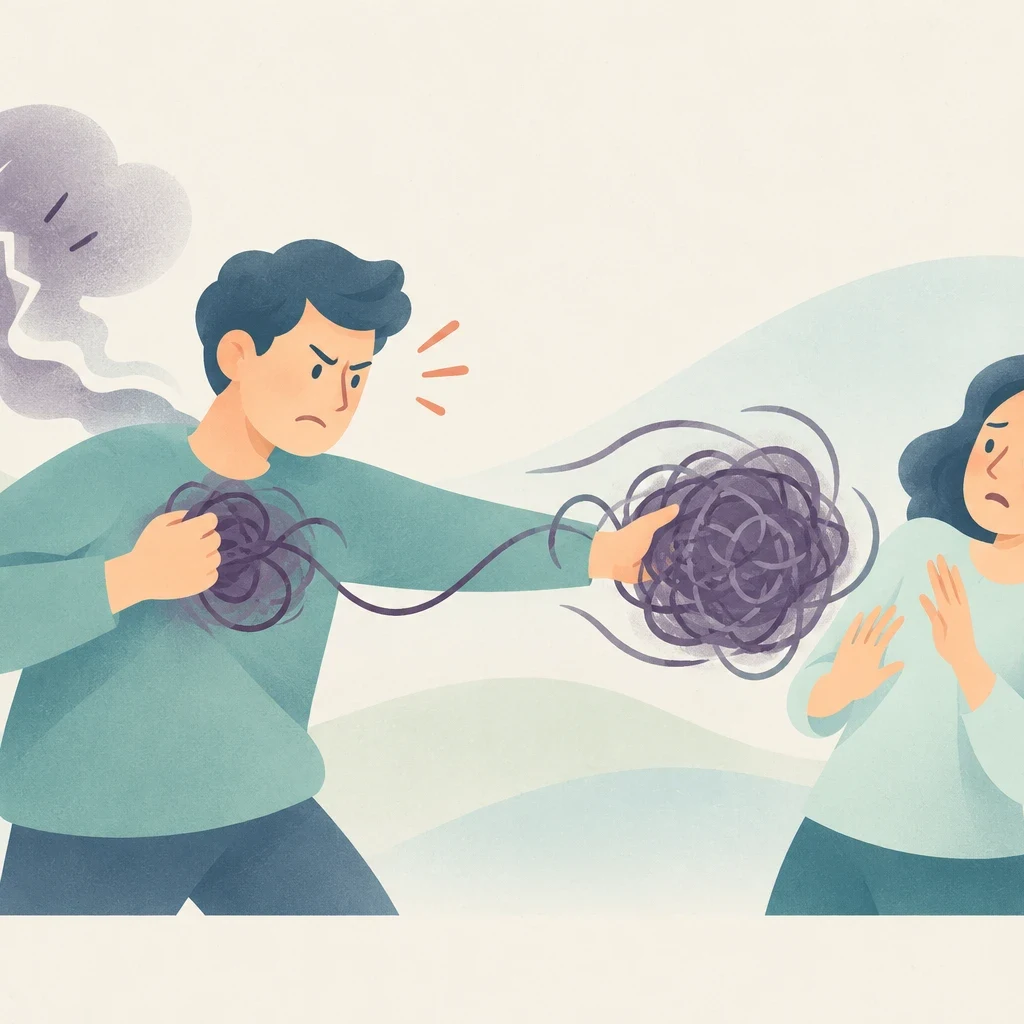
A difficult meeting makes someone angry, and later they shout at a family member who did nothing wrong. Which expression describes this unfair redirection?
Start listening

You have sent the proposal and answered every question. Nothing else can happen until the client responds. Whose responsibility is the next move?
Start listening
A long meeting produces dozens of details, but everyone needs one clear conclusion. Which phrase brings the discussion back to what matters most?
Start listening
Everyone at dinner speaks politely, although two guests have stopped talking to each other. The problem is obvious, but nobody mentions it.
Start listening
The train is repeatedly late, crowded, and unreliable. One more cancellation finally makes a commuter decide to drive instead.
Start listening
Two companies negotiate, but only one owns the technology both sides need. That advantage gives one side much greater control over the agreement.
Start listening
A colleague changes her schedule, calls three suppliers, and stays late to solve your problem. Saying she tried hard does not capture the extraordinary effort.
Start listening
Your train leaves in twenty minutes, but the journey to the station normally takes eighteen. You might arrive, although almost nothing can go wrong.
Start listeningNo. These lessons are grouped by their catalogue level. Use the examples and recordings to judge what you need to practice; completing a lesson does not certify your level.
Yes. Use the slower playback control when you need another listen, then return to normal speed when you can follow the sentence.
The first guided dictation in each lesson is available as a free sample. Other activities may require membership. The lesson shows what is available before you start.