Singing your praises
Ouça uma vez e digite o que você ouve.
0:00
Read the transcript
Você completou a amostra de escuta real. Abra a aula para continuar.
Trabalhe em expressões cujo significado não é óbvio a partir das palavras individuais. Ouça a situação, depois verifique a formulação exata e a atitude do falante.
O primeiro ditado é gratuito para experimentar sem uma conta. Escolha um sotaque disponível, ouça e digite as palavras que você ouve.
Ouça uma vez e digite o que você ouve.
0:00
Você completou a amostra de escuta real. Abra a aula para continuar.
Comece com "Singing your praises" para aprovação, "Play safe" para decisões cautelosas, ou "Backlog" para trabalho acumulado. Cada aula oferece uma situação diferente para você ouvir.
Separe o que aconteceu de como o falante se sente a respeito. O elogio pode ser entusiasmado, a cautela pode ser sensata ou excessiva, e um acúmulo de trabalho pode explicar a pressão no trabalho. Use a frase ao redor para decidir.
Quando as palavras exatas estiverem claras, pergunte o que mudaria se uma frase fosse substituída. Compare os exemplos da aula, depois reproduza sem ler. Ser capaz de explicar a diferença é mais útil do que lembrar uma pontuação.

Before work begins, everyone agrees about the goal, deadline, and responsibilities. Which phrase describes that shared understanding?
Começar a ouvir
A company pays a special bonus this month but will not repeat it. Which British English expression shows that the payment happens only once?
Começar a ouvir

Traffic is unpredictable, so you take an earlier train to avoid missing your flight. Which expression describes this cautious choice?
Começar a ouvir








Have you ever chosen a course because several people could not stop talking about how good the teacher was?
Começar a ouvir
Using a free course is sensible, but using a helpful colleague unfairly is not. How can one expression describe both situations?
Começar a ouvir
You assume the shop opens on Sunday without checking, and you rarely thank the friend who always helps. Which expression fits both mistakes?
Começar a ouvir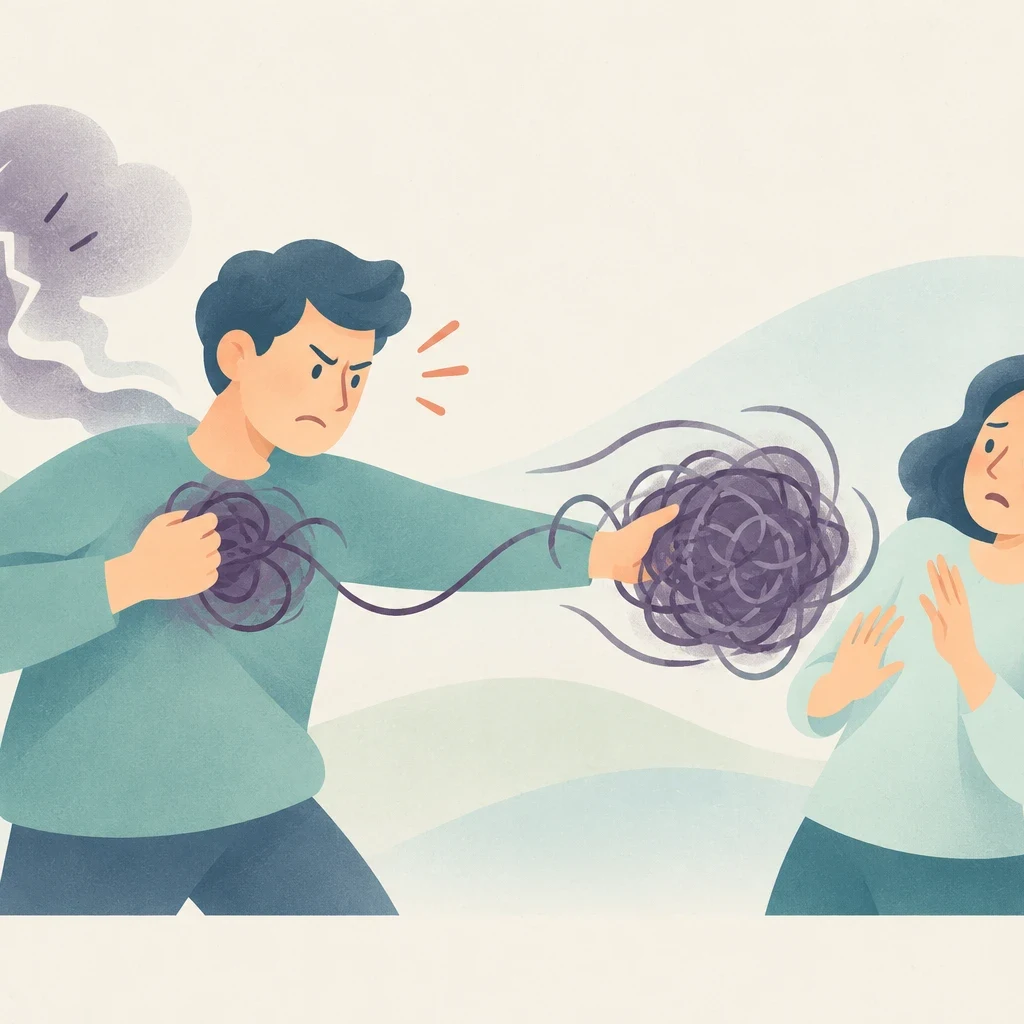
A difficult meeting makes someone angry, and later they shout at a family member who did nothing wrong. Which expression describes this unfair redirection?
Começar a ouvir

You have sent the proposal and answered every question. Nothing else can happen until the client responds. Whose responsibility is the next move?
Começar a ouvir
A long meeting produces dozens of details, but everyone needs one clear conclusion. Which phrase brings the discussion back to what matters most?
Começar a ouvir
Everyone at dinner speaks politely, although two guests have stopped talking to each other. The problem is obvious, but nobody mentions it.
Começar a ouvir
The train is repeatedly late, crowded, and unreliable. One more cancellation finally makes a commuter decide to drive instead.
Começar a ouvir
Two companies negotiate, but only one owns the technology both sides need. That advantage gives one side much greater control over the agreement.
Começar a ouvir
A colleague changes her schedule, calls three suppliers, and stays late to solve your problem. Saying she tried hard does not capture the extraordinary effort.
Começar a ouvir
Your train leaves in twenty minutes, but the journey to the station normally takes eighteen. You might arrive, although almost nothing can go wrong.
Começar a ouvirNão. Estas aulas são agrupadas pelo nível do catálogo. Use os exemplos e gravações para julgar o que você precisa praticar; completar uma aula não certifica seu nível.
Sim. Use o controle de reprodução mais lento quando precisar ouvir novamente, depois volte à velocidade normal quando conseguir acompanhar a frase.
O primeiro ditado guiado em cada aula está disponível como amostra gratuita. Outras atividades podem exigir assinatura. A aula mostra o que está disponível antes de você começar.