日常英语听力
从短录音开始,再试稍长一些的表达。第一遍听懂情境,第二遍再听清具体的词。
显示第343–360节,共408节课
-

Come down with
Come down with means begin to be ill or begin showing signs of an illness, usually a relatively minor one.
-

Come across
Come across expresses three everyday meanings depending on grammar: an unplanned discovery of an item or person, the impression someone gives to other people, or an idea being successfully noticed and understood.
-

Chip away
Chip away literally describes breaking off tiny pieces from a hard surface with repeated small strikes. In everyday figurative use, chip away at describes making steady progress against a large task or slowly diminishing a quantity, feeling, or barrier through small efforts over time. It shows that the target is diminishing, but it does not claim that the work is finished.
-

-

-

-
会员
全部课程免费学7天
- 592节课程,包含听写和听力测试
- 三种口音:英式、美式和澳式
- 每天有新课,并保存学习进度
无需绑卡。之后如想继续使用,每月$7.50起。
开始免费试用 -

-
 视频 · 7分钟
 Bring up
Bring up has three distinct meanings in everyday English. First, it means to introduce a topic or start discussing an issue in conversation. Second, it means to care for, feed, and educate a child until adulthood. Third, in technology contexts, it means to make a document, image, or website appear on a screen.
-

Bring about
Bring about means to cause something to happen, particularly a change, improvement, reform, or problem.
-
 视频 · 8分钟
 Break up
Break up expresses four main ideas in modern English. First, it describes romantic partners ending a relationship. Second, it describes people in a gathering dispersing or an organizer ending an event. Third, it means dividing something larger into smaller pieces or groups. Fourth, it describes an unstable voice or video signal that cuts out during a conversation.
-

-

-

-

Add up
Add up has three distinct meanings in everyday English. First, it describes calculating a total by putting separate figures together. Second, it describes small amounts, delays, or charges accumulating over time into a large sum. Third, it describes whether an explanation, figure, or set of facts appears logical and consistent. When you name the resulting total, use add up to directly before the amount.
-

28 Phrasal Verbs With Take
The verb take combines with particles and prepositions to form expressions for physical movement, time, tasks, and emotional reactions. The words following take determine the direction, target, and overall meaning.
-

A wardrobe clear-out
In this clear-out, the speakers sort clothes into things to keep, repair, donate, or recycle. Listen for the condition of each item and the decision made about it. A local collection service may have its own rules about what it accepts.
-
 视频 · 9分钟
 Unusual names
An unfamiliar name is simply a name that a listener has not heard often, not an incorrect or strange name. A speaker may ask listeners to use their full given name and teach the correct pronunciation, or they may choose an informal short form for specific social settings. Using a shorter name does not mean the speaker dislikes their full name.
-
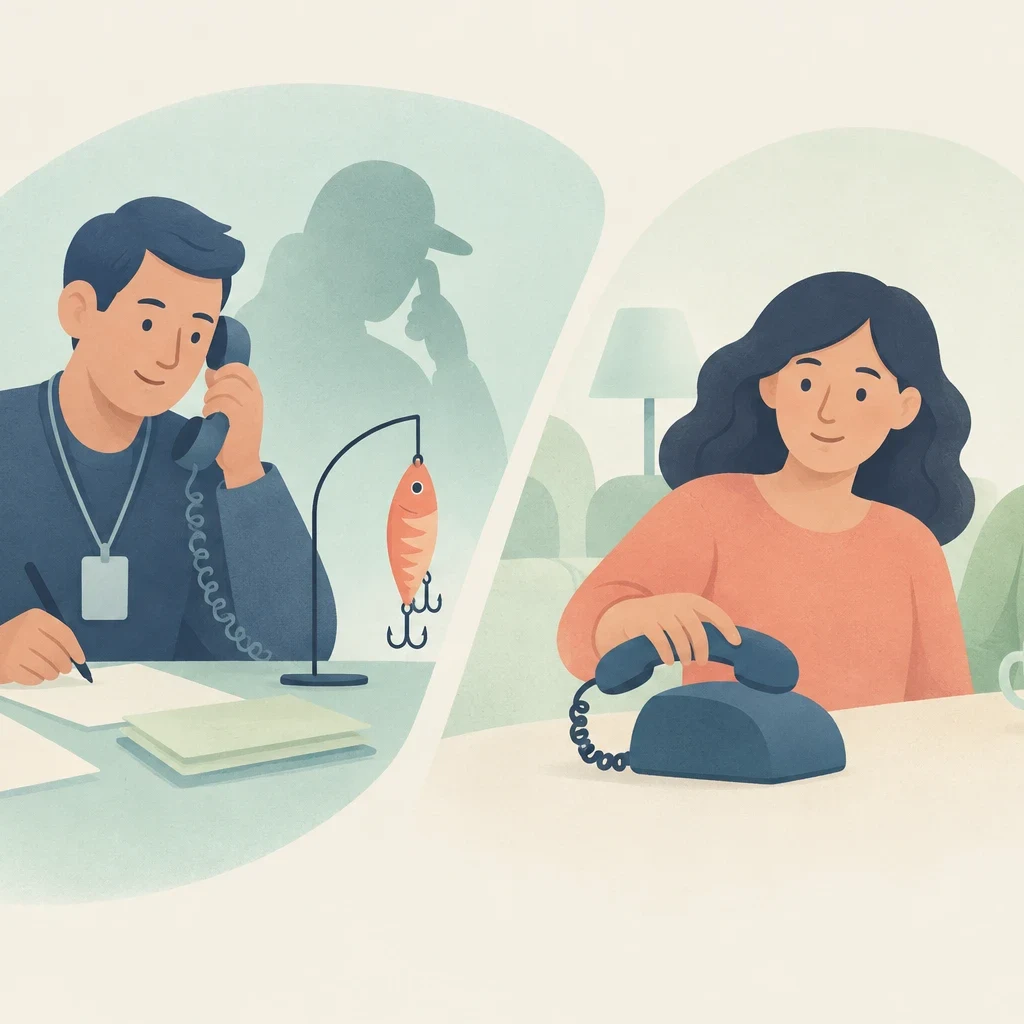
Scamming the scammers
A trained fraud investigator sometimes keeps scammers talking through isolated decoy accounts to record patterns for authorized reporting. Members of the public should not engage or share information; they should end the contact and verify through an official channel.
还没想好是否试用?每天收一节免费课
连续7天,每天发一段短听写到邮箱。在哪里都能练,不用注册账户。
找不到想学的表达或场景?
定制课程是会员功能。
查看会员方案