跳到正文
MicroEnglish
简体中文
搜索 帮助 联系我们 登录

日常英语听力

从短录音开始,再试稍长一些的表达。第一遍听懂情境,第二遍再听清具体的词。

显示第325–342节,共408节课

  • B1 短语动词

    Go down

    Go down expresses several distinct changes depending on its subject: an amount or level becomes smaller, a digital service stops functioning, the sun sets below the horizon, an idea receives a positive or negative reaction, or an event becomes remembered in history.

  • B1 短语动词

    Give away

    Give away means to hand over a possession without asking for money, to tell someone private information or a surprise, or to expose something hidden through an unexpected clue.

  • B1 短语动词

    Get together

    Get together means meeting and spending time with other people, usually socially and often by arrangement. Informally, when used about two people with explicit relationship clues, it can also mean beginning a romantic partnership.

  • 视频 · 4分钟

    B1 短语动词

    Get round to

    Get round to means reaching the point of doing an action you intended to do earlier, usually after a delay or a busy period. It focuses on finding the time or opportunity to begin the action, rather than physical movement or completing the whole job at once.

  • 视频 · 8分钟

    B1 短语动词

    Get over

    Get over means recover: become well or feel better again after an illness or an upsetting experience.

  • B1 短语动词

    Get out of something

    To get out of something means to avoid an expected obligation, duty, or task so that you do not have to do it. When expanded to 'get out of the habit of doing something', it means to stop a repeated behavior or regular routine over time.

  • 会员

    全部课程免费学7天

    • 592节课程,包含听写和听力测试
    • 三种口音:英式、美式和澳式
    • 每天有新课,并保存学习进度

    无需绑卡。之后如想继续使用,每月$7.50起。

    开始免费试用
  • B1 短语动词

    Get by

    Get by means to survive, manage, or continue functioning in a difficult situation despite having only just enough money, equipment, time, or specialized skill.

  • B1 短语动词

    Get back to

    Get back to means either to reply to someone at a later time with information, or to return to an activity, discussion, or task after an interruption.

  • B1 短语动词

    Get away with

    The phrasal verb 'get away with' has two distinct uses in daily English. In the first use, someone acts unfairly, breaks a rule, or makes a serious mistake, yet escapes blame, criticism, or punishment. In the second use, a speaker selects a smaller, cheaper, or less complete solution that still meets the minimum need. This second meaning involves no wrongdoing; it simply describes a practical compromise that functions well enough.

  • B1 短语动词

    Fill out

    Fill out primarily means to enter requested details into the blank spaces of a paper document or digital form. A secondary meaning describes a person's face or body becoming fuller, rounder, or more mature over time.

  • B1 短语动词

    Face up to something

    Face up to means to accept an unpleasant fact, problem, or responsibility honestly. The person may still dislike the situation or feel unsure about what to do next.

  • B1 短语动词

    Drop out

    Drop out means to stop taking part in an educational course, competition, or organized activity before completing it. It describes an exit from the entire program rather than a temporary pause.

  • B1 短语动词

    Drop off

    Drop off functions as a phrasal verb with three common meanings: to deliver a person or an item to a specific destination, to fall asleep, and to decrease in volume, rate, amount, or intensity.

  • B1 短语动词

    Do up

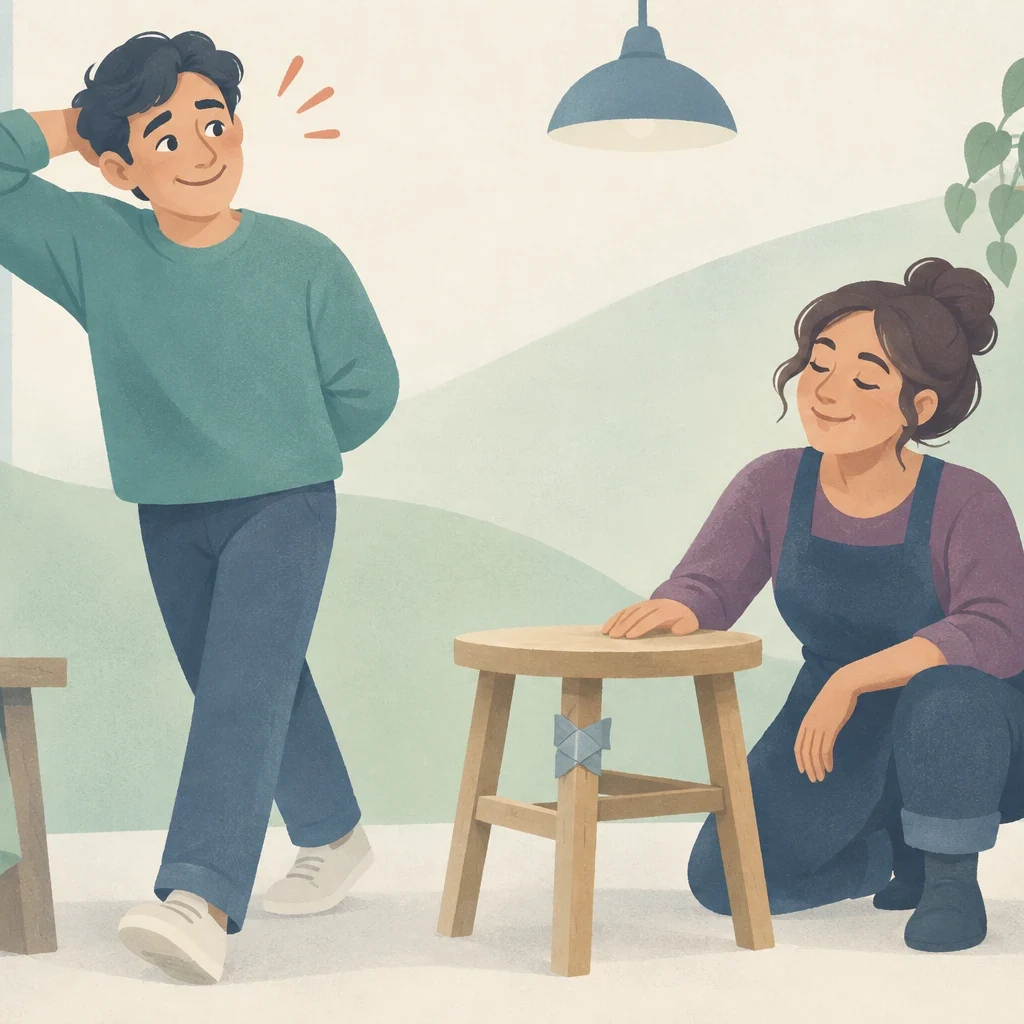
    The phrasal verb do up has three primary everyday meanings: fastening garments or footwear, renovating and decorating a room or property, and wrapping an object in paper or protective packaging. The intended meaning always depends on the specific noun receiving the action.

  • B1 短语动词

    Cut off

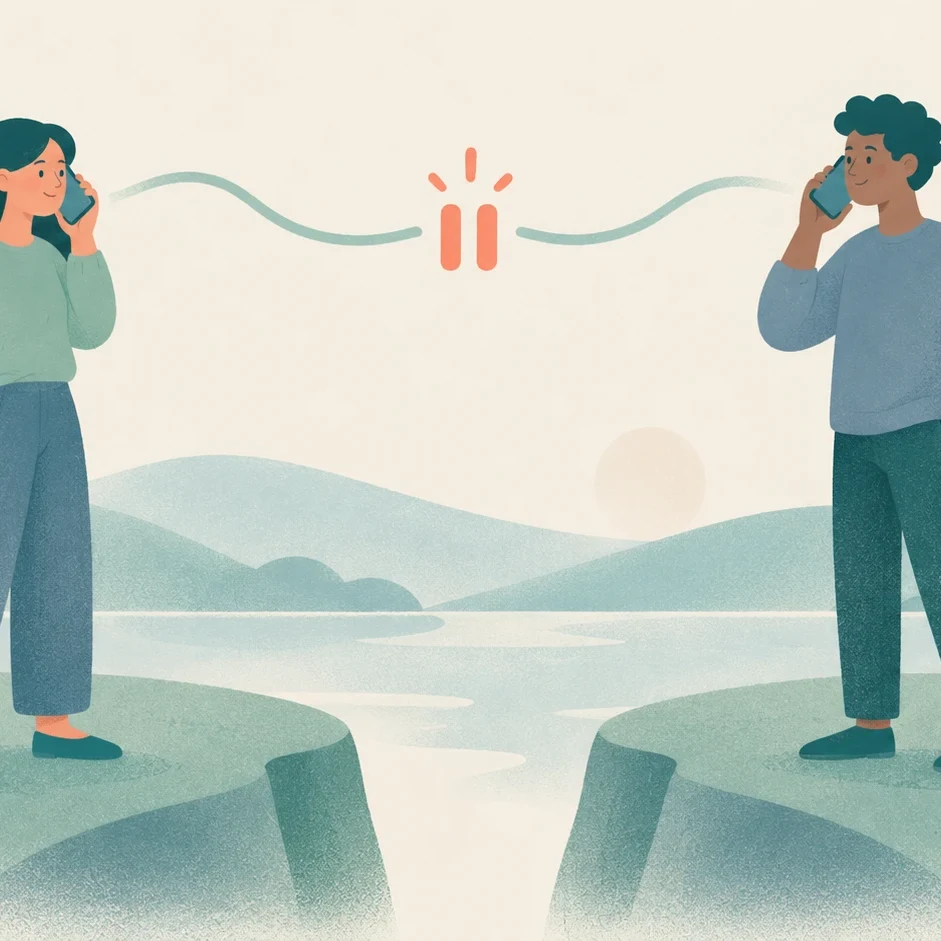
    Cut off describes a phone conversation ending suddenly because the connection fails, or a person or place becoming separated from normal access or social contact.

  • B1 短语动词

    Cut down

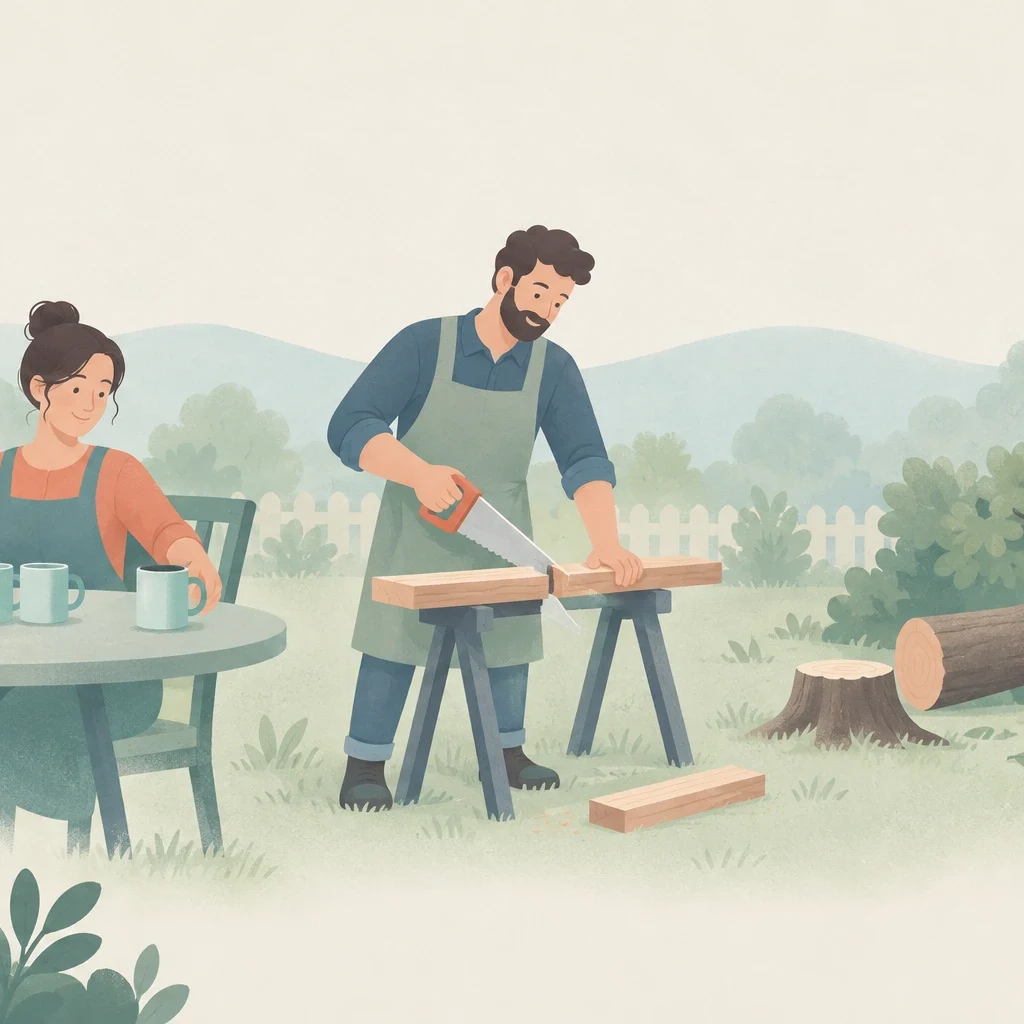
    Cut down describes reducing the amount, size, or frequency of something. With on, it refers to consuming less or doing an activity less often. Without on, it can mean making a text, speech, or list shorter. It also refers to cutting through the trunk of a tree so that it falls to the ground.

  • B1 短语动词

    Count on

    Count on connects confidence to an action or an expected event. With a person or organization, it expresses trust that they will provide needed support. With an event or circumstance, it describes a firm expectation that you use as the base for your schedule or practical arrangement.

  • B1 短语动词

    Come up with

    'Come up with' means to think of or suggest an idea, plan, explanation, or solution. It also means to succeed in finding, providing, or producing something that is needed, such as money, supplies, or equipment.

还没想好是否试用?每天收一节免费课

连续7天,每天发一段短听写到邮箱。在哪里都能练,不用注册账户。

连续7天,每天一封邮件,随时可以退订。

找不到想学的表达或场景?

定制课程是会员功能。

查看会员方案

Fesili maiSina · Faiaʻoga AI

Sina · Faiaʻoga AI

O loʻo tatala lou faiaʻoga…