Everyday listening
Start with short recordings, then work through longer phrases. Listen once for the situation and again for the words.
Showing 235–252 of 304 lessons
-
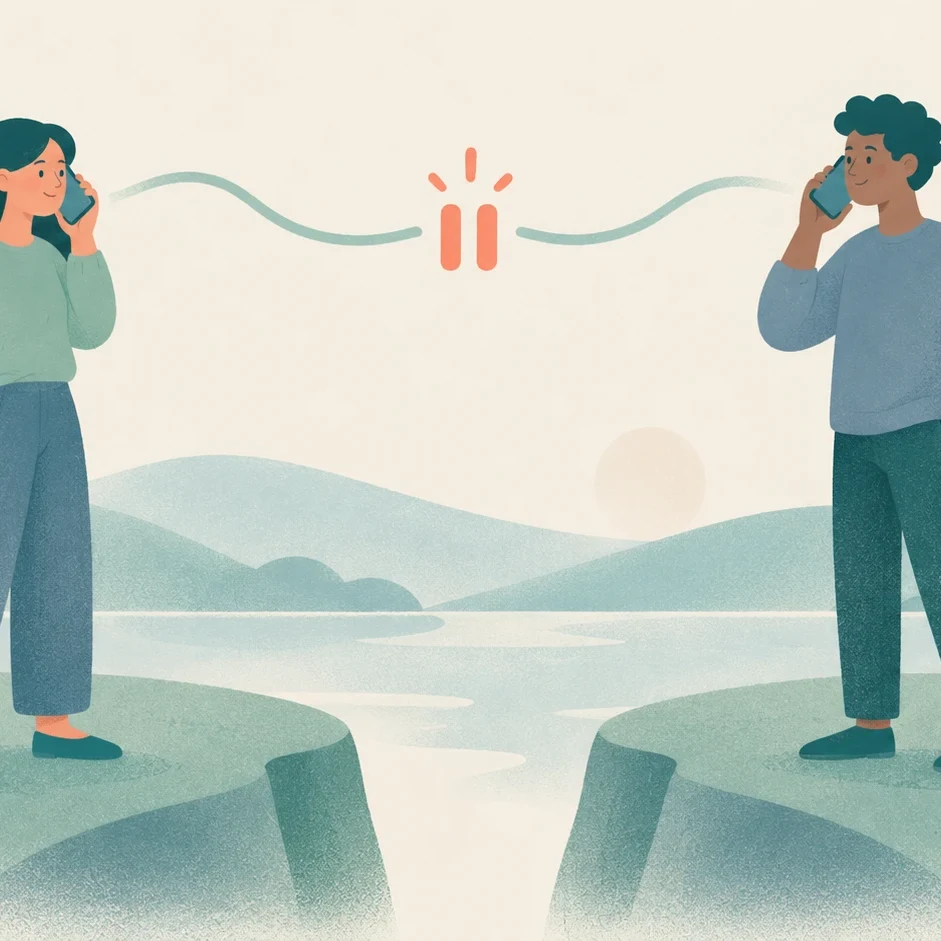
Cut off
Cut off describes a phone conversation ending suddenly because the connection fails, or a person or place becoming separated from normal access or social contact.
-

Cut down
Cut down describes reducing the amount, size, or frequency of something. With on, it refers to consuming less or doing an activity less often. Without on, it can mean making a text, speech, or list shorter. It also refers to cutting through the trunk of a tree so that it falls to the ground.
-

Count on
Count on connects confidence to an action or an expected event. With a person or organization, it expresses trust that they will provide needed support. With an event or circumstance, it describes a firm expectation that you use as the base for your schedule or practical arrangement.
-
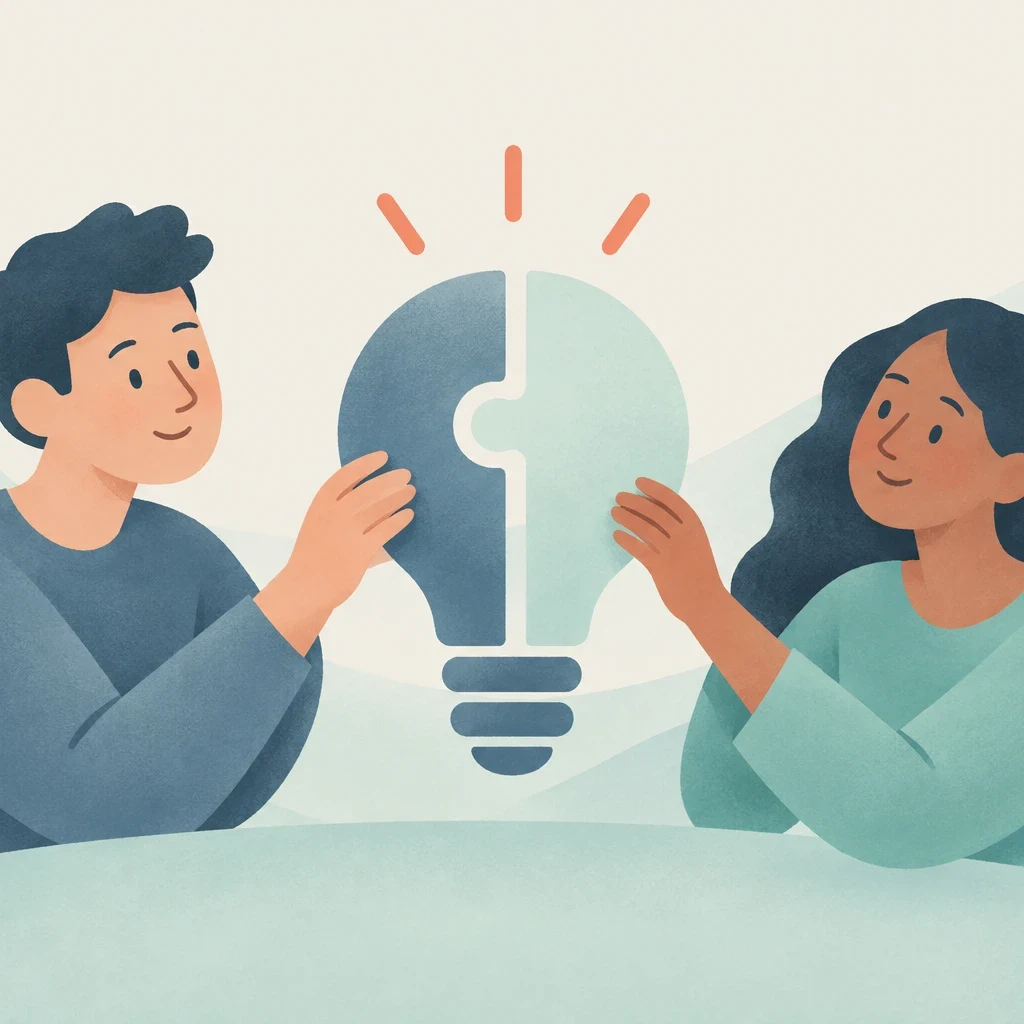
Come up with
'Come up with' means to think of or suggest an idea, plan, explanation, or solution. It also means to succeed in finding, providing, or producing something that is needed, such as money, supplies, or equipment.
-

Come down with
Come down with means begin to be ill or begin showing signs of an illness, usually a relatively minor one.
-

Come across
Come across expresses three everyday meanings depending on grammar: an unplanned discovery of an item or person, the impression someone gives to other people, or an idea being successfully noticed and understood.
-
Membership
Open every lesson free for 7 days
- 450 lessons with dictation and listening tests
- Three accents: British, American and Australian
- New lessons every day, and your progress is saved
No card needed. Then from $7.50 a month if you want to keep going.
Start free trial -

Chip away
Chip away literally describes breaking off tiny pieces from a hard surface with repeated small strikes. In everyday figurative use, chip away at describes making steady progress against a large task or slowly diminishing a quantity, feeling, or barrier through small efforts over time. It shows that the target is diminishing, but it does not claim that the work is finished.
-

Catch up
Catch up describes closing a distance or gap. It means reaching someone ahead of you, reaching an expected level of skill or progress, completing tasks you missed, or sharing recent personal news with someone after time apart.
-

Call off
Call off means decide that a planned event will not happen, stop an activity that is already underway, or command an aggressive animal or person to stop attacking.
-

Burn out
Burn out means to reach deep physical, mental, and emotional exhaustion from prolonged work, to stop burning naturally because combustible fuel is depleted, or to fail mechanically from internal electrical heat damage.
-

Bump into
Bump into means to meet someone unexpectedly without prior arrangement, or to hit an object or person accidentally with your body.
-

Bring up
Bring up has three distinct meanings in everyday English. First, it means to introduce a topic or start discussing an issue in conversation. Second, it means to care for, feed, and educate a child until adulthood. Third, in technology contexts, it means to make a document, image, or website appear on a screen.
-

Bring about
Bring about means to cause something to happen, particularly a change, improvement, reform, or problem.
-
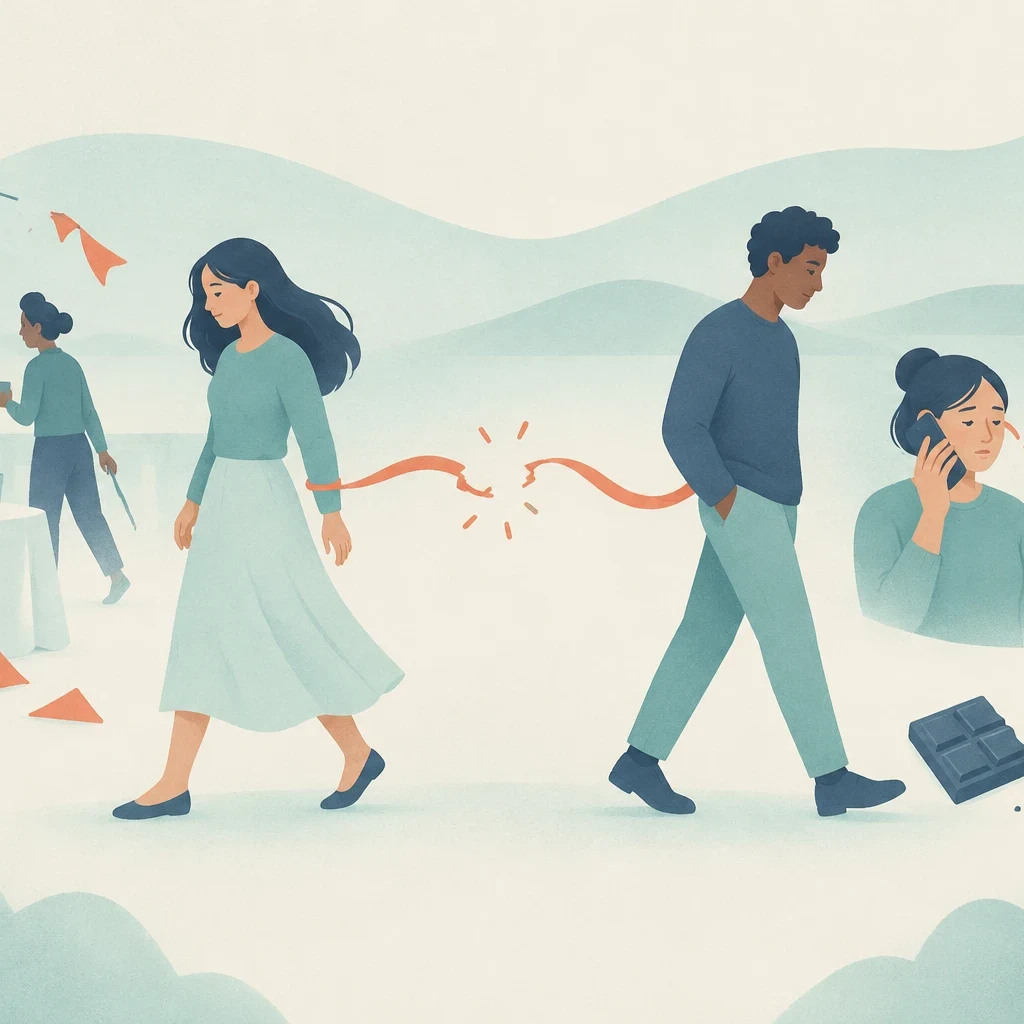
Break up
Break up expresses four main ideas in modern English. First, it describes romantic partners ending a relationship. Second, it describes people in a gathering dispersing or an organizer ending an event. Third, it means dividing something larger into smaller pieces or groups. Fourth, it describes an unstable voice or video signal that cuts out during a conversation.
-

Blow away
'Blow away' most commonly means to impress, delight, or astonish someone intensely. It can also describe moving air carrying an object away physically, or one competitor defeating another with total ease.
-

Back up
The phrasal verb back up carries five primary meanings in everyday English: supporting someone who needs help, providing evidence that reinforces a statement, creating a duplicate copy of data, moving in reverse, and accumulating in a queue when forward movement is blocked.
-

Back down
Back down means to stop demanding something, stop defending an argument, or withdraw a claim after opposition. It requires an earlier disagreement where at least one person insisted on their view.
-

Add up
Add up has three distinct meanings in everyday English. First, it describes calculating a total by putting separate figures together. Second, it describes small amounts, delays, or charges accumulating over time into a large sum. Third, it describes whether an explanation, figure, or set of facts appears logical and consistent. When you name the resulting total, use add up to directly before the amount.
Not ready for a trial? Get a free lesson every day
One short dictation in your inbox each day for 7 days. Practise where you are, no account needed.
Can’t find the phrase or situation you need?
Lesson requests come with membership.
See membership