Everyday listening
Start with short recordings, then work through longer phrases. Listen once for the situation and again for the words.
Showing 217–234 of 304 lessons
-

Head back
Head back means go towards a place you have already been. You can say it when you leave to return or while you are travelling there. It does not tell us that you have arrived.
-
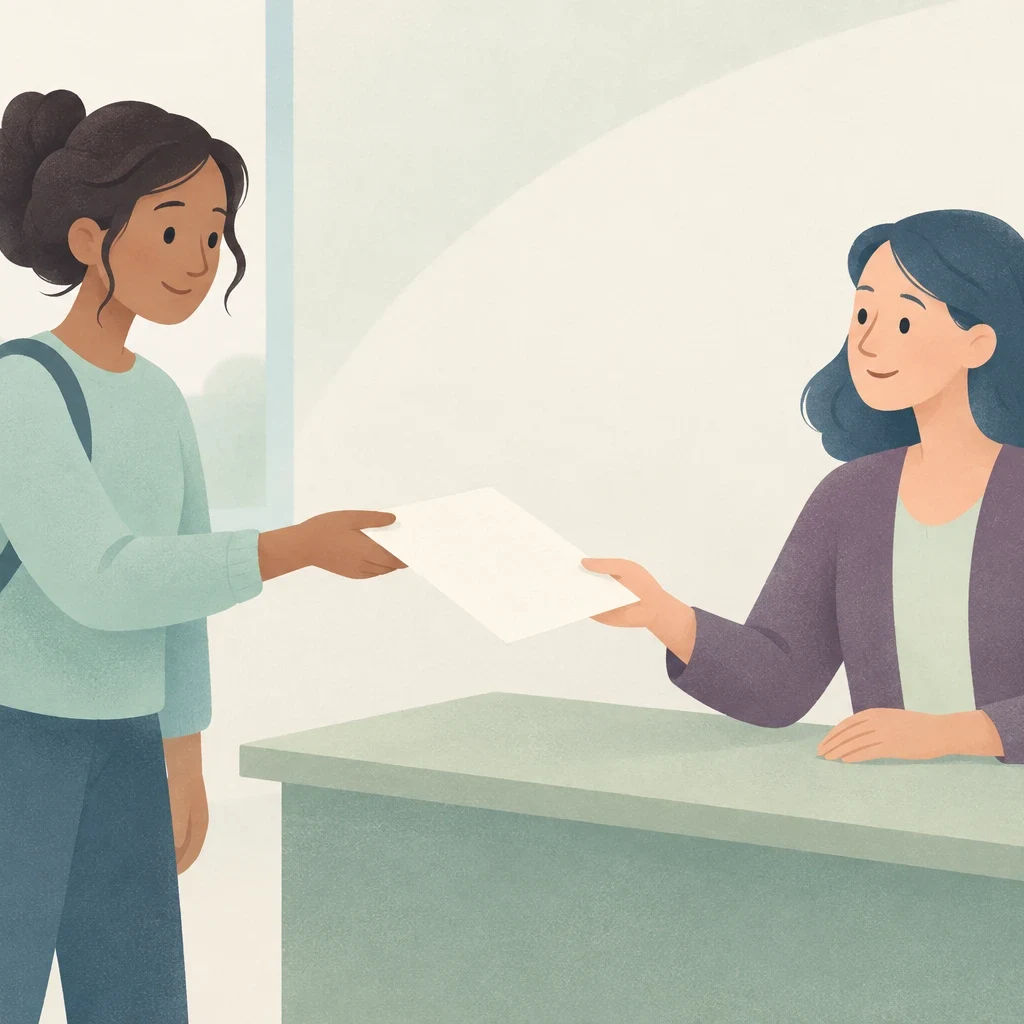
Hand in
Hand in means to deliver an official document, assignment, key, or notice to a person in authority or a designated desk.
-

Grow apart
To grow apart means to become gradually less close in a relationship over time. It describes a slow drift in emotional connection, usually because interests, schedules, or locations have changed.
-

Go off
Go off expresses different actions depending on its subject. With an alarm, timer, or telephone, it means to activate and sound an alert. With a firework or explosive device, it means to burst or explode. With lights or electric utility power, it means to stop shining or supplying current. With food or beverage, it means to spoil and become unsafe to consume. When a person is the subject followed by an object, it means to stop liking or enjoying something.
-

Go down
Go down expresses several distinct changes depending on its subject: an amount or level becomes smaller, a digital service stops functioning, the sun sets below the horizon, an idea receives a positive or negative reaction, or an event becomes remembered in history.
-

Give away
Give away means to hand over a possession without asking for money, to tell someone private information or a surprise, or to expose something hidden through an unexpected clue.
-
Membership
Open every lesson free for 7 days
- 450 lessons with dictation and listening tests
- Three accents: British, American and Australian
- New lessons every day, and your progress is saved
No card needed. Then from $7.50 a month if you want to keep going.
Start free trial -

Get together
Get together means meeting and spending time with other people, usually socially and often by arrangement. Informally, when used about two people with explicit relationship clues, it can also mean beginning a romantic partnership.
-
 Video · 4 min
 Get round to
Get round to means reaching the point of doing an action you intended to do earlier, usually after a delay or a busy period. It focuses on finding the time or opportunity to begin the action, rather than physical movement or completing the whole job at once.
-
 Video · 8 min
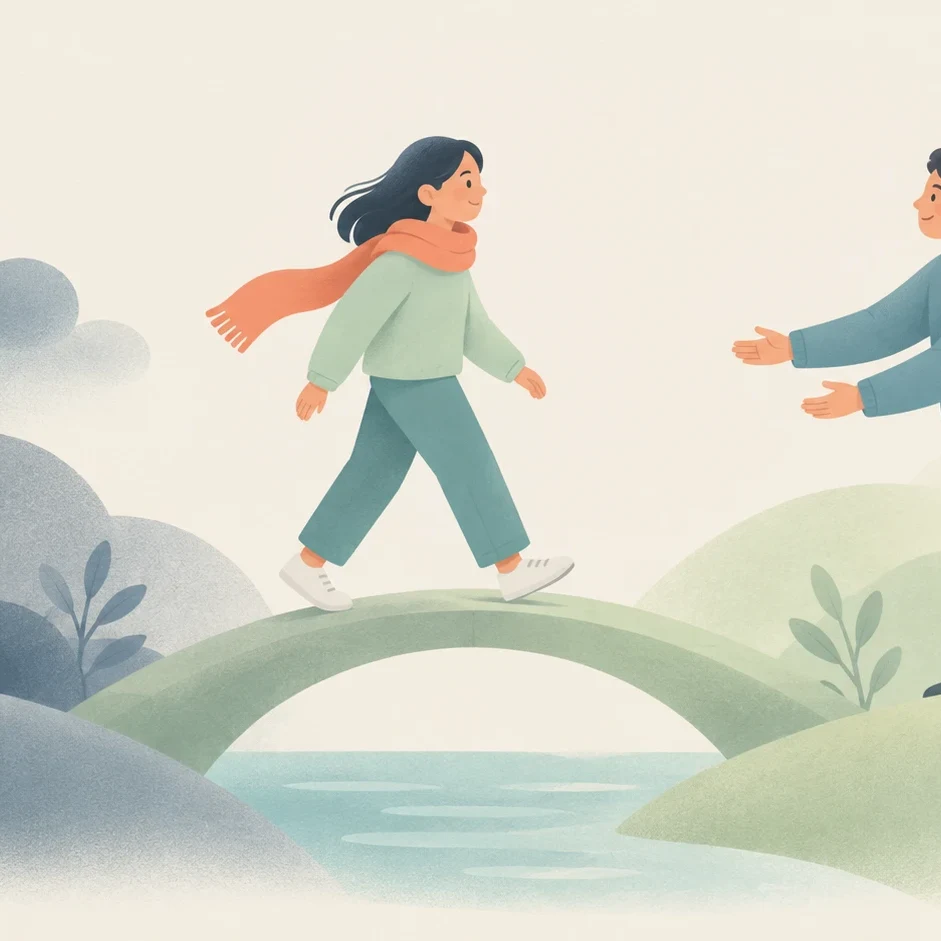
 Get over
Get over means recover: become well or feel better again after an illness or an upsetting experience.
-
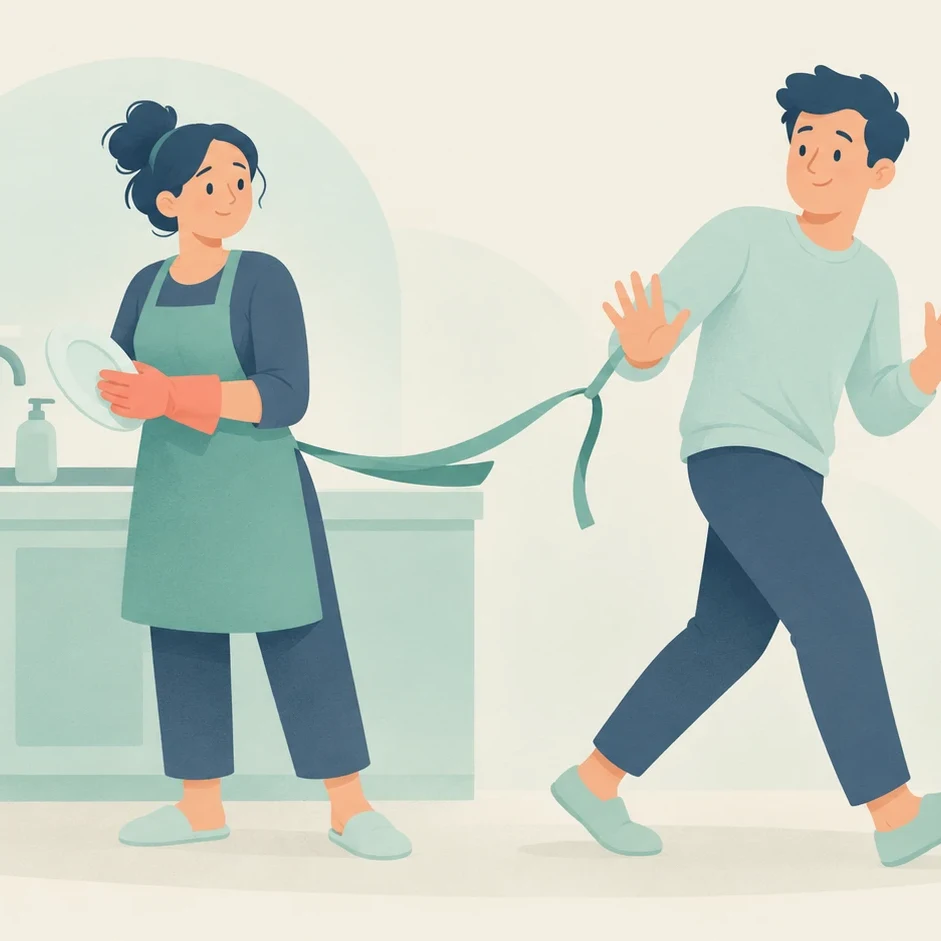
Get out of something
To get out of something means to avoid an expected obligation, duty, or task so that you do not have to do it. When expanded to 'get out of the habit of doing something', it means to stop a repeated behavior or regular routine over time.
-

Get by
Get by means to survive, manage, or continue functioning in a difficult situation despite having only just enough money, equipment, time, or specialized skill.
-
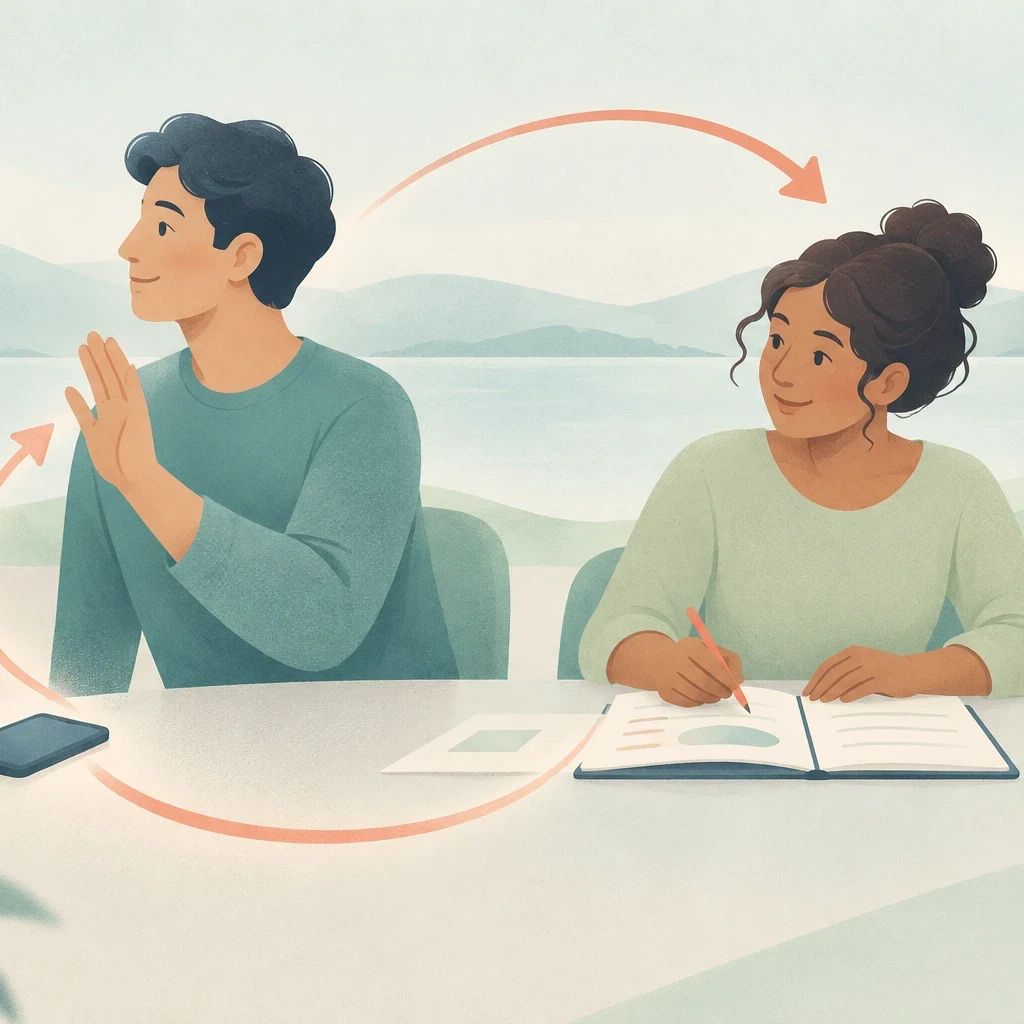
Get back to
Get back to means either to reply to someone at a later time with information, or to return to an activity, discussion, or task after an interruption.
-
Get away with
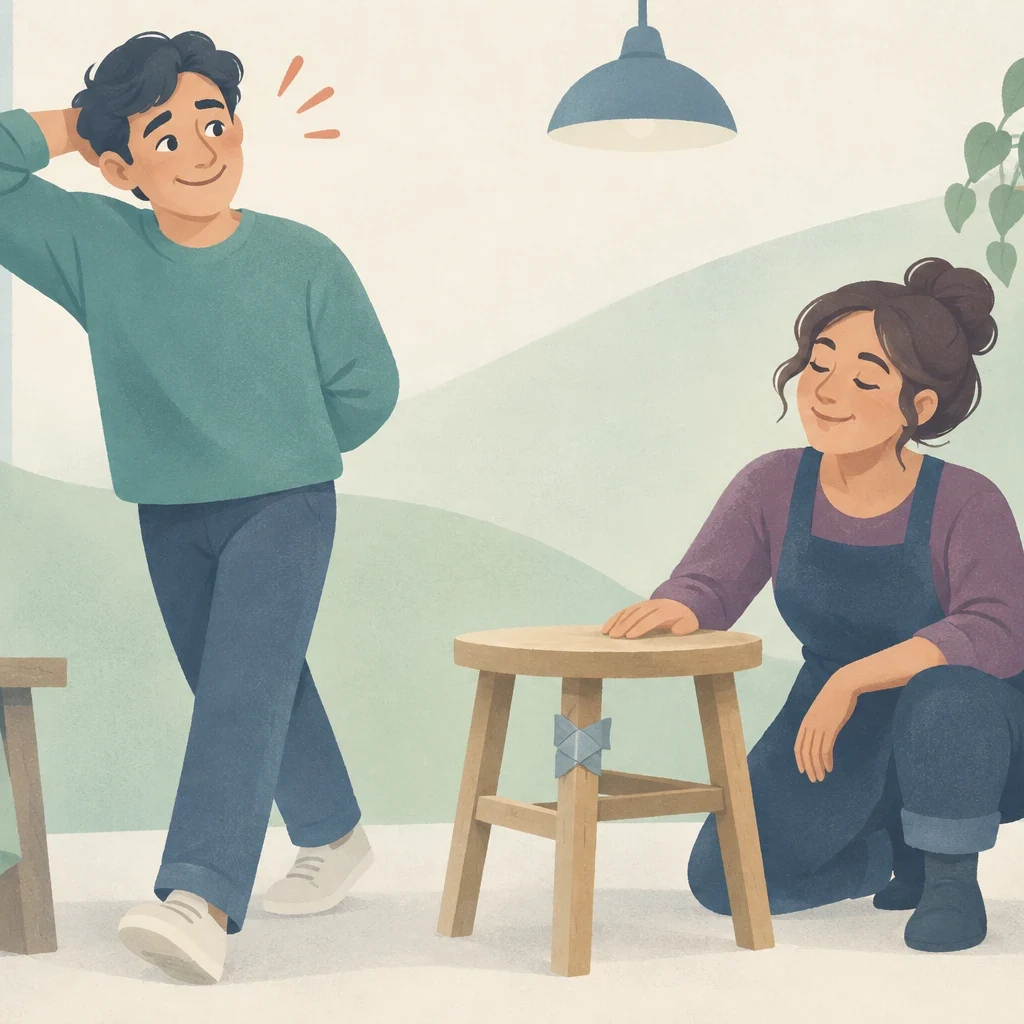
The phrasal verb 'get away with' has two distinct uses in daily English. In the first use, someone acts unfairly, breaks a rule, or makes a serious mistake, yet escapes blame, criticism, or punishment. In the second use, a speaker selects a smaller, cheaper, or less complete solution that still meets the minimum need. This second meaning involves no wrongdoing; it simply describes a practical compromise that functions well enough.
-

Fill out
Fill out primarily means to enter requested details into the blank spaces of a paper document or digital form. A secondary meaning describes a person's face or body becoming fuller, rounder, or more mature over time.
-
Face up to something
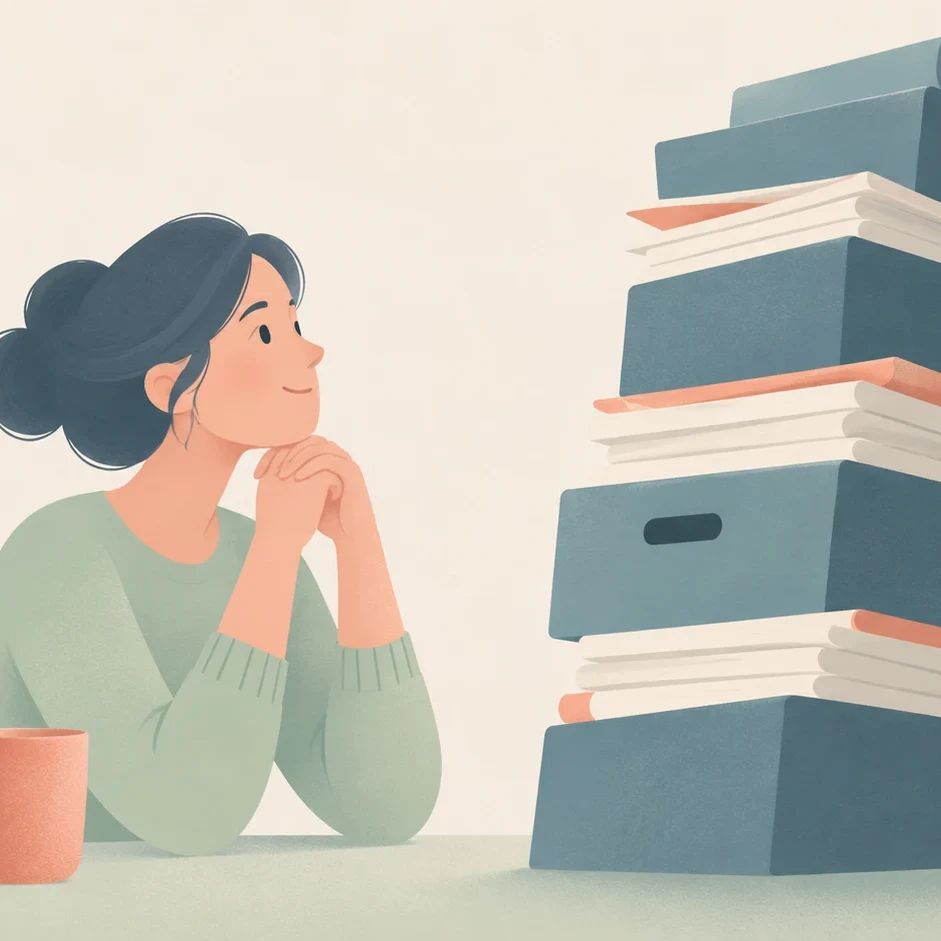
Face up to means to accept an unpleasant fact, problem, or responsibility honestly. The person may still dislike the situation or feel unsure about what to do next.
-

Drop out
Drop out means to stop taking part in an educational course, competition, or organized activity before completing it. It describes an exit from the entire program rather than a temporary pause.
-

Drop off
Drop off functions as a phrasal verb with three common meanings: to deliver a person or an item to a specific destination, to fall asleep unintentionally or gradually, and to decrease in volume, rate, amount, or intensity.
-

Do up
The phrasal verb do up has three primary everyday meanings: fastening garments or footwear, renovating and decorating a room or property, and wrapping an object in paper or protective packaging. The intended meaning always depends on the specific noun receiving the action.
Not ready for a trial? Get a free lesson every day
One short dictation in your inbox each day for 7 days. Practise where you are, no account needed.
Can’t find the phrase or situation you need?
Lesson requests come with membership.
See membership