
Everyday listening
Start with short recordings, then work through longer phrases. Listen once for the situation and again for the words.
Showing 559–565 of 565 lessons
-
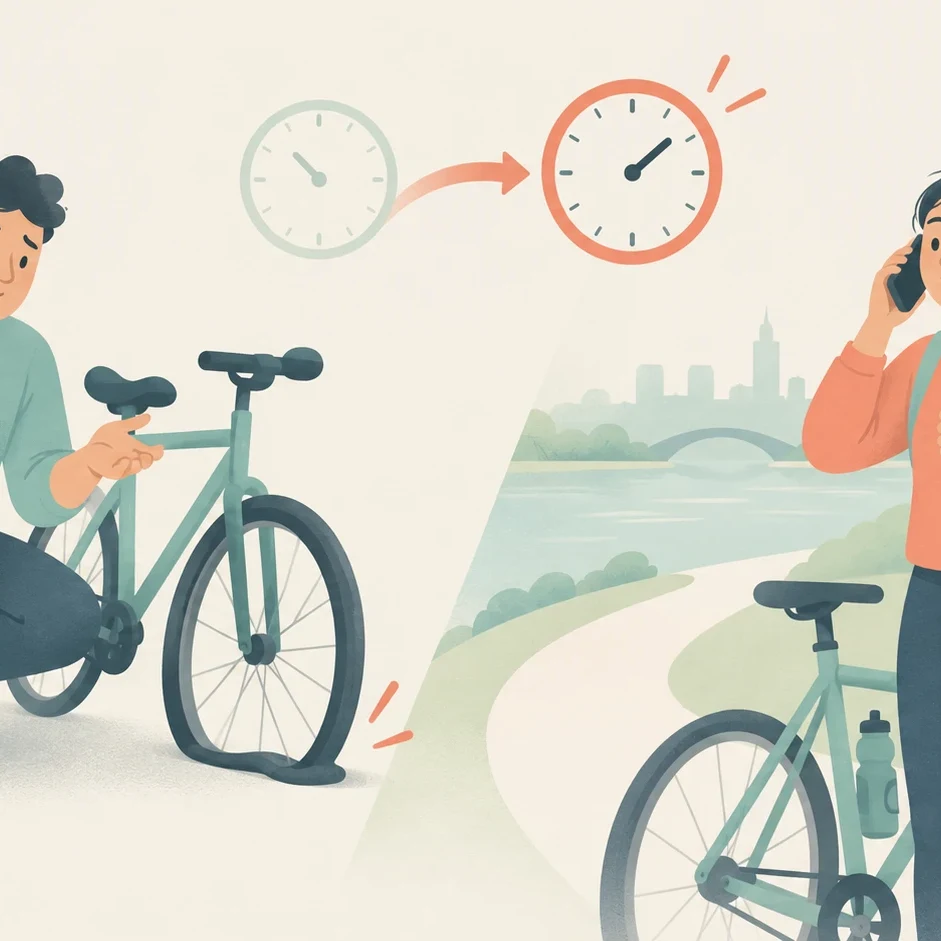
Changing a plan
A changed plan keeps an activity but alters a detail, such as its time or place. A canceled plan does not go ahead as arranged. Listen to the whole exchange to find out what the friends decide and whether they accept a replacement plan.
-
 Video · 7 min
Take it easy
'Take it easy' means to rest and reduce effort, to calm down when feeling anxious or agitated, or to offer a warm, casual goodbye.
-
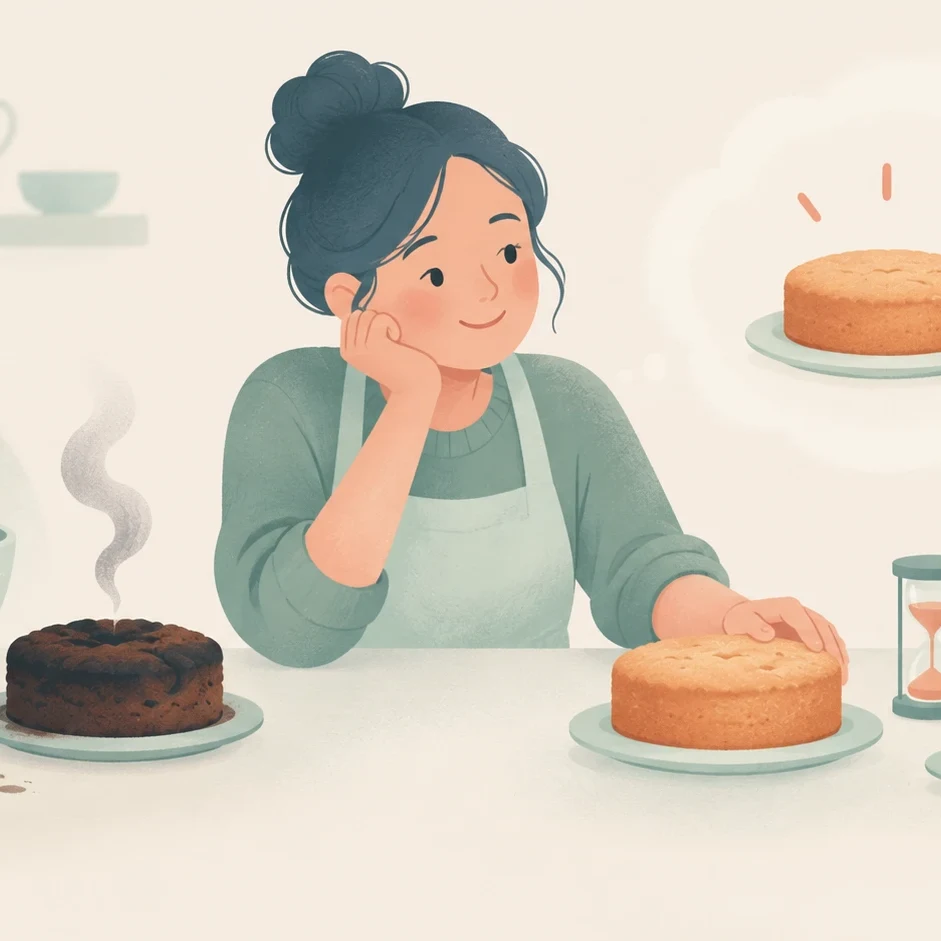
Third conditional: explanation and examples
The third conditional looks back at completed past events and imagines how changing one condition would have produced a different outcome. Both the condition and the result refer entirely to the past, describing an imaginary version of events that never actually took place.
-

Gerunds and infinitives with stop, try, remember and need
Some English verbs can be followed by either an -ing form or a to-infinitive, but the choice creates two completely different meanings. With stop, the -ing form ends an activity, while the to-infinitive states a purpose for pausing. With try, the -ing form tests a possible solution, while the to-infinitive focuses on making an effort at a difficult task. With remember, the -ing form recalls a past experience, while the to-infinitive focuses on completing a necessary chore. With need, the to-infinitive indicates that the subject performs an action, while the -ing form expresses a passive meaning showing what requires maintenance.
-

Future predictions
Predictions describe expected future events rather than certain facts. English uses will to share personal beliefs, expectations, and opinions without direct proof. It uses be going to when observable clues, trends, or current information show an outcome already in progress. When an outcome is merely possible, speakers choose might, may, or could.
-
 Video · 8 min
Future plans
Future expressions in English do not simply state that an event happens later. They reveal how the speaker views the plan: as a spontaneous reaction at the moment of speech, a personal intention decided previously, or a confirmed arrangement coordinated with others.
-
Membership
Open every lesson free for 7 days
- 814 lessons with dictation and listening tests
- Three accents: British, American and Australian
- Your progress is saved
No card needed. Then from $7.50 a month if you want to keep going.
Start free trial -
 Video · 9 min
Conditionals
A conditional sentence connects a condition with a result. English uses distinct verb combinations to show how the speaker views the relationship between these two clauses: as a universal constant, an actionable future possibility, an imagined present alternative, or a missed past opportunity.
Not ready for a trial? Get a free lesson every day
Get one short dictation by email each day for 7 days. You can practice wherever you are, without an account.
Can't find a lesson on what you need?
Lesson requests come with membership.
See membership