شنیدن انگلیسی در موقعیتهای روزمره
از فایلهای کوتاه شروع کن و کمکم سراغ عبارتهای بلندتر برو. بار اول موقعیت را بفهم؛ بار بعد به خود کلمهها گوش بده.
درسهای 235 تا 252 از 393 درس
-
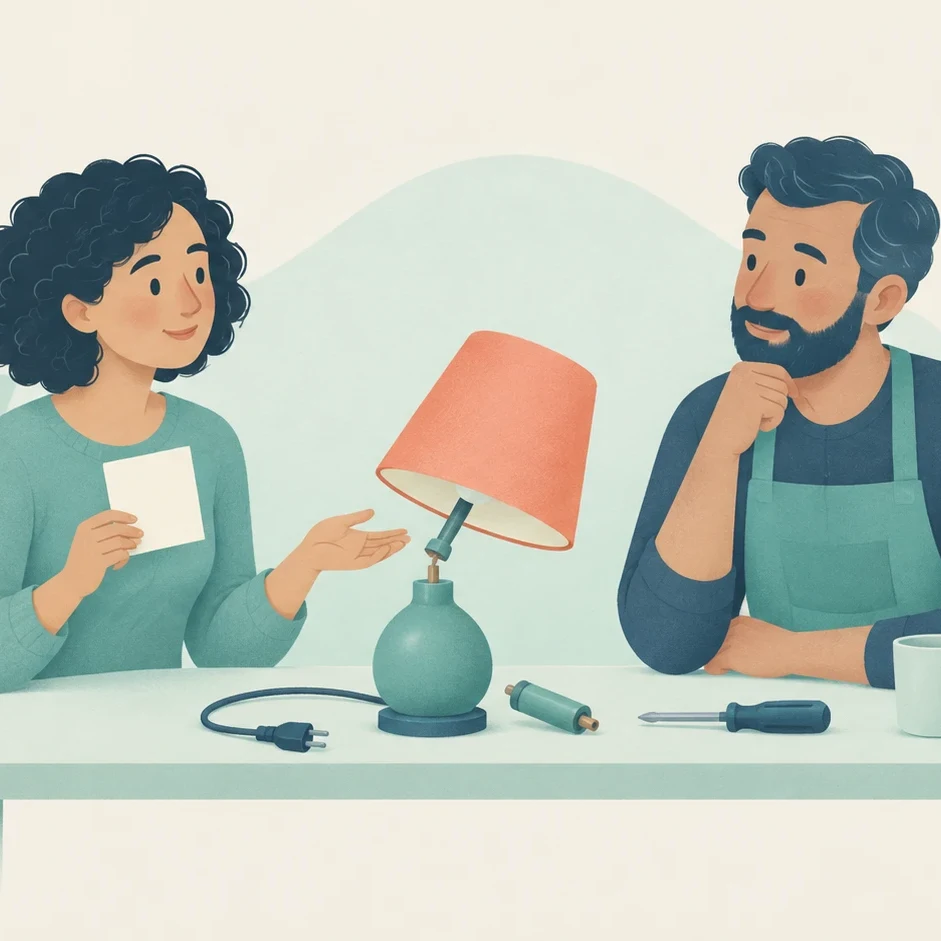
Who Said What? Passing On a Message
Quoted speech repeats someone's exact words. Reported speech puts their message into your own sentence. Both can describe the same conversation.
-

One More Thing: Adding Information Clearly
Addition linkers tell your listener or reader that you are building on the same topic. They show that the next thought belongs alongside the previous one, without switching direction, giving a cause, or showing an unexpected result.
-
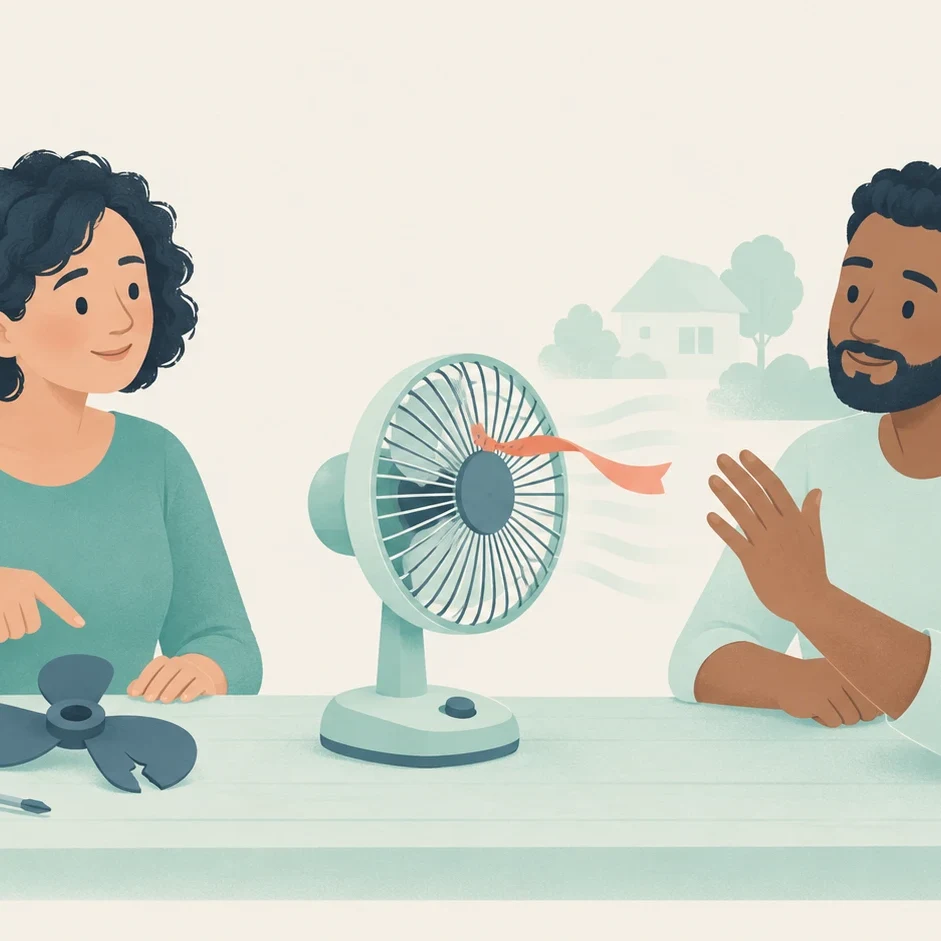
Took or have taken? Choose the form for your message
The past simple places an action in a finished past situation: I took the radio apart yesterday. The present perfect connects a past action with now: I have taken the radio apart, so we can check it.
-

Choose I, me, my, or mine when sharing plans
A pronoun can replace a name or a thing already understood. Subject forms such as she name who does an action. Object forms such as her name who receives it. Ownership forms show who something belongs to.
-
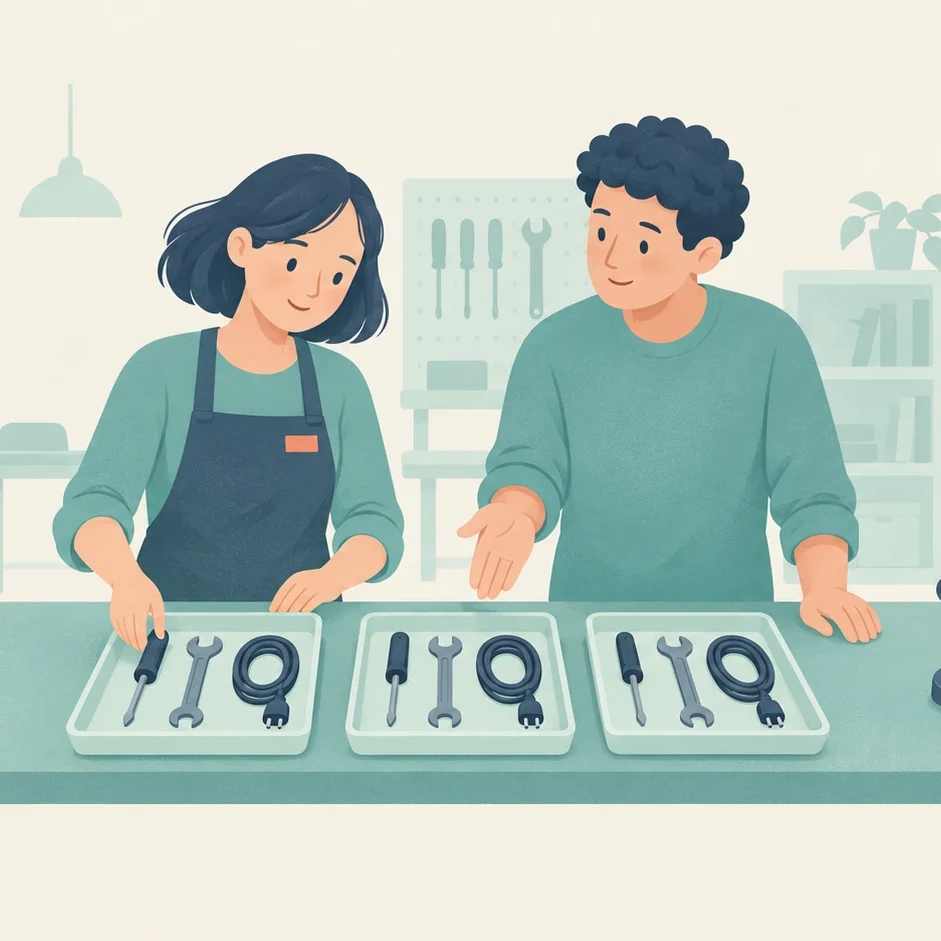
Parallel structure: make your lists easy to follow
Parallel structure means giving connected ideas a similar grammatical shape. In everyday terms, a list of things should sound like a list of things, and a list of actions should follow one action pattern.
-

Choose she and I or her and me
She and I names two people as the subject: the people doing an action or being described. Her and me names them as the object of a verb or after words such as to, with, and for. And joins the people; it does not decide which pronouns you need.
-
اشتراک
7 روز دسترسی رایگان به همهٔ درسها
- 573 درس با دیکته و آزمون شنیداری
- سه لهجه: بریتانیایی، آمریکایی و استرالیایی
- درسهای تازه هر روز و ذخیرهٔ پیشرفت
کارت بانکی لازم نیست. اگر خواستی ادامه بدهی، پس از دورهٔ رایگان از ماهانه $7.50.
شروع دورهٔ رایگان -

Present perfect progressive: how to use have been working
The present perfect progressive emphasizes the continuous nature, duration, or recent completion of an action that affects the present moment. Unlike simple forms that focus on finished products or counted quantities, this form focuses on the work itself and the time spent doing it.
-

Threw or through? Listen at the new flat
Threw tells us that someone did the action throw in the past. Often, someone sends an object through the air: “Ben threw a soft toy to Lea.” Through can describe a route. In “Lea carried a box through the kitchen,” the kitchen is part of her path. Ask yourself: does the word tell me what someone did, or where something moved?
-

Nighttime or Night-time? Listen, Choose and Write Clearly
Nighttime and night-time refer to the hours between sunset and sunrise. Choosing between the solid compound and the hyphenated form does not change what you are saying.
-

Regular past verbs: report what happened and what is ready
A regular verb adds -ed to make both its past simple and its past participle. Use the past simple for a finished time (I packed it yesterday) and have or has plus the participle for a result now (I have packed it). After did or didn't, use the base form.
-
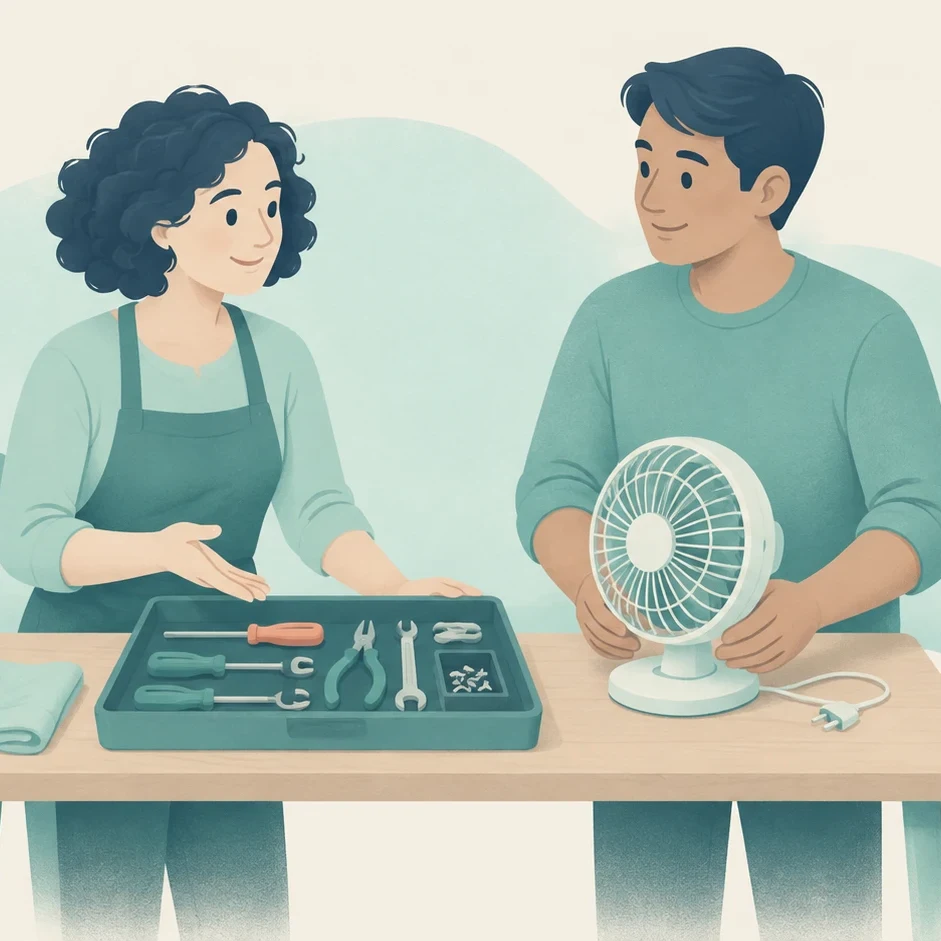
Getting the Repair Café Ready: Group Words
A collective noun names a group. Team describes people working together, while set can describe things that belong together. You can count groups: one team, two teams. When you present a single group as one unit, use a singular verb: the team is ready. When you name the members directly, use a plural verb: the volunteers are ready.
-

Using Like and As for Clear English Comparisons
A simile compares two different items to highlight a shared characteristic. When using an adjective, the quality sits between two instances of as, such as as light as a feather. When comparing how an action happens, the verb connects directly to like followed by a noun, such as slept like a log. Both patterns create a clear mental image without claiming that the two items are literally identical.
-

Choosing Between Onto and Unto
Onto functions as a preposition indicating movement toward and resting upon a physical surface. Unto is an older preposition that originally carried meanings similar to to or toward, but modern everyday English replaces it with to in virtually all contexts.
-
Up to or upto: Which Is Correct?
Up to serves several related communicative purposes. When followed by a number or quantity, it specifies a maximum limit: up to three items means three or fewer, never more than three. When followed by a time or event, it indicates an action continuing until that point, such as practicing up to the start of a performance. When followed by a location, it shows the physical boundary reached during travel. Finally, in the idiomatic expression it is up to someone, it indicates that a person has the responsibility or freedom to decide.
-

Who booked the room? A name and I or a name and me
I is a subject pronoun: Rosa and I booked a room. Me is an object pronoun: The receptionist helped Rosa and me. Also use me after prepositions such as with, to and for.
-
 ویدیو · 8 دقیقه
 Choose and, but, because, or so
And adds information. But marks a contrast. Because introduces a reason. So introduces a result. The facts may stay the same, but your linking word tells the listener how to understand their relationship.
-
 ویدیو · 9 دقیقه
 Choose between at night and in the night
At night names a general part of the day. In the night places something within a particular night. Compare a regular arrangement, such as keeping a door locked at night, with an event, such as hearing someone outside in the night.
-
 ویدیو · 10 دقیقه
 Advice or advise: asking for help and suggesting a next step
Advice names guidance about what someone could or should do. Advise describes the action of giving that guidance. In 'Her advice helped,' advice names the guidance. In 'She advised me,' advised tells us what she did.
هنوز دورهٔ آزمایشی را شروع نمیکنی؟ هر روز یک درس رایگان بگیر
تا ۷ روز، هر روز یک دیکتهٔ کوتاه در ایمیلت دریافت کن. هر جا هستی تمرین کن؛ نیازی به حساب نداری.
عبارت یا موقعیت مورد نیازت را پیدا نکردی؟
درخواست درس با اشتراک در دسترس است.
دیدن اشتراکها