English idioms and listening practice
You may know every word in an idiom and still miss what the speaker means. Start with the situation, then listen for the phrase as a whole.

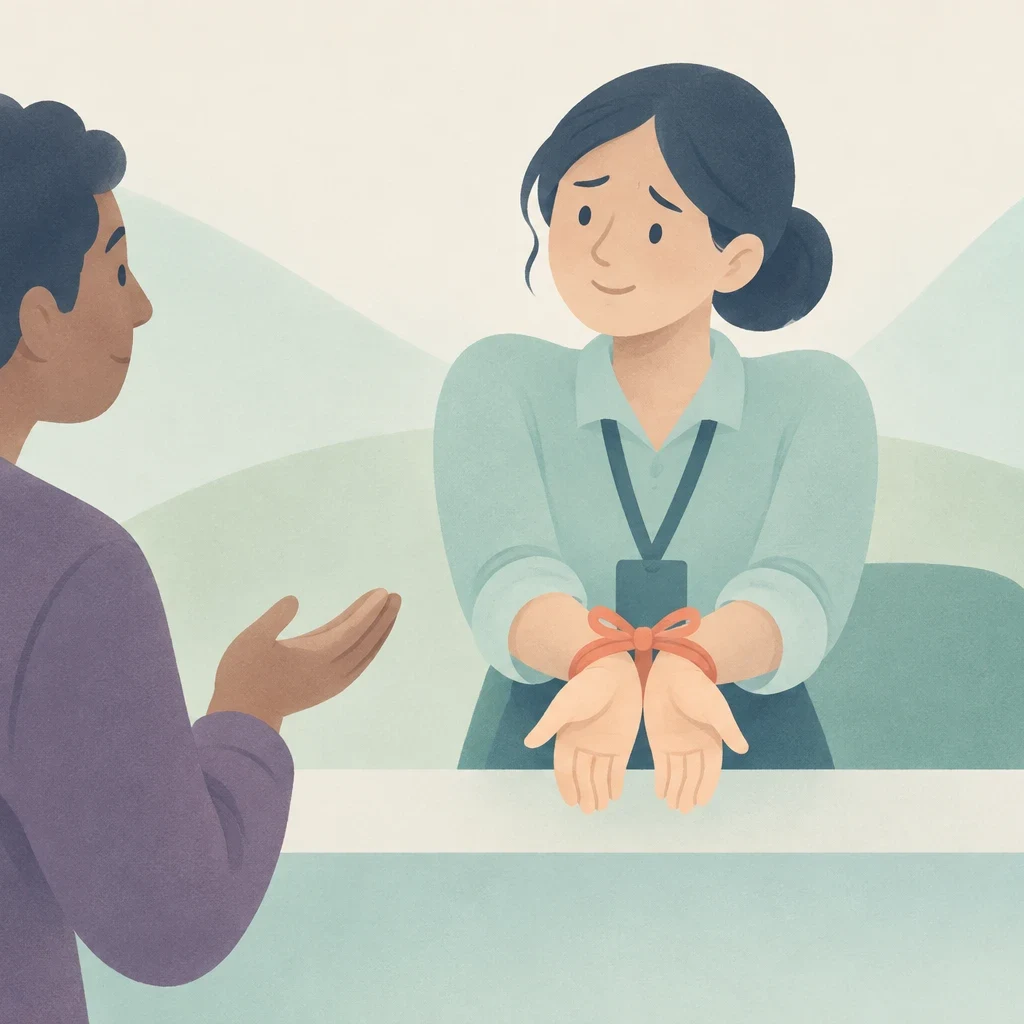
My hands are tied
A manager wants to approve your request, but company policy gives her no permission. Which phrase explains her lack of freedom to act?
Start listening
Off the top of my head
Someone asks for last year's exact sales figure, but you have no report in front of you. Which phrase can qualify your answer from memory?
Start listening
On the back burner
You still want to redesign the office, but an urgent customer problem must come first. Which phrase shows that the redesign is delayed, not abandoned?
Start listening
On thin ice
An employee has ignored two warnings and is late again. Which phrase shows that another mistake could bring serious consequences?
Start listening
Set your heart on
Your friend wants one particular university place so much that every alternative feels disappointing. Which expression describes that emotional commitment?
Start listening
Smooth sailing
The first stage was difficult, but every later step worked without delay or confusion. Which phrase describes that trouble-free progress?
Start listening
Take your mind off something
You are waiting anxiously for test results, and a funny film gives you two hours of relief. Which phrase describes this change of attention?
Start listening
On the line
A failed presentation could cost a manager her position. Which phrase shows that her job faces a serious risk?
Start listening
Out of the ordinary
A normally quiet street is filled with musicians at sunrise. Which phrase describes this noticeable departure from the usual pattern?
Start listening
Play it by ear
Tomorrow's picnic depends on unpredictable weather, so you will decide after seeing the sky. Which phrase describes that flexible approach?
Start listening
Pull your weight
Four people share a project, and each completes a reasonable part instead of leaving the work to others. Which idiom describes that fair contribution?
Start listening
Put into perspective
A cost sounds enormous until you learn it is less than one percent of the total budget. Which phrase describes what that comparison does?
Start listening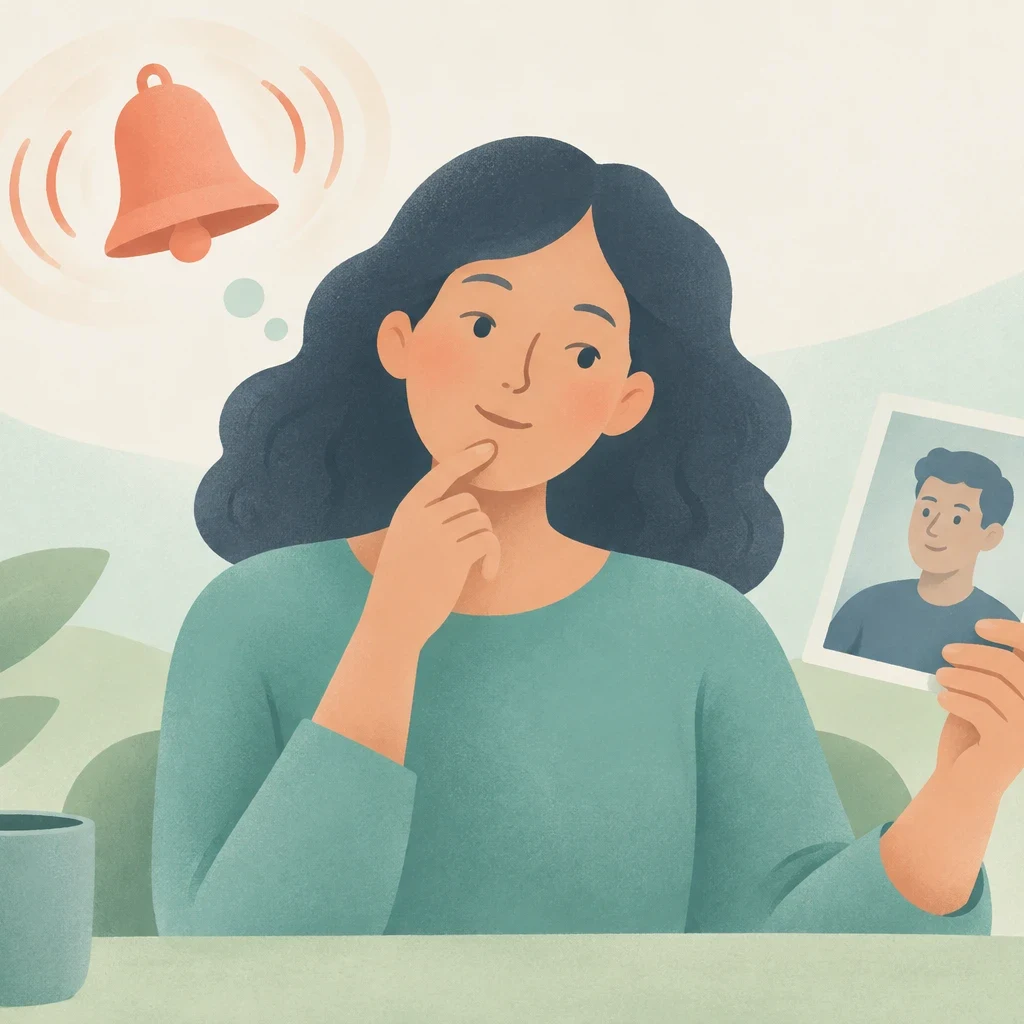
Ring a bell
You recognise a person's name but cannot remember where you heard it. Which phrase expresses that incomplete feeling of recognition?
Start listening
Spur of the moment
You pass a theatre, see two available tickets, and immediately decide to attend. Which phrase describes that sudden unplanned decision?
Start listeningWhat this family trains
What to practise
Choose an expression you want to understand. Read its meaning and examples, then try the first dictation free.
Recognise an expression inside a complete sentence. Listen once for the message, then replay to catch the words around the idiom.
Decide when the expression fits. Compare the examples and notes on tone before using it in a conversation of your own.
Why it is hard to hear
What to listen for
Words can run together in a recording. If the phrase is familiar on paper but hard to hear, compare one short part with the transcript, then replay without reading.
A literal interpretation may not fit the situation. Check who is speaking and what has happened before deciding what an idiom means.
Start here
Suggested starting points
Choose a level that fits you. You can return to the full list at any time.
-
Start at B1
Take it easy
Take it easy means to rest and avoid hard effort. It means to calm down and stop worrying. It also means goodbye between friends.
12 min · Open lesson → -
Then try C1
A matter of time
A new café is already popular, and you are confident it will need a bigger space, but you do not know when. Which phrase expresses that expectation?
12 min · Open lesson → -
Stretch at C2
On the line
A failed presentation could cost a manager her position. Which phrase shows that her job faces a serious risk?
12 min · Open lesson →
Level progression
From B1 to C2
Check the lesson count at each level before choosing where to start.
-
B1
1 lesson
Start with a familiar situation and a short sentence. Check the meaning before trying dictation.
-
B2
64 lessons
Compare expressions used at work and in everyday conversation. Pay attention to the words around the idiom.
-
C1
14 lessons
Use the tone and contrast notes to decide why one expression fits better than another.
-
C2
7 lessons
Look closely at implied meaning. Use the test to check exact wording after you understand the message.
Accent note
Compare the available voices
Choose from the accents shown for the current clip. Mixed changes the voice between clips where alternatives are available. To compare voices, replay the same sentence in another available accent.
Questions learners ask
Before you start
Should I learn idioms from a list?
A list can introduce useful expressions. Follow it with a complete example and a recording so you can connect the meaning with how the phrase sounds.
Why focus on one expression?
It gives you time to understand its meaning, compare situations, and hear it in more than one sentence before moving on.
Can I use every idiom at work?
Check the tone and usage notes first. An expression that fits a relaxed conversation may sound too casual or dismissive in a formal one.
What if I know the idiom but miss words?
Look at the marked words. You may have missed a sound, an ending, or a spelling detail. Replay that part, compare with the transcript, then try without reading.
Other families
Keep exploring
Phrasal verb listening practice
Study phrasal verbs in context. Check meaning and word order, then try a recorded sentence.
Explore this family →Micro-listenings: short English recordings
Practise following a short recording, then use dictation or gap-fill to check the details.
Explore this family →Grammar listening practice
Read a grammar pattern and its examples, then listen for the form in a complete sentence.
Explore this family →Word focus: meaning and use
Study a word in context. Compare meanings and common combinations, then practise listening.
Explore this family →English listening tips and advice
Practical guidance on replay, hints, transcripts, and reviewing the words you missed.
Explore this family →English slang: meaning and context
A collection for informal English, with attention to meaning, setting, and tone. Check the list for available lessons.
Explore this family →