Écoutes courtes en anglais
Un court enregistrement permet de travailler l’écoute par petites étapes. Cherchez d’abord le message principal, puis les détails qui vous ont échappé.


Reflexive Pronouns: Choose the Right Form
Commencer à écouter
Reflexive Pronouns: Rules and Examples
Commencer à écouter
Relative pronouns: choose the right word
Commencer à écouter
Renewing library items
A borrower has two books and one DVD, but only two items receive new due dates. What blocks the other renewal?
Commencer à écouter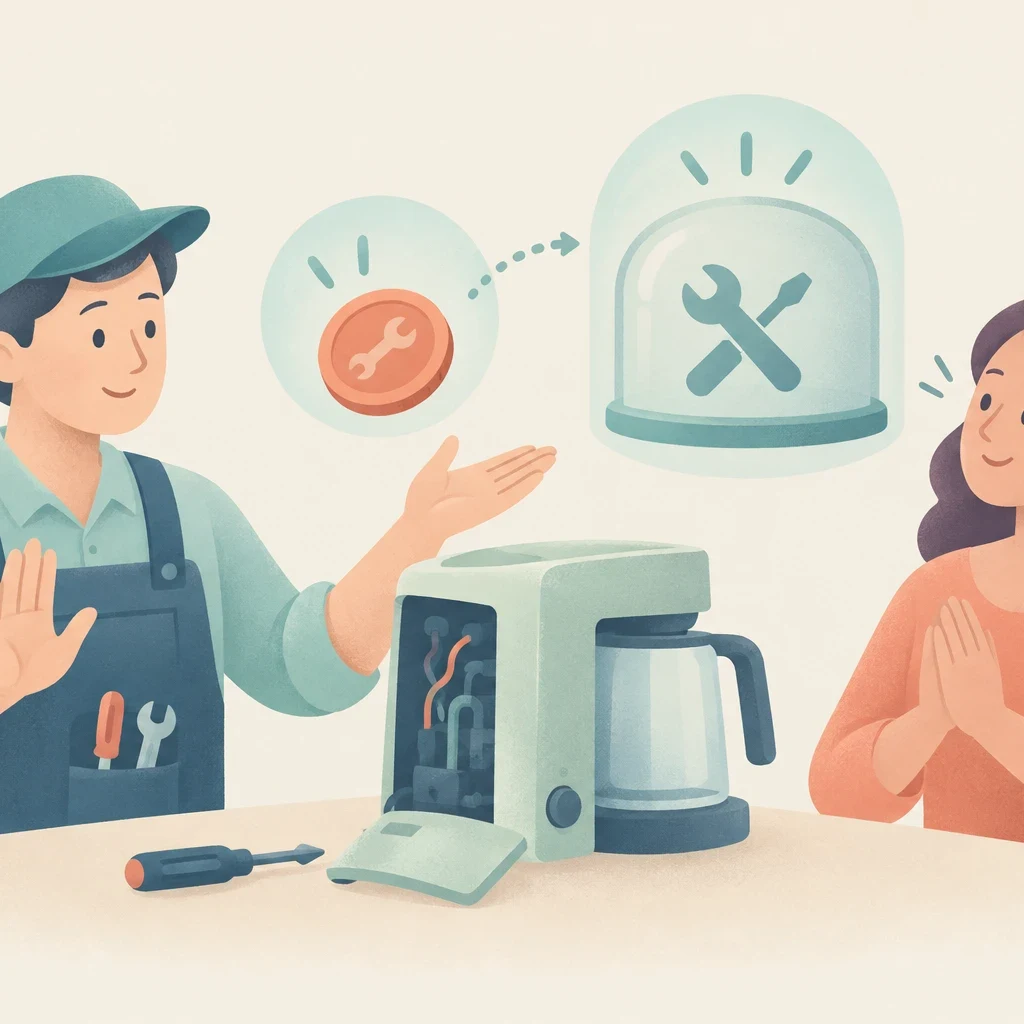
Repair inspection fee and quote
The technician mentions £35 and up to £120, but only one amount is definitely charged. Which cost needs permission first?
Commencer à écouter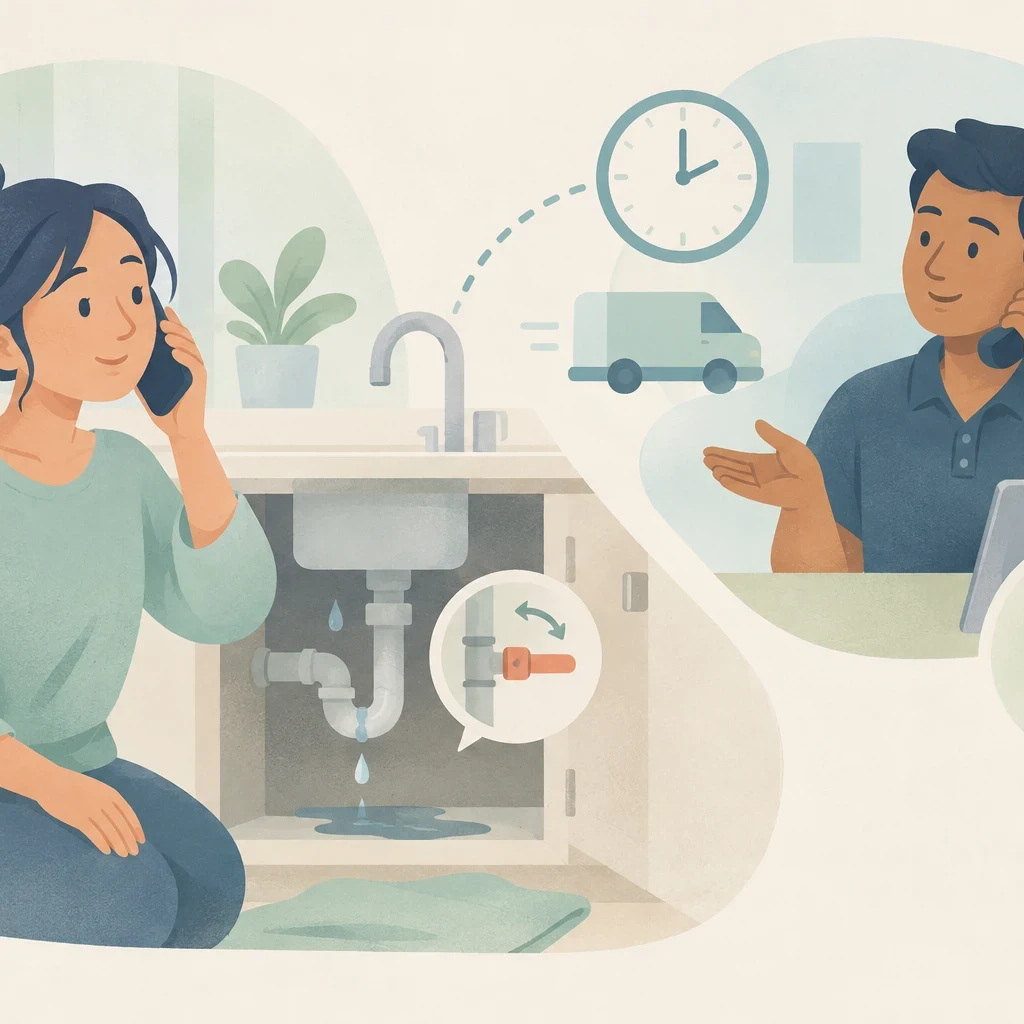
Reporting a home repair
A tenant reports water near an electrical fitting. Which detail makes the repair urgent, and what should happen before the contractor arrives?
Commencer à écouter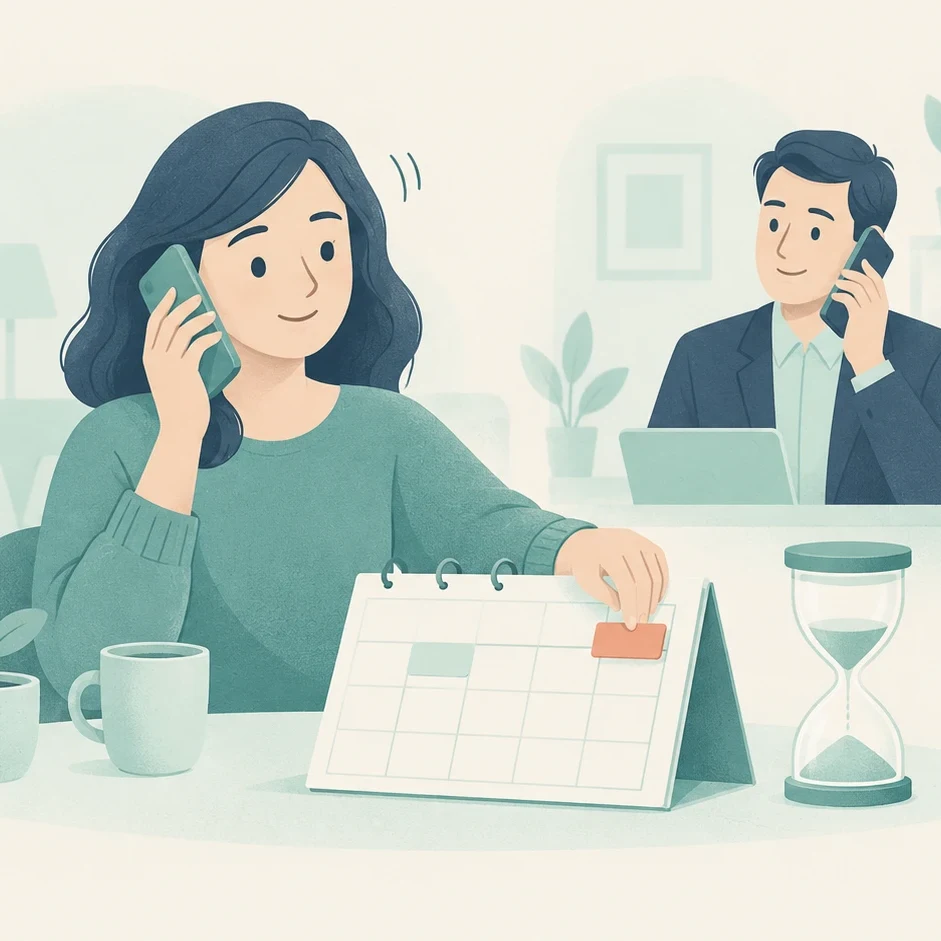
Rescheduled interview voicemail
An employer changes both the day and format of an interview, then asks for confirmation. Which original details no longer apply?
Commencer à écouter
Resume experience lines: write clear bullet points
Commencer à écouter
Returning an online order
A customer can return a faulty item even without its original box, but several other conditions still apply. Which requirements remain?
Commencer à écouter
Returning faulty headphones
The headphones work on one side, the paper receipt is missing, and the customer considers two remedies. Which solution is agreed?
Commencer à écouter
Root words: understand word parts
Commencer à écouter
SMS English: Write Clear Short Texts
Commencer à écouter
Said or Told: Choose the Right Verb
Commencer à écouter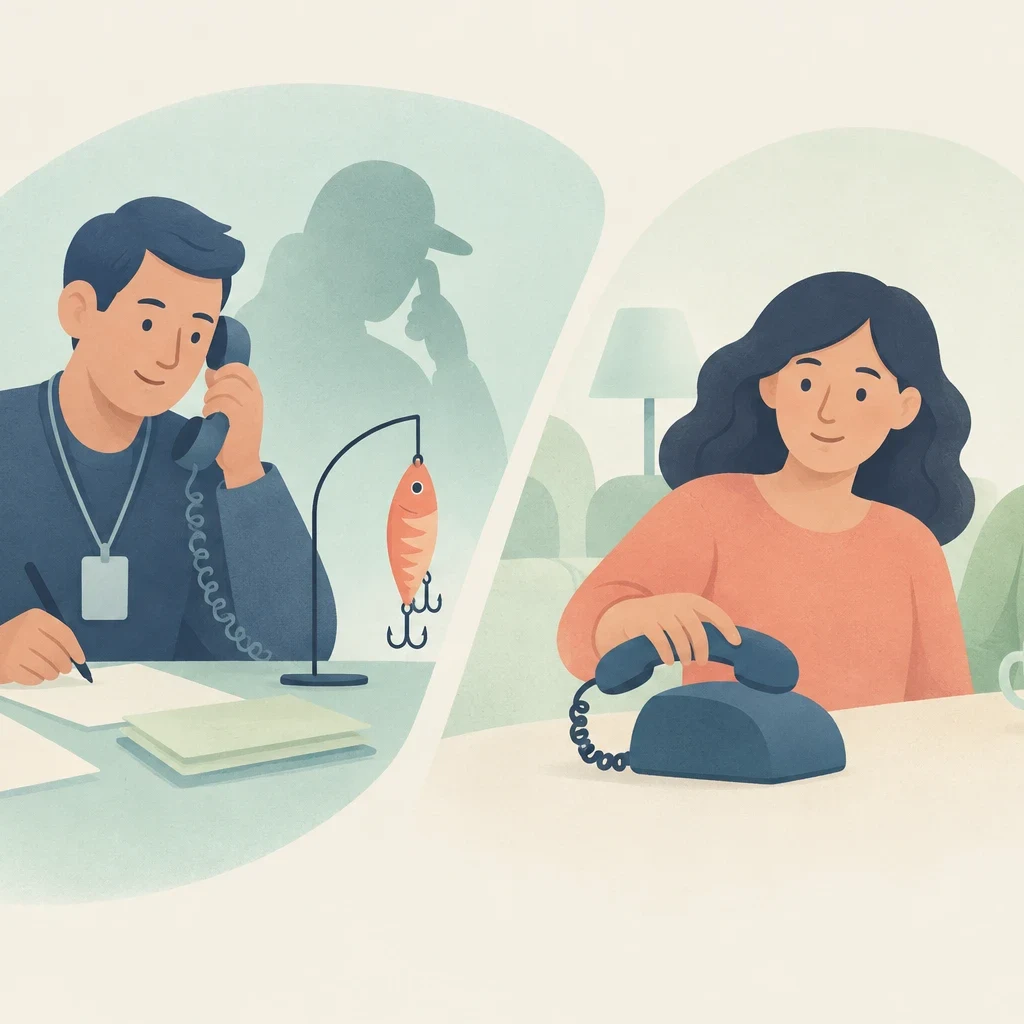
Scamming the scammers
The investigator replies to scammers, but says ordinary people should hang up. Why are those two actions not contradictory?
Commencer à écouter
Sentence fragments: repair and practice guide
Commencer à écouter
Setting Up a Café: Which Opposite Fits?
Commencer à écouter
Simple past tense: talk about finished events
Commencer à écouter
Since or For: Choosing Time Words
Commencer à écouter
Singular Nouns: One Person or Thing
Commencer à écouter
So or such: choose the right pattern
Commencer à écouter
Speak Clear English: Grammar for Daily Speech
Commencer à écouter
Speak English Online: Simple Daily Practice
Commencer à écouter
Speak English fluently: clear daily speaking steps
Commencer à écouter
Speaking in class: how to stay calm
Commencer à écouterCe que vous allez travailler
Les points à pratiquer
Choisissez un thème et un niveau. La consigne de chaque extrait précise s’il faut écrire tous les mots ou compléter les espaces.
Suivez le message sans vous arrêter à chaque mot inconnu. À la deuxième écoute, repérez les détails qui expliquent ce qui s’est passé.
Distinguez la compréhension du message et la restitution exacte. Vous pouvez avoir compris la situation et avoir encore besoin d’une écoute pour écrire les mots.
Ce qui peut vous échapper à l’oral
Les détails à écouter
Un extrait plus long demande de retenir davantage de mots. Utilisez la réécoute ou les commandes par phrase lorsqu’elles sont proposées, puis avancez passage par passage.
Dans un dialogue, repérez qui parle et le lien entre les réponses. Si une réplique vous surprend, réécoutez aussi celle qui la précède.
Pour commencer
Quelques points de départ
Choisissez le niveau qui vous convient. Vous pouvez revenir à la liste complète à tout moment.
Progresser par niveau
De B1 à C2
Consultez le nombre de leçons de chaque niveau pour choisir par où commencer.
- A1 3 leçons
- A2 39 leçons
-
B1
264 leçons
Choisissez un sujet connu. Retrouvez l’idée principale avant d’écrire les détails.
-
B2
92 leçons
Repérez les raisons, les changements de programme et les mots qui relient les idées.
-
C1
Aucune leçon pour le moment
Écoutez comment les personnes nuancent un propos ou suggèrent quelque chose indirectement.
-
C2
Aucune leçon pour le moment
Comparez les mots exacts au sens voulu, en tenant compte du ton et des sous-entendus.
À propos des accents
Comparez les voix disponibles
Choisissez parmi les voix de chaque extrait. Un enregistrement long peut proposer moins d’accents qu’une courte dictée : vérifiez l’étiquette avant l’écoute.
Vos questions
Avant de commencer
Pourquoi écouter des extraits courts ?
Vous pouvez reprendre un passage difficile et le comparer à la transcription dans une séance courte. Utilisez aussi des documents plus longs pour vous entraîner à suivre un message développé.
Faut-il écrire tout l’enregistrement ?
Suivez la consigne au-dessus du champ de réponse. En dictée, écrivez les mots entendus. Dans un texte à trous, écrivez seulement les mots manquants.
Peut-on ralentir l’audio ?
Choisissez 0.75× pour une écoute plus lente. Quand le passage difficile devient clair, reprenez-le à 1×.
Que signifie le numéro dans un titre de leçon ?
Il identifie la leçon dans la collection MicroEnglish d’origine. Ce n’est ni un score ni un niveau de langue. Pour choisir votre difficulté, consultez le niveau indiqué.
Autres catégories
Poursuivez votre découverte
Expressions idiomatiques anglaises à écouter
Comprenez le sens des expressions grâce aux exemples, puis reconnaissez-les à l’oral avec des dictées corrigées mot à mot.
Voir cette catégorieVerbes à particule anglais : exercices d’écoute
Étudiez le sens et la place des mots dans les verbes à particule, puis entraînez-vous avec une phrase enregistrée.
Voir cette catégorieGrammaire anglaise : reconnaître les formes à l’oral
Lisez la règle et ses exemples, puis entraînez-vous à reconnaître la forme dans une phrase enregistrée.
Voir cette catégorieLes mots anglais en détail : sens et emploi
Étudiez un mot en contexte, comparez ses sens et ses associations courantes, puis exercez votre écoute.
Voir cette catégorieConseils pour mieux écouter l’anglais
Apprenez à utiliser les réécoutes, les indices et les transcriptions, puis à revoir les mots que vous avez manqués.
Voir cette catégorieArgot anglais : sens et situations d’emploi
Explorez l’anglais informel en tenant compte du sens, de la situation et du ton. Consultez les leçons disponibles dans la collection.
Voir cette catégorie
