Phrasal verb listening practice
Changing the small word after a verb can change its meaning. Listen to the whole phrase, then check how the words fit together.

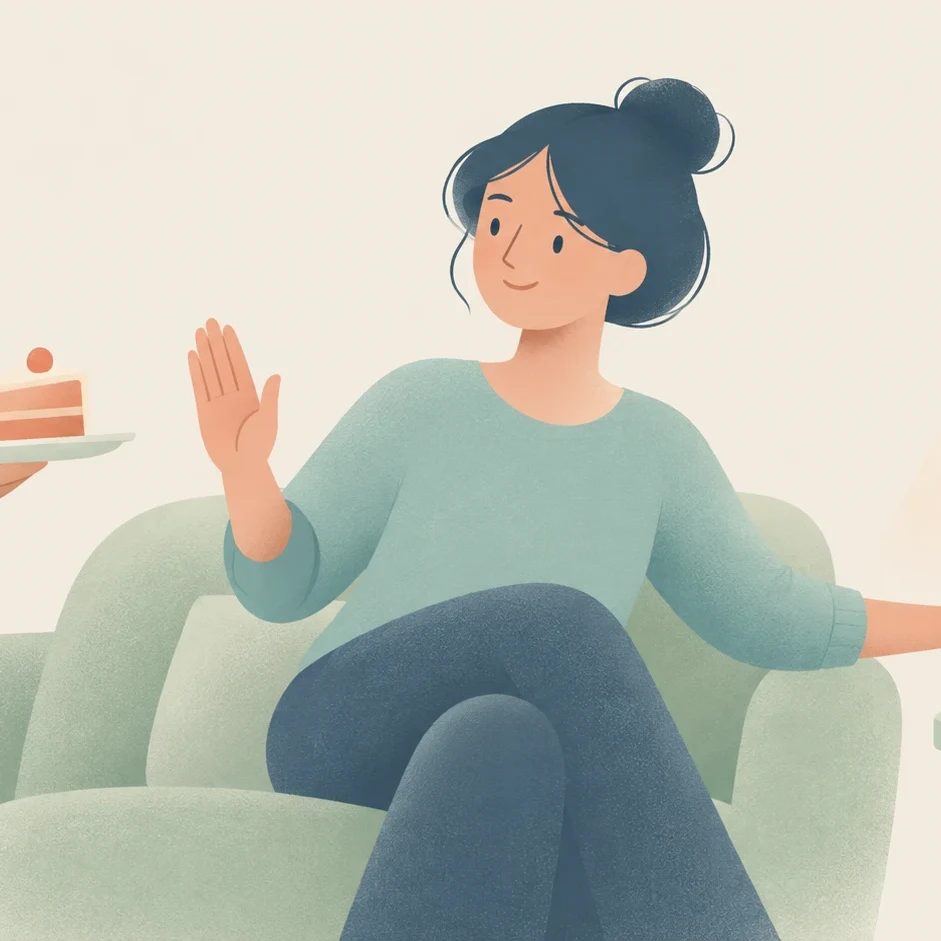
Turn down
You can turn down a job because it is unsuitable, or turn down the music because it is too loud. One reduces an opportunity; the other reduces a level.
Start listening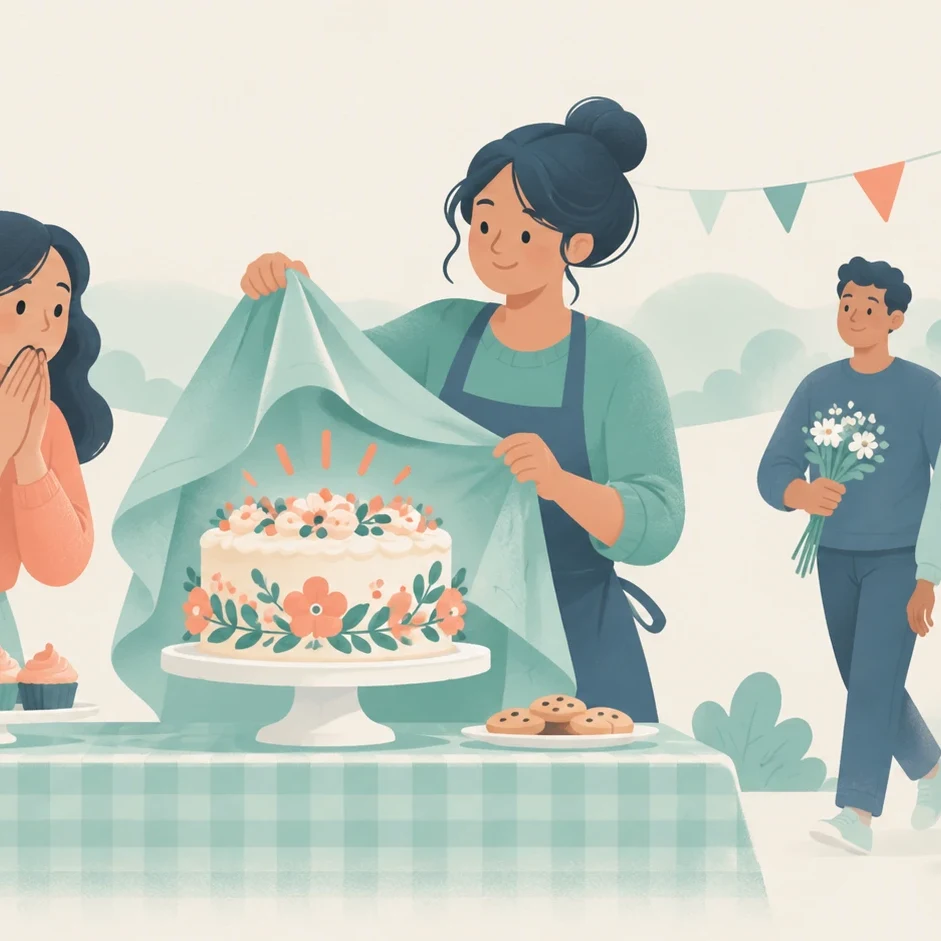
Turn out
A difficult recipe can turn out well, and a rumour can turn out to be false. The phrase often reveals a final result that was uncertain or surprising.
Start listening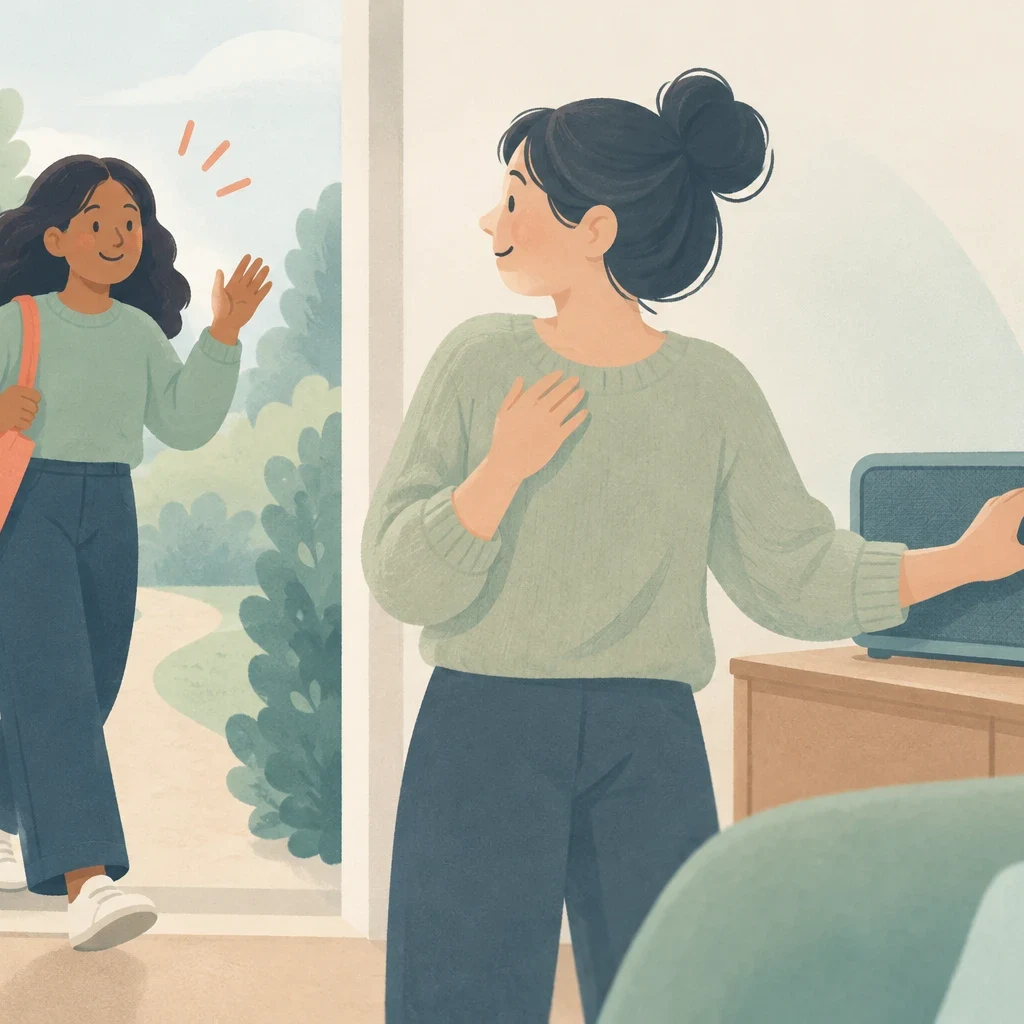
Turn up
A late guest can turn up at your door, lost keys can turn up under a sofa, and you can turn up the heating. Context separates arrival, discovery and a higher level.
Start listening
Work out
You can work out a bill, work out why a device failed, work out at the gym, or hope a plan works out. The object and subject reveal the meaning.
Start listeningWhat this family trains
What to practise
Use the examples to understand a meaning and its word order. Try dictation to hear that pattern in a sentence.
Notice the whole expression, including words such as up, off, and out. Use the sentence to decide which meaning fits.
Check where the object goes. With a separable verb, a short object such as it goes between the verb and the particle. Other expressions stay together.
Why it is hard to hear
What to listen for
The small word after a verb is not always quiet. Listen to the actual recording instead of assuming where the strongest beat will fall.
Recognising the verb alone may not be enough. If the sentence is unclear, replay the words that follow it and check them against the example.
Start here
Suggested starting points
Choose a level that fits you. You can return to the full list at any time.
-
Start at B1
28 Phrasal Verbs With Take
Take off, take over and take up share one short verb but describe very different actions. Grouping them by idea makes the expressions easier to retrieve than learning a random list.
12 min · Open lesson → -
Next at B1
Add up
A colleague says the receipts add up, but the explanation does not. The same two words describe two very different judgements.
12 min · Open lesson → -
Next at B1
Back down
A manager changes a policy after staff challenge it. She does not move backwards, but people say she backed down.
12 min · Open lesson →
Level progression
From B1 to C2
Check the lesson count at each level before choosing where to start.
-
B1
76 lessons
Choose an everyday verb. Learn one useful meaning and practise its basic word order.
-
B2
No lessons yet
Compare meanings in different situations. Notice when a change of object changes the message.
-
C1
No lessons yet
Compare the expression with a more formal alternative, using the lesson notes to judge the setting.
-
C2
No lessons yet
Follow the expression through longer clauses. Keep track of the verb, its small word, and its object.
Accent note
Compare the available voices
The available recordings are listed in each lesson. Compare the same clip in another accent when offered, but keep its word order and meaning in view.
Questions learners ask
Before you start
Which level should I start with?
Use the level filter to find a suitable lesson. Start lower if you need support with the meaning or word order, even if you usually study at a higher level.
Do I need every meaning at once?
Start with the meaning used in the example. If the guide compares other meanings, study the object and situation that distinguish them.
Can I use a one-word verb instead?
Sometimes. Check both meaning and tone: a one-word alternative can be useful, but it does not always fit the same sentence or situation.
How do I practise object position?
Read the pattern and example, then close the transcript and write the sentence you hear. Check the position of short words such as it and them.
Other families
Keep exploring
English idioms and listening practice
Read meanings and examples, then practise hearing idioms with dictation and word-by-word feedback.
Explore this family →Micro-listenings: short English recordings
Practise following a short recording, then use dictation or gap-fill to check the details.
Explore this family →Grammar listening practice
Read a grammar pattern and its examples, then listen for the form in a complete sentence.
Explore this family →Word focus: meaning and use
Study a word in context. Compare meanings and common combinations, then practise listening.
Explore this family →English listening tips and advice
Practical guidance on replay, hints, transcripts, and reviewing the words you missed.
Explore this family →English slang: meaning and context
A collection for informal English, with attention to meaning, setting, and tone. Check the list for available lessons.
Explore this family →