
English for work and meetings
Practice expressions used to talk about work, projects and other people. Try each recording before opening the explanation.
Showing 55–72 of 116 lessons
-

Prose or poetry: telling them apart
Prose refers to spoken or written language in its ordinary grammatical form, organized into sentences and continuous paragraphs without deliberate line breaks. Novels, essays, emails, and biographies are written in prose. Poetry refers to literary work composed in lines and stanzas, where line breaks, rhythm, and sound patterns actively influence how the reader interprets each idea. Neither form is superior; they simply organize language for different reading experiences.
-

benevolent meaning: kind people and actions
Benevolent is a formal adjective describing a person, group, or action characterized by kindness, generosity, and goodwill. It also designates organizations established specifically to help people in need, as well as facial expressions or gestures that project warm, calm reassurance.
-
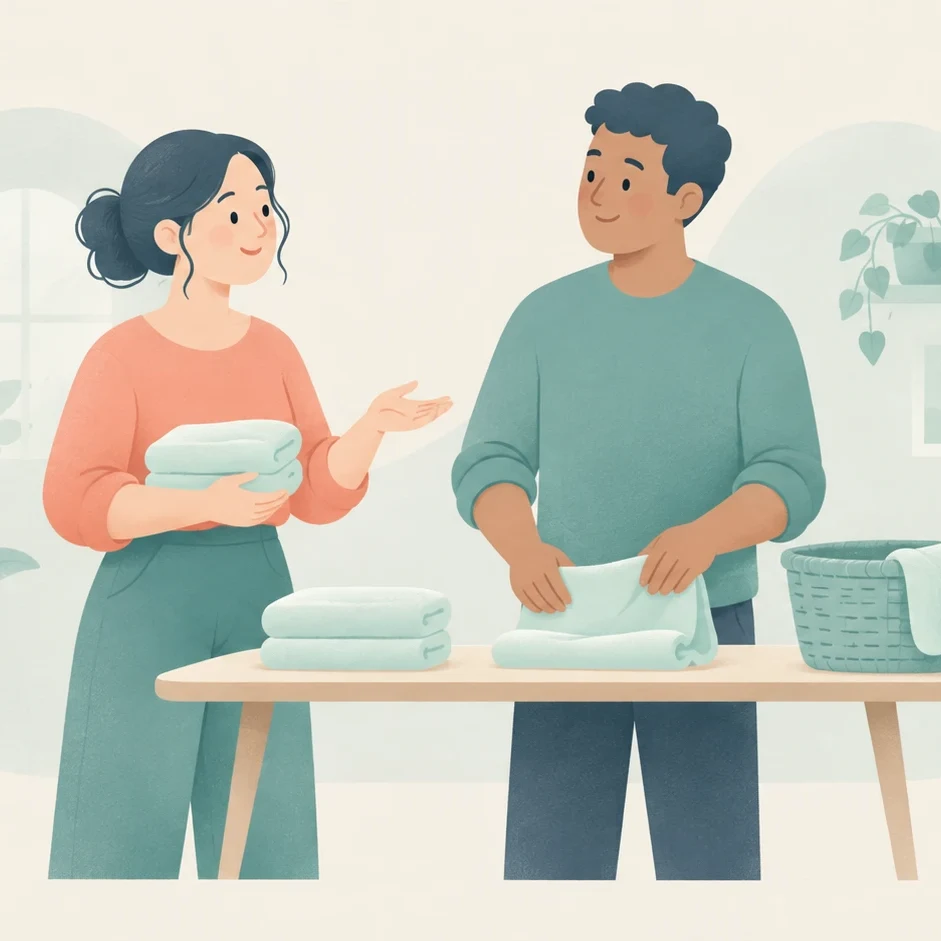
housewife vs homemaker: what is the difference
A housewife is traditionally a married woman whose primary daily occupation is managing her home and family. In contrast, a homemaker is an adult of any gender and relationship status who oversees domestic life and maintains a household. The word housewife highlights marriage and female gender, whereas homemaker focuses strictly on the work of household management without specifying demographic details.
-

Dairy or Diary: How to Choose
Dairy names milk and food items made from milk, such as yogurt, butter, and cheese. It can also describe a business that bottles milk. A diary is a private book or digital record where you record daily events, personal thoughts, or schedule commitments.
-

Simple present tense: rules and practice
The simple present expresses regular routines, general facts, and ongoing states. A routine does not need to happen every day; an action that happens once a month or on weekends uses this tense. It also describes stable conditions such as where you live, what you like, and how things work.
-

Present perfect progressive: how to use have been working
The present perfect progressive emphasizes the continuous nature, duration, or recent completion of an action that affects the present moment. Unlike simple forms that focus on finished products or counted quantities, this form focuses on the work itself and the time spent doing it.
-
Membership
Open every lesson free for 7 days
- 814 lessons with dictation and listening tests
- Three accents: British, American and Australian
- Your progress is saved
No card needed. Then from $7.50 a month if you want to keep going.
Start free trial -
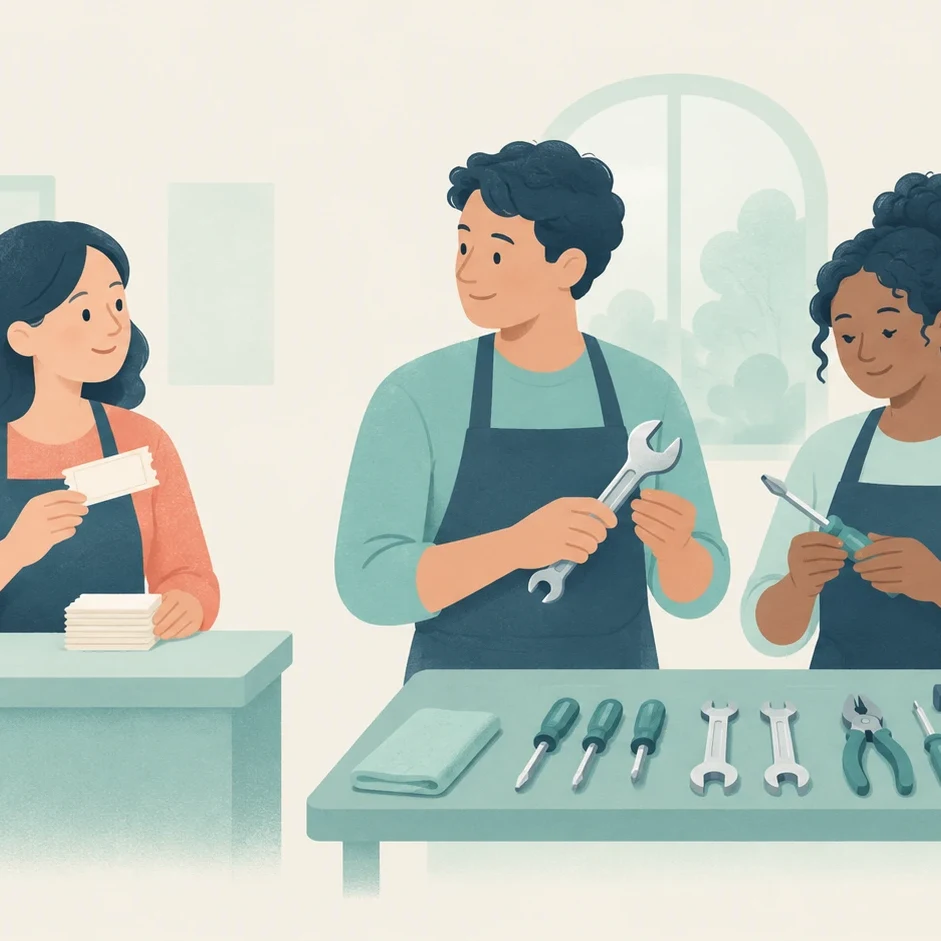
Choose the verb that fits the subject
Subject-verb agreement means choosing a verb form that matches its subject. With most verbs in present-tense statements, he, she, it, and a singular noun take an ending such as s: the machine works. Plural nouns use the base form: the machines work.
-
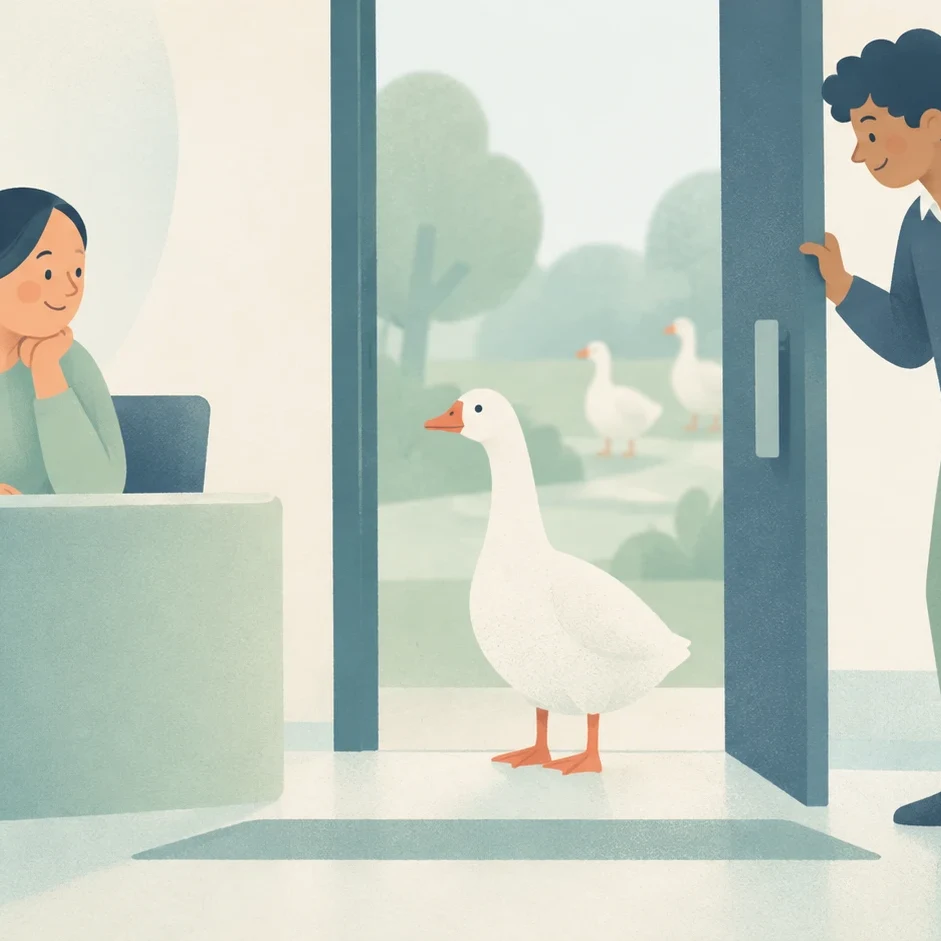
A Goose at the Office Door
Goose refers to a single bird. Geese refers to two or more of those birds. The standard plural form is geese. The form gooses is incorrect for the plural of the bird.
-
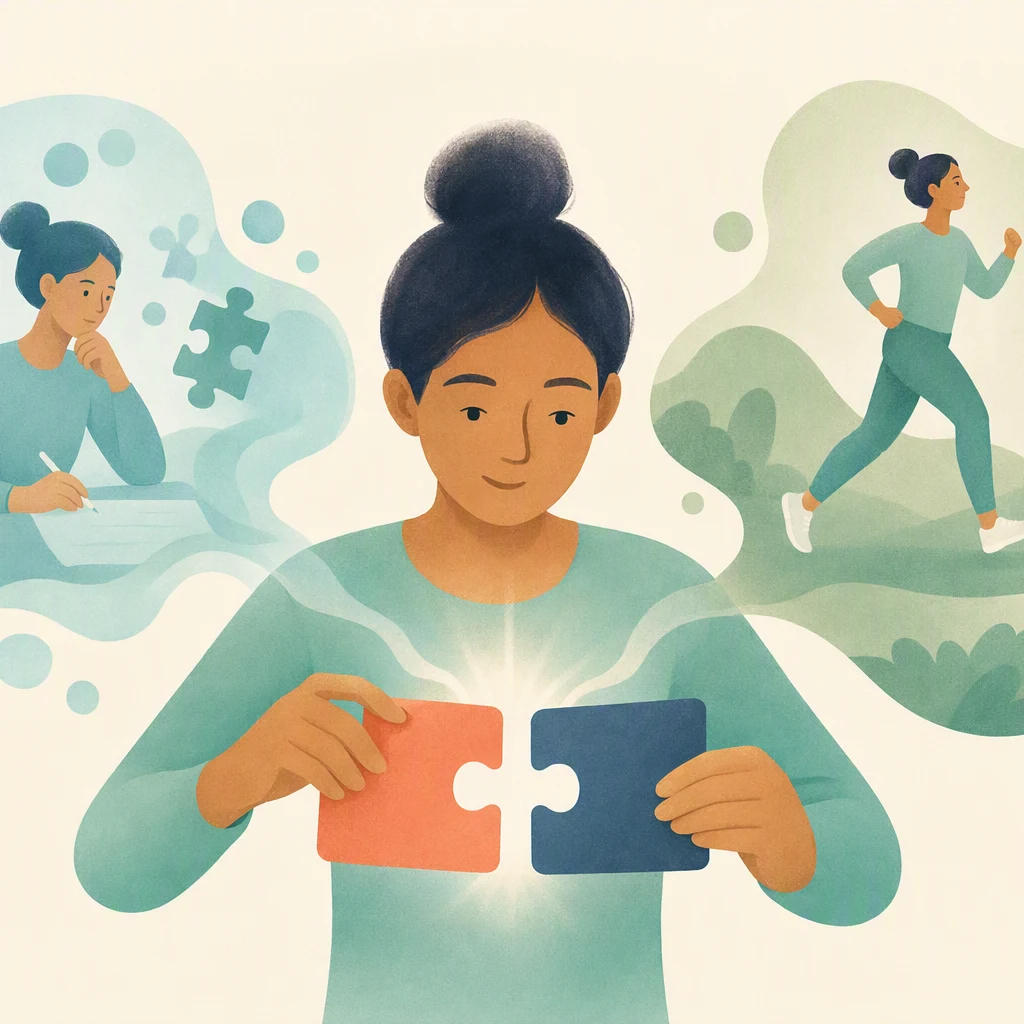 Video · 9 min
Work out
Work out can mean calculate an amount, find an answer through thought, exercise, or develop in a particular way. The surrounding sentence tells you which meaning fits.
-
Turn out
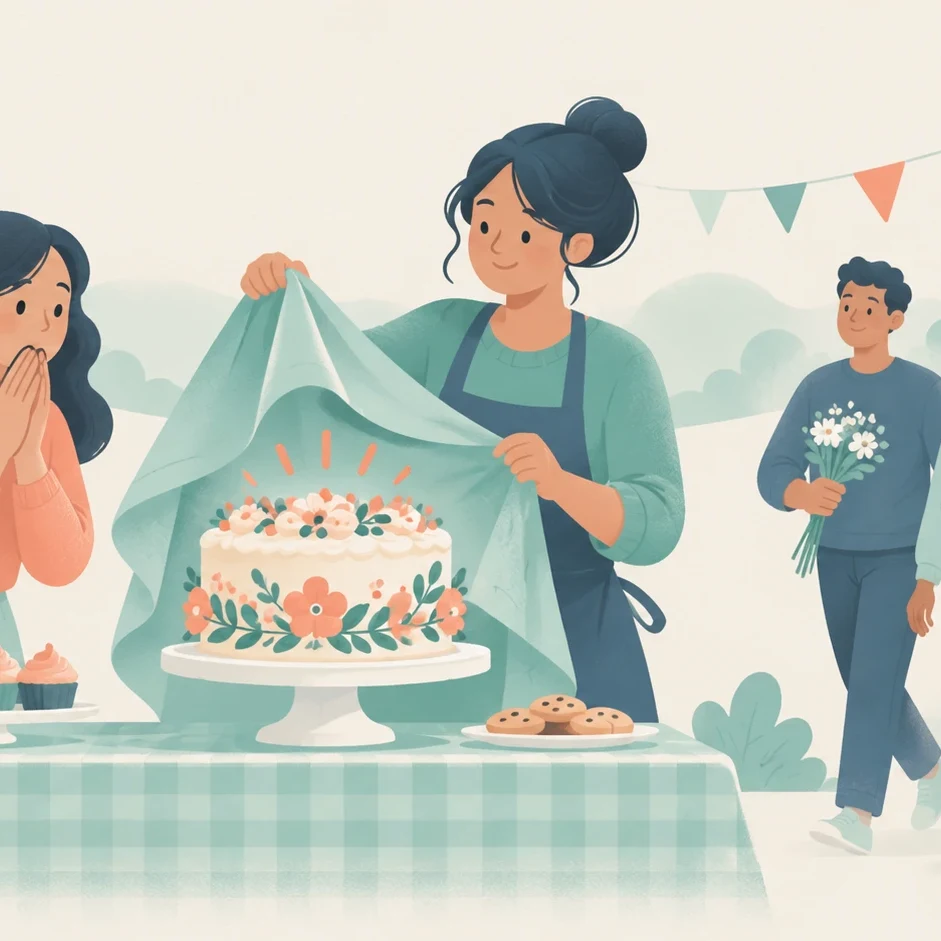
'Turn out' functions as a phrasal verb with three primary everyday uses. First, it describes how an activity, project, or event finally ends, typically paired with adverbs like 'well', 'badly', or 'fine'. Second, it reveals a newly discovered identity or truth, using 'turn out to be' or 'it turns out that'. Third, it describes attendance, showing that people gathered to participate in an organized public activity or community event.
-
Sign up
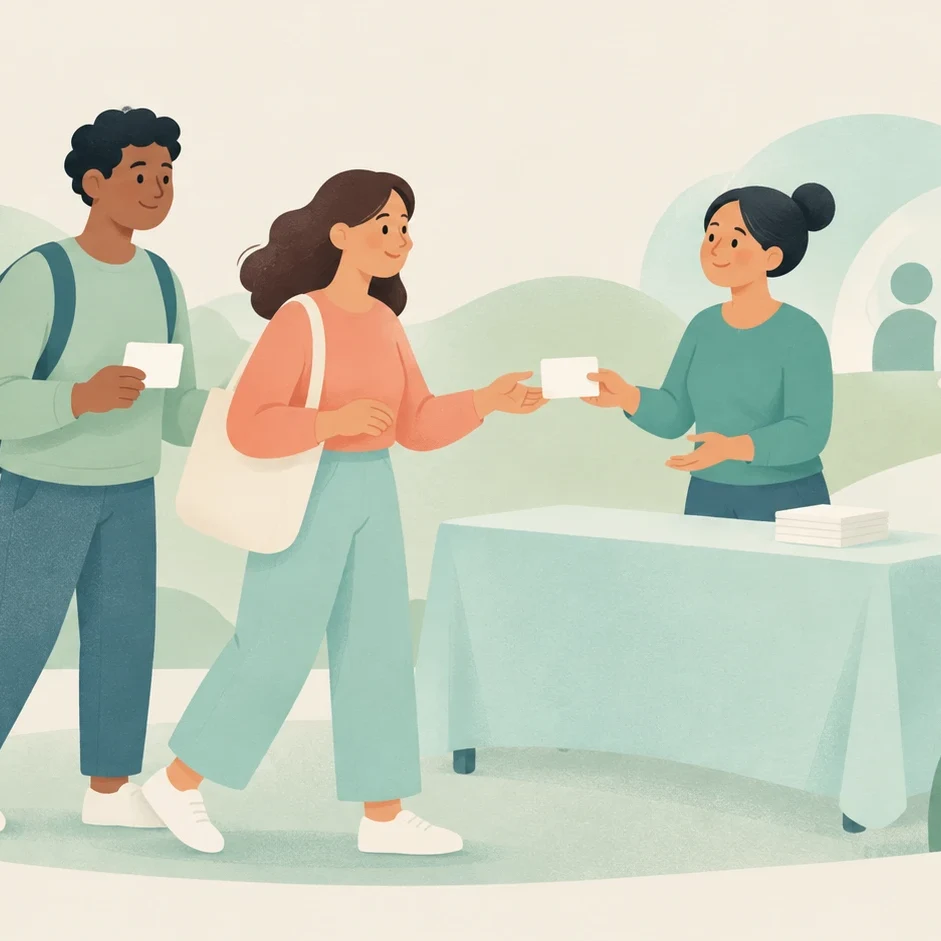
Sign up means to officially register your intention to join an activity, group, or service, or to agree to complete a volunteer task. It indicates an intention to participate rather than attendance, completed work, or payment.
-

Run into
Run into has four common meanings: meeting an acquaintance by chance, encountering an obstacle or difficulty, physically colliding with an object or vehicle, and reaching a large total amount.
-
Pull out
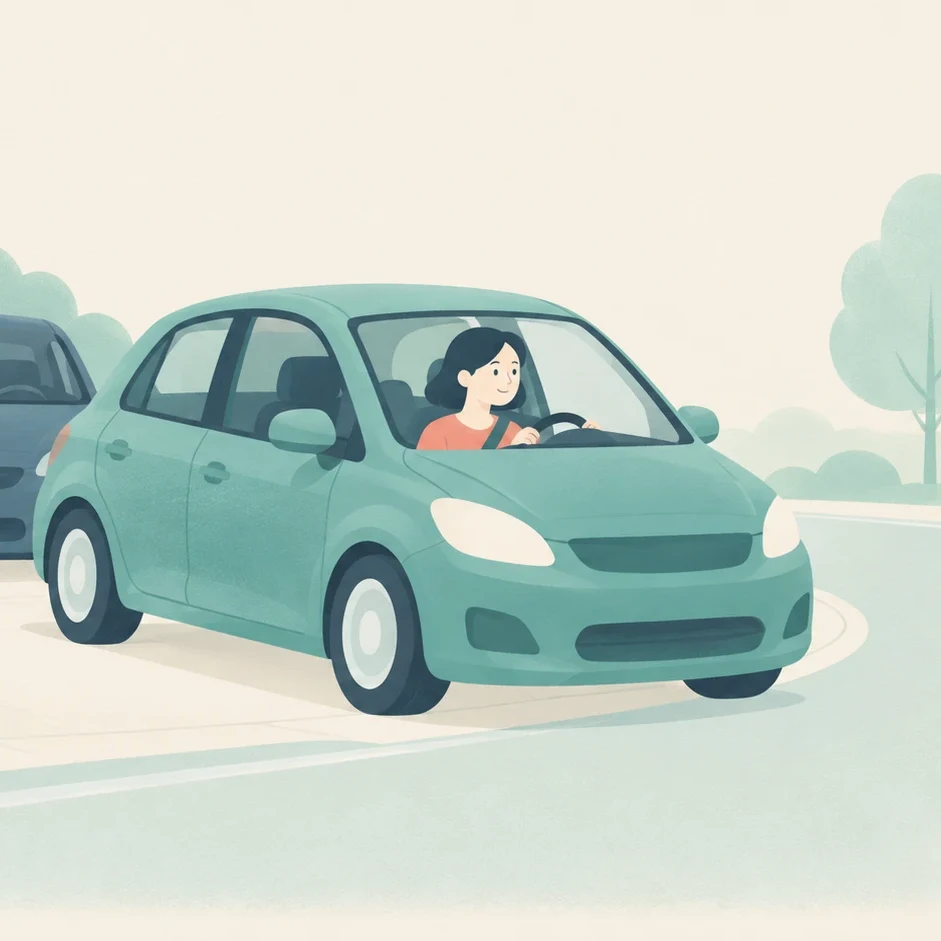
Pull out describes leaving an agreement or group project, removing a person or item from a situation, or moving a vehicle away from the curb into traffic.
-
 Video · 7 min
Make up
Make up means to invent an explanation or story, to become friendly again after an argument, to form a whole from smaller parts, or to complete missed work or time later.
-

Get together
Get together means meeting and spending time with other people, usually socially and often by arrangement. Informally, when used about two people with explicit relationship clues, it can also mean beginning a romantic partnership.
-
Get out of something
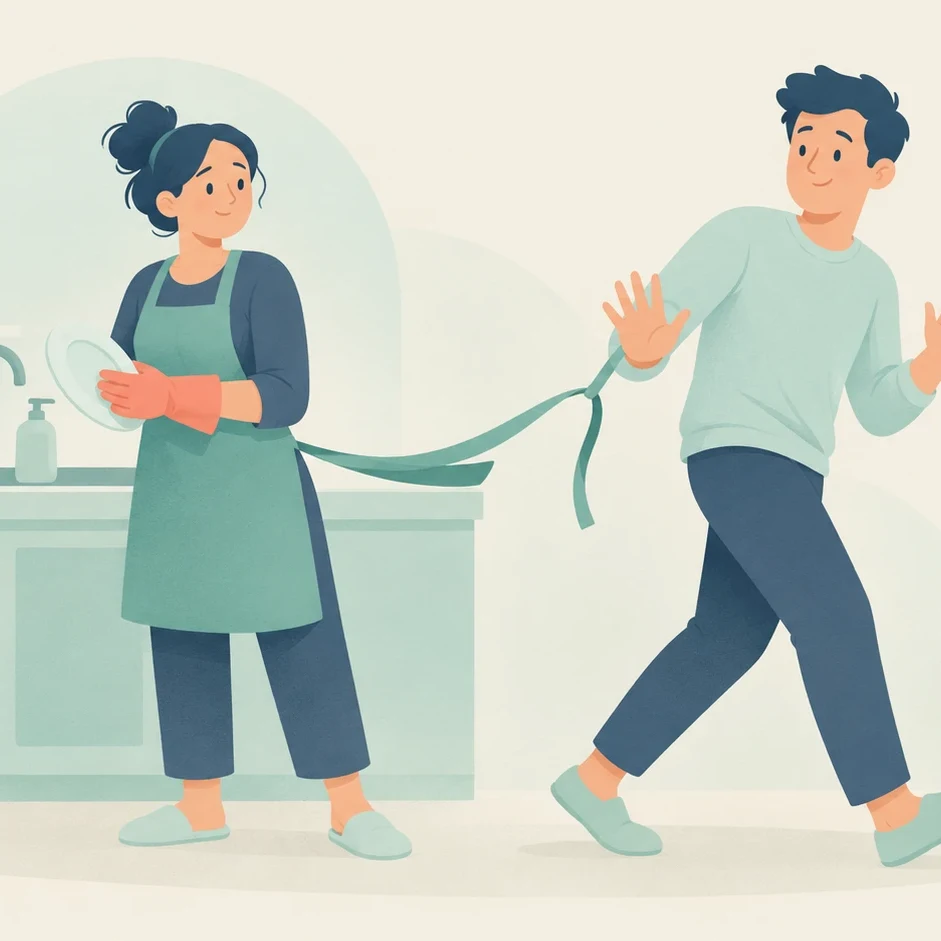
To get out of something means to avoid an expected obligation, duty, or task so that you do not have to do it. When expanded to 'get out of the habit of doing something', it means to stop a repeated behavior or regular routine over time.
-

Chip away
Chip away literally describes breaking off tiny pieces from a hard surface with repeated small strikes. In everyday figurative use, chip away at describes making steady progress against a large task or slowly diminishing a quantity, feeling, or barrier through small efforts over time. It shows that the target is diminishing, but it does not claim that the work is finished.
-

Catch up
Catch up describes closing a distance or gap. It means reaching someone ahead of you, reaching an expected level of skill or progress, completing tasks you missed, or sharing recent personal news with someone after time apart.
Not ready for a trial? Get a free lesson every day
Get one short dictation by email each day for 7 days. You can practice wherever you are, without an account.
Can't find a lesson on what you need?
Lesson requests come with membership.
See membership