English idioms and listening practice
You may know every word in an idiom and still miss what the speaker means. Start with the situation, then listen for the phrase as a whole.


The final straw
The train is repeatedly late, crowded, and unreliable. One more cancellation finally makes a commuter decide to drive instead.
Start listening
The upper hand
Two companies negotiate, but only one owns the technology both sides need. That advantage gives one side much greater control over the agreement.
Start listening
To bend over backwards
A colleague changes her schedule, calls three suppliers, and stays late to solve your problem. Saying she tried hard does not capture the extraordinary effort.
Start listening
To cut it fine
Your train leaves in twenty minutes, but the journey to the station normally takes eighteen. You might arrive, although almost nothing can go wrong.
Start listening
To get a word in edgeways
One person has talked for ten uninterrupted minutes. You have something useful to add, but every pause disappears before you can begin.
Start listening
To jump ship
A company loses its biggest clients, and several senior employees immediately accept jobs elsewhere. Their timing suggests more than an ordinary career change.
Start listening
To not lift a finger
Three people cook, carry boxes, and clean the room while a fourth person watches from the sofa. How do you emphasise that the watcher contributed nothing?
Start listening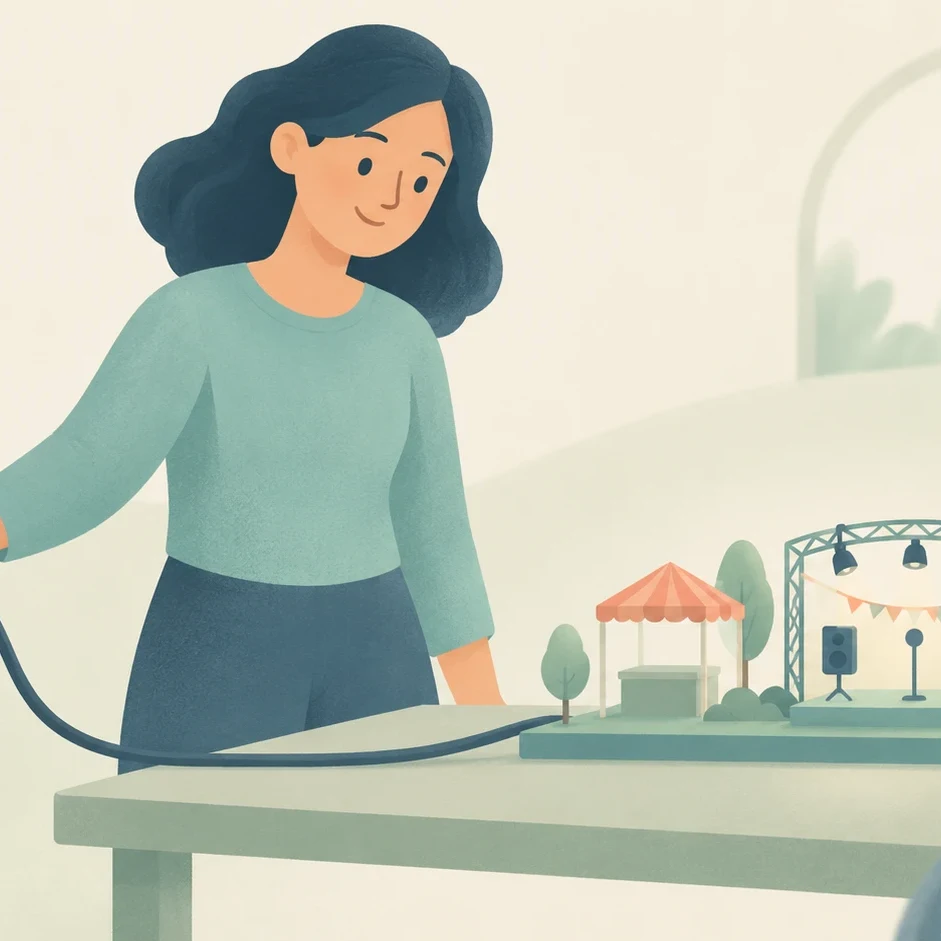
To pull the plug
A promising project keeps losing money. Its sponsor finally ends the funding, and the whole operation must stop immediately.
Start listening
To put someone on the spot
During a public meeting, someone unexpectedly asks you to choose which colleague should lose their budget. Everyone waits for your immediate answer.
Start listening
Torn between
One job offers meaningful work near your family. Another offers better pay in a city you love. Both choices matter, and neither feels easy.
Start listening
Touch a nerve
A casual remark about school closures suddenly changes your friend's expression. You did not intend harm, but the subject connects with a painful experience.
Start listening
Up in the air
You may travel next month, but the dates, budget, and permission are undecided. The trip has not been cancelled, yet nothing is settled.
Start listening
Up to scratch
A report contains good ideas, but several figures are wrong and key evidence is missing. It is not terrible, although it cannot be accepted yet.
Start listening
Up to speed
You return after two weeks away. The project has changed, and you need the latest decisions before you can contribute confidently again.
Start listening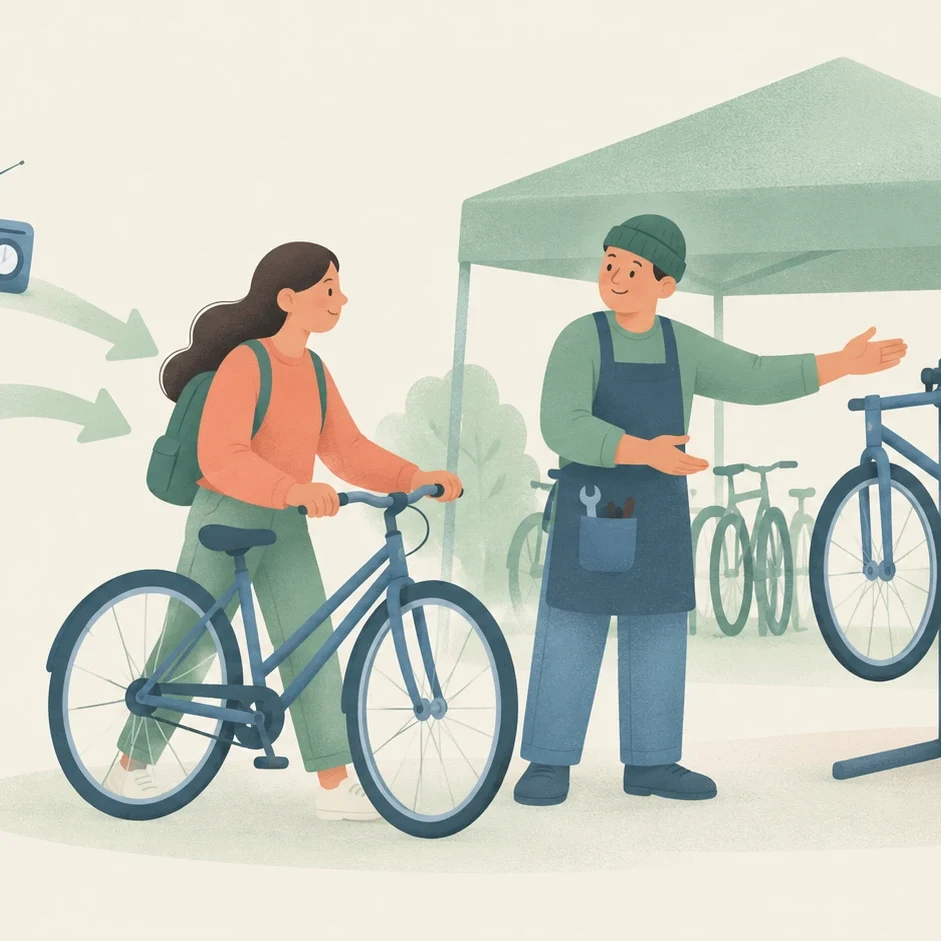
When it comes to
Your friend is generally relaxed, but money makes her extremely careful. You want to narrow a broad description to that one particular subject.
Start listening
Word of mouth
A tiny café buys no advertisements, yet every table is full because customers keep recommending it to friends and colleagues.
Start listeningWhat this family trains
What to practise
Choose an expression you want to understand. Read its meaning and examples, then try the first dictation free.
Recognise an expression inside a complete sentence. Listen once for the message, then replay to catch the words around the idiom.
Decide when the expression fits. Compare the examples and notes on tone before using it in a conversation of your own.
Why it is hard to hear
What to listen for
Words can run together in a recording. If the phrase is familiar on paper but hard to hear, compare one short part with the transcript, then replay without reading.
A literal interpretation may not fit the situation. Check who is speaking and what has happened before deciding what an idiom means.
Start here
Suggested starting points
Choose a level that fits you. You can return to the full list at any time.
-
Start at B1
Take it easy
Take it easy means to rest and avoid hard effort. It means to calm down and stop worrying. It also means goodbye between friends.
12 min · Open lesson → -
Then try C1
A matter of time
A new café is already popular, and you are confident it will need a bigger space, but you do not know when. Which phrase expresses that expectation?
12 min · Open lesson → -
Stretch at C2
On the line
A failed presentation could cost a manager her position. Which phrase shows that her job faces a serious risk?
12 min · Open lesson →
Level progression
From B1 to C2
Check the lesson count at each level before choosing where to start.
-
B1
1 lesson
Start with a familiar situation and a short sentence. Check the meaning before trying dictation.
-
B2
64 lessons
Compare expressions used at work and in everyday conversation. Pay attention to the words around the idiom.
-
C1
14 lessons
Use the tone and contrast notes to decide why one expression fits better than another.
-
C2
7 lessons
Look closely at implied meaning. Use the test to check exact wording after you understand the message.
Accent note
Compare the available voices
Choose from the accents shown for the current clip. Mixed changes the voice between clips where alternatives are available. To compare voices, replay the same sentence in another available accent.
Questions learners ask
Before you start
Should I learn idioms from a list?
A list can introduce useful expressions. Follow it with a complete example and a recording so you can connect the meaning with how the phrase sounds.
Why focus on one expression?
It gives you time to understand its meaning, compare situations, and hear it in more than one sentence before moving on.
Can I use every idiom at work?
Check the tone and usage notes first. An expression that fits a relaxed conversation may sound too casual or dismissive in a formal one.
What if I know the idiom but miss words?
Look at the marked words. You may have missed a sound, an ending, or a spelling detail. Replay that part, compare with the transcript, then try without reading.
Other families
Keep exploring
Phrasal verb listening practice
Study phrasal verbs in context. Check meaning and word order, then try a recorded sentence.
Explore this family →Micro-listenings: short English recordings
Practise following a short recording, then use dictation or gap-fill to check the details.
Explore this family →Grammar listening practice
Read a grammar pattern and its examples, then listen for the form in a complete sentence.
Explore this family →Word focus: meaning and use
Study a word in context. Compare meanings and common combinations, then practise listening.
Explore this family →English listening tips and advice
Practical guidance on replay, hints, transcripts, and reviewing the words you missed.
Explore this family →English slang: meaning and context
A collection for informal English, with attention to meaning, setting, and tone. Check the list for available lessons.
Explore this family →