Biblioteca de dictados
Inglés de Londres: colección histórica de lecciones
Lecciones de la colección original con acento de Londres. Esta etiqueta de archivo no identifica a un nuevo hablante; cada grabación indica su acento.
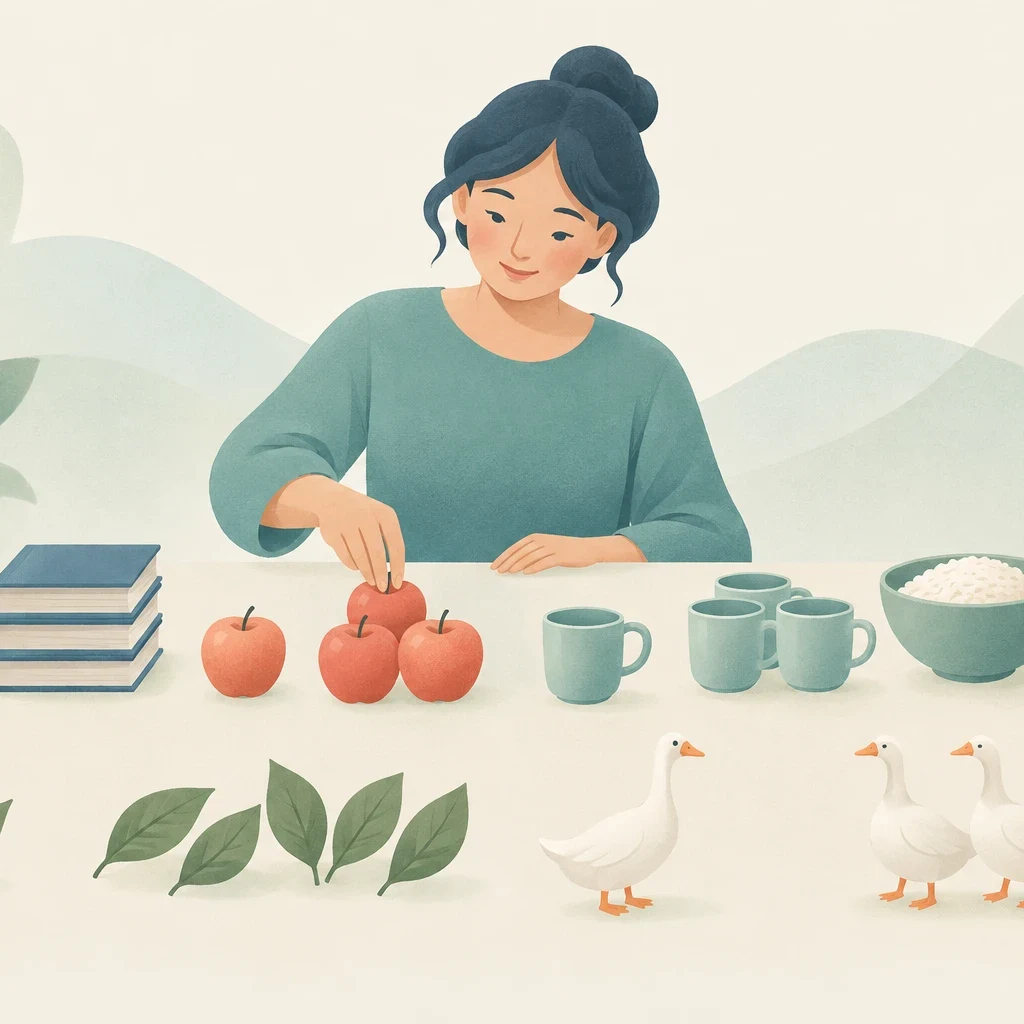
English Nouns: Rules for Everyday Use
Empezar a escuchar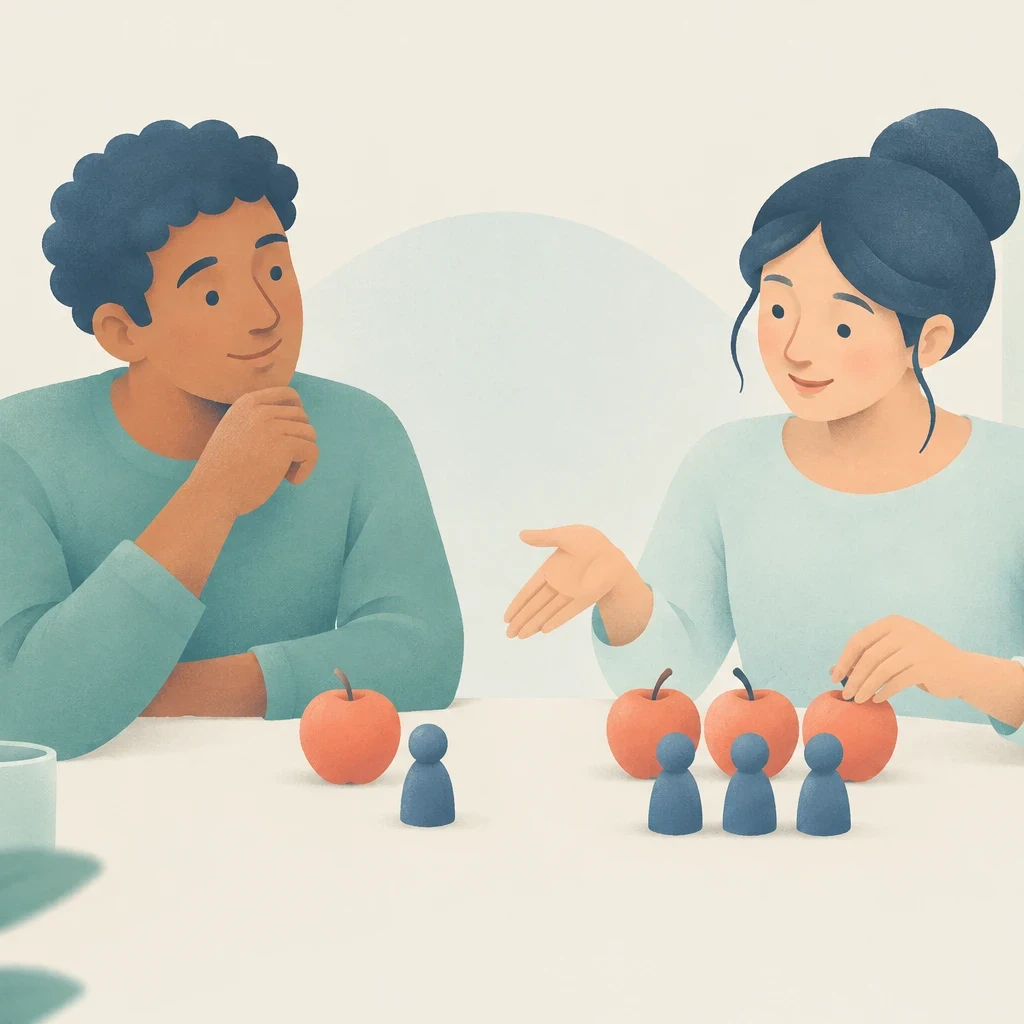
Have or Has: Choosing the Right Verb Form
Empezar a escuchar
Simple present tense: rules and practice
Empezar a escuchar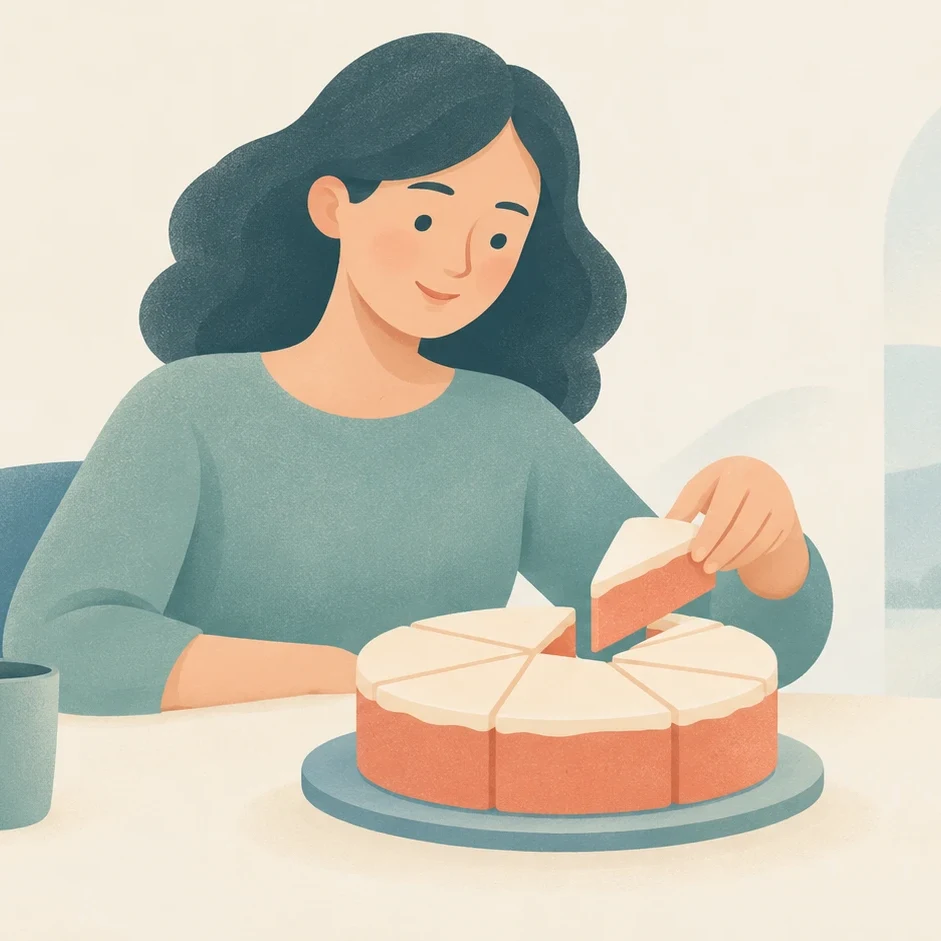
A piece of cake: meaning and common use
Empezar a escuchar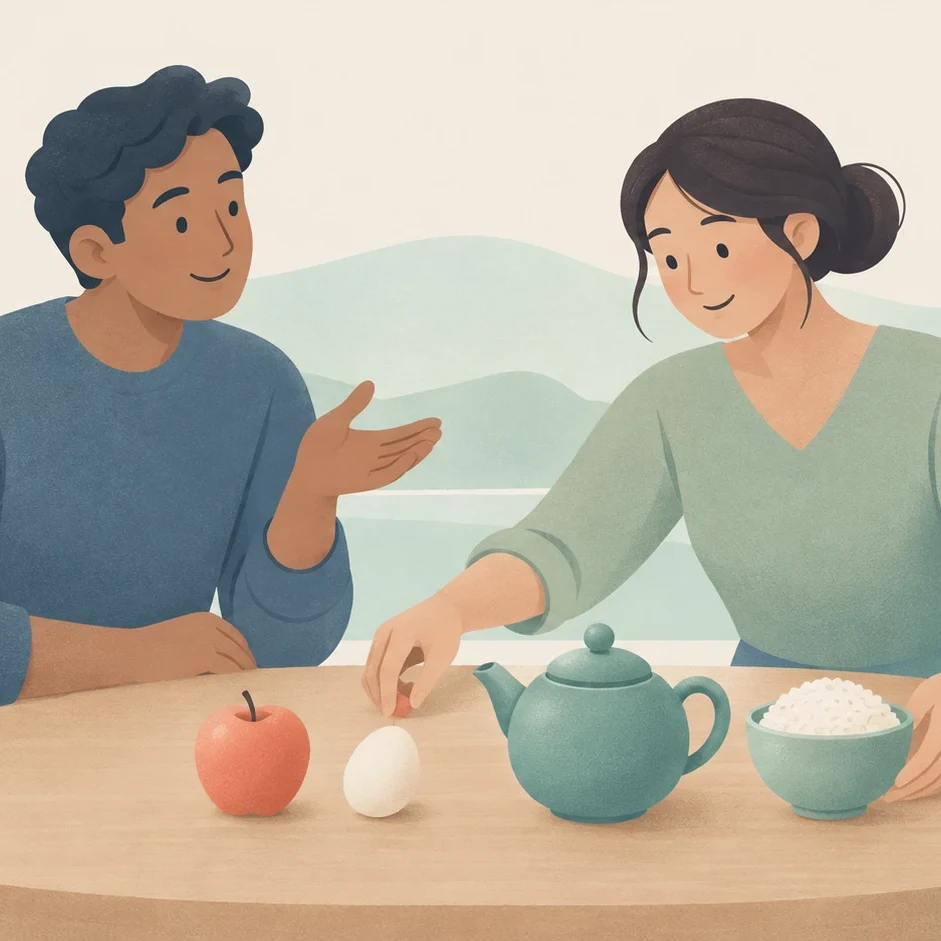
A, an, and the: clear everyday rules
Empezar a escuchar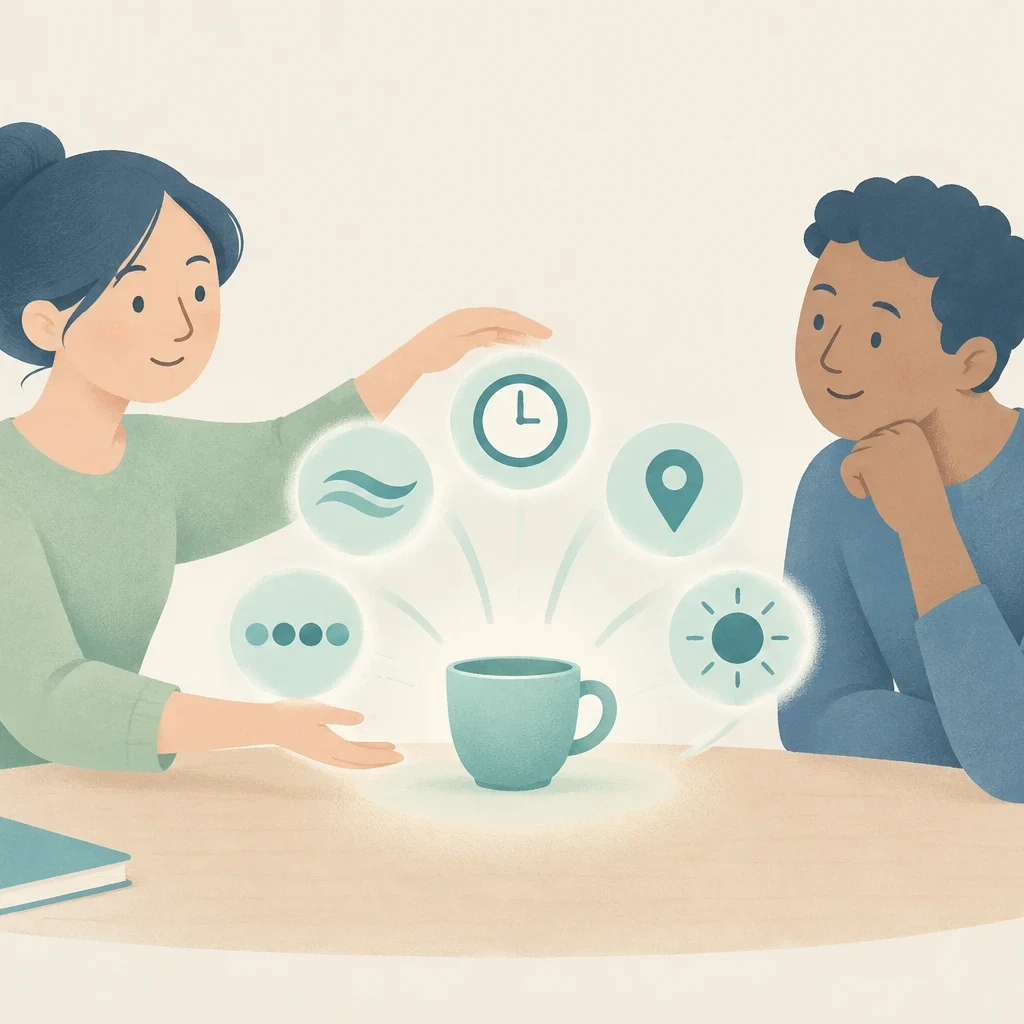
Adverbs: Add Information to Actions
Empezar a escuchar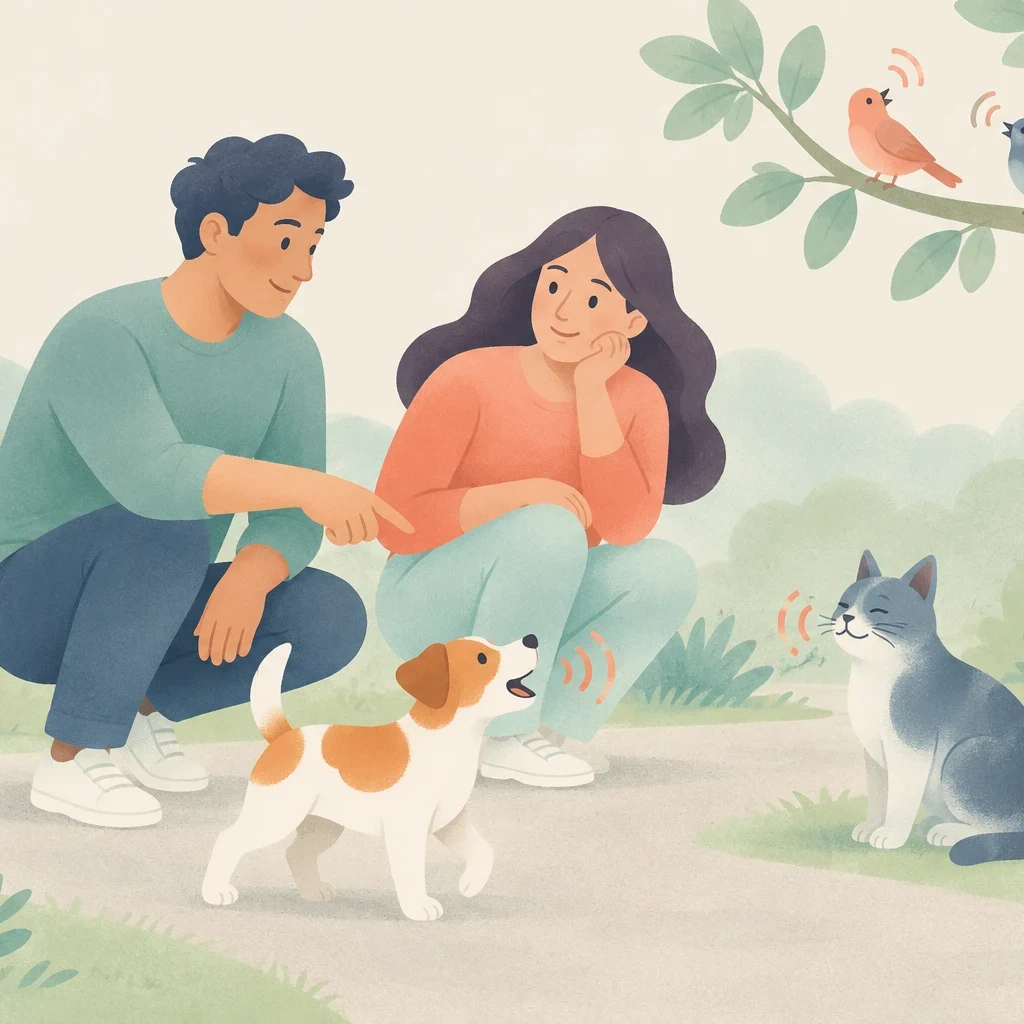
Animal Sounds in English: Verbs and Nouns
Empezar a escuchar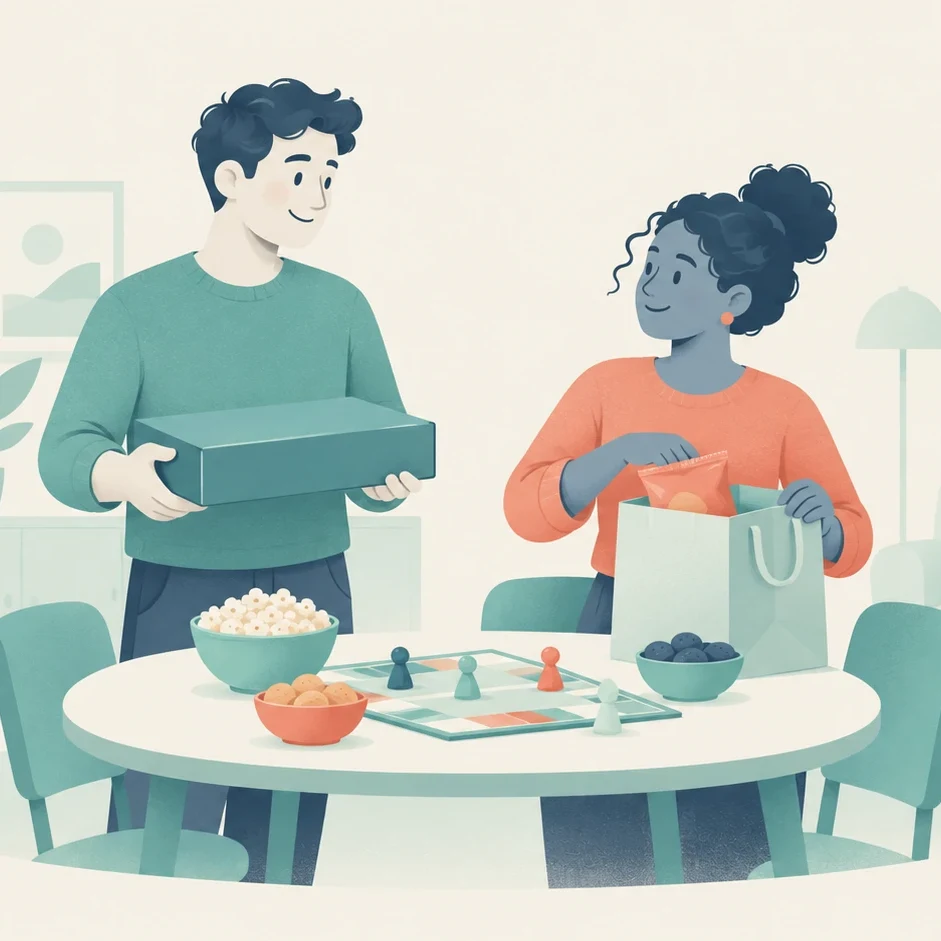
Bought or brought? Getting ready for a games night
Empezar a escuchar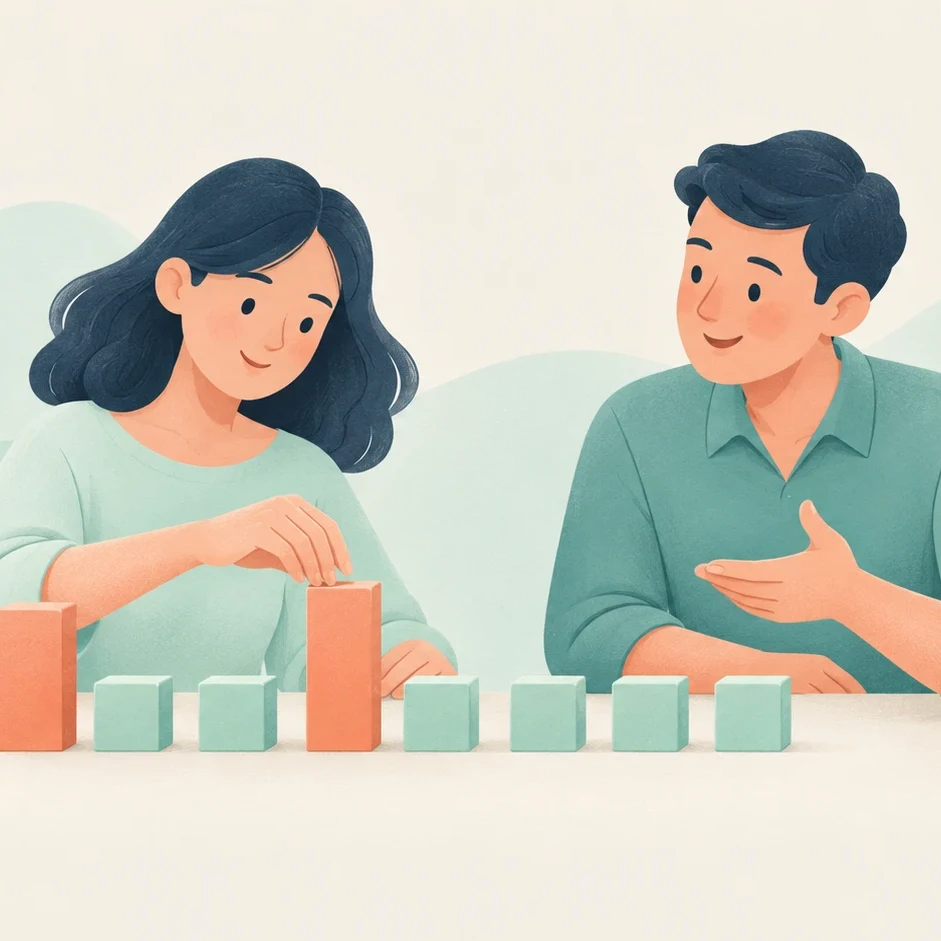
Capitalization Rules: When to Use Capitals
Empezar a escuchar
Choose I, me, my, or mine when sharing plans
Empezar a escuchar
Choose and, but, because, or so
Empezar a escuchar
Common English Mistakes: Choose the Right Form
Empezar a escuchar
Comparatives and superlatives: choose the right form
Empezar a escuchar
Countable and uncountable nouns: how to choose
Empezar a escuchar
Dairy or Diary: How to Choose
Empezar a escuchar
English Adjectives: Describe People and Things
Empezar a escuchar
English Contractions: When to Shorten Words
Empezar a escuchar
English Plurals: Rules and Common Exceptions
Empezar a escuchar
English exercises: choose what to practice
Empezar a escuchar
English grammar: choose your lesson
Empezar a escuchar
English imperatives: give clear instructions
Empezar a escuchar
English sentence accuracy: build clear sentences
Empezar a escuchar
Everyday English grammar: build clear sentences
Empezar a escuchar
Exclamation marks: when to use them
Empezar a escucharLo que encontrarás aquí
Cómo ayuda esta práctica
Esta colección mantiene la agrupación original del acento de Londres. Las grabaciones actuales pueden usar voces diferentes; revisa la etiqueta de cada clip.
Cuando una voz no te resulte familiar, reproduce una parte corta y compárala con la transcripción antes de intentar el clip completo de nuevo.
