Focused listening library
London English listening
Browse the original London accent collection. Current recordings have their own accent labels; this archive tag does not identify a new speaker.

Stubborn: meaning, tone, and alternatives
Start listening
Swapping a volunteer shift
Two volunteers discuss three time slots before agreeing on one swap. Which times belong to the final arrangement?
Start listening
Synonyms in English: Choose the Right Word
Start listening
TOEFL Study Response: Explain What You Hear
Start listening
Take after
You may have your father's smile but your grandmother's patience. When a family similarity comes from an older relative, you can say you take after that person.
Start listening
Take it easy
Take it easy means to rest and avoid hard effort. It means to calm down and stop worrying. It also means goodbye between friends.
Start listening
Take part in
You can watch a race from the side, or you can enter it and take part. The phrase means joining the activity, not simply being nearby.
Start listening
Talk into
You may not plan to join a trip, but a friend's reasons can change your mind. If the conversation persuades you, your friend talks you into going.
Start listening
There was or there were: how to choose
Start listening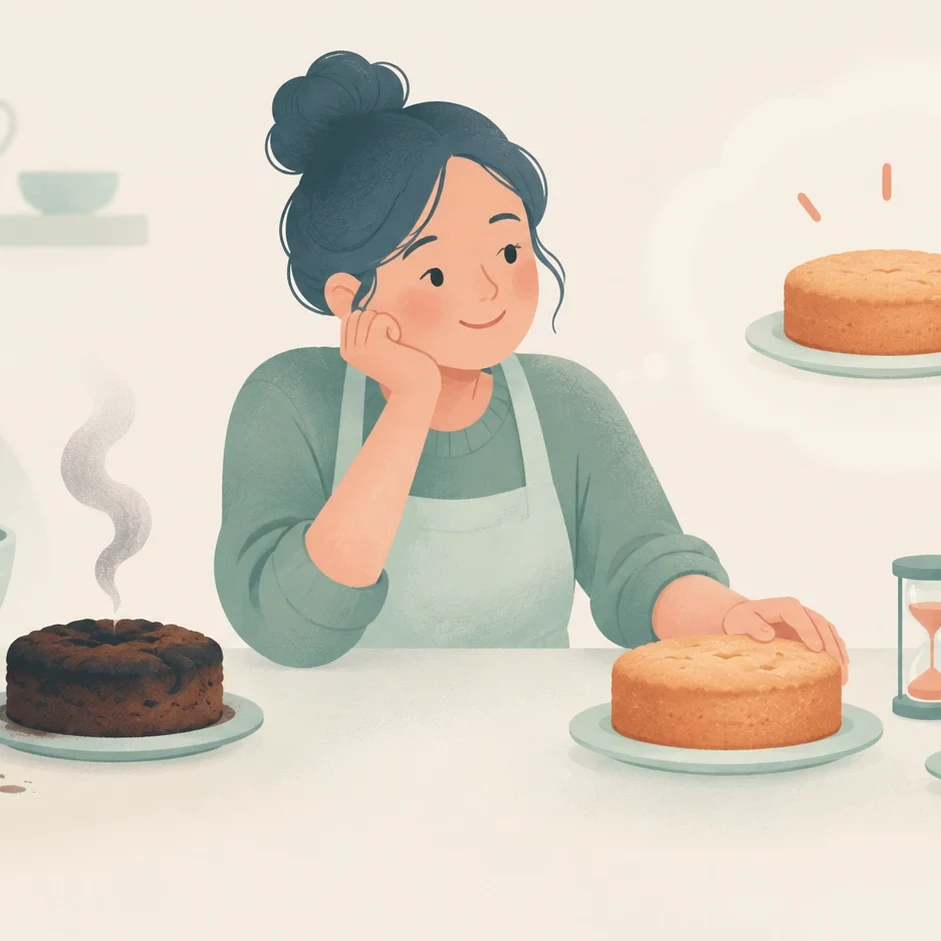
Third conditional: explanation and examples
You missed one train and arrived after the interview began. How do you imagine the version of yesterday that never happened?
Start listening
Till or Until: Choose the Right Word
Start listening
Took or have taken? Choose the form for your message
Start listening
Train platform change
A station announcement contains a destination, an original time, a delay, and a new platform. Which details describe the train now?
Start listening
Transferring a ticket
The ticket is transferable, but forwarding the email is not enough. What must the buyer change by five on Friday?
Start listening
Turn down
You can turn down a job because it is unsuitable, or turn down the music because it is too loud. One reduces an opportunity; the other reduces a level.
Start listening
Turn out
A difficult recipe can turn out well, and a rumour can turn out to be false. The phrase often reveals a final result that was uncertain or surprising.
Start listening
Turn up
A late guest can turn up at your door, lost keys can turn up under a sofa, and you can turn up the heating. Context separates arrival, discovery and a higher level.
Start listening
Understanding an indirect refusal
A colleague says your invitation sounds lovely, then mentions a family commitment and suggests another week. Did they accept or decline?
Start listening
Up to or upto: Which Is Correct?
Start listening
Using Commas: Where Commas Belong
Start listening
Using Like and As for Clear English Comparisons
Start listening
Volunteer arrival instructions
Volunteers enter through one gate, register at a tent and then split into two teams. Can you put the instructions in order?
Start listening
Weather-dependent plans
Two friends want a picnic, but the forecast may change. What will they do in each possible weather condition?
Start listening
When or if: Choosing the Right Word
Start listeningWhat you will find here
How this practice helps
This collection keeps the original London accent grouping. The current recordings may use different voices; check each clip’s label.
When a voice is unfamiliar, replay a short part and compare it with the transcript before trying the whole clip again.