Hear the word boundaries
Listen once without typing. On the second play, decide where one word ends and the next begins. Replay the whole phrase to check.
Showing 433–449 of 449 lessons
-
 Video · 7 min
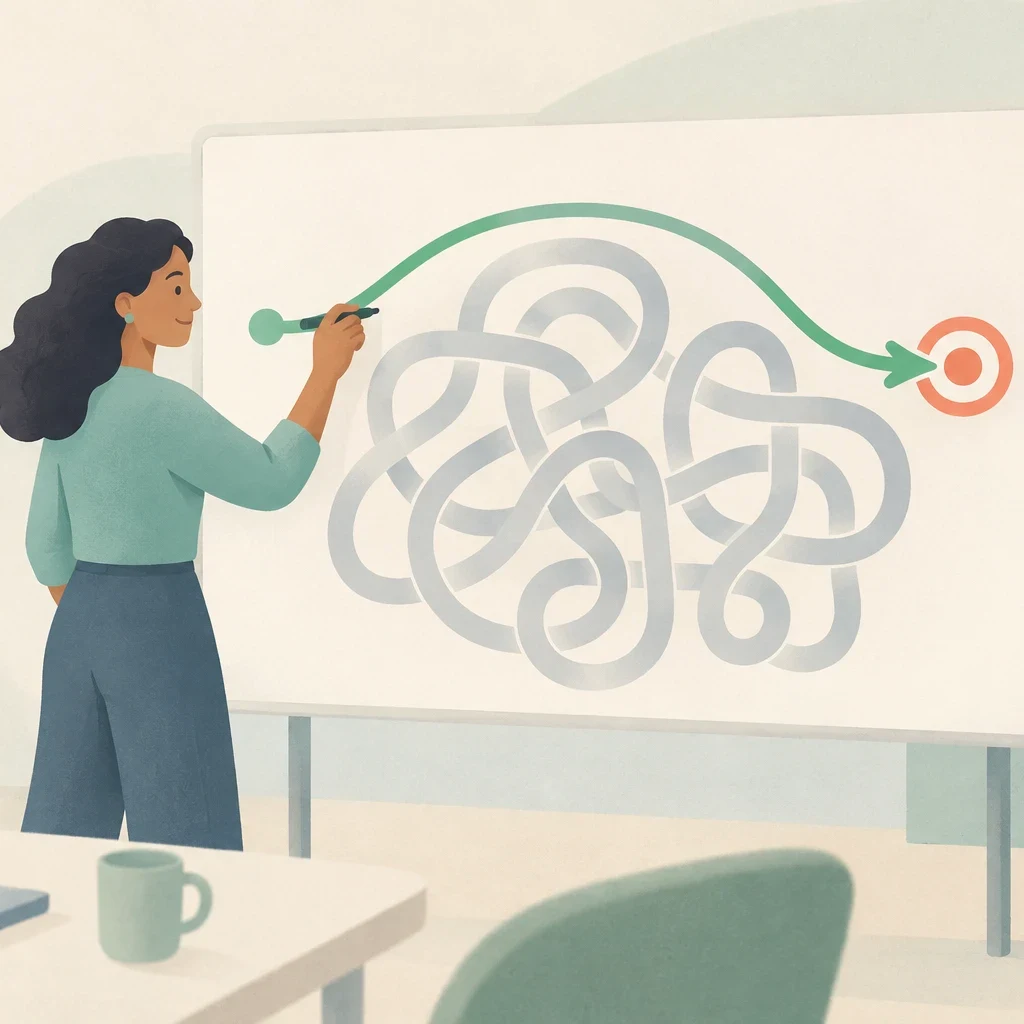
 Cut to the chase
To cut to the chase means to bypass introductory background and address the primary issue or practical decision directly.
-
 Video · 8 min
 Crossed wires
Get your wires crossed means to experience a misunderstanding because two or more people have different information, expectations, or interpretations of the same situation.
-
 Video · 8 min
 Corner the market
Corner the market means to obtain such an extensive share of sales or supplies in a particular sector that competitors struggle to operate effectively.
-
 Video · 7 min
 Come out of your shell
To come out of your shell means to become less shy and more comfortable talking, sharing ideas, and participating with other people in social situations.
-
 Video · 7 min
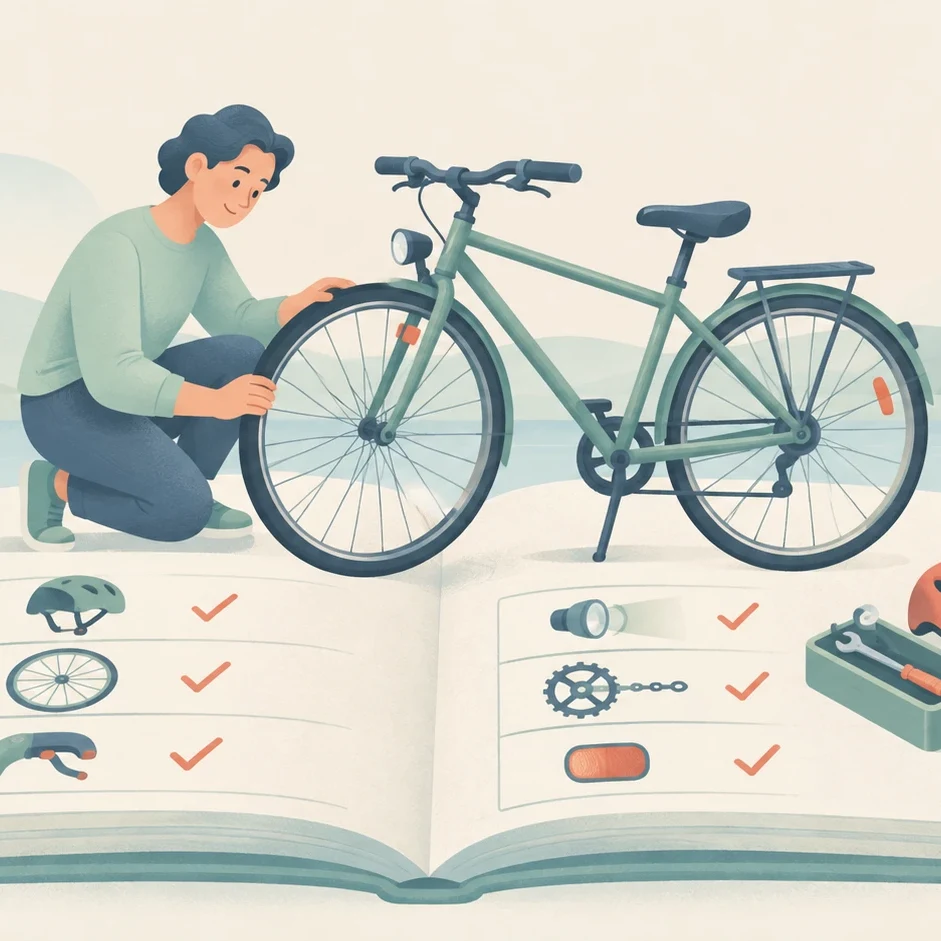
 By the book
Following established rules, laws, or standard operating procedures strictly without taking shortcuts or making personal exceptions.
-
 Video · 8 min
 Breathing down my neck
Breathe down someone's neck means to watch, monitor, or pursue someone so closely that they feel hurried, anxious, or uncomfortable. The pressure can come from an overbearing supervisor, an impatient coworker, an approaching deadline, or a close competitor.
-
Membership
Open every lesson free for 7 days
- 449 lessons with dictation and listening tests
- Three accents: British, American and Australian
- New lessons every day, and your progress is saved
No card needed. Then from $7.50 a month if you want to keep going.
Start free trial -
 Video · 7 min
 Bend the rules
To bend the rules means to relax or soften an established guideline for someone in a specific situation rather than enforcing it strictly. The speaker frames the action as a minor, flexible adjustment rather than a total breakdown of order, though other observers might still view the concession as unfair.
-
 Video · 8 min
 Backlog
A backlog is a substantial quantity of work, cases, or orders that has accumulated over time and remains unprocessed. It does not describe a single delayed chore; it describes a collection of pending duties that have gathered into an ongoing burden.
-
 Video · 7 min
 At first glance
'At first glance' means when first looking at or considering something, before having the opportunity to examine it carefully. It signals that an opinion is preliminary and subject to change.
-
 Video · 8 min
 Above board
Above board means that an activity, transaction, or agreement is completely honest, legal, and open. Nothing is concealed, and no one is taking an unfair advantage.
-
 Video · 9 min
 A ballpark guess
A ballpark guess is a rough numerical estimate that gives people a practical working number when exact details are not yet known.
-

Third conditional: explanation and examples
The third conditional looks back at completed past events and imagines how changing one condition would have produced a different outcome. Both the condition and the result refer entirely to the past, describing an imaginary version of events that never actually took place.
-

Mixed conditionals
A mixed conditional combines a condition and a result that belong to different time periods. In everyday English, speakers most often use it to connect a finished past action with a present state, or an ongoing general truth with a past event.
-

Gerunds and infinitives with stop, try, remember and need
Some English verbs can be followed by either an -ing form or a to-infinitive, but the choice creates two completely different meanings. With stop, the -ing form ends an activity, while the to-infinitive states a purpose for pausing. With try, the -ing form tests a possible solution, while the to-infinitive focuses on making an effort at a difficult task. With remember, the -ing form recalls a past experience, while the to-infinitive focuses on completing a necessary chore. With need, the to-infinitive indicates that the subject performs an action, while the -ing form expresses a passive meaning showing what requires maintenance.
-

Future predictions
Predictions describe expected future events rather than certain facts. English uses will to share personal beliefs, expectations, and opinions without direct proof. It uses be going to when observable clues, trends, or current information show an outcome already in progress. When an outcome is merely possible, speakers choose might, may, or could.
-

Future plans
Future expressions in English do not simply state that an event happens later. They reveal how the speaker views the plan: as a spontaneous reaction at the moment of speech, a personal intention decided previously, or a confirmed arrangement coordinated with others.
-

Conditionals
A conditional sentence connects a condition with a result. English uses distinct verb combinations to show how the speaker views the relationship between these two clauses: as a universal constant, an actionable future possibility, an imagined present alternative, or a missed past opportunity.
Not ready for a trial? Get a free lesson every day
One short dictation in your inbox each day for 7 days. Practise where you are, no account needed.
Can’t find the phrase or situation you need?
Lesson requests come with membership.
See membership