対比を意識する
butやalthoughのような単語に注意して聞いてください。それらの後に続く単語がメッセージをどのように変えるかを確認しましょう。
集中リスニングライブラリ
トピック、アクセント、長さで中上級レッスンを閲覧しましょう。連結した発音、句動詞、暗示された意味を練習します。

Before work begins, everyone agrees about the goal, deadline, and responsibilities. Which phrase describes that shared understanding?
リスニングを開始
A company pays a special bonus this month but will not repeat it. Which British English expression shows that the payment happens only once?
リスニングを開始

Traffic is unpredictable, so you take an earlier train to avoid missing your flight. Which expression describes this cautious choice?
リスニングを開始








Have you ever chosen a course because several people could not stop talking about how good the teacher was?
リスニングを開始
Using a free course is sensible, but using a helpful colleague unfairly is not. How can one expression describe both situations?
リスニングを開始
You assume the shop opens on Sunday without checking, and you rarely thank the friend who always helps. Which expression fits both mistakes?
リスニングを開始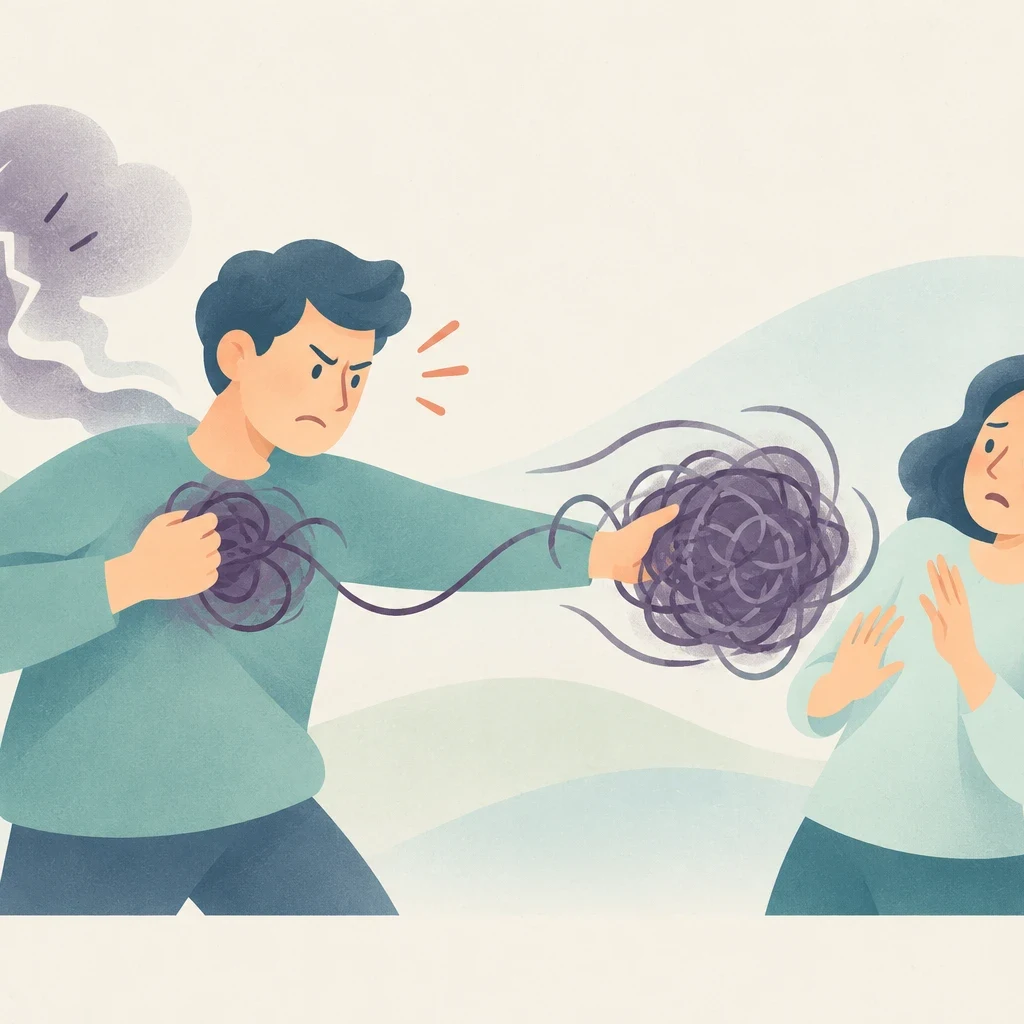
A difficult meeting makes someone angry, and later they shout at a family member who did nothing wrong. Which expression describes this unfair redirection?
リスニングを開始

You have sent the proposal and answered every question. Nothing else can happen until the client responds. Whose responsibility is the next move?
リスニングを開始
A long meeting produces dozens of details, but everyone needs one clear conclusion. Which phrase brings the discussion back to what matters most?
リスニングを開始
Everyone at dinner speaks politely, although two guests have stopped talking to each other. The problem is obvious, but nobody mentions it.
リスニングを開始
The train is repeatedly late, crowded, and unreliable. One more cancellation finally makes a commuter decide to drive instead.
リスニングを開始
Two companies negotiate, but only one owns the technology both sides need. That advantage gives one side much greater control over the agreement.
リスニングを開始
A colleague changes her schedule, calls three suppliers, and stays late to solve your problem. Saying she tried hard does not capture the extraordinary effort.
リスニングを開始
Your train leaves in twenty minutes, but the journey to the station normally takes eighteen. You might arrive, although almost nothing can go wrong.
リスニングを開始ここにあるもの
主要なメッセージと、それを変化させる詳細(対比、理由、比喩表現など)を理解しましょう。
例を使って意味を確認し、もう一度聞いて正確な言葉遣いを把握してください。
あなたのレベルに合ったルート
butやalthoughのような単語に注意して聞いてください。それらの後に続く単語がメッセージをどのように変えるかを確認しましょう。
聞き逃した単語が文法を変えることもあれば、詳細だけを変えることもあります。自分の答えとスクリプトを比較して、どちらが起こったかを確認してください。
言い回しに慣れたら、そのクリップで提供されている別の声を選んでください。何が難しくなり、何が簡単になるかを聞き取ります。