Turn up
Écoutez une fois, puis écrivez ce que vous entendez.
0:00
Lire la transcription
Vous avez terminé cet extrait d’une vraie leçon. Ouvrez la leçon pour continuer.
Écoutez une courte scène de la vie quotidienne, puis réécoutez pour repérer les mots qui vous ont échappé. Essayez l’enregistrement ci-dessous ou choisissez une leçon B1.
Faites une dictée gratuite sans compte. Choisissez parmi les accents disponibles, écoutez, puis écrivez les mots entendus.
Écoutez une fois, puis écrivez ce que vous entendez.
0:00
Vous avez terminé cet extrait d’une vraie leçon. Ouvrez la leçon pour continuer.
Commencez par les expressions liées aux arrivées et aux rencontres. Turn up présente plusieurs sens, Bump into une rencontre imprévue, et Head back un retour. Ces suggestions servent à choisir une première leçon, pas à évaluer votre niveau.
Repérez qui parle, ce qui s’est passé et l’action principale. À la deuxième écoute, prêtez attention aux petits mots autour du verbe. Dans turn up et bump into, le sens dépend de l’expression entière.
Après la correction, expliquez la phrase avec vos propres mots. Si vous en comprenez peu, lisez d’abord son sens, puis réécoutez. Si vous l’avez comprise, écoutez-la une fois à vitesse normale avant de continuer.

The speaker has remembered one sentence for years, but no longer understands it in the same way. What changed?
Commencer à écouter


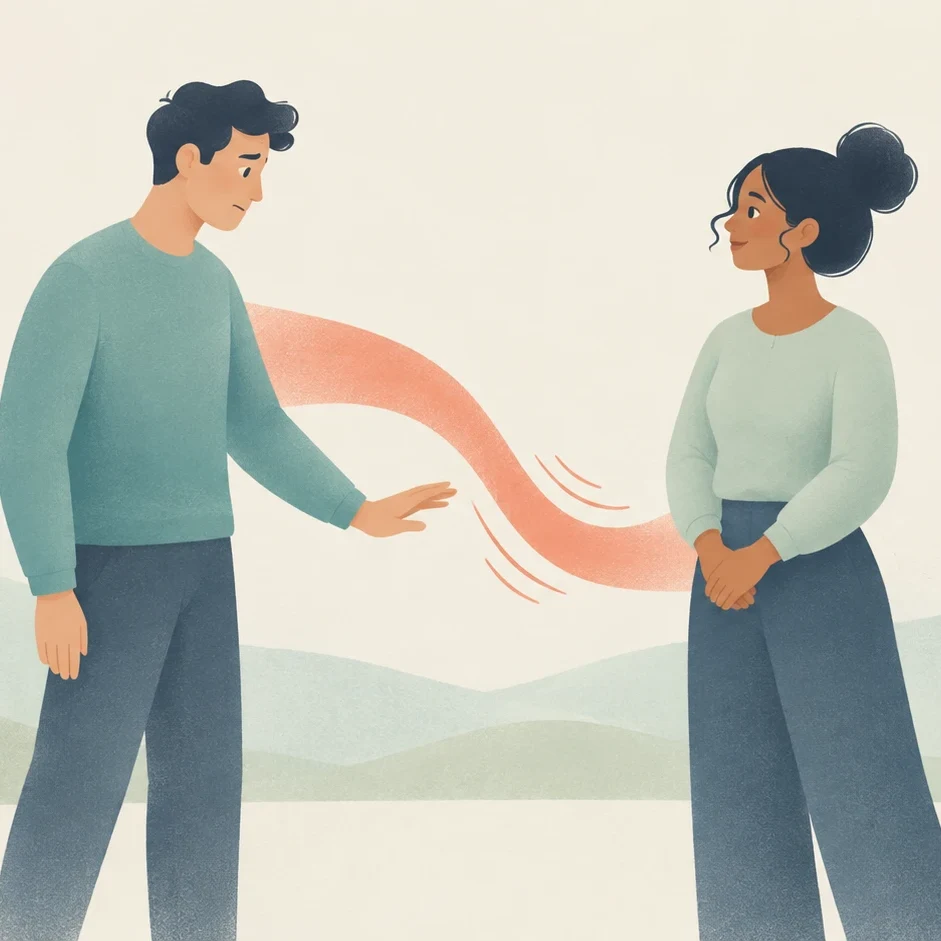
A manager changes a policy after staff challenge it. She does not move backwards, but people say she backed down.
Commencer à écouter
A colleague backs you up, research backs up a claim, and software backs up a file. What changes when the object changes?
Commencer à écouter
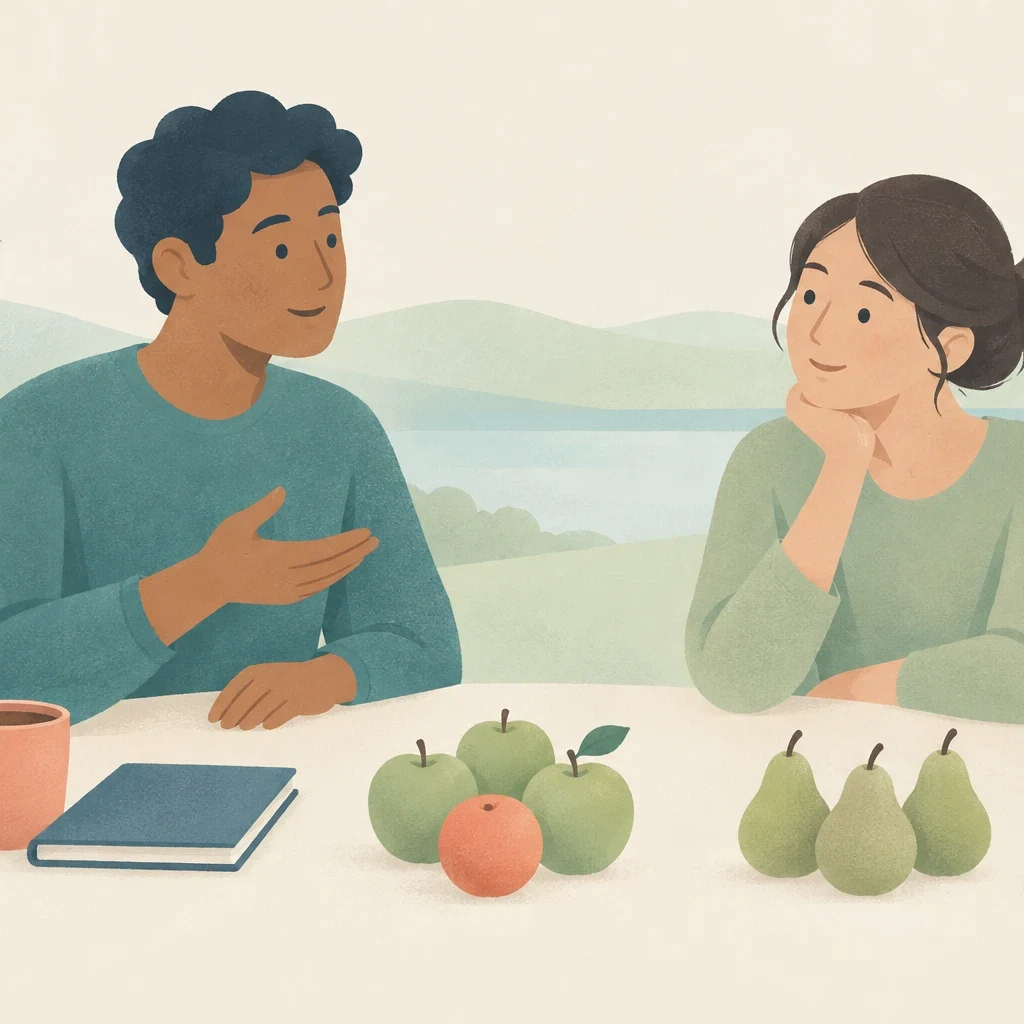

A performance blows the audience away while a gust blows the programmes away. Emotion and wind create different meanings with the same form.
Commencer à écouter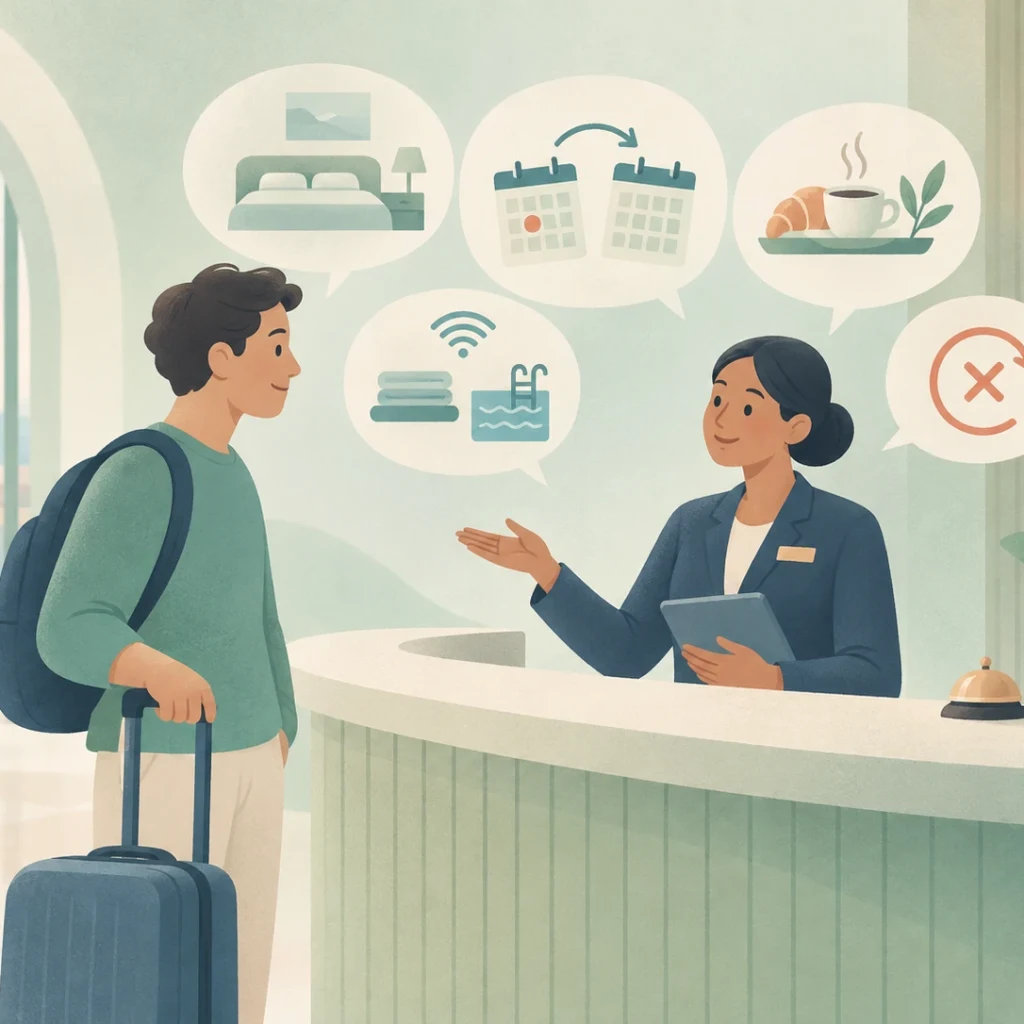
A guest books three nights and asks for one room feature. Which services are included, and when does free cancellation end?
Commencer à écouter
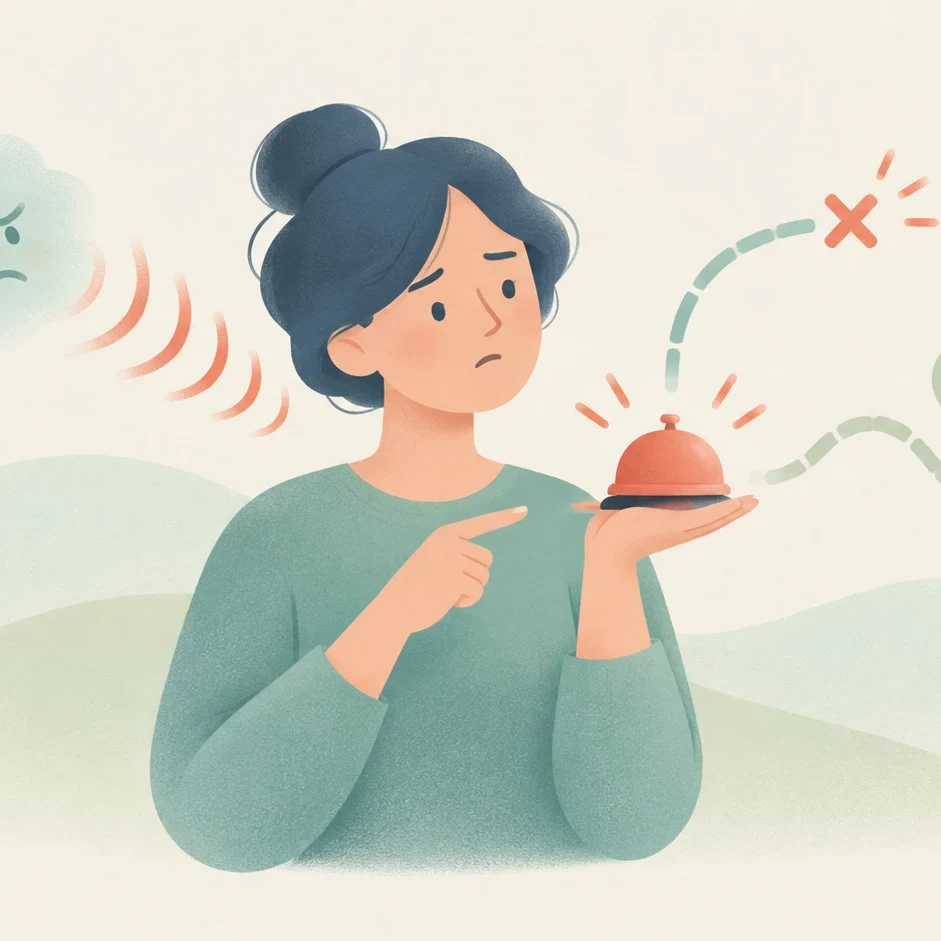
Noise can bother you, a thought can bother you, and you may not bother to reply. The first two affect feelings; the last describes effort.
Commencer à écouter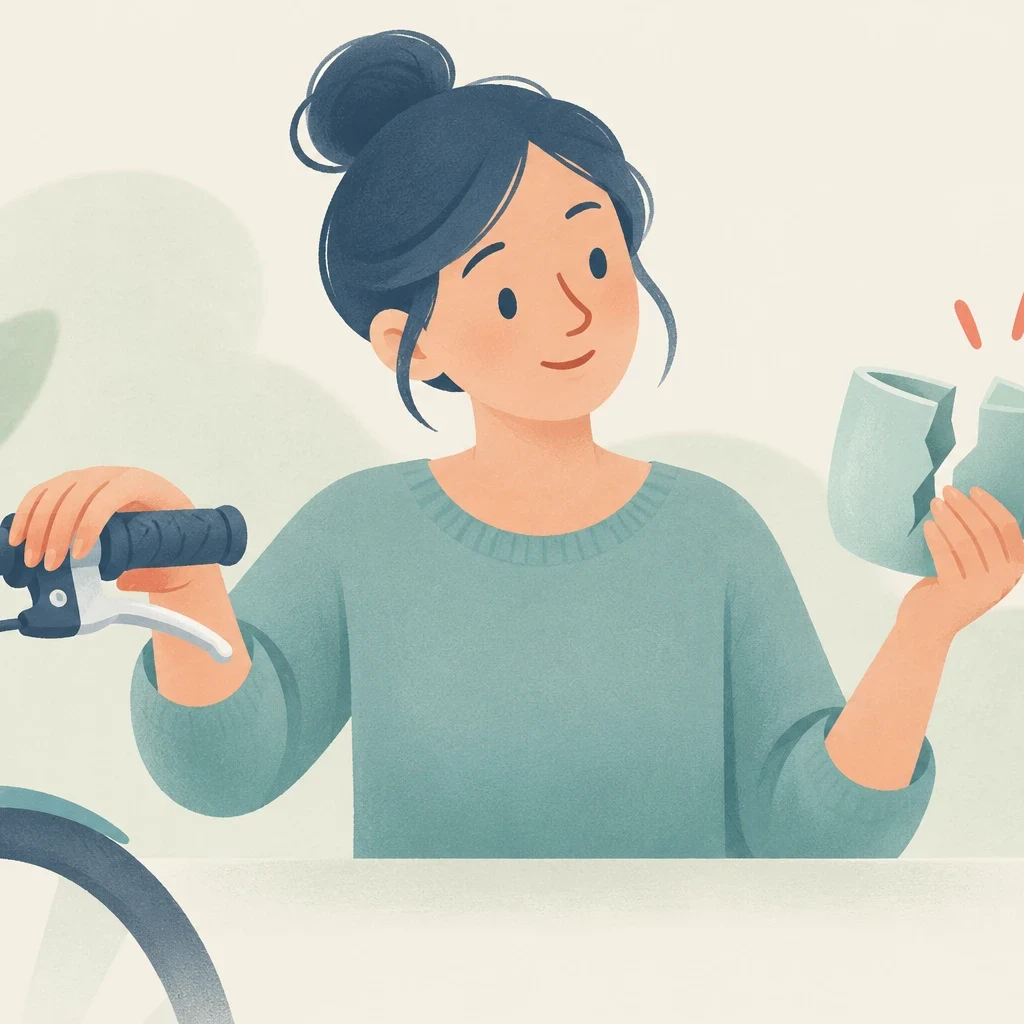
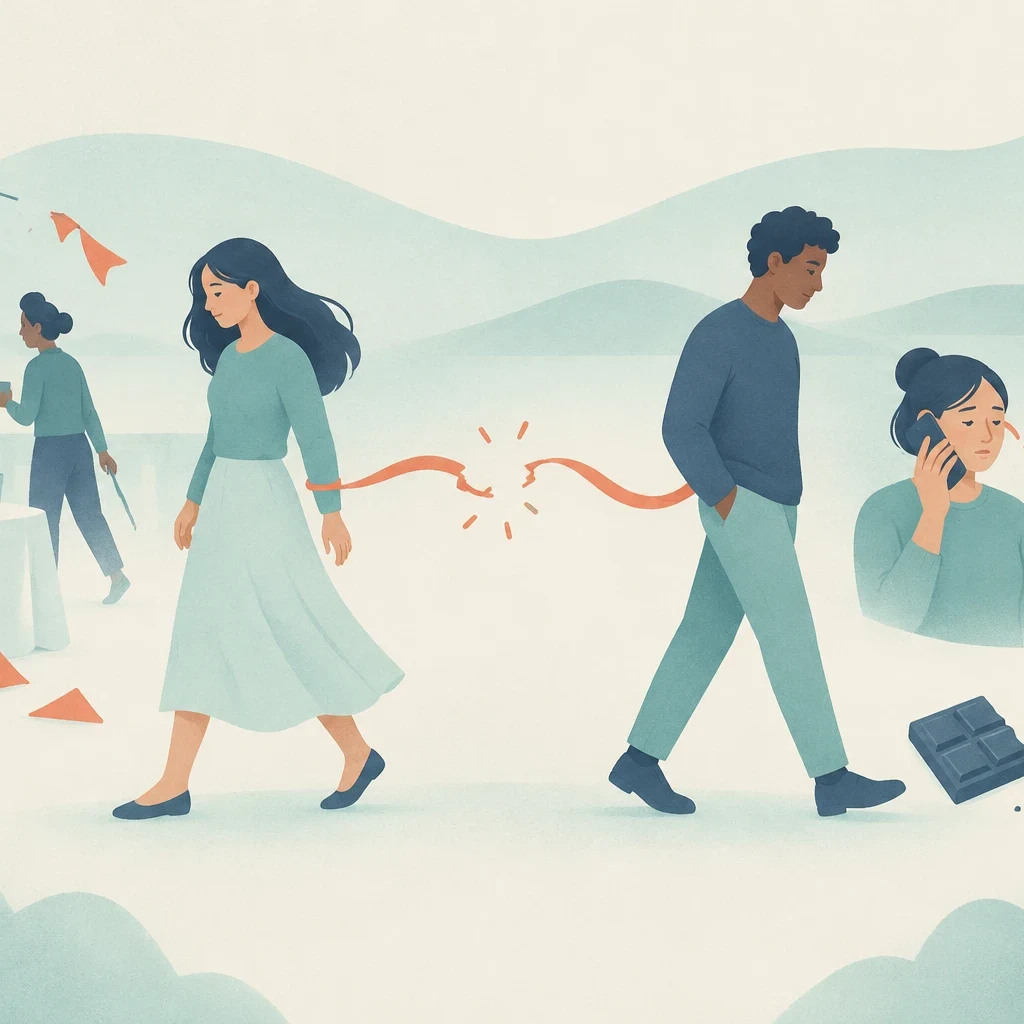
A couple breaks up, a meeting breaks up, and a phone call starts breaking up. Only one involves a romantic relationship.
Commencer à écouter

A small decision can produce a large result. Bring about connects the cause to the change that follows.
Commencer à écouter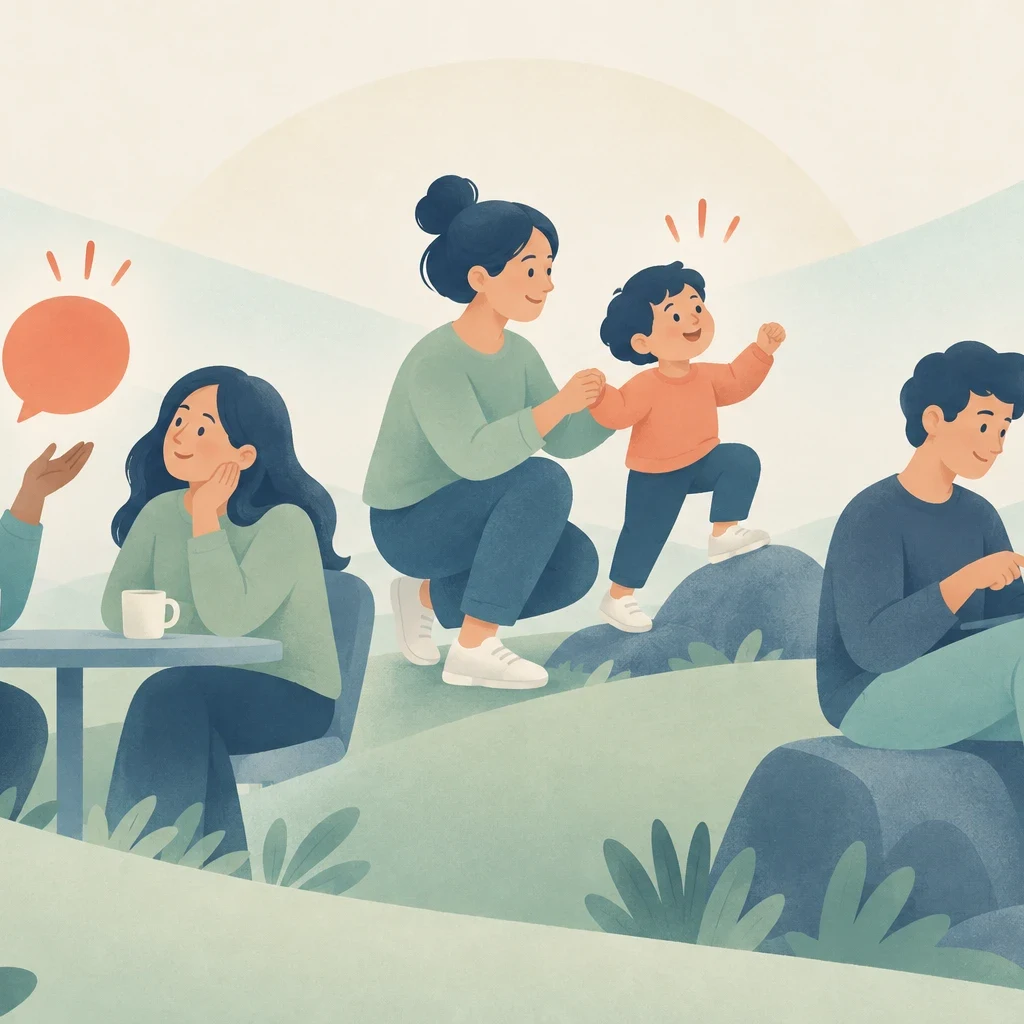
You can bring up a difficult topic, bring up a child, or bring up a file on a screen. Context tells you which action is happening.
Commencer à écouter
If you bump into an old friend, you meet unexpectedly. If you bump into a table, the surprise may hurt a little more.
Commencer à écouter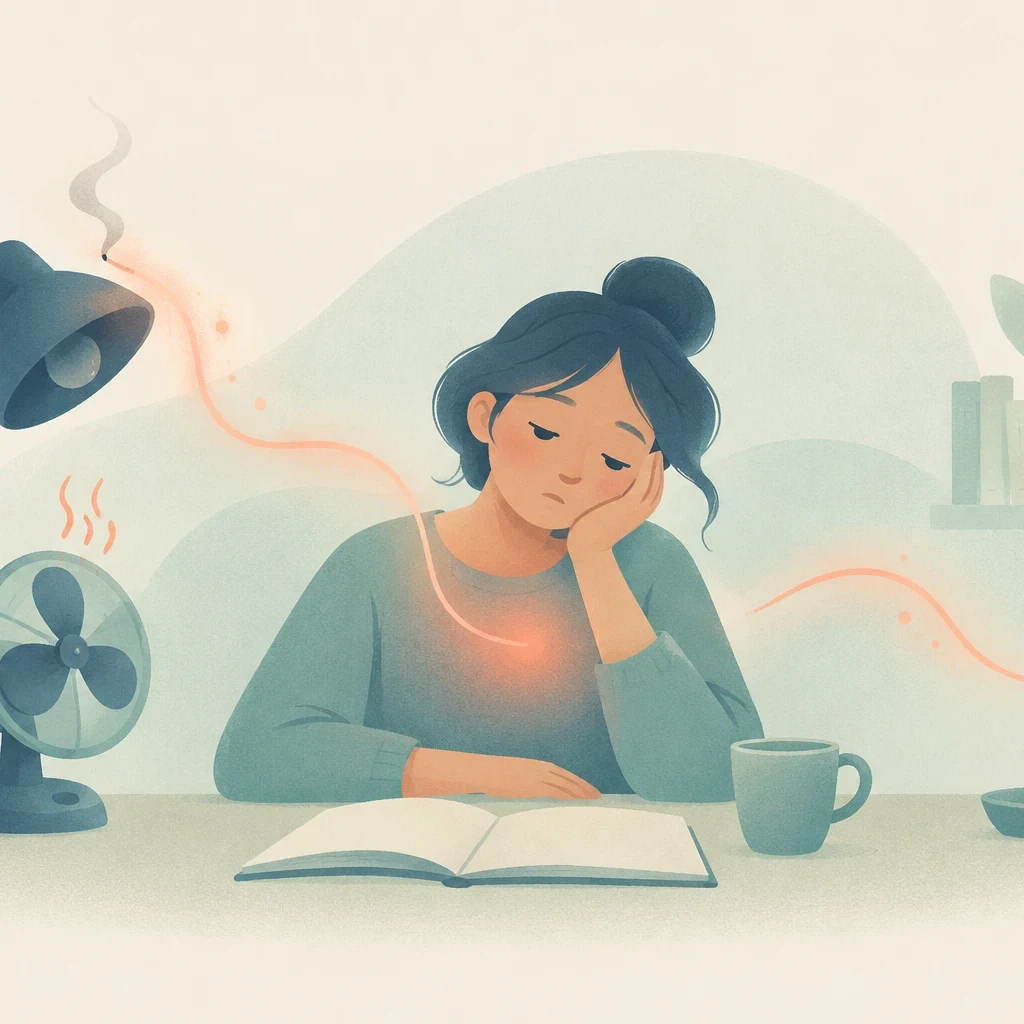
A worker, a campfire and a motor can all burn out, but each one reaches a different kind of end.
Commencer à écouter
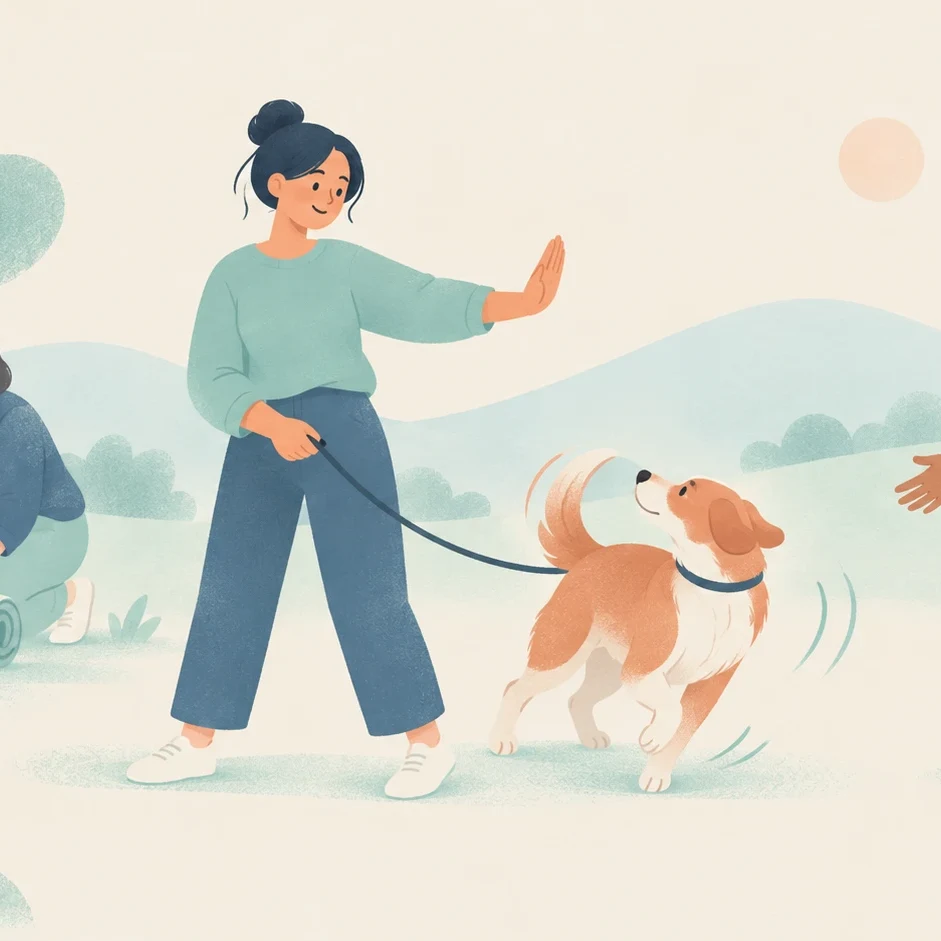
You can call off a match before it starts, call off a search already in progress, or call a threatening dog off.
Commencer à écouter
The customer cancels renewal today but keeps access until the thirtieth. Does that mean another monthly payment is due?
Commencer à écouterNon. Les leçons sont classées selon leur niveau dans le catalogue. Les exemples et les enregistrements vous aident à choisir ce que vous devez travailler. Terminer une leçon ne certifie pas votre niveau.
Oui. Utilisez la lecture ralentie si vous avez besoin de réécouter, puis revenez à la vitesse normale quand vous arrivez à suivre la phrase.
Chaque leçon propose des dictées d’essai gratuites. Les autres activités peuvent nécessiter un abonnement ou un essai actif. La leçon indique ce qui est accessible avant de commencer.
