What happens in the video
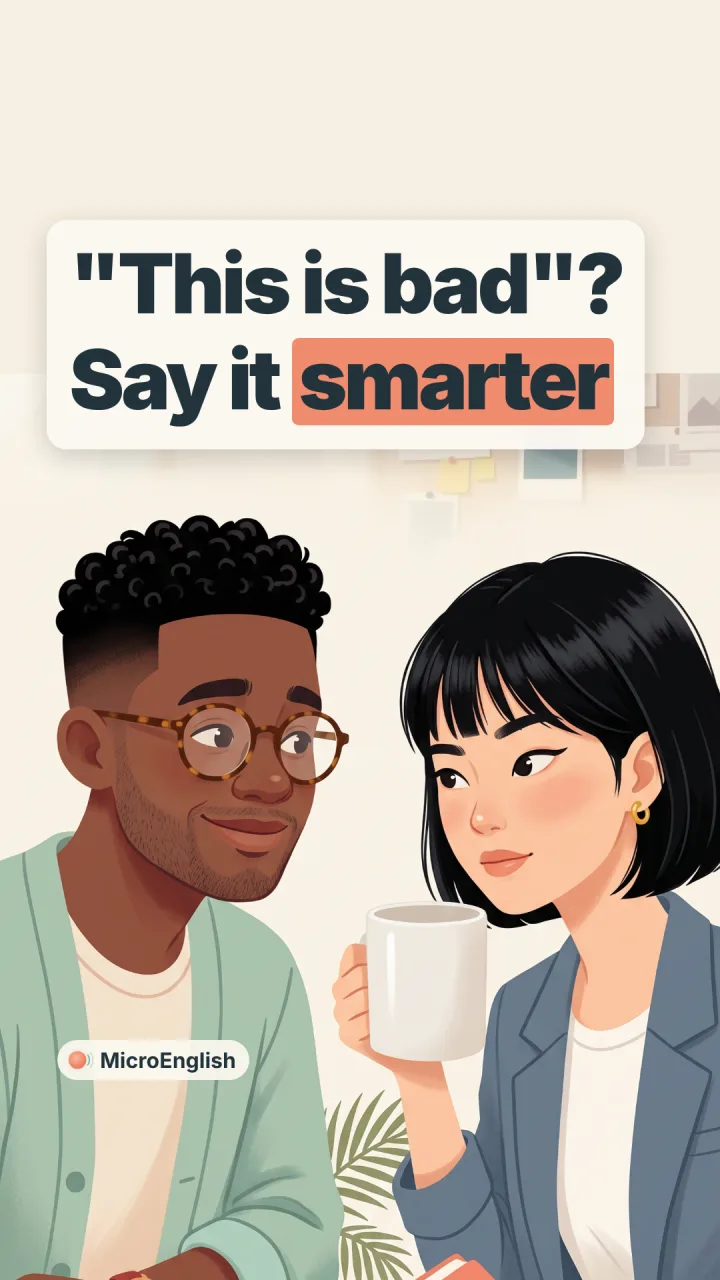
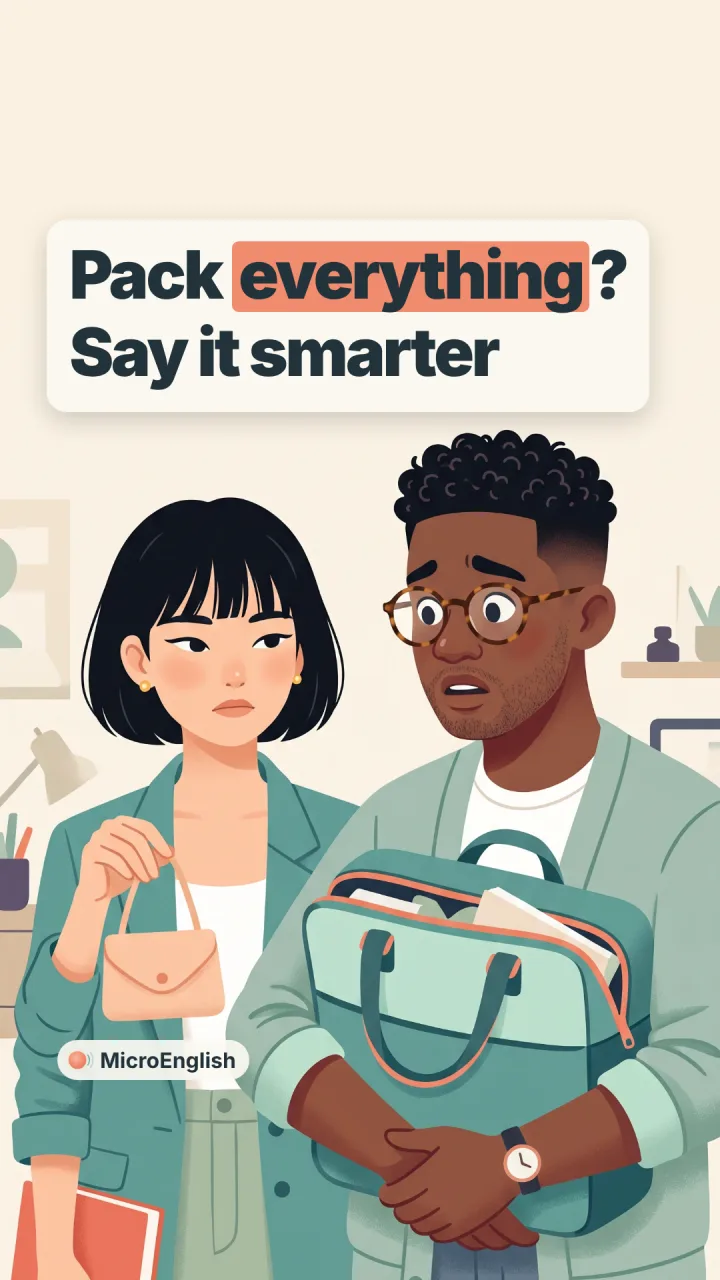
Nadia asks Theo to design the cafe menu, and Theo tries to sound relaxed: "It's a walk in the cake." Nadia repeats the strange phrase back to him. Theo fixes it with "Relax. It's a piece of cake," and Nadia jokes, "Look who's calm now." Watch the Short, then use the lines below to say a task is easy.
1 It's a piece of cake
Tone Casual and playful
Use it for a small task that you know you can do well. Don't use it about something the other person finds hard, because it can sound like you are showing off.
It's a piece of cake.
For example:
A: Can you help me set up the new printer?
B: Sure, it's a piece of cake. Give me five minutes.
A: Thanks, I've been trying all morning.
2 It's no big deal
Tone Relaxed and kind
Use it when someone feels worried or sorry about something small, or when you want to play down a favor you did. Avoid it when the problem really matters to the other person, because it can sound like you don't care.
It's no big deal.
For example:
A: I'm so sorry. I forgot to bring your book back.
B: It's no big deal. Bring it next week.
3 How hard can it be?
Tone Bold and confident
Say it before you try something new when you expect it to be easy. It can sound funny if the task turns out to be harder than you expected. Avoid it when discussing a serious risk, because it can sound careless.
How hard can it be?
For example:
A: Have you ever painted a room before?
B: No, but how hard can it be?
A: Call me when you need help.
4 It's easy
Tone Neutral and clear
Use it to say directly that a task is easy. It fits work emails and conversations with people you do not know well. Think about the listener, though: calling a task easy can sound dismissive if they are struggling with it.
For example:
A: How do I book a meeting room?
B: It's easy. Open the calendar and choose a free time.
5 No problem
Tone Friendly and quick
Use it to say yes to a request and show that the task won't be hard for you. It's fine at work, but in a very formal message, "Of course" or "I'd be happy to" sounds better.
For example:
A: Could you send me the file again?
B: No problem. I'll send it now.
6 It's a breeze
Tone Light and casual
Use it for a task or process that goes smoothly with no effort. It often describes tools or systems, as in "The app makes it a breeze." Keep it for friendly, informal talk.
For example:
A: Is the new train ticket app any good?
B: Yes, buying tickets is a breeze now.
7 There's nothing to it
Tone Casual and reassuring
Use it while you show or explain how to do something, to make the other person feel confident. Don't say it if the person has already tried and failed, because it can make them feel bad.
For example:
A: I've never made bread. Is it difficult?
B: There's nothing to it. Mix, wait, and bake.
A: Okay, I'll try this weekend.
8 I could do it with my eyes closed
Tone Confident, a little proud
Use it for something you have done many times. It's a strong, playful claim, so avoid it when you want to sound modest, for example in a job interview.
For example:
A: Can you drive us to the airport? The road is tricky.
B: I drive that road every day. I could do it with my eyes closed.
9 It's a walk in the park
Tone Casual and relaxed
It means the same as "a piece of cake" and is just as informal. People often use it in the negative too: "It wasn't a walk in the park" means something was hard.
For example:
A: How was your first week at the new job?
B: Honestly, it wasn't a walk in the park, but I'm learning.
Common mistakes
-
Not quite
It's a walk in the cake.Better It's a piece of cake. (or: It's a walk in the park.)
Theo mixes two idioms. Both mean "very easy," but idioms are fixed phrases, so you can't combine their parts.
-
Not quite
It's a piece of cakes.Better It's a piece of cake.
The words in this idiom don't change. Use singular "cake" even when you talk about several easy tasks: "These forms are a piece of cake."
-
Not quite
Your exam is tomorrow? It's no big deal.Better Your exam is tomorrow? You'll be fine. You've studied a lot.
"It's no big deal" can sound like you think the other person's worry is silly. When something matters to them, show that you understand first.
Quick quiz
Choose your answer for each question, then open the answer to check it.
-
Your friend asks for help moving one small box. Which reply sounds natural and casual?
- It's a piece of cake.
- It wasn't a walk in the park.
- How hard can it be?
Show the answer (Question 1)
Answer: It's a piece of cake. "It's a piece of cake" is a casual way to say a small task is easy.
-
A coworker says, "I'm sorry, I spilled a little coffee on your desk." Which line calms them kindly?
- I could do it with my eyes closed.
- It's no big deal.
- How hard can it be?
Show the answer (Question 2)
Answer: It's no big deal. "It's no big deal" is a relaxed, kind way to tell a worried person that the problem is small.
-
Someone says, "I've never built furniture, but how hard can it be?" What do they probably feel?
- Worried and nervous
- Confident, maybe too confident
- Angry at the furniture
Show the answer (Question 3)
Answer: Confident, maybe too confident The question sounds bold, and it's often funny because the task turns out to be hard.
-
Which line is the safest choice in a formal work email?
- It's a breeze.
- It's easy.
- I could do it with my eyes closed.
Show the answer (Question 4)
Answer: It's easy. "It's easy" is neutral and clear, while the other two are casual or a bit proud.
-
What does "It wasn't a walk in the park" mean?
- It was very easy.
- It was hard.
- It happened outside.
Show the answer (Question 5)
Answer: It was hard. "A walk in the park" means easy, so the negative form means the task was difficult.
Questions learners ask
What does "a piece of cake" mean?
It means something is very easy to do. It's an informal idiom, so you use it with friends, family, and relaxed coworkers. The words are fixed: say "a piece of cake," not "a piece of cakes" or "a slice of cake."
Is "a piece of cake" rude or unprofessional?
It isn't rude, but it's casual. In a spoken chat at work it usually sounds friendly. In a formal email or a report, "It's easy" or "This should be simple" is the better choice.
What's the difference between "no big deal" and "no problem"?
"No problem" is usually an answer to a request, and it means you're happy to help. "It's no big deal" tells someone that a mistake or worry is small. You say "No problem" when someone asks for something, and "It's no big deal" when someone apologizes.
Why do people laugh at "How hard can it be?"
People usually say it right before they try something they don't know much about. Listeners expect that the task will turn out to be hard, so the line often sounds like a joke. You can use it about yourself to sound playful and confident.
Film lines are short quotes used for language teaching. The dialogue belongs to its rightsholders. Nadia and Theo are animated characters made with Google Flow.